 Spanish
The Placer County Bail Schedule Explained
Get Someone Out of Jail Fast — 24/7 Help
Reliable, confidential bail bonds available anytime, anywhere in California. We move quickly so you can bring your loved one home.
Get in TouchGetting a call that a friend or family member is in jail is a stressful and confusing experience. Your mind is likely racing with questions about what to do next. The first step toward bringing them home is understanding the bail process, which begins with the local bail schedule. Because every county has its own set of rules, the ‘placer county bail schedule’ is the key document for anyone arrested in this area. It’s more than just a list of prices; it’s a tool that provides a clear starting point for securing someone’s release. Our goal is to demystify this process for you.
A bail schedule’s purpose is establishing standard amounts, depending upon the offense, for which those arrested may be released from jail pending future court appearances. The actual amount will depend upon the judge’s discretion after considering the facts of the case, the person’s criminal history and arguments from both sides.
How Does Bail Actually Work?
Bail is a legal and financial mechanism designed to ensure a person who is let out of jail will show up for his or her court dates and/or not contact the victim or the victim’s family. If the person can’t afford bail, he or she often will hire a bail bond agency, which will put up the money in exchange for a fee, such as 10 percent of the bail amount. If the person fails to appear for a court date, the bail bondsman is out that money. This is where the well-known “bounty hunter” comes in. A bounty hunter isn’t interested in “justice” per se. He is interested in recapturing the person and getting the bail bondsman’s money back (and collecting his own fee). The bail amounts increase with the severity of the crime. Misdemeanors, for which the person serves less than one year and does so in jail, generally have lower bail amounts than felonies, for which the person serves more than one year and does so in prison.
Purpose and Function of Bail Schedules
A bail schedule is essentially a pre-set menu of bail amounts for different criminal offenses. Think of it as a starting point for determining how much money someone needs to pay to get out of jail after an arrest. The core purpose of this system is straightforward: it provides a financial incentive to ensure the person shows up for their future court dates. By posting bail, the defendant is making a promise to the court to return. The bail schedule standardizes this process, creating a clear and consistent framework for common charges, which helps everyone involved understand the initial financial requirements for release.
Ensuring Timely Release from Jail
One of the most significant benefits of a bail schedule is its role in speeding up the release process. When someone is arrested, especially at night, on a weekend, or during a holiday, a judge isn’t always available to set a bail amount. Instead of waiting in a cell for a hearing, the bail schedule allows for a standard bail amount to be assigned right away based on the alleged crime. This means you or your loved one can begin the process of getting out of jail much faster. A reliable bail bonds service can use this information to act quickly, helping to secure a release without unnecessary delays, no matter the time of day.
How Bail Schedules are Set in Placer County
In Placer County, like elsewhere, bail amounts on the schedule are primarily determined by the severity of the crime. Less serious offenses, such as misdemeanors, will have lower standard bail amounts than more serious felony charges. However, it’s crucial to understand that the bail schedule is not the final word. A judge has the authority to adjust the amount. During a bail hearing, the judge will consider several factors, including the specifics of the case and the defendant’s criminal history. If you have questions about a specific case, it’s always best to get in touch with a professional who can provide clarity on your situation.
The Placer County Bail Schedule Explained
In Placer County, California, bail for obstructing a peace officer is $2,500; bail on an assault charge is $2,000; for vehicular manslaughter, without gross negligence the bail is $5,000; and violation of a restraining order with injury is $25,000. Some minor charges have no bail amounts, the person is released “O.R.” or “on own recognizance.” This is when the court determines the charge is minor enough that the person will show up for subsequent court dates without the bail incentive. These charges include trespassing, ticket scalping and disturbing the peace. Some examples of felony bail amounts in Placer County include $10,000 for perjury or trying to get someone to commit perjury; $25,000 for bribing or offering to bribe officers of the court; $50,000 for involuntary manslaughter; $150,000 for involuntary manslaughter has bail of $150,000 and $200,000 for kidnapping. A “felony committed for benefit of a street gang,” torture, kidnapping for ransom or extortion and aggravated mayhem all have $1 million bail amounts, while first- and second-degree murder have no bail. If the person is charged with multiple felonies, the largest bail amount is applied, plus any enhancements. If the person is charged with multiple “violent felonies” or “serious felonies,” then the bail amount is the total of all the bail amounts (plus enhancements). If the bail schedule lists “no bail” for a particular charge, then the amount is set during the person’s first court appearance. The person’s danger to the community also must be considered. If the person arrested is considered a “danger to the community” then the on-call judge must be called to preside over the bail hearing. Consider reading about Solano bail schedule
Common Bail Amounts for DUI Charges
When it comes to specific charges like a DUI, the bail amounts can be quite standard, though they escalate based on the circumstances. For instance, the usual bail amount for a first-time DUI in many California counties is set at $5,000. However, if a person’s blood alcohol content is more than twice the legal limit, that amount often doubles to $10,000. For more serious DUI cases, such as those involving an accident, injury, or multiple prior offenses, the bail can start at $50,000 or more. These figures serve as a baseline, but a judge always has the final say depending on the specifics of the situation.
Understanding Bail Schedules Across California
If you or a loved one has been arrested, one of the first questions you’ll have is about bail. Bail is the money you pay as a guarantee that you’ll show up for your court dates after being released from jail. However, the process isn’t uniform across the state. A crucial thing to understand is that the amount of bail required can differ significantly depending on which county the arrest took place in. California does not have a single, statewide bail schedule; instead, each of the 58 counties establishes its own set of rules and standard amounts for various offenses.
This variation means that the bail for the exact same charge could be thousands of dollars different in Los Angeles County compared to Sacramento County. These schedules are created by local courts to provide a consistent starting point for judges. Because these rules are so localized, trying to figure them out on your own during a stressful time can be overwhelming. Working with an experienced bail bonds agent who understands the nuances of local county schedules can make a world of difference in securing a quick and affordable release from jail.
Why Bail Varies by County
So, why isn’t there just one set of rules for the whole state? Bail amounts are set locally primarily because they are designed to reflect the specific public safety concerns and judicial standards of that community. The bail schedule generally outlines different amounts based on the seriousness of the crime, with misdemeanors having much lower bail than felonies. However, this schedule is just a guideline. A judge has the authority to raise or lower the standard amount based on several factors unique to each case.
These factors can include the defendant’s past criminal record, whether they are considered a flight risk, and the specific details of the alleged crime. The arguments presented by the defense attorney and the prosecutor also play a significant role in the final decision. This judicial discretion is why two people charged with the same crime might end up with very different bail amounts, even within the same county.
Recent Bail Reform Laws in California
The topic of bail has been front and center in California’s legal landscape for years, leading to significant discussions about reform. The traditional cash bail system has faced criticism for creating a two-tiered system of justice: one for those who can afford to pay for their release and another for those who cannot. Critics argue that this system disproportionately affects low-income individuals and communities of color, who may remain in jail before trial simply because they lack the financial resources to post bail, regardless of their actual risk to public safety.
This debate sparked a movement to change how pretrial release is handled. The central idea behind bail reform is to move away from a system based on money and toward one based on an individual’s assessed risk. This led to major legislative efforts aimed at overhauling the state’s long-standing cash bail practices. These proposed changes have been complex, controversial, and have had a winding path through the state’s legal and political systems, impacting how bail bonds are handled today.
Senate Bill 10 (SB 10) and Proposition 25
One of the most significant attempts at reform was Senate Bill 10 (SB 10), a law passed in 2018. Its goal was ambitious: to completely eliminate the use of cash bail for most criminal offenses in California. In its place, the bill proposed a system where courts would use risk-assessment tools to decide whether to release or detain a defendant before their trial. This meant a person’s freedom would depend on their perceived risk to public safety and likelihood of returning to court, not on their ability to pay.
However, SB 10 never went into effect. It was immediately challenged by the bail bond industry and other groups, which led to a referendum on the ballot called Proposition 25. In the 2020 election, California voters were asked to decide whether to uphold or overturn SB 10. The voters ultimately rejected Proposition 25, which meant that SB 10 was repealed. As a result, California’s cash bail system remains in place, and the debate over its fairness and effectiveness continues.
The Ongoing Debate About Cash Bail
The rejection of Proposition 25 didn’t end the conversation around bail reform. California has historically relied on a cash bail system, where if you can’t afford to pay the set amount, you stay in jail until your court date. This practice has been widely criticized for being unfair, as it can penalize people for being poor rather than for being dangerous. The core of the debate is whether someone’s freedom should be tied to their financial situation. Proponents of reform argue for a system that evaluates individual risk, while supporters of cash bail believe it is a necessary tool to ensure defendants appear in court.
This ongoing discussion means the rules can feel uncertain, but for now, the cash bail system is what we have. For families facing this situation, the immediate need is to get a loved one home. That’s where a trusted bail bond company can provide clarity and support. At Jose Espinoza Bail Bonds, we understand how stressful this process is. We focus on providing fast, personal service to help you through every step, from the initial arrest to the final court date, with care and understanding.
Frequently Asked Questions
What if I can’t afford the full bail amount listed on the Placer County schedule? This is a very common situation, and it’s exactly why bail bond services exist. You don’t have to pay the entire amount yourself. Instead, you can work with a bail bonds agent who will post the full bail amount to the court on your behalf. In return, you pay the agent a non-refundable fee, which is typically a small percentage of the total bail. This makes getting someone out of jail much more financially manageable.
Is the amount on the bail schedule the final, non-negotiable price? Not necessarily. The bail schedule provides a standard, pre-set amount that allows for a quick release without waiting for a judge. However, a judge has the final say and can change the amount during a formal bail hearing. They might lower it or raise it after considering factors like the defendant’s criminal history, the specific details of the case, and whether they are considered a risk to the community.
Why are bail amounts different from one county to the next? California doesn’t have a single, statewide bail schedule. Each of the 58 counties sets its own. This is because bail amounts are designed to reflect the local community’s public safety concerns and judicial standards. What’s considered an appropriate amount in a small, rural county might be very different from a large, urban one, even for the same criminal charge.
I thought California eliminated cash bail. What happened? There was a significant push to end cash bail with a law known as Senate Bill 10. However, the law was put on hold and placed on the ballot as Proposition 25 for voters to decide. In 2020, California voters rejected Prop 25, which effectively overturned the law. As a result, the traditional cash bail system remains in place throughout the state.
What does it mean if someone is released “on their own recognizance”? Being released “on your own recognizance,” or O.R., means the court is releasing a person from jail without requiring them to pay any bail. This usually happens with minor offenses when a judge believes the person is not a flight risk and can be trusted to show up for their future court dates based on their promise alone.
Key Takeaways
- The Bail Schedule Is Your Starting Point: The Placer County bail schedule provides a pre-set list of bail amounts for specific crimes, which helps speed up the release process. While a judge can adjust this amount, it gives you a clear and immediate idea of the initial cost.
- Bail Varies Significantly by County: California doesn’t have a one-size-fits-all system; each county sets its own bail amounts. This means the cost for the same charge can differ greatly from one location to another, making local expertise essential.
- Cash Bail Is Still the System in Place: Despite recent discussions about reform, California’s cash bail system is still active. For now, posting bail is the required step to secure a loved one’s release from jail while they await their court date.
Related Articles
- Placer County Bail Schedule | Espinoza Bail Bonds
- Placerville Bail Schedule (El Dorado County)
- Shasta County Bail Schedule | Espinoza Bail Bonds
- Tulare County Bail Schedule | Espinoza Bail Bonds
- Merced County Bail Schedule | Espinoza Bail Bonds
About the Author
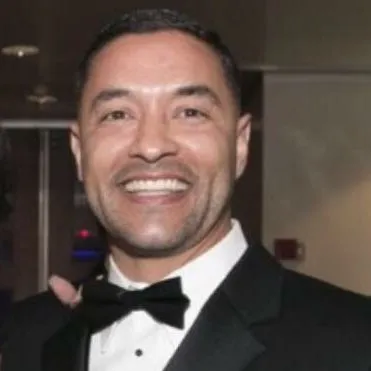
Jose F. Espinoza
Licensed Bail Agent #1841969 · Founder, Espinoza Bail Bonds
Jose F. Espinoza is a U.S. Army veteran, former Military Police officer, and licensed bail agent who founded Espinoza Bail Bonds in 2014. After 25 years of decorated military service, he now brings the same discipline, loyalty, and calm leadership to helping families navigate the bail process. Jose believes in second chances and treats every client with dignity, respect, and compassion.

 Speak to a Bail Agent:
(844) 325-8424
Speak to a Bail Agent:
(844) 325-8424
 Request a Callback: Call
Me
Now!
Request a Callback: Call
Me
Now!
 Other Options:
Contact Us
Other Options:
Contact Us