 Spanish
The Police Bounty Hunter Relationship Explained
Get Someone Out of Jail Fast — 24/7 Help
Reliable, confidential bail bonds available anytime, anywhere in California. We move quickly so you can bring your loved one home.
Get in TouchA licensed bounty hunter has legal powers that might surprise you, including the authority to pursue a fugitive across state lines. But with that power comes immense personal risk and none of the legal protections given to police officers. This distinction is critical; there is no official ‘police bounty hunter’ because the two operate under entirely different legal frameworks. If something goes wrong during an apprehension, a bounty hunter can be held personally and financially liable. Understanding this high-stakes environment is the first step for anyone seriously considering this career. Here, we’ll cover the laws and responsibilities that define this challenging profession.
A career in bounty hunting is exciting, challenging, and rewarding. However, anyone interested in becoming a bounty hunter needs to do their research. They need to know what a bounty hunter is, and they need to know the nature of the job. They also need to know the type of training involved with becoming a bounty hunter. Lastly, any individual who wants to become a bounty hunter needs to understand the laws and legal processes that relate to this job.
What Does a Bounty Hunter Actually Do?
This section will discuss the nature of bounty hunting. It is important to understand the nature of bounty hunting and what a bounty hunter does before considering this career path. If one does not take the time to fully understand the nature of bounty hunting, they might end up spending time and money learning a trade that is not right for them. There is an element of risk involved with working as a bounty hunter, and not everyone is up to the challenge. However, taking the time to consider all aspects of bounty hunting will help each person decide if this is the right path for them. For the right person, becoming a bounty hunter is the start of a long and rewarding career. So, what is a bounty hunter? When an individual uses a bail bond service and does not show up in court, the bail bond service has to pay the court the full cost of the fugitive’s bail. It is the bounty hunters job to find the person and return them to police custody. The bounty hunter will get paid a percentage of the bail after successfully returning the suspect to custody. The pay of a bounty hunter varies by location and the number of fugitives they apprehend.
Official Terminology
While “bounty hunter” is the term most of us recognize from movies and TV, the official titles are a bit more formal. In the legal and professional world, these individuals are known as “bail enforcement agents” or “fugitive recovery agents.” A bounty hunter is essentially a private agent who works for a bail bondsman. Their primary responsibility is to locate and apprehend defendants who have failed to appear for their court date, an act often referred to as “skipping bail.” When this happens, the bail bond agency is at risk of losing the full bail amount to the court, so they hire these agents to ensure the defendant returns to custody and the legal process can continue as planned.
How Bounty Hunters Get Paid
The financial side of bounty hunting is unique and directly tied to performance. Unlike a salaried position, a fugitive recovery agent’s income is based entirely on their success in the field. This commission-based structure means there’s a high potential for reward, but it also comes with significant risk. If an agent doesn’t locate the fugitive, they don’t get paid for their time, effort, or the resources they’ve invested in the search. This payment model ensures that agents are highly motivated and dedicated to closing their cases, as their livelihood depends directly on their ability to successfully track and return defendants to the justice system.
Typical Pay Structure
Most bounty hunters are independent contractors who get paid a percentage of the forfeited bail bond. This commission is typically around 10% of the total bail amount, but it can sometimes be higher depending on the complexity and risk of the case. For example, if a defendant’s bail was set at $50,000 and they fail to appear in court, the agent who successfully returns them to custody would earn $5,000. This payment is only made after the fugitive is apprehended and the bail bond agency is no longer liable for the full amount. This direct, results-driven pay is a major draw for many who enter this challenging profession.
Industry Success Rate
You might think that finding someone who doesn’t want to be found is nearly impossible, but fugitive recovery agents are remarkably effective. The bail bond industry relies on their high level of skill and persistence to function properly. Historically, data shows that bounty hunters successfully locate and apprehend about 90% of all defendants who skip bail. This impressive success rate highlights their importance within the justice system. It demonstrates that they are not just taking a chance but are skilled professionals who use investigation, surveillance, and strategy to ensure that individuals face their legal obligations, helping keep the wheels of justice turning for everyone involved.
Essential Skills for Every Bounty Hunter
This section will discuss the different aspects of bounty hunter training. To perform their job effectively, bounty hunters need to have good tracking and detective skills. It is important for bounty hunters to know how to use a computer and follow a paper trail. These skills are needed to track down and locate the fugitives, and it is important for these skills to be included in bounty hunter training programs. A good bounty hunter training program will also teach surveillance techniques. Surveillance techniques are used to monitor a location and determine the best time to apprehend a fugitive. Lastly, a good bounty hunter training program will include safety and self-defense training. These skills are important; they allow bounty hunters to do their job safely and effectively. Without these skills, a bounty hunter will not be able to perform their job duties. They will not succeed in finding and apprehending fugitives. However, with the proper training, a bounty hunter will be able to locate and capture fugitives.
A Day in the Life of a Bounty Hunter
A bounty hunter’s day is rarely predictable, but it’s more about investigation than constant action. The work begins when they receive an assignment from a bail bond agency to locate a defendant who has failed to appear in court. A significant portion of their time is spent on research—combing through public records, checking online activity, and talking to friends, family, and associates of the fugitive. This detective work is crucial for building a profile and predicting the person’s next move. They also conduct surveillance, often spending hours observing a location. When they finally track the fugitive down, they have the legal authority to make an arrest, which can happen at any time and may even involve entering the fugitive’s private property without a warrant.
Valuable Experience and Education
While you don’t need a specific college degree to become a bounty hunter, a background in criminal justice or law enforcement can give you a significant advantage. This type of education provides a strong foundation in the legal principles that govern the bail bonds industry. Many states also value or require previous experience in law enforcement or the military, as these fields provide hands-on training in investigation, surveillance, and apprehension techniques. In California, the basic requirements are straightforward: you must be at least 18 years old, a U.S. citizen, a resident of the state, and have no felony convictions. Meeting these criteria is the first step toward pursuing the necessary training and licensing for this demanding career.
Staying on the Right Side of the Law
It is important to know the state laws and requirements for becoming a bounty hunter. It is also important to know the legal responsibly of bounty hunters who are performing their duties. Not having a full understand of these laws and requirements could result in legal trouble for any bounty hunter. A proper understand of the legal process, on the other hand, will keep each bounty hunter on the right side of the law. Some states do not allow bounty hunters to a apprehend fugitives, but many do. In the states that allow bounty hunters to apprehend fugitives, licensing and legal requirement significantly vary. Some states do not require any form of licensing. Regardless of the state requirements, each bounty hunter owes it to themselves and those they serve to arm themselves with the proper tools and training to get the job done.
The Legal Landscape of Bounty Hunting
The world of bounty hunting is often dramatized in movies, but the reality is grounded in a complex legal framework that has evolved over centuries. A bounty hunter, or more formally a bail enforcement agent, operates under a unique set of rules that grant them powers beyond those of a private citizen. However, these powers are not unlimited. They are defined by a combination of a landmark Supreme Court decision and a patchwork of state-specific laws. Understanding this legal landscape is essential for anyone involved in the bail process, as it clarifies the roles and responsibilities of everyone from the defendant to the bail bond agent to the bounty hunter tasked with ensuring an appearance in court.
Historical and Legal Basis
The authority of a bounty hunter in the United States stems from an 1873 Supreme Court case, Taylor v. Taintor. This ruling established that when a person is released on bail, they are considered to be in the custody of their bail bondsman. The bondsman, in turn, has the right to reclaim that custody if the defendant fails to appear in court. This decision gives the bondsman—or their appointed agent, the bounty hunter—broad authority to pursue and apprehend a fugitive. Essentially, the bounty hunter acts as an extension of the bail bond company’s right to produce the defendant for their court date, a responsibility companies like ours take very seriously to maintain the integrity of the legal process.
The Powers Granted to Bounty Hunters
Based on the precedent set by Taylor v. Taintor, bounty hunters possess some surprising powers. They can pursue a fugitive across state lines, a right not afforded to law enforcement without an extradition warrant. They are also permitted to arrest a fugitive at any time, day or night, and can even enter the fugitive’s home without a search warrant to make the arrest. These powers are granted because the defendant, by signing a bail bond agreement, has waived many of their constitutional protections against search and seizure in relation to their bail agent. This legal foundation allows bounty hunters to act decisively to return a defendant to custody.
Lack of Police Protections
While their powers of arrest are broad, bounty hunters do not have the same legal protections as police officers. They lack what is known as “qualified immunity,” which shields government officials from liability in civil lawsuits. This means if a bounty hunter injures someone during an apprehension—especially if it’s the wrong person—they can be held personally and financially responsible. This lack of immunity places a huge emphasis on proper training, careful investigation, and absolute certainty before taking action. The high stakes and personal risk involved are a significant part of the job, separating professional bail enforcement agents from reckless amateurs.
State-Specific Regulations
While federal court precedent provides the foundation for bounty hunting, the actual practice is regulated at the state level. Each state has its own set of laws governing the bail bond industry and, by extension, bail enforcement. This creates a diverse legal environment where the requirements to become a bounty hunter can vary dramatically from one state to the next. Some states have strict licensing and training mandates, while others have very few. It’s crucial for anyone in this field to be an expert in the specific laws of the state where they operate.
States Where Bounty Hunting is Banned
Not every state permits commercial bail bonds. A handful of states, including Illinois, Kentucky, Oregon, and Wisconsin, have abolished the practice. In these states, defendants are typically released on their own recognizance or through a government-run pretrial services program. Since there are no commercial bail bond companies to guarantee a defendant’s appearance, there is no legal basis for bounty hunters to operate. This highlights a fundamental difference in judicial philosophy, with these states opting for alternative systems to ensure defendants show up for their court dates.
Strict Requirements in California
California has some of the most stringent regulations for bounty hunters in the country, and these rules became even stricter with the passage of Assembly Bill 2043. To work as a bail enforcement agent here, a person must be at least 18, have no felony convictions, and complete rigorous training. This includes a 40-hour course on the power of arrest (similar to police training) and a 20-hour course specifically on bail enforcement. These strict requirements ensure that when a bail bond company needs to contact a professional to locate a defendant, they are working with someone who is well-trained and understands the law.
International Status of Bounty Hunting
The authority of an American bounty hunter ends abruptly at the U.S. border. The legal powers granted by the U.S. court system are not recognized in other countries. If a bounty hunter pursues a fugitive internationally and attempts to make an arrest on foreign soil, they are not seen as a legal agent but as a private citizen committing a crime. This can lead to severe consequences, including being arrested and charged with serious offenses like kidnapping. For this reason, apprehending fugitives who have fled the country is a matter for international law enforcement and extradition treaties, not private bail enforcement agents.
Bounty Hunters and Law Enforcement
You might think that bounty hunters and police officers would be natural allies, since they both work to take fugitives off the streets. However, their relationship is often complicated and, at times, tense. Law enforcement officers operate under a strict set of procedures, constitutional limitations, and a clear chain of command. Bounty hunters, on the other hand, are private contractors with a financial incentive and a different set of legal rules. This fundamental difference in their roles, training, and oversight can lead to friction and a general lack of cooperation between the two groups.
The Police Perspective
Many police officers hold a critical view of bounty hunters. From their perspective, bounty hunters can sometimes appear to be untrained, overly aggressive, and unprofessional. Law enforcement officers undergo extensive, continuous training on use-of-force policies, de-escalation techniques, and the nuances of constitutional law. They often see bounty hunters as lacking this deep level of preparation, which can lead to dangerous situations for the public, the fugitive, and the bounty hunters themselves. This perception, whether fair or not, shapes how police interact with bail enforcement agents in the field.
Limits on Cooperation
Because of this cautious perspective, police departments generally have policies that limit their cooperation with bounty hunters. While an officer might be present to keep the peace during an apprehension, they will typically not assist in the actual arrest. For example, bounty hunters often expect police to help if a fugitive is injured or to transport the person they’ve arrested, but officers will usually refuse. This is due to liability concerns and departmental procedures. The police cannot take responsibility for a private arrest, meaning bounty hunters are largely on their own once they locate their target.
Is a Bounty Hunting Career Right for You?
While bounty hunting can be a challenging career, it can also be an exciting and rewarding career. The states laws vary when it comes to licensing, training and certification. It is each bounty hunters responsibility to know their local and state laws and to follow them. And while the legal requirements differ from location to location, each bounty hunter should invest in as much training as they can to keep themselves and others safe. Bounty hunting is a vital part of the criminal justice system. Without bounty hunters, the fear of suspects skipping bail would be much higher than it is now. Bail bonds could not exist if the risks were that high. Bounty hunters enable bail bond services to exist, so they help people avoid unneeded jail time.
Frequently Asked Questions
Is being a bounty hunter the same as being a police officer? No, they are two completely different professions. Police officers are government employees who enforce public laws and are protected by qualified immunity. Bounty hunters, or fugitive recovery agents, are private citizens hired by a bail bond company. While they have the authority to arrest a defendant who has skipped bail, they do not have the legal protections of the police and can be held personally and financially liable if an apprehension goes wrong.
How do bounty hunters get paid? A bounty hunter’s income is based entirely on performance. They work on commission, typically earning about 10% of the total bail amount for each fugitive they successfully return to custody. This means if they spend weeks on a case but don’t find the person, they don’t get paid for their time or expenses. Their livelihood is directly tied to their success rate.
What kind of legal power does a bounty hunter really have? Their authority is based on the bail bond agreement the defendant signs. This contract gives the bail bond company—and by extension, the bounty hunter—the right to find and arrest the defendant if they miss their court date. This power is quite broad, allowing them to pursue a fugitive across state lines and enter the fugitive’s private property to make an arrest, all without a warrant.
What does it take to become a bounty hunter in California? California has some of the strictest requirements in the nation. To work as a fugitive recovery agent here, you must be at least 18 years old and have no felony convictions. You also have to complete extensive training, including a 40-hour course on the power of arrest and a separate 20-hour course focused on bail enforcement laws and practices.
What are the biggest risks involved in this job? Beyond the obvious physical dangers of apprehending a fugitive, the greatest risk is personal liability. Bounty hunters are not shielded from civil lawsuits like law enforcement officers are. If they injure someone or damage property during an arrest, they can be sued directly. This lack of legal immunity means there is a huge personal and financial risk in every single case.
Key Takeaways
- Understand the Stakes Before You Start: While bounty hunters have significant authority to make arrests, they don’t have the legal immunity of police officers. You are personally and financially responsible for your actions, so thorough training and careful investigation are non-negotiable.
- Master Your State’s Specific Laws: The rules for bounty hunting change drastically from one state to another. Before pursuing this career, you must become an expert on your local requirements, which can range from strict training and licensing in California to a complete ban in other states.
- Focus on Investigation, Not Just Apprehension: A successful bounty hunter spends far more time on research and surveillance than on physical pursuits. Developing strong detective skills is the key to locating fugitives and ensuring you can operate safely and independently, as police cooperation is often limited.
Related Articles
- How to Become a Bounty Hunter | Espinoza Bail Bonds
- Difference between Bail Agents and Bounty Hunters
- Bounty Hunter Protection | Espinoza Bail Bonds
- Bounty Laws & Bounty Hunters | Espinoza Bail Bonds
- Is a Bail Bond Company Police? Know the Facts
About the Author
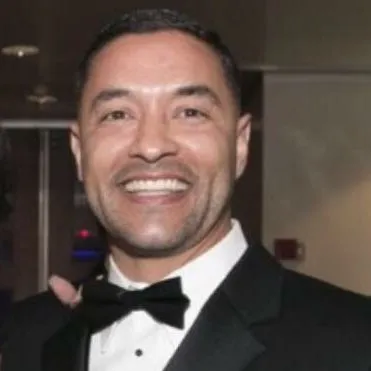
Jose F. Espinoza
Licensed Bail Agent #1841969 · Founder, Espinoza Bail Bonds
Jose F. Espinoza is a U.S. Army veteran, former Military Police officer, and licensed bail agent who founded Espinoza Bail Bonds in 2014. After 25 years of decorated military service, he now brings the same discipline, loyalty, and calm leadership to helping families navigate the bail process. Jose believes in second chances and treats every client with dignity, respect, and compassion.


 Speak to a Bail Agent:
(844) 325-8424
Speak to a Bail Agent:
(844) 325-8424
 Request a Callback: Call
Me
Now!
Request a Callback: Call
Me
Now!
 Other Options:
Contact Us
Other Options:
Contact Us