 Spanish
What Is a Bail Bondsman? A Complete Guide
Get Someone Out of Jail Fast — 24/7 Help
Reliable, confidential bail bonds available anytime, anywhere in California. We move quickly so you can bring your loved one home.
Get in TouchMovies often paint a dramatic, mysterious picture of the bail bond world. But when you’re facing a real-life arrest, you need clarity, not chaos. So, what is a bail bondsman, really? Forget the on-screen fiction. A licensed bail bondsperson is a regulated professional providing a critical financial service, helping families work through the justice system with less stress. This guide will debunk the common myths and give you a clear picture of what to expect. We’ll explain their true role, how fees actually work, and the regulations that protect you. Understanding the truth empowers you to choose the right support.
Key Takeaways
- Bail bondsmen provide a faster, more affordable path to release: Instead of paying the full bail amount in cash, you pay a licensed agent a non-refundable 10% fee, and they post the entire bond to secure a quick release from jail.
- Attending all court dates is the most important responsibility: A bail bond is a promise that the defendant will appear for every hearing; failing to do so results in the bond being forfeited and a new warrant for their arrest.
- Choose a reputable agent by verifying their license and asking questions: A professional bondsman will be transparent about all fees and payment plans, and you can confirm their credentials with the California Department of Insurance to ensure you are protected.
So, What Is a Bail Bondsman?
When you or a loved one is arrested, the term ‘bail bondsman’ comes up fast, but what do they actually do? It can feel confusing, especially when you’re already under a lot of stress. Simply put, a
Their Role in the Legal System
A bail bondsman, also known as a bail agent, serves as a surety for the court. This means they formally promise the court that a defendant will attend all their scheduled hearings. When a judge sets a bail amount that a family can’t afford to pay in full, a bondsman steps in. You pay the bondsman a non-refundable percentage of the total bail, typically 10% in California, and they post the full amount with the court. This service makes getting bail bonds accessible. If the defendant fulfills all their court obligations, the bond is cleared, and the bondsman gets their money back from the court. If not, the bondsman is responsible for paying the court the entire bail amount.
The History and Legal Foundation of Bail
The concept of bail might feel new and overwhelming when you first encounter it, but it’s actually a practice with a long and established history. Understanding where it comes from and the laws that govern it can help demystify the process and show you that it’s a regulated system designed to help, not hinder. The bail industry is built on centuries of legal tradition, all centered on the principle that a person is innocent until proven guilty and shouldn’t be held in jail just because they can’t afford to pay their way out. This foundation ensures that professional bail agents operate within a framework that protects your rights.
From Ancient Times to Modern Practice
The idea of securing someone’s release from custody with a promise is ancient. In fact, agreements for bail have been found on clay tablets from Mesopotamia dating back to around 2750 BC. The modern bail bond industry as we know it has its roots right here in California, with the first bail bond business opening in San Francisco in 1898. This was a pivotal moment that created a formal, accessible system for families. Instead of needing the full bail amount in cash, people could now work with a professional agent. This evolution established the regulated service that companies like Jose Espinoza Bail Bonds provide today, offering a reliable path to getting a loved one home while they await their court dates.
Key Federal Laws Shaping the Industry
The bail system in the United States isn’t arbitrary; it’s guided by fundamental legal protections. The Eighth Amendment to the U.S. Constitution is a critical safeguard, prohibiting “excessive bail.” In simple terms, this means a judge cannot set an unreasonably high bail amount as a form of punishment. The purpose of bail is only to ensure the defendant returns for their court appearances. The Bail Reform Act of 1984 further clarified these standards, emphasizing that a person’s freedom shouldn’t depend solely on their ability to pay. These laws create a framework of fairness and ensure that licensed bail agents are part of a system that respects the rights of the accused from arrest through their final court date.
Are There Different Kinds of Bail Bondsmen?
The practice of using a commercial bail bondsman is almost entirely unique to the United States. In fact, most other countries have made it illegal. Even within the U.S., the rules can vary significantly from one state to another. For example, states like Illinois, Kentucky, Oregon, and Wisconsin have banned commercial bail bonding altogether. In California, however, it is a well-regulated and essential part of the justice system. Bondsmen here are licensed professionals who can secure a release using different forms of collateral, sometimes including property. This flexibility ensures there are options available across the many locations we serve, helping families work through the process according to state law.
The Bail Bond Process: A Step-by-Step Guide
When you or a loved one is arrested, the path to getting out of jail can seem confusing. The bail bond process is a clear, structured system designed for a quick release. It involves three main stages: making the first call, completing the necessary paperwork, and posting the bond at the jail. A professional bail bondsman walks you through every step, handling the complexities with the court so you can focus on what matters most: getting your family member home and preparing for court dates. Think of it as a partnership to get through a difficult time.
Making the First Call: What You Need to Know
Your first step is calling a bail bondsman. This call is all about gathering information so we can act quickly. You’ll need to provide the defendant’s full name, date of birth, and the city or county where they are being held. If you know the bail amount, that’s helpful too, but don’t worry if you don’t; we can find that information for you. After a person is arrested and booked, a judge sets a bail amount to ensure they return for their hearings. Once we have the basic details, we can confirm the bail information and explain the next steps clearly.
Getting Your Paperwork and Collateral in Order
After the initial call, the next step is handling the paperwork. This involves signing a bail bond agreement, which is a contract between you and the bail bond company. You’ll pay a non-refundable fee, known as a premium, which is a percentage of the total bail amount. For larger bonds, collateral like real estate may be required to guarantee the defendant will attend their court dates. We understand this can be a financial strain, which is why we offer flexible payment plans to make the process more manageable for your family.
The Final Steps: Posting Bail for Release
Once the agreement is signed and the premium is paid, your work is done. The bail bondsman takes over from here. We will immediately submit the bond to the jail or court. This bond is a financial guarantee, promising the court that the defendant will appear for all required hearings. After the jail accepts the bond, they begin the release process. The time it takes can vary by facility, but we will keep you updated. Using bail bonds is the fastest way to get someone released from custody while they await their day in court.
How Much Does a Bail Bondsman Cost?
When you’re trying to get a loved one out of jail, the cost is often one of the first things on your mind. The good news is that you don’t have to pay the full bail amount. Instead, you work with a bail bondsman who charges a fee for their service. This fee is a fraction of the total bail, making the process much more affordable for families. Let’s break down exactly what you can expect to pay.
How Bail Bond Fees Are Calculated
In California, the cost for a bail bond is legally set at a standard rate. A bail bondsman typically charges a non-refundable fee of 10% of the total bail amount. For example, if the court sets bail at $20,000, the fee you would pay the bondsman is $2,000. This payment is for the service of posting the full bail amount on your behalf. It’s important to remember this fee is non-refundable, even after the case is over, as it covers the work and risk the bail bond company takes on. The California Department of Insurance confirms this 10% rate, though some minor, necessary expenses might also apply depending on the situation.
State vs. Federal Bond Costs
It’s important to know that the cost of a bail bond can change depending on whether the charges are at the state or federal level. For most state-level offenses in California, the fee is a standard 10% of the total bail amount. However, federal charges are a different story. Because federal cases often involve more complex legal processes and are perceived as having a higher flight risk, the fee for a federal bond is typically higher, usually around 15%. This increased rate reflects the greater responsibility the bail bond company takes on. When you call for help, we will always clarify the jurisdiction and be completely transparent about the associated costs, so you know exactly what to expect from the start.
The Role of Credit in Determining Your Fee
Many people worry that a poor credit score will prevent them from getting a bail bond, but that’s usually not the case. While the 10% premium is standard, your credit history can influence the terms of your agreement, particularly when it comes to payment options. A strong credit history can sometimes mean you need less collateral for a very large bond. However, our main goal is to help families get through this difficult time. That’s why we focus on creating workable solutions, like offering flexible payment plans that fit your budget. Don’t let concerns about your credit stop you from making the call. We are here to find a path forward that works for you and your family.
Can You Use a Payment Plan or Collateral?
We understand that even 10% can be a significant amount of money to come up with on short notice. That’s why many bail bond companies offer help. To make things more manageable, you can often set up flexible payment plans that fit your budget. In some cases, you may also need to provide collateral. Collateral is something of value, like property or a vehicle, that secures the full bail amount. It acts as a guarantee that the defendant will attend all their court dates. Once the case is resolved and all court appearances have been made, the collateral is returned to you. It’s simply a way to secure the bond while you focus on helping your loved one.
What Happens If Someone Misses a Court Date?
Making every court appearance is one of the most important responsibilities after being released using a bail bond. Missing a date, whether by accident or on purpose, sets off a chain reaction with serious legal and financial consequences for both the defendant and the person who co-signed the bond. Understanding what’s at stake can help you make sure every appointment is met.
What Happens to the Defendant?
First and foremost, if a defendant fails to appear in court, the judge will immediately issue a bench warrant for their arrest. This means law enforcement can arrest them on sight. On top of the original charges, they will likely face a new criminal charge for “failure to appear,” which can lead to additional fines and jail time. This new charge complicates the original case and makes it much harder to secure release on bail again in the future. It’s a serious misstep that adds significant legal trouble and can negatively impact the outcome of their case.
Police Response to a Failure to Appear Warrant
Once a judge issues a bench warrant, it is entered into law enforcement databases across California. This means any interaction with an officer—even for a routine traffic stop—will result in an immediate arrest. The defendant is now considered a fugitive. In addition to the police, the bail bond company that posted the original bail bond will also take action to avoid forfeiting the full bail amount. They may hire a licensed bail recovery agent, or bounty hunter, to locate the defendant and return them to custody. This creates a situation where the individual is being sought by both public law enforcement and private agents, making it critical to address the missed court date immediately.
What Happens When Bail Is Forfeited?
When a defendant misses a court date, the court begins the process to forfeit the bail. This means the full bail amount is now owed to the court. Because we posted the bond, our company is responsible for paying it. A bail bondsman loses the money they put up unless the defendant is returned to custody. To recover this loss, we would then turn to the collateral you provided. To prevent this, a bondsman may hire a bail recovery agent to locate the defendant and return them to jail. This is why communication is key; if there’s an issue with a court date, let your bail agent know immediately.
The Role of Bail Recovery Agents
When a defendant misses a court date, the bail bondsman becomes responsible for paying the entire bail amount to the court. To avoid this significant financial loss, the bondsman will hire a bail recovery agent—a professional you might know by the more dramatic term, “bounty hunter.” These specialists are tasked with one specific job: locating the defendant and returning them to custody. Their involvement is a direct consequence of a broken promise to appear in court. By bringing the defendant back, they help the bail bondsman avoid forfeiting the bond and ensure the legal process can continue as intended.
Are Bail Bonds Legal Everywhere?
It’s a common question, and the answer might surprise you: no, commercial bail bonds are not legal everywhere. The practice of using a private company to post bail is almost exclusively found in the United States, and even here, the laws vary significantly from one state to another. For anyone facing an arrest, understanding the local rules is essential.
In California, the bail bond system is well-established and regulated, providing a critical service for individuals and families who need help securing a release from jail. Knowing where these services are available and how they are regulated can give you confidence as you find the right support.
Where Are Commercial Bail Bonds Legal?
The good news for Californians is that the state fully allows commercial bail bonds. Most states across the country have a similar legal framework, making it the most common system for pretrial release in the U.S. This system allows a defendant or their loved ones to pay a small percentage of the total bail amount to a bail bondsman, who then posts the full amount with the court. This makes release from jail much more accessible than having to come up with the entire bail amount in cash. The availability of these services ensures that people can get back to their families and jobs while they await their court dates.
States That Restrict or Ban Bail Bonds
While common, commercial bail bonding is not universal. A handful of states have decided to ban the practice entirely. Currently, commercial bail bonds are illegal in Illinois, Kentucky, Oregon, and Wisconsin. The system has also effectively ended in Massachusetts. In these states, defendants must rely on other options for pretrial release, such as paying the full cash bail directly to the court or participating in state-run pretrial service programs. This difference highlights how fortunate residents of states like California are to have access to professional bail bond services when they need them most.
Bail Bondsperson Licensing: What to Know
In California, the bail bond industry isn’t a free-for-all. It is a highly regulated field overseen by the California Department of Insurance to protect consumers. Every bail agent must be licensed, which involves passing an exam and undergoing a background check. This ensures you’re working with a professional who understands the law.
One of the most important rules to know is that bail agents are not allowed to solicit business. This means they cannot hang around jails or courtrooms to offer their services. A legitimate bail agent must be contacted by the arrested person, their attorney, or a friend or family member. This regulation helps protect you from predatory practices during a stressful time and is a key reason to work with a reputable, established company.
Understanding Criticisms of the Bail Bond System
It’s no secret that the commercial bail bond industry faces its share of criticism. We believe it’s important to be transparent about these conversations so you can feel confident in your decisions. Many legal advocacy groups, including the American Civil Liberties Union (ACLU), have raised valid concerns about fairness. The main argument is that a cash-based bail system can create a two-tiered system of justice: one for those who can afford to pay for their release and another for those who cannot. This debate is a key reason why the industry is, and should be, heavily regulated. It’s also why choosing a reputable, licensed, and ethical company is so important when you need help.
Arguments Against Commercial Bail
The core of the debate centers on whether someone’s freedom before trial should depend on their ability to pay. Critics argue that this system disproportionately affects low-income communities, where even a small bail amount can be an impossible hurdle. This can lead to situations where someone accused of a minor offense remains in jail simply because they can’t afford the bondsman’s fee, while someone facing more serious charges might be released because they have the financial means. These are serious concerns that have fueled calls for reform across the country.
Concerns About Fairness and Equity
Groups like the American Bar Association have pointed out that the commercial bail system doesn’t always align with public safety goals. They argue that release from jail should be based on a person’s risk to the community, not the size of their bank account. The concern is that the system allows individuals with financial resources to secure release regardless of their charges, while others without those resources remain incarcerated. This disparity raises fundamental questions about equal justice under the law and whether the system truly serves its intended purpose of ensuring court appearances without unfairly penalizing poverty.
Calls for Industry Regulation and Reform
Unfortunately, the actions of a few unethical individuals have cast a shadow over the entire industry. There have been documented cases of bondsmen engaging in predatory behavior, which has rightfully led to calls for stricter oversight. This is precisely why states like California have robust licensing requirements and regulations in place. These rules are designed to protect consumers and ensure that bail agents operate professionally and ethically. When you work with a licensed and established company, you are protected by these standards, ensuring transparency and accountability throughout the process.
Alternatives to Commercial Bail Bonds
While using a bail bondsman is often the fastest and most affordable way to secure a release, it’s not the only option available. Understanding all the potential paths can help you make the best choice for your family’s specific situation. Depending on the circumstances of the arrest and your financial resources, you might be able to explore other avenues for getting a loved one out of jail. From paying the court directly to requesting a hearing to lower the bail amount, it’s worth knowing what your alternatives are. Let’s walk through some of the other routes you can consider.
Consulting a Criminal Defense Attorney First
Before making any financial decisions, it’s always a good idea to talk to a criminal defense attorney. An attorney can provide immediate legal advice and may be able to argue for a lower bail amount or even for a release without bail. They understand the local court procedures and can represent the defendant at their initial hearings. While a bail bondsman helps with the financial aspect of release, an attorney focuses on the legal strategy for the case itself. Getting their input early can sometimes open up options you weren’t aware of and is a crucial first step in building a defense.
Other Avenues for Securing Release
Beyond hiring an attorney, there are several other ways to secure a release from custody. These options typically involve either paying the court directly, relying on community support, or being granted release based on a promise to appear. Each path has its own requirements and availability, which often depend on the nature of the charges and the defendant’s history. Exploring these can help you determine if a commercial bail bond is the right fit or if another method is more appropriate for your situation.
Cash and Property Bonds
If you have the financial means, you can pay the full bail amount directly to the court in cash. This is known as a cash bond. The primary benefit is that, as long as the defendant attends all their court dates, the money is returned to you at the end of the case (minus any court fees or fines). Similarly, some courts allow you to use property, like a house, as collateral for a property bond. The downside is that this ties up a significant amount of cash or puts your property at risk until the case is fully resolved, which can take months or even years.
Charitable Bail Funds and Own Recognizance
In some communities, non-profit charitable bail funds exist to help individuals who cannot afford bail. These organizations will post bail on behalf of defendants, often focusing on those with low bail amounts for non-violent offenses. Another option is to be released on your “own recognizance” (OR). This means the judge agrees to release you from jail without any payment, based solely on your promise to return for your court dates. An OR release is typically granted to individuals with strong community ties and who are not considered a flight risk or a danger to the public.
Requesting a Bail Review Hearing in California
If the initial bail amount seems unfairly high, you have the right to challenge it. In California, a defendant can request a bail review hearing, which must be held within five days of the original bail being set. During this hearing, your attorney can present arguments for why the bail should be lowered or why the defendant should be released on their own recognizance. The attorney might highlight factors like strong community ties, a steady job, and no prior criminal history to show that the defendant is not a flight risk. This hearing is a critical opportunity to potentially reduce the financial burden of securing a release.
Common Bail Bondsman Myths, Busted
Thanks to movies and TV shows, there are a lot of wild ideas out there about what bail bondsmen do. The reality is usually much less dramatic and a lot more helpful. When you or a loved one needs support, the last thing you want is confusion. Let’s clear up some of the most common myths so you know exactly what to expect and can feel confident in your decisions. Understanding the facts can make a stressful situation feel much more manageable.
Misconceptions About Fees and Payments
One of the biggest worries people have is the cost. There’s a common myth that using a bail bondsman is prohibitively expensive, but it’s actually designed to be an affordable option. Instead of paying the entire bail amount to the court, you pay a bail bondsman a fraction of that total. In California, this is typically a non-refundable fee of 10%. So, if bail is set at $10,000, you would pay the bondsman $1,000. This service makes it possible for someone to get out of jail without their family having to drain their savings. Reputable companies are upfront about this fee and offer flexible payment plans to make it even more accessible.
How Much Power Does a Bail Bondsman Really Have?
Another myth paints bail bondsmen as having police-like authority. In reality, their role is very specific. A bail bondsman acts as a “surety,” which is a formal way of saying they guarantee the court that the defendant will show up for their required appearances. They take on the financial risk of the full bail amount so you don’t have to. They are not law enforcement officers. Furthermore, licensed bail agents operate under strict ethical rules. For example, they are not allowed to ask for business (solicit). You, your family, or your attorney must be the one to initiate contact, ensuring you are seeking help on your own terms.
How to Choose the Right Bail Bondsman
Finding the right bail bondsman can feel overwhelming, especially when you’re dealing with the stress of an arrest. You need help, and you need it fast. But taking a moment to choose a reputable and professional agent can make a world of difference for you and your family. A good bail bondsman doesn’t just post bail; they guide you through the process with clarity, respect, and compassion. They should be a source of support, not another source of anxiety. To make sure you’re in good hands, you can focus on two key areas: verifying their credentials and asking direct questions about their services. This simple approach helps you partner with someone who is not only legitimate but also a good fit for your needs during a difficult time.
Verify Their License and Reputation
First things first, you need to confirm that the bail bondsman is licensed to operate in California. All legitimate bail agents are regulated by the California Department of Insurance, which sets professional standards and protects consumers. A licensed agent will gladly provide their license number, which you can verify. Be wary of anyone who avoids this question. It’s also a major red flag if an agent approaches you or your family unsolicited at a jail, as this practice is illegal. Beyond licensing, take a few minutes to look up online reviews to get a sense of their reputation and how they’ve treated past clients.
Important Questions to Ask Before You Hire
Once you’ve confirmed they are licensed, it’s time to ask some important questions. A trustworthy bail bondsman will be transparent and ready to explain their process without pressure. Don’t hesitate to ask for specifics before signing any contracts.
Here are a few key questions to get you started:
- What is your exact fee? Is it a flat rate or a percentage of the total bail?
- Are there any other charges or hidden fees I should know about?
- What types of payment plans do you offer?
- What kind of collateral do you accept, if any is needed?
- What are my responsibilities once the bond is posted?
Clear, confident answers to these questions are a great sign that you’re dealing with a professional who is ready to help.
Where to Find Additional Support
Going through an arrest and the subsequent bail process can feel isolating, but you and your family are not alone. A good bail bondsman is a critical part of your support system, guiding you through the initial steps. However, there are other resources available to help you handle the legal and emotional challenges that lie ahead. Knowing where to turn for help can make a significant difference in how you manage the situation.
Legal Aid and Community Services
Your bail bondsman is an expert on securing a release from jail, but they are not a substitute for a lawyer. They play a crucial role in helping you understand your immediate obligations after an arrest. Think of them as your first point of contact for getting through the initial phase of the legal process. For specific legal advice about the case itself, you will need to consult with an attorney. If you are concerned about the cost, many areas have legal aid societies or public defender offices that provide free or low-cost representation. Our team is committed to offering genuine care and support and can help point you toward the right resources in your community.
How to Prepare Your Family for Court
The stress of an arrest extends to the entire family. A professional bail bondsman helps reduce that anxiety by clearly explaining how the process works, what to expect, and what is required from everyone involved. They can answer questions about collateral and ensure your family understands the importance of the defendant appearing at all court dates. This guidance provides peace of mind during a confusing time. Beyond the financial and logistical aspects, emotional support from loved ones is invaluable. If you have questions about how to best support your family member or what to prepare for next, please contact our team. We are available 24/7 to provide the information you need.
Related Articles
- How to Become a Bail Bondsman: The Pros & Cons
- How Much Does a Bail Bondsman Charge? (2026)
- What Is a Bondsman? A Simple Explanation
- How Do Bail Bondsman Make Money? A Simple Guide
- Pros and Cons of being a Bail Bondsman
Frequently Asked Questions
How quickly can you get someone out of jail? We start the process the moment you call us, but the actual release time depends on how busy the jail is. After we post the bond, the jail staff has to complete their own release procedures. This can take a few hours. While we can’t control the jail’s timeline, using a bail bond is the fastest way to secure a release, and we will keep you informed every step of the way.
What if I can’t afford the full 10% fee right away? This is a very common concern, and we are here to help. We understand that an arrest is an unexpected expense. That’s why we offer flexible and affordable payment plans tailored to your financial situation. Our goal is to make the process manageable so you can focus on supporting your loved one without creating a huge financial burden.
When do I get my collateral back? If collateral was used to secure the bond, it is returned to you after the defendant’s case is completely finished. This happens once they have attended all required court dates and the court officially closes the case, releasing the bond. As soon as the court clears our financial obligation, we will promptly return your collateral.
What is my responsibility after co-signing a bail bond? As a co-signer, your primary responsibility is to make sure the defendant appears at all of their scheduled court hearings. You are also financially guaranteeing the full bail amount, so if the defendant misses a court date, you could be held responsible for paying it. The best way to fulfill your role is to stay in touch with the defendant and communicate with us if any issues arise.
Is the information I share with you confidential? Absolutely. We treat all client information with the highest level of privacy and discretion. As licensed professionals, we are bound by strict confidentiality standards. You can feel secure knowing that your personal details and the specifics of your situation will be kept completely private from start to finish.
About the Author
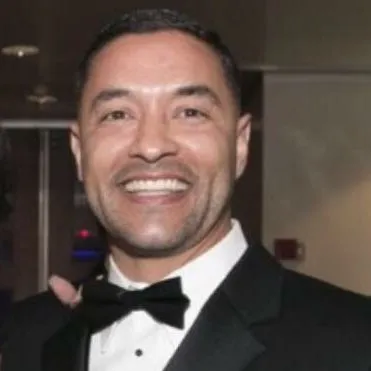
Jose F. Espinoza
Licensed Bail Agent #1841969 · Founder, Espinoza Bail Bonds
Jose F. Espinoza is a U.S. Army veteran, former Military Police officer, and licensed bail agent who founded Espinoza Bail Bonds in 2014. After 25 years of decorated military service, he now brings the same discipline, loyalty, and calm leadership to helping families navigate the bail process. Jose believes in second chances and treats every client with dignity, respect, and compassion.


 Speak to a Bail Agent:
(844) 325-8424
Speak to a Bail Agent:
(844) 325-8424
 Request a Callback: Call
Me
Now!
Request a Callback: Call
Me
Now!
 Other Options:
Contact Us
Other Options:
Contact Us