 Spanish
Understanding Your Right to Bail in California
- in Laws
Get Someone Out of Jail Fast — 24/7 Help
Reliable, confidential bail bonds available anytime, anywhere in California. We move quickly so you can bring your loved one home.
Get in TouchFacing the legal system after an arrest can feel like trying to read a map in a foreign language. One of the most misunderstood parts of this journey is the ‘Right to Bail’. It’s a common misconception that bail is an automatic entitlement. In truth, the Constitution provides a framework to prevent unfair detention, primarily through the Eighth Amendment’s prohibition of excessive bail and the Fourteenth Amendment’s due process clause. These rules don’t guarantee release, but they ensure a fair hearing. Our goal is to translate this complex legal language into clear, understandable information so you feel more prepared for the steps ahead.
You won’t see the right to bail explicitly mentioned in the Constitution. However, the 14th Amendment note that no individual may have his or her life or liberty deprived without first undergoing the due process of law. Put more simply, someone who has been arrested may not be confined for a long time without being charged and subsequently convicted of a given crime. Because of this, the accused during a criminal prosecution is typically entitled to bail. If such an application is made, then a bail hearing must occur to determine whether or not the judge will permit it. If so, and if the accused provides bail money, then he or she will be released until the next court date.
The Constitutional Foundation of Bail
The right to bail isn’t explicitly spelled out in the U.S. Constitution, but it’s strongly supported by two key amendments. These amendments establish the legal framework that prevents indefinite detention and ensures fair treatment for individuals who have been arrested but not yet convicted of a crime. Understanding these protections can help you feel more prepared as you approach the bail process. They form the basis for why a bail hearing must occur and why, in most cases, an individual is given the opportunity to be released from custody until their court date.
The Eighth Amendment: Protection Against Excessive Bail
The Eighth Amendment is a cornerstone of our legal system, specifically protecting individuals from “excessive bail.” This means a judge can’t set bail at an impossibly high amount just to keep someone in jail. The primary goal of bail isn’t to serve as a punishment before a conviction; it’s to ensure the accused can remain free and prepare for their court dates while providing the court with a financial guarantee that they will return. As the Legal Information Institute at Cornell Law School notes, this protection is designed to prevent bail from being used as a tool to deny freedom. If the amount set feels overwhelming, remember that services like bail bonds exist to make the cost more manageable, typically requiring only a fraction of the total bail amount.
The Fourteenth Amendment and Due Process
While the Eighth Amendment tackles the cost of bail, the Fourteenth Amendment focuses on the fairness of the process through its Due Process Clause. This clause states that no one can be deprived of “life, liberty, or property, without due process of law.” In the context of bail, this means that while a judge can deny bail in certain situations—like if the person is considered a flight risk—that decision must follow a fair legal procedure. The UW School of Law clarifies that the Constitution doesn’t grant an absolute right to bail for everyone. Instead, it guarantees the system for granting or denying it is fair. This is why having a supportive team on your side is so important, helping you understand each step with clarity. We are committed to providing that personal support for every family we work with.
Is the Right to Bail Guaranteed for Everyone?
Because the Constitution doesn’t exactly guarantee any kind of right to bail, it ultimately comes down to the state level. For instance, there are some states that have their own laws that require bail to be granted under certain circumstances. In other states, however, the court can consider setting a bond without the accused having to file any motion. If the court doesn’t do so, then the accused can make a request. Getting a bail hearing doesn’t automatically mean the accused can be released. Instead, the hearing helps determine whether or not any bail can be set. In most cases, the accused should have access to bail as long as he or she doesn’t present a flight risk or a threat to society and has not been charged with a capital offense.
When Can Bail Be Denied?
While most people are eligible for bail, it’s not an absolute guarantee. A judge can deny bail under specific circumstances, usually when the defendant is considered a flight risk or a danger to the public. The court will look at the seriousness of the alleged crime, the defendant’s criminal history, and their ties to the community. If the charges are particularly severe, such as for a capital offense, bail is often denied outright. Understanding these exceptions is a critical part of the bail process, as it helps set realistic expectations from the very beginning.
The Bail Reform Act of 1984
The federal Bail Reform Act of 1984 provides a framework that many states, including California, draw upon. Under these guidelines, a judge can deny bail if there’s reason to believe the defendant will flee to avoid trial or poses a danger to society. This often applies to individuals charged with violent crimes, offenses that carry a potential life sentence or the death penalty, or certain serious drug-related crimes. A special hearing is required to determine if someone falls into these categories. If the court finds that the person is not a significant flight risk or threat, they must be offered a chance at release on bail.
Bail After a Conviction
Securing release after being convicted of a crime is significantly more difficult than getting pre-trial bail. For most offenses, bail will be denied unless the convicted person can provide clear and convincing evidence that they are not a flight risk or a danger to the community. The standard is even higher for very serious crimes, like violent felonies or for those with a history of repeat offenses. In these cases, bail is typically denied unless the individual can prove they are not a risk AND that their appeal is likely to succeed or result in a new trial. This high bar reflects the court’s shift in focus from presumed innocence to post-conviction detention.
What Happens Immediately After an Arrest?
Once someone has been arrested for a crime, they’ll either need to remain in custody until the trial begins or until they’ve posted bail. Note that this is not the same thing as a first appearance; the trials can be set months following the date of the arrest.
Your First Court Appearance Explained
The accused’s first appearance is just that: his or her first appearance in front of a judge. In some states, this should occur within 24 hours of the arrest. During this time, the judge takes the time to understand the case and potentially issue bail. In fact, any of the following events can occur:
- The judge may set a monetary bond value for someone arrested as “no bond.”
- The judge can revoke previously granted bonds, reducing the accused to “no bond” status.
- The judge can raise or lower the amount of bond.
- The accused may be released but only under supervision. This means he or she will need to report to designated staff on a regular basis until the case has concluded. This may also include additional conditions such as AA/NA meetings, curfews, random urinalysis, and more.
- The accused may be released based on recognition if they’re well known within the community and pose no risk or threat. In this case, he or she may be trusted to return to the trial without additional responsibility or supervision.
The first appearance is not the same as the arraignment, which is when the accused typically pleads guilty or not guilty.
Factors Judges Consider When Setting Bail
When a judge sets bail, it’s not a random decision. They carefully weigh several factors to determine an appropriate amount, with the main goal of ensuring the defendant returns for future court dates and doesn’t pose a threat to public safety. A judge will evaluate the risk of the person fleeing or being a danger to the community. They consider the severity of the charges, the defendant’s criminal history—including any past failures to appear in court—and their ties to the community, such as family and employment. The specific rules for setting bail can also differ by state. If the judge sets a bail amount that’s too high to afford, it can be an incredibly stressful situation. That’s where companies like ours can step in to help you understand your options and secure a quick release.
How Does Bail Work?
When bail is set, this means a certain amount of money must be provided as a means of insurance between the accused and the court. It can work in one of two ways: – The defendant or a representative on his or her behalf can post a cash bond, in which the entire bond amount is provided. If the accused arrives at every court date, then the person who put up the bond will get the money back, minus any court fees, fines, court costs, and other penalties. – Surety bail bonds are purchased via bail bondsmen. In this circumstance, someone pays the bondsman a set amount, such as 10 percent of the bail, and the bondsman provides the bond to the court. As long as the accused attends all scheduled court dates, no additional payments need to be made. In both cases, if the accused doesn’t appear and skips on his bail, his or her bail is surrendered, and no money is returned. If the accused skips on a bail bondsman’s insurance, then the agent can legally locate and surrender the defendant back to court. Read about faq’s of bail & bonds
What is a Bounty Hunter?
If a defendant uses a bail bondsman but then fails to appear in court, they are considered a fugitive. This is where a bounty hunter comes in. A bounty hunter, also known as a bail enforcement agent, is an individual hired by a bail bondsman to locate and apprehend fugitives who have skipped bail. According to the UW School of Law, they have the legal authority to capture these individuals and return them to the custody of the court. This is the financial protection that allows a bail bond company to post the full bail amount on your behalf for only a small fee. It’s a crucial part of the surety bond process that ensures the defendant upholds their end of the agreement to appear for all court dates.
The Consequences of Not Affording Bail
The period between an arrest and a trial can be long, and the financial amount set for bail is often more than a typical family can afford. When someone can’t pay their bail, they must remain in jail until their trial date. This isn’t just a matter of waiting; it can have devastating effects on a person’s life. Pretrial detention can lead to job loss, as it’s impossible to show up for work from a jail cell. It can cause someone to lose their home and can strain or sever connections with family and friends. The reality is that even if you are later found innocent of all charges, the damage from being incarcerated beforehand can be irreversible. This is why accessing a fast and affordable bail bond service is so critical for protecting your life and livelihood while you await your day in court.
The Social and Economic Impact
The inability to afford bail creates a ripple effect that extends far beyond the individual. It disproportionately impacts low-income individuals and their families, potentially trapping them in a cycle of poverty and incarceration. When a primary earner is jailed, their family loses a source of income, which can lead to housing instability and financial crisis. The stress and separation can have lasting emotional and psychological effects on children and partners. This situation creates a two-tiered system of justice where those with financial resources can return to their lives while awaiting trial, and those without are left behind bars, suffering consequences that have nothing to do with their guilt or innocence.
Criticisms of the Cash Bail System
The cash bail system in the United States faces significant criticism for creating inequalities. Many argue that it essentially means wealthier individuals can purchase their freedom before trial, while poorer individuals cannot, regardless of the charges they face. This raises serious questions about the principle of “innocent until proven guilty.” Furthermore, there are widespread concerns about racial bias within the system, with studies often showing that people of color may face higher bail amounts for similar offenses compared to their white counterparts. These criticisms highlight a fundamental debate about whether a person’s freedom should be tied to their ability to pay, rather than their risk to the community.
Bail Reform and Global Perspectives
Given the criticisms of the cash bail system, there is a growing movement for bail reform across the United States. The core idea behind these efforts is to make the pretrial system fairer and less dependent on a person’s financial status. Reformers advocate for reducing the number of people held in jail simply because they cannot afford bail. They argue that pretrial detention should be reserved for those who pose a genuine flight risk or a danger to public safety, not for those who lack financial resources. This involves exploring alternatives to cash bail and ensuring the system operates more equitably for everyone, which is a goal that aligns with creating a more just legal process from arrest through trial.
The Goals of Bail Reform in the U.S.
The primary goals of bail reform are multifaceted. First, reformers aim to significantly reduce the number of people held in pretrial detention, which helps alleviate overcrowded jails and lessens the devastating personal and economic consequences for defendants. Second, a major objective is to address and correct the racial and economic disparities that are prevalent in the current system. Finally, the movement seeks to ensure that the bail system is fair and just for all individuals, shifting the focus from financial ability to actual risk. This means implementing more evidence-based practices to assess whether a person should be detained or released before their trial.
How Bail Works in Other Countries
Looking at how other countries handle pretrial release offers a different perspective. In many parts of the world, the concept of paying money for freedom is far less common. Instead, bail often involves agreeing to follow a set of rules or conditions. For example, a defendant might be released under the condition that they adhere to a strict curfew, report to a police station regularly, or avoid contact with certain individuals. The emphasis is on ensuring public safety and the defendant’s appearance in court through non-monetary means, which stands in stark contrast to the cash-heavy system used in the United States.
The Uniqueness of the U.S. Bail Bond System
The American system of using commercial bail bondsmen and bounty hunters is exceptionally rare on a global scale. Outside of the United States, only the Philippines uses a similar for-profit bail industry. This unique structure developed to address the challenge of high bail amounts, allowing defendants to pay a smaller fee to a company that then guarantees the full amount to the court. For families across California facing a difficult situation, understanding this system is the first step. Companies like Jose Espinoza Bail Bonds operate within this framework to provide a necessary service, offering a path to pretrial release when paying the full bail amount out-of-pocket is not an option.
Frequently Asked Questions
Is the right to bail guaranteed by the Constitution? Not exactly. The Constitution doesn’t explicitly state that everyone has a right to bail. Instead, the Eighth Amendment protects against “excessive bail,” meaning the amount can’t be set unfairly high just to keep someone in jail. The Fourteenth Amendment ensures “due process,” which means the procedure for granting or denying bail must be fair. So, while you have a right to a fair process, a judge can still deny bail in certain situations.
Why would a judge deny bail? A judge’s primary concerns are public safety and ensuring the defendant returns to court. Bail can be denied if the person is considered a flight risk, meaning they might flee to avoid trial, or if they are seen as a danger to the community. This is often the case for very serious charges, like capital offenses, or if the defendant has a history of missing court dates or committing violent crimes.
What’s the difference between paying cash bail and using a bail bond? If you pay cash bail, you or your family must provide the full bail amount directly to the court. This money is returned at the end of the case, minus any fees or fines, as long as the defendant attends all court dates. With a bail bond, you pay a non-refundable fee, typically a percentage of the total bail, to a bail bond company. The company then posts the full amount for you, guaranteeing your appearance in court. This makes release much more affordable for most people.
What happens if I can’t afford to pay bail? If you cannot afford to pay the bail amount set by the judge, either in cash or through a bail bond, you will have to remain in jail until your trial date. This can have serious consequences, like losing your job or housing, and puts a significant strain on your family, even if you are eventually found innocent. This is why bail bond services are so important; they provide a way to secure your freedom without needing the full cash amount.
Is my first court appearance the same as my trial? No, they are very different. Your first court appearance usually happens within a day or two of your arrest. During this brief hearing, the judge will review the case, and this is often when bail is officially set, raised, or lowered. Your actual trial, where your case is heard and a verdict is reached, will be scheduled for a much later date, sometimes months down the road.
Key Takeaways
- Bail is not an automatic right: The U.S. Constitution does not guarantee bail for every person. Instead, the Eighth and Fourteenth Amendments ensure the process is fair by prohibiting excessive bail and requiring due process, meaning a judge must follow legal procedures when deciding to grant or deny release.
- Judges weigh specific factors: A judge’s decision to grant, deny, or set the amount for bail is based on several key considerations. These include the seriousness of the alleged crime, the defendant’s criminal history, their ties to the community, and whether they are considered a flight risk or a danger to public safety.
- Bail bonds offer a practical solution: When the set bail amount is too high to pay in cash, a bail bond service is a common alternative. By paying a smaller, non-refundable fee (typically a percentage of the total bail), a bail bond company posts the full amount, allowing for a person’s release from jail while they await their court dates.
Related Articles
- The Right to Bail | Espinoza Bail Bonds
- What are prisoner rights & privileges in jail? – Espinoza Bail Bonds
- What Are Bailable Crimes? A Simple Guide
- What Is a Cash Bond? Process, Pros & Refunds | Espinoza Bail Bonds Inc.
- If You’re Found Not Guilty, Do You Get Bail Back?
About the Author
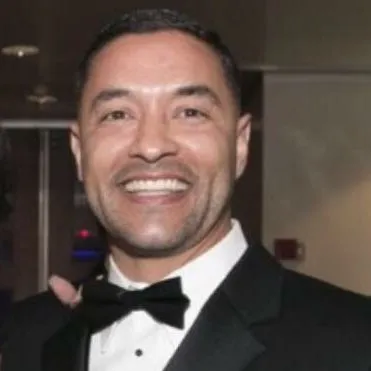
Jose F. Espinoza
Licensed Bail Agent #1841969 · Founder, Espinoza Bail Bonds
Jose F. Espinoza is a U.S. Army veteran, former Military Police officer, and licensed bail agent who founded Espinoza Bail Bonds in 2014. After 25 years of decorated military service, he now brings the same discipline, loyalty, and calm leadership to helping families navigate the bail process. Jose believes in second chances and treats every client with dignity, respect, and compassion.


 Speak to a Bail Agent:
(844) 325-8424
Speak to a Bail Agent:
(844) 325-8424
 Request a Callback: Call
Me
Now!
Request a Callback: Call
Me
Now!
 Other Options:
Contact Us
Other Options:
Contact Us