 Spanish
Am I Responsible If I Bond Someone Out? What to Know
Get Someone Out of Jail Fast — 24/7 Help
Reliable, confidential bail bonds available anytime, anywhere in California. We move quickly so you can bring your loved one home.
Get in TouchWhen someone you care about is arrested, your first instinct is to help. But that leads to a critical question: if I bond someone out am I responsible for them? The short answer is yes, and it’s a bigger commitment than just paying a fee. A licensed bail bondsman isn’t some shady character from the movies; they are a professional partner guiding you through the legal system. This guide explains exactly how does a bondsman work, what your financial obligations are, and gives you the clear facts you need to make an informed decision with confidence.
Key Takeaways
- The 10% Fee Is a Service Charge: In California, you pay a standard, non-refundable 10% premium to the bondsman. This fee covers their service of posting the full bail amount, allowing your loved one to be released without you having to pay the entire sum upfront.
- Co-signing Is a Serious Financial Commitment: When you co-sign a bail bond, you are legally guaranteeing the defendant will appear in court. If they miss a date, you become responsible for paying the entire bail amount to the bondsman.
- A Professional Bondsman Is Always Transparent: A trustworthy agent will be licensed, upfront about all fees, and willing to offer flexible payment plans. Be cautious of anyone who is unclear about costs or pressures you to sign a contract you don’t fully understand.
How Does a Bail Bondsman Work?
When you or a loved one is arrested, the legal system can feel overwhelming. One of the first hurdles is often bail—the amount of money the court requires to release someone from jail until their trial. If that amount is too high to pay out of pocket, a bail bondsman can help. Think of a bail bondsman, or bail agent, as a professional who provides a financial guarantee to the court. They post a “surety bond” on your behalf, which is a formal promise that the defendant will attend all their required court dates.
This service allows the defendant to return home to their family and prepare for their case from outside a jail cell. In exchange for posting the full bail amount, the bail bondsman charges a non-refundable fee. This fee makes securing a release much more attainable for families who don’t have thousands of dollars readily available. At Jose Espinoza Bail Bonds, we provide these professional bail bond services to help people through this difficult time with compassion and speed.
Your Bondsman’s Job, Explained
A bail bondsman is a licensed individual or company that helps defendants get out of jail by paying their bail. When a judge sets a bail amount, it can be a significant financial burden. A bail bondsman steps in to cover this cost for you. They essentially act as an intermediary between you and the court system. Their primary role is to guarantee the defendant’s appearance in court. By posting the bond, they take on the financial risk. If the defendant fails to appear, the bondsman is responsible for paying the full bail amount to the court. This is why they have a vested interest in ensuring the defendant follows through on their legal obligations.
Breaking Down the Bail Bond Process
The bail bond process is more straightforward than it might seem. It generally follows these steps:
- Arrest and Booking: After an arrest, the individual is taken to a local jail for booking, and a judge sets a bail amount.
- Contact a Bail Bondsman: You or a family member will contact a company like ours. We’ll gather some basic information about the defendant and the situation.
- Pay the Fee: In California, the fee for a bail bond is typically 10% of the total bail amount. This is a standard, non-refundable premium for the service. We offer flexible options to make a payment and get the process started quickly.
- Release from Jail: Once the paperwork is complete and the fee is paid, we post the bond with the court, and the defendant is released from custody.
- Attend All Court Dates: The defendant must appear at every scheduled court hearing. As long as they do, the bond is dissolved once the case concludes.
What’s the Real Cost of a Bail Bond?
When you get the call that a loved one has been arrested, one of the first questions that comes to mind is, “How much is this going to cost?” Understanding the cost of a bail bondsman can feel overwhelming, but it’s more straightforward than you might think. The fee you pay is a percentage of the total bail amount set by the court. This fee, known as the premium, is what allows the
In California, this rate is regulated, so you don’t have to worry about wildly different prices from one company to the next. The primary cost is the bondsman’s non-refundable fee. However, many companies understand that this can still be a significant expense, especially when it’s unexpected. That’s why options like payment plans exist—to make the process more manageable for families during a stressful time. When you work with a reputable bondsman, they will walk you through all the costs upfront, ensuring there are no surprises. The goal is to provide a clear path to getting your loved one home without adding financial strain. Our team is always available to explain the bail bonds process and provide a transparent breakdown of the costs involved.
How Fees Are Calculated in California
In California, the standard fee for a bail bond is set at 10% of the total bail amount. This rate is regulated by the California Department of Insurance, which means you can expect consistency across licensed bail bond agencies. For example, if the court sets bail at $30,000, the fee you would pay to the bondsman is $3,000. This 10% premium is the bondsman’s payment for their service—they are taking on the financial risk of posting the full $30,000 to the court to secure the defendant’s release. This fixed rate helps protect consumers and ensures you know exactly what to expect when you start making calls.
Are Payment Plans an Option?
We know that even 10% of a high bail amount can be a challenge for many families to pay all at once. That’s why most reputable bail bond companies offer financing options. Here at Jose Espinoza Bail Bonds, we provide flexible payment plans tailored to your financial situation, often with no collateral required. The goal is to make the process affordable so you can focus on what matters most—supporting your loved one. When discussing payment options, be sure to ask if there are any other potential fees, such as processing or administrative costs, so you have a complete picture of the total expense. A trustworthy agent will always be transparent about all charges from the start.
Which Bail Bond Fees Are Non-Refundable?
It’s important to understand that the 10% premium you pay to a bail bondsman is non-refundable. Think of it as a service fee. The bondsman provides the crucial service of posting the full bail amount with the court, which secures the defendant’s release from jail. Once that service is complete and your loved one is out, the fee has been earned. This is true regardless of the outcome of the case—even if the charges are later dropped or the defendant is found not guilty. The premium covers the risk the bail bond company takes and the work they do to get the process handled quickly and correctly.
What Happens If You Skip a Court Date?
Missing a court date is a serious issue with significant consequences that affect everyone involved in the bail agreement. Once a judge sets a court date, appearing is not optional—it’s a legal requirement. If you or a loved one misses a scheduled appearance, it triggers a chain of events that can complicate the legal situation, create financial hardship, and lead to more trouble. Understanding what happens next is the first step to addressing the problem, whether you are the defendant or the person who co-signed the bond.
What Happens to the Defendant?
When a defendant fails to appear in court, the consequences are immediate and severe. First, the judge will issue a bench warrant for their arrest. This means any law enforcement officer can arrest them on sight. Second, the court will forfeit the bail, meaning the money or bond posted for their release is lost. On top of that, the prosecutor can file a new criminal charge for “failure to appear.” This additional charge carries its own penalties, including fines and potential jail time, and it makes it much more difficult to secure bail bonds in the future. It’s a serious mistake that complicates an already difficult situation.
Immediate Legal Consequences
The moment a defendant misses a court date, the legal system responds swiftly. A judge will immediately issue a bench warrant, which is an active order for that person’s arrest on sight. This means any interaction with law enforcement, even a routine traffic stop, can lead to being taken back into custody. At the same time, the court moves to forfeit the bail. This action means the full bail amount, guaranteed by the bond, is now owed to the court. To make matters worse, prosecutors can file a new criminal charge for “failure to appear.” This charge carries its own penalties, like fines and potential jail time, and makes it much harder to secure a bail bond in the future, adding a serious complication to an already stressful situation.
How Your Bondsman Responds to a No-Show
When a defendant misses a court date, the bail bond company is suddenly at risk of losing the entire bail amount to the court. Because of this financial liability, the bondsman will act quickly. Their first step is usually to contact the defendant and the co-signer to find out why the court date was missed. If the issue can’t be resolved and the defendant doesn’t surrender, the bondsman is legally authorized to find them and return them to custody. To do this, they may hire a fugitive recovery agent (often called a bounty hunter) to track the person down. Our team at Jose Espinoza Bail Bonds always prefers open communication to resolve these issues before they escalate.
The Recovery Period in California
Once a defendant misses court, a clock starts ticking. In California, the bail bond agency has a specific window of time—the recovery period—to find the defendant before they must pay the full bail amount to the court. During this period, the pressure is immense, especially for the co-signer. As the person who guaranteed the defendant would appear, you are now legally responsible for the entire bail amount if the defendant isn’t found. This is when a fugitive recovery agent may be hired to locate the individual and return them to custody. Their goal is to resolve the bench warrant and get the case back on track, which is why immediate communication with your bondsman is so critical to avoid escalating the situation.
If I Bond Someone Out, Am I Responsible for Them?
For the person who co-signed the bail bond, the defendant’s failure to appear creates a major financial problem. As a co-signer, you signed a legally binding contract guaranteeing the defendant would attend all court dates. If they don’t, you become responsible for paying the full bail amount to the bondsman. This is separate from the initial, non-refundable premium you already paid. If you provided collateral—like a car title or property deed—the bail bond company can seize it to cover the forfeited bond. It’s essential for co-signers to stay in communication with the defendant and contact us immediately if they suspect a court date might be missed.
Understanding Your Legal Role as an Indemnitor
When you agree to co-sign for someone, you become the “indemnitor.” This is a formal term for the person who takes on the financial responsibility for the bail bond. By signing the agreement, you are making a legal promise to the bail bond company. You are guaranteeing that the defendant will show up for every single court date required of them. It’s a serious commitment, because if they fail to appear, you are the one on the hook for the full bail amount. This role is crucial for securing someone’s release, but it’s essential to fully grasp the legal and financial weight of your signature before you proceed.
Beyond Court Appearances: Your Full Responsibilities
Your primary job as a co-signer is to ensure the defendant makes it to court, but your responsibilities don’t stop there. You are also expected to help the bail bond agency maintain contact with the defendant. This means keeping track of their whereabouts and notifying the bondsman of any changes to their address or phone number. If you arranged a payment plan for the premium, you are also responsible for making sure those payments are made on time. Open communication is key. If you ever worry that the defendant might miss a court date, you should contact your bail agent immediately to discuss the situation and explore your options.
The Financial and Personal Consequences of a Default
If the defendant fails to appear in court, the consequences are immediate and severe. The judge will issue a bench warrant for their arrest, and the court will forfeit the bail. This means the bail bond company is now required to pay the court the entire bail amount, and they will turn to you to cover that cost. As the co-signer, you are now legally obligated to pay back the full value of the bail bond. If you provided any collateral, such as a car title or property deed, the company can seize it to settle the debt. This can also lead to civil action against you to recover the funds, potentially impacting your credit and financial stability.
Protecting Yourself When Co-signing a Bail Bond
Agreeing to co-sign a bail bond is a significant act of trust and support for someone you care about. However, it’s also a serious financial and legal commitment. Before you put your name on the line, it’s essential to understand the responsibilities you’re taking on and how to protect your own interests. Taking a few precautionary steps can ensure you are making an informed decision, not just an emotional one. This protects both you and the person you are trying to help during a difficult time.
Questions to Ask Before You Sign
Deciding to co-sign for a loved one is a big step, driven by a desire to help. But before you sign any paperwork, it’s crucial to pause and understand the full weight of your commitment. When you co-sign a bail bond, you are entering a legal contract that makes you financially responsible if the defendant misses a court date. You aren’t just helping with the 10% fee; you are guaranteeing the entire bail amount. Ask yourself honestly: Do I trust this person to see this through? Can I afford to pay the full bail if they don’t? A reputable agent, like the team you’ll find when you learn about us, will encourage you to read the agreement carefully and answer every question. It’s your right to be fully informed.
Practical Steps for First-Time Co-signers
If you decide to move forward, there are practical ways to protect yourself. First, have an open conversation with the person you are helping. To secure your own financial risk, you might consider asking them for some form of collateral, like a car title, which you would hold until the case is resolved. This can feel awkward, but it’s a reasonable business arrangement. Always keep copies of every document you sign and maintain clear communication with both the defendant and your bail agent. Knowing the court schedule and checking in regularly can help ensure everything stays on track. This diligence is key to protecting yourself from the financial liability outlined in your payment agreement.
When to Seek Legal Advice
While a bail bondsman can explain the terms of your contract, they cannot provide legal advice. If you have any doubts or feel the situation is particularly complex, it’s wise to speak with an attorney before you co-sign. A lawyer can review the agreement with you and help you fully understand your rights and responsibilities from a legal standpoint. This is especially important if you have concerns about the defendant’s reliability or if you’re putting up significant assets as collateral. Getting professional legal counsel is an extra layer of protection that can provide peace of mind. You can find more helpful information on our blog to guide you through the process.
Is Your Bail Bondsman Legit?
When you’re looking for a bail bondsman, you want to know you’re working with a true professional. The bail bond industry is regulated to protect you, and understanding these requirements can help you choose a trustworthy agent. It’s not just about finding someone who can post bail; it’s about partnering with a licensed expert who operates ethically and legally. Here’s what you need to know about the standards for bondsmen, especially here in California.
What Licenses Should They Have?
Think of a bail bond license as a seal of approval. Most states require bail agents to be licensed to operate legally, and for good reason. This process ensures that the agent has met specific educational requirements, passed a background check, and understands the complex laws surrounding bail. A license is proof that an agent is accountable to a state authority. This regulation is in place to protect you. It guarantees you are working with a professional who is held to high ethical standards and is committed to guiding you through the process correctly. It’s one of the many reasons to work with an established and experienced agency.
How California Regulates Bondsmen
California has some of the most robust consumer protections in the country, and the bail bond industry is no exception. Here, all bail bond agreements must be reviewed and approved by the California Department of Insurance. This oversight ensures that all contracts are fair and that agents are complying with state law. Furthermore, all California bail agents must be licensed professionals. The state also makes a clear distinction in their roles; licensed agents are prohibited from calling themselves “bounty hunters,” which helps clarify their professional function within the legal system. Their job is to provide a financial guarantee to the court, not to operate outside the law.
How to Verify a Bondsman’s Credentials
Before you sign any paperwork or pay any fees, you should always verify that your bail bondsman is properly licensed. This is a simple but critical step to protect yourself. Thankfully, California makes this easy to do. The Department of Insurance provides a public online tool where you can look up an agent or agency by name. By taking a few minutes to check a license online, you can confirm that you are dealing with a legitimate professional whose credentials are in good standing. This small step provides valuable peace of mind and ensures you are placing your trust in the right hands during a difficult time.
How to Choose the Right Bail Bondsman
When you need to get someone out of jail, you’re often making decisions under immense pressure. Choosing the right bail bondsman is one of the most important steps in this process. The right partner will be professional, transparent, and supportive, guiding you through each step with clarity. The wrong one can add more stress and confusion to an already difficult situation. Taking a moment to ask the right questions and look for a few key qualities can make all the difference, ensuring you work with a trustworthy and experienced professional who has your best interests at heart.
Key Questions to Ask Before You Hire
Before you sign any agreement, it’s essential to ask a few direct questions to vet the bail bondsman. First, always confirm they are licensed to operate in California. This is a non-negotiable legal requirement that protects you. Next, get a clear breakdown of their fees. Ask, “What is your exact fee, and are there any other charges I should know about?” A reputable agent will be upfront about the cost. It’s also wise to inquire about their background. An agent who has been in the business for years will understand the local court system and can handle the process efficiently. The experience of our team ensures we can manage your case with professionalism and care.
How to Find a Flexible Payment Plan
The cost of a bail bond can be a significant financial strain, but you shouldn’t have to bear it all at once. Many professional bail bond companies understand this and offer payment plans to make the expense more manageable. When speaking with a potential bondsman, ask directly if they provide flexible payment options. This can allow you to pay the fee over time, easing the immediate financial burden on your family. A company that is willing to work with you on payments is often a sign that they are focused on helping their clients. Be sure to get the terms of any payment plan in writing so you know exactly what to expect.
Red Flags to Watch Out For
While most bail bondsmen are professionals, it’s important to know how to spot the few who aren’t. Be wary of any agent who makes promises that sound too good to be true or who creates unnecessary urgency. A major red flag is a bondsman who misrepresents their authority; remember, they are not law enforcement officers. Another warning sign is a lack of transparency about fees. You should receive a clear contract that outlines all your responsibilities. If an agent is evasive or pressures you into signing something you don’t understand, it’s best to walk away. A trustworthy agent will be happy to provide clear answers.
What to Expect When You Call a Bondsman
Walking into this process for the first time can feel overwhelming, but you don’t have to do it alone. A good bail bondsman will guide you through every step and make sure you understand what’s happening. To help you feel more prepared, let’s go over what you can expect when you work with a bail bonds agent, from the first phone call to understanding the paperwork.
Answering Your Top Questions and Concerns
When you first speak with a bail bondsman, it’s completely normal to have questions. Don’t hesitate to ask them to make sure you’re working with a reliable professional. Start with the basics: Are they licensed in California? What specific locations do they serve? You should also ask about their fees, which are typically a percentage of the total bail amount, and what payment options they offer. A trustworthy agent will be upfront about all costs and processes, ensuring there are no surprises. Getting clear answers will give you the confidence that you’ve found the right support for your family.
What Is Collateral and Will You Need It?
You’ve probably heard the term “collateral,” and it’s a key part of how bail bonds work. Collateral is simply a form of security—like real estate or a car—that you might be asked to pledge to the bail bonds company. This isn’t always required, but it acts as a guarantee that the defendant will attend all their court dates. If they do, you get the collateral back once the case is resolved. The need for collateral often depends on the size of the bail bond and the specifics of the case, so it’s an important point to discuss with your agent from the start.
Understanding Your Contract and Rights
Before you sign anything, it’s crucial to read and understand the bail bond agreement. This is a legal contract that details your responsibilities as a co-signer and the responsibilities of the bail bondsman. The agreement outlines the fees you owe and the conditions of the defendant’s release. It also gives the bondsman the right to locate and return the defendant to jail if they miss a court date. This protects the agent from losing the money they posted on your behalf. If anything in the contract seems unclear, make sure you ask for clarification. We’re always here to walk you through the paperwork, so please contact us with any questions.
Common Myths About Bail Bondsmen
When you’re dealing with an arrest, the world of bail bonds can seem confusing. Misinformation from movies and TV shows doesn’t help, often painting a picture that’s far from reality. Let’s clear up some of the most common myths so you know exactly what to expect and can feel more confident about the process. Understanding the truth can make a stressful situation a little easier to handle.
Myths About Their Fees and Power
One of the biggest misconceptions is about what a bail bondsman actually does and how they get paid. A bondsman isn’t a loan shark or a law enforcement officer. Think of them as a service provider who helps secure someone’s release from jail when the full bail amount is out of reach. They pay the entire bail to the court and, in return, guarantee that the defendant will show up for their court dates.
For this service, they charge a fee. In California, this is typically a non-refundable 10% of the total bail amount. This premium is the bondsman’s payment for taking on the financial risk of the full bail. We offer flexible payment plans to make this fee more manageable for families.
Bail vs. Bail Bonds: What’s the Difference?
People often use the terms “bail” and “bail bond” interchangeably, but they are two different things. Bail is the full amount of money set by the court that must be paid to release a defendant from custody. If you pay this full amount directly to the court, you get it back once the case is over (as long as all court appearances were made).
A bail bond is what you use when you can’t afford the full bail amount. Instead of paying the court, say, $20,000, you pay a bail bond company a smaller fee (like $2,000). The company then posts the full $20,000 with the court on your behalf. Our bail bonds service is designed to make this process quick and straightforward.
What Is a Bondsman’s Real Role?
A bail bondsman plays a specific and important role in the legal process. They act as a bridge between the defendant and the court. Their primary responsibility is to ensure the defendant upholds their end of the agreement by attending all required court hearings. They aren’t there to pass judgment or get involved in the legal case itself.
If a defendant misses a court date, the bondsman is financially responsible for paying the court the full bail amount. This is why they have a vested interest in making sure their clients appear in court. It’s a system of accountability that helps the courts run more smoothly. Our team at Jose Espinoza Bail Bonds is committed to supporting our clients through this process with respect and understanding.
Why Is the Bail System So Controversial?
It’s no secret that the cash bail system is a topic of frequent discussion and debate. For families facing an arrest, understanding these conversations can provide important context for the journey ahead. The system has faced criticism over the years, and there are ongoing efforts to reform it. While the debate involves complex legal and social questions, the core purpose of a bail bond remains simple: to help someone get out of jail while they await their trial. At Jose Espinoza Bail Bonds, we believe in providing clear information and compassionate service, helping you understand your options within the current legal landscape. Our team is committed to offering personal support to every family we work with, ensuring you feel respected and informed from start to finish.
The Question of Affordability and Fairness
One of the main points of discussion is affordability. Critics argue that the bail system can be challenging for individuals with limited financial means. In some cases, people accused of minor offenses with relatively low bail amounts may have trouble securing help, as some bondsmen may not find it profitable to handle smaller bonds. This can lead to individuals remaining in custody simply because they can’t afford to pay. That’s why finding a bail bond company that offers fair and flexible options is so important. We work with families to create manageable payment plans because we believe everyone deserves a fair chance to prepare their defense from home.
Who Profits from the Bail System?
The for-profit nature of the bail bond industry has also drawn scrutiny from legal organizations like the American Bar Association. The main concern is whether a system that involves private companies can be truly fair to everyone, especially those in lower-income brackets. These groups question if the system prioritizes public safety or creates unnecessary financial burdens. While these are valid points in a larger conversation about justice, a professional bail bondsman provides a vital service within the existing legal framework. We help families navigate a confusing and stressful process, ensuring their loved one’s rights are upheld while they await their day in court.
What Exactly Is Bail Reform?
In response to these concerns, there’s a significant movement for bail reform across the country. Groups like the ACLU advocate for alternatives to cash bail, such as pretrial release programs or even simple court date reminders via text message. The goal of these reforms is to reduce the number of people held in jail before trial, particularly for non-violent offenses. While California continues to explore and implement various reforms, the bail bond process remains a primary path to release in many counties. As the laws evolve, working with an experienced bondsman who understands the specific regulations in your area is more important than ever.
Are There Alternatives to Using a Bail Bondsman?
When a loved one is arrested, the main goal is to get them home as quickly and safely as possible. While using a bail bondsman is a common and effective way to do this, it’s helpful to know all the avenues available to you. Depending on the specifics of the case and your financial situation, a few other options might be on the table. Understanding these alternatives can help you make a confident and informed decision during a stressful time.
Paying with Cash or Using a Property Bond
The most direct alternative is paying the full bail amount yourself. Paying cash bail means you or someone on your behalf gives the entire sum to the court. If the defendant makes all their court appearances, that money is returned at the end of the case, minus any court fees. Another option is a property bond, which allows you to use real estate as collateral to secure the release. Both of these methods avoid the fees associated with a bail bond, but they require having a significant amount of cash or property equity readily available, which isn’t feasible for many families.
What Are Pretrial Release Programs?
In some cases, an individual may qualify for a pretrial release program. Pretrial services programs are alternatives to bail that supervise defendants in the community before their trial date. Instead of paying money, the defendant agrees to certain conditions, which could include regular check-ins with a supervising officer, electronic monitoring, or other support measures. These programs are designed to ensure the defendant appears in court without requiring a financial payment. Eligibility is typically determined by the court and depends on factors like the nature of the charge and the defendant’s history.
What Does “Released on Your Own Recognizance” Mean?
The most ideal scenario is being released on your own recognizance. Release on your own recognizance (O.R.) is a legal agreement where a judge allows the defendant to be released without any payment. This decision is based on the defendant’s promise to show up for all future court dates. O.R. is usually granted to individuals who are considered a low flight risk and don’t pose a danger to the community. The judge considers factors like ties to the community, employment history, and the severity of the alleged crime. While it’s the most cost-effective option, it’s entirely at the court’s discretion and isn’t granted in every case.
Related Articles
- How do Bail Bonds Work? Do you get your money back?
- Pros and Cons of being a Bail Bondsman
- Bail Bonds | A Beginner’s Guide – Espinoza Bail Bonds
- Bail Bonds Los Angeles – Process and Requirements
- List of Common Terminology for Bail Bonds
Frequently Asked Questions
Do I get the 10% fee back after the case is over? This is one of the most common questions we get, and it’s important to be clear about it. The 10% premium you pay to a bail bondsman is non-refundable. You can think of it as a service fee for securing the defendant’s release from jail. Once we post the full bail amount with the court and your loved one is released, our service has been completed. This fee is earned regardless of the outcome of the case.
What information do I need to start the bail bond process? To get things moving as quickly as possible, it helps to have some basic information ready when you call. We will need the defendant’s full name and date of birth, the name of the jail where they are being held, and their booking number if you have it. Don’t worry if you don’t have all the details; we can help you find the necessary information to get the process started.
How long does the release process usually take? The timeline for release can vary depending on how busy the jail is, but our goal is always to act fast. Once you complete the paperwork and make a payment, we post the bond with the jail immediately. From there, the release process is in the hands of the jail staff. It can take anywhere from a few hours to a full day, but we stay on top of it and keep you informed throughout the process.
What are my responsibilities if I co-sign for a bail bond? When you co-sign a bail bond, you are taking on a significant financial responsibility. You are legally guaranteeing that the defendant will attend all of their required court dates. If they fail to appear, you become responsible for paying the full bail amount to the bail bond company. Your main role is to stay in contact with the defendant and help ensure they make it to every court appearance until the case is resolved.
What happens to the fee I paid if the charges are dropped? Even if the charges against the defendant are dropped, the 10% premium you paid is still non-refundable. The fee covers the service of getting the person out of jail, which was completed at the beginning of the process. The outcome of the legal case, whether the charges are dismissed or the person is found not guilty, does not change the fact that the bail bond service was provided.
About the Author
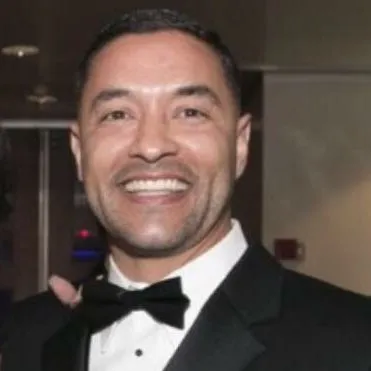
Jose F. Espinoza
Licensed Bail Agent #1841969 · Founder, Espinoza Bail Bonds
Jose F. Espinoza is a U.S. Army veteran, former Military Police officer, and licensed bail agent who founded Espinoza Bail Bonds in 2014. After 25 years of decorated military service, he now brings the same discipline, loyalty, and calm leadership to helping families navigate the bail process. Jose believes in second chances and treats every client with dignity, respect, and compassion.


 Speak to a Bail Agent:
(844) 325-8424
Speak to a Bail Agent:
(844) 325-8424
 Request a Callback: Call
Me
Now!
Request a Callback: Call
Me
Now!
 Other Options:
Contact Us
Other Options:
Contact Us