 Spanish
What Does a Bail Bondsman Charge? A Full Breakdown
- in Bail Bonds
Get Someone Out of Jail Fast — 24/7 Help
Reliable, confidential bail bonds available anytime, anywhere in California. We move quickly so you can bring your loved one home.
Get in TouchGetting the call that a loved one is in jail sends your mind racing. Once the shock wears off, one question takes over: How much will this cost? It’s a normal and crucial question. Getting a handle on the finances is your first step to making a clear plan. You need to know, what percentage do bail bondsman charge? Thankfully, in California, the answer is straightforward because the rate is set by the state. This guide breaks down that fee, what it covers, and the entire process, giving you the information you need to act with confidence.
Key Takeaways
- The 10% Premium is a Non-Refundable Service Fee: In California, the fee for a bail bond is legally set at 10% of the total bail amount. This is the payment for the bondsman’s service and financial risk and is not returned to you, even if the case is dismissed.
- The Bail Amount Dictates Your Final Cost: While the fee is a standard percentage, the actual dollar amount you pay is based on the bail set by a judge. Factors like the seriousness of the charge and the defendant’s history influence this amount and may also determine if collateral is needed.
- Choose a Transparent and Supportive Agent: A trustworthy bondsman offers 24/7 service, flexible payment plans, and answers all your questions without pressure. Always verify their license and look for a professional who will guide you through the entire process.
What Does a Bail Bondsman Actually Do?
When someone is arrested, the time that follows can be confusing and stressful. One of the first things you’ll hear about is “bail,” and right after that, the term “bail bondsman.” So, what exactly do they do? A
The Purpose of Bail: Innocent Until Proven Guilty
It’s easy to think of bail as a form of punishment, but its actual purpose is rooted in a cornerstone of our justice system: the principle that everyone is innocent until proven guilty. Bail isn’t a fine or a penalty. Instead, it acts as a financial guarantee to the court, ensuring that the defendant will show up for their required court appearances. This system allows your loved one to return home, continue working, and actively participate in building their defense, all while their case moves through the legal process. A bail bond makes this possible by securing their release without requiring the family to pay the full, often overwhelming, bail amount upfront.
Your Guide Through the Bail Process
Think of a bail bondsman as a type of insurance agent for the court system. When a judge sets a bail amount, it’s a large sum of money meant to ensure the defendant returns for their court dates. A bail bondsman steps in to help people who can’t pay that full amount. They post the bail on your behalf by providing the court with a surety bond—a legal promise to pay the full bail if the defendant doesn’t show up for their hearings. In exchange for this service and for taking on the financial risk, the bondsman charges a fee. Their primary job is to make pretrial release accessible and guide you through the bail bonds process.
How the Bail Bond Process Works
The bail bond process might seem complicated, but it follows a few straightforward steps. First, after an arrest, a judge sets a bail amount. If that amount is more than you can pay, you contact a bail bondsman. You’ll pay them a non-refundable fee, known as a premium, which is a percentage of the total bail. Once the paperwork is complete and the premium is paid, the bondsman posts the full bail amount with the court. This allows for the defendant’s release from jail. From there, the most important thing is for the defendant to attend all their court dates until the case is resolved. As long as they do, the bond is cleared, and your obligation is complete.
Understanding Your Bail Conditions
Getting out on bail is a huge relief, but it’s important to know that it’s not a free pass. The court will set specific rules, known as bail conditions, that the defendant must follow until their case is over. These conditions are tailored to the specific case but often include things like staying within the state, avoiding contact with certain individuals, or checking in regularly with a law enforcement officer or your bail agent. These rules are non-negotiable. Think of them as part of the agreement that allows for pretrial release. It’s the defendant’s responsibility to understand every single condition and stick to them without exception. We’re here to help you understand these obligations so there are no surprises.
What Happens if You Violate Bail Conditions?
Breaking any of the court-ordered bail conditions has immediate and severe consequences. It’s not a minor slip-up; it’s a serious violation that complicates everything. First, a warrant will be issued for the defendant’s arrest. Once apprehended, the judge will likely revoke the bail, meaning the defendant will stay in jail until their trial. On top of that, the bail bond is forfeited. This means the person who co-signed the bond is now responsible for paying the full bail amount to the bondsman. Violating bail can also lead to new criminal charges, adding more legal trouble to an already difficult situation. The court sees it as a breach of trust, which can negatively impact the outcome of the original case.
How Much Do Bail Bondsmen Charge?
When you get that stressful call, one of the first questions that comes to mind is, “How much is this going to cost?” It’s a completely valid concern, and the answer is more straightforward than you might think. Understanding the cost of a bail bond helps you make a clear-headed decision during a difficult time. In California, the fee structure is regulated, which provides a level of predictability and protection for you and your family. Let’s break down exactly what you can expect to pay and why that rate is the standard across the state.
What Goes Into the Standard 10% Fee?
In California, the fee for a bail bond is set at 10% of the total bail amount. This fee, often called a “premium,” is the non-refundable payment you make to the bail bonds company for their service. For example, if a judge sets bail at $20,000, the bail bond premium would be $2,000. You pay the $2,000 to the bondsman, and they, in turn, post the full $20,000 with the court to secure the release of your loved one. This payment covers the agent’s work and the financial risk they take. Our bail bond services are designed to make this process as simple and affordable as possible.
Why Is 10% the Industry Standard?
That 10% figure isn’t just a random number that bail bond companies came up with. It’s the standard rate because it is regulated by the California Department of Insurance. This state-level oversight ensures that all licensed bail bond agencies operate on a level playing field and protects consumers from being overcharged. Reputable companies will not charge you more than this regulated amount. This standardization provides consistency and transparency, so you know exactly what to expect when you seek help. It’s our commitment to operate with integrity, providing clear, upfront information about all costs involved from the very beginning.
Can I Get My Bail Bond Fee Back?
This is one of the most common questions people ask, and it’s completely understandable to wonder where your money is going during such a stressful time. The straightforward answer is no, the fee you pay for a bail bond is not refundable. This fee, known as the premium, is the cost of securing the service. Let’s walk through exactly why that is and how the process works.
Why Your Bail Bond Fee Isn’t Refundable
When you hire a bail bondsman, the fee you pay is called a premium. Think of it as payment for a professional service, much like you’d pay any other expert for their time and resources. This fee covers the agent’s work in securing a release from jail and the significant financial risk they take on your behalf. Because it’s a fee for services that have been completed, the premium for bail bonds is non-refundable. This is the case even if the charges are later dropped or the person is found innocent. The service—getting out of jail—has already been provided.
So, Where Does Your Money Actually Go?
So, what happens to the money once the case is over? The bail bondsman takes your premium and pays the full bail amount to the court. If the defendant attends all their required court dates, the court returns that full bail amount to the bondsman. The 10% premium is what the bondsman keeps as payment for their work. However, if the defendant fails to appear in court, the bondsman forfeits the entire bail amount to the court. The non-refundable premium helps cover this massive financial risk. It’s the foundation of how the bail bond system works, ensuring accountability while providing a crucial service to families.
Do Bail Bond Charges Vary by State?
When you’re trying to figure out costs, it’s helpful to know that bail bond fees aren’t just pulled out of thin air. In fact, they are often regulated at the state level, which is a good thing for you. It creates a clear and consistent standard across the industry and protects you from being overcharged. This regulation means that instead of having to shop around for the best rate, you can focus on what really matters: finding a reliable, fast, and supportive bail bondsman who can help your family through a difficult time. The rules ensure that no matter which company you call, the premium you pay will be based on a set percentage, giving you one less thing to worry about. Understanding these regulations can give you confidence that you’re being treated fairly during a process that can already feel overwhelming. It puts everyone on a level playing field and lets you focus on the service and support you’ll receive.
A Look at California’s 10% Fee Requirement
In California, the bail bond industry is regulated by the state’s Department of Insurance. This governing body has set the standard premium for a bail bond at 10% of the total bail amount. It’s that straightforward. If a judge sets bail at $30,000, the fee you’ll pay the bail bondsman is $3,000. This 10% rate is the legal maximum, so you can be confident that you won’t be charged more than this for the service. It’s a consistent rule that applies whether you’re in Los Angeles, Sacramento, or any other city in the state, providing clarity and predictability when you need it most.
Comparing Bail Bond Fees Across Different States
While 10% is the standard in California and many other places, it’s important to know that this rate can change if you’re dealing with a case outside of the state. Each state sets its own regulations for the bail bond industry. Some states might have a slightly lower rate, while others could be higher. This fee, often called the premium, is the non-refundable payment for the bail bondsman’s service. It covers the financial risk they take by posting the full bail amount on your behalf, which is their guarantee to the court that the defendant will appear for all their required court dates.
How Local Rules Can Change the Cost
Even though California is a huge state with many different counties, the 10% fee requirement remains the same everywhere. You won’t pay a different percentage in San Diego County than you would in Shasta County. While local courts manage their own procedures, they all operate under the same state law regarding bail bond premiums. What does change from place to place is the importance of working with a bondsman who understands the specific processes of the local jails and courts. Having an agent familiar with the local system can make the release process much faster and smoother for you and your family.
What Factors Affect a Bail Bondsman’s Charge?
While the 10% premium is standard in California, the total bail amount set by the court is the biggest factor in what you’ll pay. A judge considers several things when setting bail, and these same factors can influence the terms of your agreement with a bail bondsman. Understanding them can help you feel more prepared for the process. It’s not just about the fee; it’s about the entire picture of the situation, which helps a bail agent determine the level of risk involved.
How the Charge Severity Affects Your Fee
The nature of the alleged crime is the starting point for any bail amount. A judge will set a much higher bail for a serious felony than for a misdemeanor. This is based on a county bail schedule, which provides a standard range for different offenses. Because the bail bond premium is a percentage of the total bail, a higher bail amount directly translates to a higher fee. For example, 10% of a $10,000 bail is $1,000, while 10% of a $100,000 bail is $10,000. This is why understanding the charges is crucial to estimating the cost of bail bonds.
Does Past History or Flight Risk Matter?
A person’s background plays a significant role in the bail process. If the defendant has a history of missing court dates, the court may see them as a “flight risk” and set a higher bail to ensure they return. From a bail bondsman’s perspective, a lengthy criminal record can also increase the risk. While the 10% fee is set by law, the terms of the agreement might change. For higher-risk situations, a bondsman might require collateral to secure the bond. Our experienced team knows how to handle cases of all types, ensuring a smooth process.
Other Factors a Judge Considers
Beyond the specific charge and a person’s past record, a judge looks at a few other key elements to get a complete picture of the situation. These factors help them decide on a bail amount that is fair and ensures the defendant will return to court. It’s not an exact science, but understanding what goes into the decision can help demystify the process and prepare you for what to expect. These considerations are all about balancing a person’s right to be out of jail before trial with the need to keep the community safe and the justice system moving forward.
Danger to the Community
A judge’s primary responsibility is public safety. Because of this, they will carefully consider whether releasing an individual poses a potential threat to others. If the charges are of a violent nature or if there’s a history that suggests a risk of harm to the community, a judge is likely to set a higher bail amount or, in some cases, deny bail altogether. This isn’t about passing judgment on guilt or innocence but is a practical measure to ensure community safety while the case is pending. The goal is to find a balance that respects the defendant’s rights while protecting the public, which is a core part of the bail bond system.
Current Probation or Parole Status
If your loved one is already on probation or parole for a previous offense, this will be a significant factor in the judge’s decision. Being under this type of court supervision means they have already agreed to follow a specific set of rules, and a new arrest can be seen as a violation of that trust. A judge might view this as an indicator that the person is more likely to miss court dates or reoffend. As a result, they may set a much higher bail or even revoke the original probation or parole, which could keep the person in custody. It adds a layer of complexity to the situation, which is why it’s helpful to contact an expert who understands these nuances.
Strength of the Evidence
A judge will also consider the strength of the evidence presented by the prosecution at the initial hearing. If the evidence against the defendant appears to be very strong, the judge might infer a higher likelihood of conviction. This can lead to the assumption that the defendant has a greater incentive to flee and avoid trial. To counter this perceived flight risk, a higher bail amount may be set. This doesn’t mean the person is guilty, but it is a factor in the court’s risk assessment. The entire process is about ensuring people face their charges, and having an experienced team on your side can make all the difference.
Will My Financial Situation Impact the Cost?
Your financial standing can influence how you secure a bail bond, especially for a very high bail amount. If you own assets like a home, car, or other property, you can offer them as collateral. Collateral is a way to guarantee that the defendant will appear in court. It provides security for the bail agent, who is taking a significant financial risk. Using collateral doesn’t change the 10% premium, but it can make it possible to get a bond that you might not qualify for otherwise. We offer flexible payment plans to make the process more manageable.
Are There Hidden or Additional Fees?
Transparency is key, and it’s important to ask about any potential costs beyond the 10% premium. While the fee itself is regulated, some situations may involve additional charges. These aren’t hidden fees but rather costs associated with the service. For example, there could be minor administrative fees for filing paperwork or travel expenses if the agent has to go to a distant jail. Always ask for a clear, itemized breakdown of all costs upfront so there are no surprises. If you have any questions about potential costs, feel free to contact us 24/7.
Do I Need to Provide Collateral?
The short answer is: maybe. Collateral is something of value—like property or a vehicle—that you temporarily pledge to a bail bondsman to secure a bond. Think of it as a security deposit. It’s not always required, but it’s a common practice, especially when the bail amount is high. The purpose of collateral is to guarantee that the defendant will appear at all their court dates. If they do, you get your collateral back.
This can feel like a big step, but it’s a standard part of the process in certain situations. It protects the bail bond company from the financial loss that occurs if a defendant fails to appear in court. A reputable bail bondsman will walk you through whether collateral is needed for your specific case and explain exactly how it works. The goal is to make the process as clear and stress-free as possible, so you always know what to expect.
Understanding When Collateral Is Necessary
Collateral typically comes into play when the bail amount is particularly high. For a bail set at a few thousand dollars, a signature and the premium payment are often enough. But when the amount climbs into the tens or hundreds of thousands, the financial risk for the bail bond company increases significantly. To manage that risk, they’ll likely ask for collateral.
Other factors can also influence this decision. If the defendant has a history of missing court dates or is considered a flight risk, a bondsman will be more likely to require collateral as an extra layer of security. It’s a way to ensure everyone involved is committed to seeing the legal process through to the end.
What Can You Use for Collateral?
You have a few options when it comes to providing collateral. The most common forms are real estate (like a house or a piece of land) and vehicle titles. In some cases, other valuable assets like jewelry, stocks, or bonds may also be accepted. The item’s value must be high enough to cover the full bail amount if the defendant were to skip their court dates.
The most important thing to remember is that you get your collateral back. As long as the defendant attends all required court appearances and the case is officially closed, any property you pledged will be returned to you. It’s not a payment; it’s a temporary guarantee.
Does Collateral Lower Your Total Cost?
While the standard 10% premium is set by law in California, providing strong collateral can sometimes give you more flexibility. Because it reduces the risk for the bail bond company, they may be able to offer more accommodating payment plans to help you manage the premium. It demonstrates a high level of commitment and financial stability, which is always a positive.
Your overall financial situation also plays a role. Things like a steady job, good credit, and strong ties to the community can all work in your favor when securing a bail bond. These factors, combined with collateral, help a bail bondsman feel confident in taking on your case and working with you to find the best possible arrangement.
What Payment Plans and Support Are Available?
Facing an arrest is stressful enough without worrying about how you’ll manage the financial side of things. A good bail bondsman understands this and provides clear payment options and ongoing support to ease the burden. They work with you to find a manageable solution and guide you through every step, ensuring you feel supported from the first call until the case is resolved.
Finding a Bondsman with 24/7 Service
Arrests don’t stick to a 9-to-5 schedule, and neither should your bail bond agent. Because legal situations can happen at any time, day or night, it’s essential to have access to immediate help. Reputable bail bond companies offer 24/7 service so you can start the release process right away. This around-the-clock availability means a knowledgeable professional is always there to answer your questions and explain the next steps. They know the local court system inside and out, which helps everything move more smoothly. When you need help, you can contact us anytime to speak with an experienced agent.
How Flexible Payment Plans Can Help
Coming up with the full bail bond premium on the spot can be a challenge for many families. That’s why most trusted bail bond companies offer flexible payment plans to make the cost more manageable. Instead of paying the entire fee at once, you can arrange to pay in smaller, regular installments. Often, these plans can be set up with little to no money down and without requiring collateral. The goal is to get your loved one home as quickly as possible without adding unnecessary financial strain. You can even make bail bond payments online, simplifying the process so you can focus on what matters most.
What Kind of Support Should You Expect?
The support you receive shouldn’t end once the bond is posted. A dedicated bail bondsman acts as your partner throughout the legal process, reminding the defendant of upcoming court dates to ensure they don’t miss an appearance. This partnership is key to a successful outcome. If you provided collateral, like a car title or property deed, it will be returned promptly once the case is closed and all obligations have been met. This comprehensive support is what makes using a bail bond service so valuable—it allows the defendant to return to their job and family while preparing their defense, which is much harder to do from jail.
Are There Alternatives to Using a Bail Bondsman?
While using a bail bondsman is the most common and practical way to secure a release from jail, it’s not the only path available. Understanding all your options can help you make the best decision for your specific situation. Depending on the circumstances of the case and your financial resources, there are a few other routes you can explore. Each comes with its own set of requirements and challenges, which is why most people find that working with a professional bail agent offers the fastest and most manageable solution. Let’s look at the primary alternatives so you have a complete picture.
Paying the Full Amount: Cash Bonds
A cash bond is exactly what it sounds like: you pay the entire bail amount directly to the court in cash. This can be done by the defendant, a family member, or a friend. The main advantage here is that, as long as the defendant makes all their court appearances, the full amount is returned to you at the end of the case, minus any court fees or fines. The significant downside, however, is that bail can be set at tens or even hundreds of thousands of dollars. Most families simply don’t have that amount of cash available, which is why bail bond services exist—to make release accessible without requiring you to liquidate your savings.
Using Property as Collateral: Property Bonds
Another option is a property bond, where you use real estate as collateral to cover the full bail amount. To do this, the equity in your property must be worth at least the bail amount, and often courts require it to be double the value. While this might seem like a good alternative if you own a home, it’s a very slow and complicated process. It involves getting an appraisal, filing a lien with the court, and handling a lot of legal paperwork. This can take weeks or even months, during which time your loved one remains in jail. In contrast, a bail bondsman can typically secure a release in a matter of hours.
Release on Your Promise: Own Recognizance (OR) and Signature Bonds
In some cases, a judge may grant a release on “Own Recognizance” (OR). This means the defendant is released without having to pay any money, based solely on their written promise to return for all court dates. This option is typically reserved for individuals with no prior criminal record who are charged with minor, non-violent offenses and have strong ties to the community, like a steady job and family. An OR release is entirely at the judge’s discretion and is not an option for most serious charges. It’s the ideal scenario, but unfortunately, it’s not one that applies to most situations.
When Bail Bonds Aren’t an Option
While bail bonds are the solution for the vast majority of criminal cases in California, there are specific situations where they cannot be used. These exceptions are usually determined by a judge and are based on the specifics of the case, the defendant’s history, or the jurisdiction where the crime occurred. It’s important to know about these scenarios so you can understand the full scope of the legal process. In these instances, the path to pretrial release is much more restricted, highlighting just how valuable the service of a bail bondsman is in typical cases.
Cash-Only Bail Orders
A judge has the authority to issue a “cash-only bail” order. This means the full bail amount must be paid directly to the court in cash, and the use of a surety bond from a bail bondsman is not permitted. This is usually done when the defendant is considered a very high flight risk, has a history of failing to appear in court, or if the judge suspects the funds for a bond premium might come from illegal activities. A cash-only order places the entire financial burden on the defendant and their family, making it much more difficult to secure a release.
Federal and Immigration Cases
The rules for federal and immigration cases are completely different from those in California state courts. The federal court system does not use commercial bail bond companies. If a judge grants bail in a federal case, it typically must be secured with the full cash amount or by pledging property directly to the court. Similarly, immigration bonds are a separate, highly specialized process. Our expertise at Jose Espinoza Bail Bonds is focused on navigating the California state and local court systems across our many service areas to get people home quickly.
Certain Serious Charges
For some of the most serious crimes, such as murder or other violent felonies, a judge may decide to deny bail altogether. This can also happen if the defendant is considered a significant danger to the community or has a long history of serious offenses. In these situations, the defendant is “remanded without bail” and must remain in custody until their trial is complete. When no bail is set, there is no opportunity to post a bond. This is reserved for the most extreme cases, as the legal system generally favors pretrial release whenever possible.
Let’s Bust Some Bail Bond Fee Myths
When you’re dealing with an arrest, the last thing you need is confusion about money. The bail bond process can seem complicated, and there’s a lot of misinformation out there, especially when it comes to fees. Let’s walk through some of the most common myths so you can move forward with a clear understanding of the costs involved and what to expect. Knowing the facts helps you make the best decision for your family during a stressful time.
Myth #1: You’ll Get Your Fee Back
One of the biggest misconceptions is that the money you pay a bail bondsman is a deposit that you’ll get back once the case is over. This isn’t the case. The fee you pay—typically 10% of the total bail amount—is a non-refundable premium. Think of it as a service fee. You are paying the bail bond company for taking on the full financial risk of the bail amount with the court. In exchange for this fee, they post the entire bond, guaranteeing the defendant’s appearance at all required court dates. This premium is earned by the agent for providing this service, regardless of whether the charges are later dropped or the defendant is found innocent.
Myth #2: A Bail Bond Is Just a Loan
While a bail bond company helps you cover a large expense, the premium you pay isn’t a loan in the traditional sense. You aren’t borrowing money that you have to pay back over time. Instead, you are paying a one-time, non-refundable fee for a professional service. This fee covers the agent’s work and the significant financial risk they assume on your behalf. Unlike a personal loan, you don’t get the principal (the 10% fee) back after you’ve paid it. Our team at Jose Espinoza Bail Bonds offers flexible payment plans to make this fee manageable, but it’s important to understand it’s a final cost for securing a release from jail.
Myth #3: Bail Is a Form of Punishment
It’s easy to see a high bail amount and think of it as a form of punishment, but that’s not its purpose. Bail is simply a tool the court system uses to ensure a defendant returns for their scheduled hearings. It’s a financial guarantee of appearance, not a penalty or a fine for the alleged crime. Judges don’t pick bail amounts at random; they follow specific guidelines based on the severity of the charge, the defendant’s criminal history, and whether they are considered a flight risk. Understanding that bail is about assurance, not punishment, can help clarify the role that bail bonds play in the legal process.
Should You Call a Lawyer Before a Bail Bondsman?
When you get the call that a loved one is in jail, your first instinct is to do whatever it takes to get them out as fast as possible. For most people, that means immediately searching for a bail bondsman. While that’s a crucial step, there’s another call that might be even more important to make first: the one to a criminal defense attorney. It might seem counterintuitive when your goal is a quick release, but contacting a lawyer first can sometimes save you time, money, and stress in the long run. Let’s explore why this strategic first move can make a significant difference for the entire case.
How a Criminal Defense Attorney Can Help with Bail
A criminal defense attorney’s job starts the moment you hire them, and they can play a vital role in the bail process. While a bail bondsman facilitates a release based on the set bail amount, a lawyer can actually influence that amount. An attorney can attend the first court appearance, known as the arraignment, and argue for a lower bail or even for the defendant to be released on their “own recognizance” (O.R.), which means no bail money is required at all. They can present arguments about the defendant’s ties to the community, their work history, and other factors that show they are not a flight risk. This is a critical advantage that only a legal professional can provide.
Making the Right Financial Decision for Your Case
Here’s the bottom line: the 10% premium you pay a bail bondsman is non-refundable. If a lawyer successfully gets the bail amount reduced or eliminated, you save that money, which can then be used for legal defense fees. Investing in a strong legal defense is the most important part of handling a criminal case. While a bail bond service is essential when bail is set and must be paid, exploring your legal options first is a smart financial decision. A trustworthy bail bond company understands this and wants what’s best for you and your family. Our team is always ready to help when you need us, but we also support you in making the most informed choices for your situation, reflecting our commitment to genuine care and support.
How to Choose the Right Bail Bondsman
Finding the right bail bondsman during a stressful time can feel like a monumental task. You need someone who is not only fast and reliable but also transparent and supportive. The right partner will guide you through the process with clarity and respect. Here’s how to make sure you’re choosing a professional you can trust.
Key Questions to Ask Any Bail Bondsman
Before you sign any agreement, it’s important to ask a few direct questions. A reputable bail bondsman will be happy to answer them and will never make you feel rushed. Think of this as a quick interview to ensure they’re the right fit for your situation.
Start by asking for a complete breakdown of all potential costs. A trustworthy agent will be upfront about their 10% premium and any other possible expenses. Ask, “Are there any other fees I should be aware of, like processing fees or late fees?” This helps you avoid surprises later on. You can also inquire about payment options. Many companies, including ours, offer flexible payment plans to ease the financial burden. Finally, ask about their experience and licensing to confirm you’re working with a qualified professional.
Warning Signs of a Bad Bail Bondsman
Just as there are signs of a great bail bondsman, there are also red flags that should give you pause. Your intuition is a powerful tool, so if something feels off, it probably is. One of the biggest warning signs is a lack of transparency. If an agent is vague about their fees or avoids answering your questions directly, it’s best to walk away. High-pressure sales tactics are another major red flag. You should never feel forced into making a decision on the spot.
Another critical step is to verify that the bail bondsman is licensed in California. An unlicensed agent is operating illegally and cannot provide legitimate bail bond services. A professional company will proudly display its license number and credentials. At Jose Espinoza Bail Bonds, we’ve built our reputation on trust and transparency since 1999, and we believe you should feel completely comfortable and supported from your very first call.
Simple Steps to Compare Your Options
If you have time, it’s a good idea to call a few different bail bond companies to compare their services. As you speak with them, pay attention to more than just the fee. Consider their level of professionalism, their willingness to answer your questions, and their knowledge of the local court system. An experienced bondsman will understand the specific procedures in your area, which can make the process smoother and faster.
Look for a company with a strong local presence and positive community feedback. A long history of serving areas like yours shows stability and a deep understanding of the local legal landscape. The right choice isn’t just about getting out of jail—it’s about partnering with someone who will help you understand your obligations and support you until the case is resolved.
Related Articles
- How to Become a Bail Bondsman: The Pros & Cons
- If I Bond Someone Out, Am I Responsible for Them?
- 7 Types of Bonds for Jail: A Complete Guide
- Bondsman Bail 101: A Complete Guide
- What Is a Bail Bondsman? Your Complete Guide
Frequently Asked Questions
What happens to the money I pay if the charges are dropped? This is a very common question, and it’s important to be clear on this point. The fee you pay to a bail bondsman is non-refundable, even if the case is ultimately dismissed. The reason is that the fee is payment for a service that has already been completed: securing the defendant’s release from jail. The bondsman took on the full financial risk with the court, and the premium covers that service and risk, regardless of the case’s outcome.
Is the 10% bail bond fee negotiable in California? In California, the 10% premium is the standard rate set by the Department of Insurance. This regulation is actually in place to protect you, ensuring that all licensed companies operate fairly and transparently. A reputable and professional bail bondsman will not charge more than this amount. Instead of looking for a different rate, your focus should be on finding an experienced agent who offers excellent service and support.
Will I definitely need to provide collateral to get a bail bond? Not necessarily. Collateral, which is something of value like property or a vehicle title, is not required for every bond. It is typically requested in situations where the bail amount is very high or if the case is considered higher risk. For many smaller bonds, a signature and the premium payment are all that’s needed. An experienced agent will assess your specific situation and clearly explain if collateral is needed.
What if I can’t afford the entire 10% fee at once? It’s completely understandable that coming up with the full premium on short notice can be difficult. That’s why most trusted bail bond companies offer flexible payment plans. These plans allow you to pay the fee in smaller, more manageable installments, often with little to no money down. The primary goal is to get your loved one home quickly without creating a major financial crisis for your family.
Besides the fee, what other support does a bail bondsman provide? A great bail bondsman is more than just a financial resource; they are a partner in the process. Their support continues long after your loved one is released. This includes providing helpful reminders for all upcoming court dates to ensure nothing is missed, which is critical for keeping the bond in good standing. They also serve as a knowledgeable guide who can answer your questions and help you understand your obligations until the case is fully resolved.
About the Author
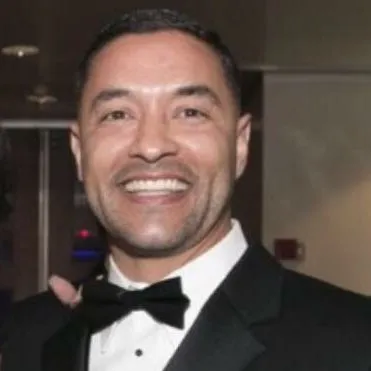
Jose F. Espinoza
Licensed Bail Agent #1841969 · Founder, Espinoza Bail Bonds
Jose F. Espinoza is a U.S. Army veteran, former Military Police officer, and licensed bail agent who founded Espinoza Bail Bonds in 2014. After 25 years of decorated military service, he now brings the same discipline, loyalty, and calm leadership to helping families navigate the bail process. Jose believes in second chances and treats every client with dignity, respect, and compassion.


 Speak to a Bail Agent:
(844) 325-8424
Speak to a Bail Agent:
(844) 325-8424
 Request a Callback: Call
Me
Now!
Request a Callback: Call
Me
Now!
 Other Options:
Contact Us
Other Options:
Contact Us