 Spanish
What Can a Bail Bond Agent Legally Do?
- in Bail Bonds
Get Someone Out of Jail Fast — 24/7 Help
Reliable, confidential bail bonds available anytime, anywhere in California. We move quickly so you can bring your loved one home.
Get in TouchThanks to movies and TV, the line between a bail agent and a police officer can seem incredibly blurry. It’s easy to get the wrong idea, especially when you’re already dealing with the stress of an arrest. Let’s clear things up right away: a bail bond agent is not a police officer. They are a private professional whose authority comes from a legal contract, not a badge. Their job is to provide a financial service that helps your family, not to enforce public laws. Understanding this difference is crucial, as it defines your rights and sets clear expectations.
Key Takeaways
- Bail Bonds Make Freedom Affordable: Instead of paying the full, often high, bail amount, a bail bond company allows you to secure a release for a small, non-refundable fee, making the process financially manageable for your family.
- Agents Are Private Professionals with Limited Power: A bail agent is not a police officer, and their authority is strictly defined by the bail agreement. They can only apprehend a defendant who has violated that specific contract by missing a court date.
- Always Verify an Agent and Know Your Rights: You have the right to ask for a bail agent’s state-issued license to confirm their identity. If you feel an agent has acted improperly, you can file a complaint with the California Department of Insurance, which regulates the industry.
So, What Is a Bail Bond Company?
When you or a loved one is arrested, the legal system can feel overwhelming and confusing. One of the first terms you’ll likely hear is “bail,” and right after that, you might hear about a bail bond company. So, what is it? Simply put, a bail bond company, sometimes called a bail bondsman or bail agent, is a business that helps people get out of jail while they await their court dates. Think of us as a trusted partner who can step in during a stressful time to provide a financial guarantee to the court on your behalf. This guarantee, known as a bail bond, is a promise that the defendant will show up for all their required court appearances.
Instead of you having to pay the full, often very high, bail amount set by the judge, a bail bond company covers it for you. This makes the process much more manageable. We are licensed professionals who work within the legal system to facilitate this process, making release from custody much faster and more affordable. Our team at Jose Espinoza Bail Bonds has been helping families across California since 1999, offering support and guidance from the moment of arrest through the final court date. We understand what you’re going through, and our goal is to provide a clear path forward with compassion and respect.
How They Secure Someone’s Release
A bail bond company’s main job is to act as an intermediary between you and the court. When a judge sets bail, we post a bond for the full amount, securing the defendant’s release. In return for this service, you pay us a non-refundable fee, which is typically a small percentage of the total bail amount—in California, it’s usually 10%. This makes getting out of jail financially possible for many families who don’t have thousands of dollars readily available. We handle the paperwork and work directly with the jail and court system to speed up the release process, often getting people home in just a few hours. Our bail bond services are available 24/7 to answer your questions and get things moving immediately.
Standard Fees vs. Federal Charges
The fee you pay a bail bond company is how we’re able to post the full bail amount for you. For most state-level charges in California, this fee is a standard, non-refundable 10% of the total bail. For example, if bail is set at $20,000, you would pay us $2,000. However, the cost can differ for federal charges. Because federal cases are often more complex and carry a higher risk, the fee is typically 15% of the bail amount. It’s important to know which type of charge you’re dealing with so you can understand the costs upfront. At Jose Espinoza Bail Bonds, we believe in complete transparency and offer flexible payment plans to help manage these costs without adding to your stress.
Using Property as Collateral
In some situations, particularly when the bail amount is very high, a bail bond company may require collateral in addition to the standard fee. Collateral is a form of security to ensure the defendant appears at all their court dates. This can be a valuable asset, such as a piece of real estate. If you use your home as collateral, you are essentially putting up your property as a guarantee. Should the defendant fail to appear in court, the bail bond company has the right to take ownership of the property to cover the full bail amount that it forfeits to the court. This is a serious commitment, and it’s not required for every case. We always work with families to explore all options first, so feel free to contact us to discuss your specific situation.
Their Role in the Justice System
The system of commercial bail bonds is a unique feature of the justice system, found almost exclusively in the United States. Bail bond companies play a specific and important role by taking on the financial risk for the court. When we post a bond, we are guaranteeing that the defendant will fulfill their legal obligations. If they fail to appear in court, we are responsible for paying the full bail amount to the court. This responsibility is why we work closely with defendants and their families to ensure they are aware of all court dates. This system helps manage the court’s caseload and ensures that defendants, who are presumed innocent until proven guilty, can return to their families and jobs while awaiting trial. We serve communities across many California locations.
The Bail Bond System: A Brief Overview
The bail bond system can seem complex, but understanding its structure is the first step toward feeling more in control. At its core, it’s a system designed to ensure that a defendant appears for their court dates while allowing them to remain free during the legal process. While the concept of offering a guarantee for someone’s return has ancient roots, the modern commercial bail bond industry as we know it has a distinct American history. It operates as a partnership between private companies and the court system, providing a crucial service that makes pretrial release accessible to more people. This overview will walk you through its origins, how it compares to global practices, and the regulations that shape it today.
Historical Roots in the U.S.
While agreements similar to bail have existed for thousands of years, the commercial bail bond business is a uniquely American innovation. The very first modern bail bond company was established right here in California, in San Francisco back in 1898. This model was created to solve a growing problem: as bail amounts became too high for the average person to afford, many were stuck in jail simply because they lacked the funds for release. Bail bond companies emerged to fill this gap, offering a financially viable alternative. By paying a small fee to a bail agent, a defendant could secure their freedom, return to their family and job, and prepare for their case from home instead of behind bars.
How the U.S. System Differs Globally
One of the most surprising things to learn about the bail bond industry is that it is almost exclusively found in the United States. Most other countries have made the practice of commercial bail bonding illegal, relying instead on different systems to ensure defendants appear in court. These alternatives often involve the court directly accepting a deposit (sometimes refundable) or releasing defendants on their own recognizance with specific conditions. This makes the role of a bail bond company a distinct feature of the American justice system. It highlights a different approach to pretrial release, one that relies on private enterprise to take on the financial risk for the courts and help defendants exercise their right to be presumed innocent until proven guilty.
State-by-State Regulations
Just as laws vary from one state to another, so do the regulations governing bail bonds. The industry is not federally regulated, meaning each state sets its own rules. In fact, commercial bail bonding is illegal in states like Illinois, Kentucky, Oregon, and Wisconsin. However, in California, the industry is well-established and highly regulated by the Department of Insurance to protect consumers. This is why it’s so important to work with a licensed, reputable, and experienced company. At Jose Espinoza Bail Bonds, we have been navigating California’s legal landscape since 1999, ensuring every step of the process is handled professionally and in full compliance with state law across all our service areas.
The Debate Around Commercial Bail
While the bail bond system provides an essential service for countless families, it’s important to acknowledge that it is also the subject of ongoing debate. Various legal organizations and advocacy groups have raised questions about its fairness and overall impact on the justice system. The core of the discussion often centers on whether a person’s freedom before trial should be connected to their financial standing. Understanding these different perspectives can provide a fuller picture of the system’s role and the conversations happening around potential reforms. These debates touch on everything from equal access to justice to the effectiveness of the system in ensuring public safety and court appearances.
Perspectives from Legal Organizations
Several major legal groups in the U.S., including the American Bar Association, have expressed opposition to the commercial bail bond system. Their primary argument is that it can create an unfair system where two people accused of the same crime might have different outcomes based on their ability to pay a fee. Critics suggest that this can disproportionately affect low-income individuals and families, who may not have the resources to afford a bond, even at a 10% premium. These organizations often advocate for alternative systems, such as risk-assessment tools and supervised release programs, which they believe are more equitable and still effective at ensuring defendants return to court.
Concerns About Fairness and Equity
The central concern raised by groups like the American Civil Liberties Union (ACLU) is that the commercial bail system can lead to wealth-based detention. In other words, an individual might remain in jail not because they are a flight risk or a danger to the community, but simply because they cannot afford the bail bond premium. This situation can have devastating consequences, leading to job loss, housing instability, and immense stress on families. We see this financial strain firsthand, which is why we are committed to providing flexible payment plans and working with every client to find a solution that fits their budget. Our goal is to ensure that financial hardship doesn’t stand in the way of someone’s freedom.
Challenges with Low Bail Amounts
It might sound strange, but sometimes having a very low bail amount can create its own set of problems. For minor offenses, a judge might set bail at a few hundred dollars. Because a bail agent’s fee is a percentage of that total, the fee for a very low bail amount might not be enough to make the transaction profitable for the bondsman, considering the time, paperwork, and risk involved. This can result in individuals charged with minor crimes remaining in jail because they can’t find an agent to help them, even if they could afford the small fee. It’s a flaw in the system that highlights the need for compassionate and dedicated service, where helping people is the top priority.
Are Bail Bond Agents and Police Officers the Same?
It’s a common question, and the confusion is understandable, especially during a stressful time. The short and simple answer is no, bail bond agents are not police officers. While both can be involved in the justice system, their roles, powers, and responsibilities are completely different. A police officer is a government employee sworn to enforce public laws. A bail bond agent, on the other hand, is a private citizen working for a company, like ours at Jose Espinoza Bail Bonds.
Our job is to provide a financial service that allows someone to be released from jail while they await their court dates. We operate under a contract between the defendant, their family, and our company. This distinction is crucial because it defines the boundaries of what an agent can and cannot do. Think of us as a specialized financial service provider that works within the legal system, not as an enforcement arm of it. Our goal is to help you and your family through the bail process, not to act as law enforcement.
What Is a Bail Agent’s Legal Standing?
To be clear, bail bond agents are private contractors, not public servants. We aren’t employed by the state, county, or any city police department. Instead, we are licensed professionals who work for a bail bond agency. Our authority doesn’t come from a badge but from the legal agreements signed when a bail bond is posted. This contract gives us the legal right to ensure the defendant appears at all their required court hearings. If they don’t, it’s our financial responsibility to pay the full bail amount, which is why we have a vested interest in the defendant’s compliance.
Bail Agent vs. Police Officer: Key Differences
The most significant difference between a bail agent and a police officer lies in their authority. Police officers have broad powers to investigate crimes, make arrests for any suspected criminal activity, and enforce public laws. A bail agent’s power is much more limited and is tied directly to the bail bond contract. We can only legally detain a defendant who has skipped bail—a person who is considered a “fugitive” from the court because they failed to appear. We cannot arrest people for other crimes or conduct unrelated investigations. Furthermore, agents must use “reasonable force” and are not permitted to harass or threaten defendants.
What Training Does a Bail Agent Need?
While police officers go through extensive academy training covering a wide range of laws and enforcement tactics, the training for bail agents is specific to our industry. In California, for example, a prospective bail agent must complete 20 hours of pre-licensing education and pass a state exam. They also undergo a criminal background check to ensure they are fit for the role. This training covers the laws and regulations related to the bail industry, contract law, and the procedures for apprehending a defendant who has failed to appear in court. It ensures we provide professional and lawful bail bonds services to our clients.
Specific Requirements in California
In California, the bail bond industry is taken very seriously and is highly regulated to protect you, the consumer. Every bail agent must be licensed by the California Department of Insurance. This isn’t just a piece of paper; it means we’ve met several strict requirements. To become a licensed agent, a person must be at least 18 years old, pass a thorough background check, complete 20 hours of specialized training, and pass a state-administered written exam. There’s also a financial requirement—a $1,000 surety bond must be filed with the state. These rules ensure that when you work with a professional from a company like ours, you’re dealing with someone who is knowledgeable, accountable, and operates completely within the law.
How Requirements Vary by State
It’s important to remember that the rules for bail bonds can change dramatically once you cross state lines. The system we have here in California isn’t universal. In fact, some states, including Illinois, Kentucky, Oregon, and Wisconsin, have outlawed commercial bail bonding altogether. In those places, you can only post bail directly with the court. Other states have different regulations for how bail works. For example, in Nevada, it’s possible to use property, like a house, as collateral for a bail bond. This just goes to show how much the laws can differ and underscores that a bail agent’s authority is strictly defined by the state they operate in, further separating them from law enforcement officers.
Can a Bail Bond Agent Actually Arrest You?
It’s a question we hear a lot, often fueled by movies and TV. Can a bail bond agent actually arrest someone? The simple answer is yes, but their authority is very specific and completely different from a police officer’s. A bail agent’s power is based on a civil contract, not criminal law. Let’s break down what that means for you and your family.
Explaining a Bail Agent’s Arrest Authority
First, it’s crucial to know that bail bond agents are not police officers. They are private professionals whose main job is to guarantee that a defendant will attend all required court dates. An agent’s power to arrest comes directly from the bail bonds agreement you sign. If a person skips bail, they break that contract. This breach gives the agent the authority to find the defendant, take them into custody, and return them to jail. This power is strictly limited to the defendant who violated their bail conditions.
Specific Reasons for Revoking Bail
The main reason a bail agent can revoke bail and take someone into custody is straightforward: the defendant failed to appear for a scheduled court date. When this happens, it’s known as “skipping bail,” and it violates the legal agreement signed with the bail bond company. This is the critical point—an agent’s authority is tied exclusively to this contract. They can’t arrest you for getting a speeding ticket or for any new, unrelated charge. Their power is activated only when the defendant breaks their promise to appear in court, which puts the bail bond company’s financial investment at risk. At Jose Espinoza Bail Bonds, we work hard to make sure our clients understand their court obligations to prevent this from happening, because our goal is to support you through the entire legal process.
Do They Need a Warrant to Make an Arrest?
This is where the process differs significantly from a typical police arrest. Because the defendant willingly entered into a contract that allows the bail agent to arrest them if they fail to appear in court, the agent generally does not need a separate warrant. When a defendant misses a court date, the judge usually issues a bench warrant, and the court notifies the bail bond company. This legal notice, combined with the original bail agreement, provides the agent with all the authority they need to act.
Can a Bail Agent Legally Enter Your Home?
The thought of anyone entering your home uninvited is stressful, so it’s important to know the rules. The bail bond agreement often includes a clause giving the agent permission to enter the defendant’s listed residence to make an arrest if they have skipped bail. This is a key part of the contract. However, this authority has firm boundaries. A bail agent cannot legally enter the home of a third party—like a friend or family member—without a warrant or their explicit consent. Doing so would be trespassing. If you have concerns, our team is always available to provide clear answers.
Proper Procedure for Making an Arrest
When a bail agent needs to take a defendant back into custody, they can’t just show up and act however they want. There is a professional and legal procedure they must follow to protect everyone’s rights. First, the agent must clearly identify themselves and show you their state-issued ID. They also need to explain exactly why they are there—which is because a court date was missed, violating the terms of the bail bond agreement. They should have a copy of the court-issued warrant with them. Importantly, an agent is only allowed to use “reasonable force” necessary for the situation; they cannot harass you or use excessive force. Once the defendant is in their custody, the agent’s only job is to transport them directly to the proper law enforcement officials or the court.
Bail Agent vs. Bounty Hunter: What’s the Difference?
Movies and TV shows often blur the lines between bail agents and bounty hunters, but in the real world, they have very different jobs. While they both operate within the bail industry, their day-to-day responsibilities couldn’t be more distinct. A bail agent is your partner in securing a release from jail, while a bounty hunter’s work only begins if a defendant fails to show up for court. Let’s clear up the confusion and look at what each role really involves.
How Their Roles and Responsibilities Differ
A bail agent’s primary job is to help you or your loved one get out of jail. We work directly with families to arrange the financial side of bail and ensure all the necessary paperwork is correctly filed with the court. Think of us as the facilitators who guide you through the process from the moment of arrest to release. In contrast, a bounty hunter—officially called a bail enforcement agent—has a much narrower task. They are hired by a bail bond company to find and return a defendant who has skipped bail. They are not law enforcement officers; their sole focus is locating fugitives.
A Look at Their Day-to-Day Tasks
The daily work of a bail agent is mostly administrative and client-focused. We spend our time answering calls, explaining the bail bonds process, and coordinating with jails and courts across California. A bounty hunter’s day is completely different. Their work is investigative, often involving surveillance and tracking down leads to find a defendant. When a person skips bail, the bail bond company has a limited time—often 90 to 180 days—to find them before having to pay the court the full bail amount. This financial deadline is what drives a bounty hunter’s mission to return the defendant to custody.
Comparing Their Licenses and Regulations
In California, both bail agents and bounty hunters are licensed professionals, but their training is tailored to their unique roles. To become a bail agent, an individual must complete at least 20 hours of pre-licensing education, pass a state exam, and be licensed by the California Department of Insurance (CDI). This ensures we have the knowledge to handle your case correctly and ethically. Bounty hunters also need to be licensed by the CDI and must complete specific training courses focused on fugitive recovery, surveillance, and the laws governing their work. These separate requirements make sure each professional is properly equipped for their distinct responsibilities.
Can a Bail Agent Use Force or Carry a Weapon?
It’s completely understandable to wonder about the authority a bail agent has, especially when it comes to sensitive topics like weapons and physical force. The imagery we see in movies and on TV can create a lot of confusion. The reality is that while bail agents have specific legal powers to ensure a defendant appears in court, their actions are strictly regulated by California law. They are not police officers and do not have the same level of authority.
Professional bail agents, like our team at Jose Espinoza Bail Bonds, prioritize safety, de-escalation, and respectful communication. The goal is never to create a dangerous or confrontational situation. Instead, it’s about fulfilling a contractual obligation to the court in the safest way possible for everyone involved. Let’s break down the specific rules that govern how and when a bail agent can carry a weapon or use force.
Are Bail Agents Armed?
A common question is whether bail agents can carry firearms. The short answer is yes, but not because of any special law enforcement status. Bail agents in California can carry firearms in the same way any private citizen can, provided they follow all state and local laws. This includes obtaining the necessary permits, such as a Concealed Carry Weapon (CCW) license, and adhering to all regulations regarding the legal and responsible ownership of a firearm. Their ability to carry a weapon is not an extension of police power; it’s a right granted to them as a citizen, subject to the same rules as everyone else.
When Is a Bail Agent Allowed to Use Force?
When it comes to using force, the law is very clear: bail agents are held to a standard of “reasonable force.” This means they can only use the minimum amount of physical force necessary to safely detain a defendant who has skipped bail and is resisting arrest. The use of excessive force is illegal and goes against the professional standards of any reputable bail bond agency. The primary objective is always to resolve the situation peacefully. A professional agent is trained to use communication and de-escalation techniques first and will only resort to physical restraint as a last option to ensure the defendant can be safely returned to custody.
What Legally Justifies Using Force?
A bail agent’s authority to make an arrest—and therefore, to use any level of force—is extremely limited. This power only comes into play if a defendant violates the terms of their bail bond agreement by failing to appear for a court date. This is a civil matter, not a criminal one. The agent’s power to arrest stems from the contract signed by the defendant or their co-signer. It is not a blanket authority to arrest anyone at any time. Force is only justified as a last resort when a defendant actively resists being taken back into custody to face their court date.
Your Rights When Dealing with a Bail Agent
Dealing with a bail agent can be an unfamiliar and stressful experience, especially if you’re worried about a loved one. It’s important to remember that while bail agents have specific legal authority, they are not police officers, and you still have rights. Understanding these rights can help you feel more in control of the situation and ensure you are treated fairly and professionally. A reputable bail bond company will always operate within the law and respect your rights throughout the process.
What Are Your Constitutional Rights?
One of the biggest points of confusion is whether your constitutional protections, like Miranda Rights, apply when dealing with a bail agent. The short answer is no. Bail agents are private contractors, not government law enforcement. Their job is to ensure a defendant appears in court, not to conduct a criminal investigation. Because of this, they are not required to read you your rights. This doesn’t mean you should feel powerless. You always have the right to be treated professionally and to ask questions. Our team at Jose Espinoza Bail Bonds is committed to providing clear, respectful service from start to finish.
How to Verify a Bail Agent’s Credentials
If a bail agent approaches you or comes to your home, you have every right to verify who they are. Don’t hesitate to ask for their identification. A licensed bail agent in California must carry a state-issued license and should be able to present it along with another form of ID. A professional agent will expect this and will gladly provide their credentials. If they refuse or become defensive, it’s a major red flag. You can also call the bail bond company they claim to work for to confirm their employment. Legitimate agents want you to feel secure and confident in their identity.
What to Do If a Bail Agent Violates Your Rights
If you ever feel that a bail agent has acted improperly, overstepped their authority, or violated your rights, you have options. First, document everything you can remember about the incident, including the date, time, location, and the agent’s name. You can file a formal complaint with the California Department of Insurance, which licenses and regulates bail agents. If the agent’s actions were criminal, such as assault or unlawful entry, you should report it to your local police department immediately. You can also seek legal advice to understand if you have grounds for a civil lawsuit. If you have questions, please contact us for guidance.
Protections Against Harassment
It is against the law for a bail agent to harass, threaten, or intimidate you or your family. Their job is to ensure a defendant makes it to court, not to cause fear. This protection extends to the use of force. While an agent can use “reasonable force” to detain a defendant who has skipped bail, this means the force must fit the situation. They are not allowed to use excessive force, hurt someone on purpose, or cause unnecessary pain. A professional bail bond company will always operate within these legal and ethical boundaries, focusing on resolving the situation safely and respectfully. The entire bail bonds process should be handled with professionalism, and that includes how an agent interacts with everyone involved.
Legal Options for Unlawful Arrest
If you believe a bail agent has overstepped their authority or acted unlawfully, you have clear legal options. Your first step should be to document everything you can remember about the incident. Then, you can file a formal complaint with the California Department of Insurance, the state agency responsible for licensing and regulating bail agents. If the agent’s actions were criminal in nature, such as assault, breaking and entering, or making credible threats, you should report the incident to your local police department immediately. You are not powerless in these situations. Knowing who to turn to is the first step in protecting your rights, and our team is always here to offer guidance if you have questions.
Fact vs. Fiction: The Truth About Bail Bond Agents
When you’re dealing with the stress of an arrest, the last thing you need is more confusion. Movies and TV shows often paint a dramatic and inaccurate picture of bail bond agents, leading to some common misunderstandings. Let’s clear the air and separate fact from fiction so you know exactly who you’re working with and what to expect. Understanding our role helps you feel more in control during a difficult time. Our job is to support you through the bail process with clarity and respect, and that starts with being transparent about what we can and cannot do.
Myth: A Bail Agent Has the Same Authority as Police
This is one of the biggest misconceptions out there. Bail bond agents are not police officers. We are private professionals working for a licensed company, like Jose Espinoza Bail Bonds. We don’t have the same authority as law enforcement—we can’t pull you over, conduct searches with a warrant, or investigate other crimes. Our role is strictly related to the bail bond agreement you sign with us. Think of us as a specialized service provider within the justice system. Our team is here to help you or your loved one get out of jail and ensure all court appearances are met, not to act as law enforcement.
Myth: They Can Arrest Anyone, Anytime, Anywhere
A bail agent’s authority to make an arrest is extremely limited and specific. We can’t just decide to arrest someone on a whim. An agent can only take a defendant back into custody under a very strict set of circumstances. First, the defendant must have signed a bail agreement with that specific agent’s company. Second, they must have failed to appear for a scheduled court date. Finally, and most importantly, a judge must have issued a warrant for their arrest because of that missed appearance. Only when all these conditions are met can an agent legally apprehend the defendant to return them to court.
Myth: They Work for Public Safety, Not as a Business
While our work helps the justice system function smoothly, it’s important to remember that a bail bond company is a private business, not a public service. Our primary responsibility is to our clients and to the financial agreement we’ve made. We post a bond as a financial guarantee to the court that the defendant will attend their hearings. If they don’t, we are responsible for paying the full bail amount. Our decisions are based on assessing the risk involved in that financial guarantee. The services we provide are designed to help families through this process, but our role is fundamentally a commercial one, not one of public law enforcement.
How Bail Agents Work with Law Enforcement
While bail agents and police have different roles, they often work in parallel within the justice system. Their relationship is built on professional cooperation, not a shared badge. A bail agent’s job is to ensure a defendant appears in court, a goal that aligns with law enforcement’s interest in seeing the legal process through. This collaboration is key, but it’s important to remember that bail agents are private professionals, not government employees. At Jose Espinoza Bail Bonds, we maintain an ethical relationship with law enforcement to serve our clients effectively while respecting the legal process.
Building a Professional Relationship with Police
The relationship between bail agents and police is a professional courtesy. Bail agents are private citizens hired by a bail bond company; they are not police officers and don’t have the same authority. However, they work within the same legal arena, which requires communication. For example, an agent might verify a warrant with a police department. This cooperation is based on a shared objective: ensuring the defendant fulfills their legal obligations. It’s a practical relationship that helps both sides do their jobs without blurring the lines between private business and public law enforcement.
How They Share Information to Find a Fugitive
When a defendant misses a court date, the bail agent becomes financially responsible for the full bail amount. This is when the agent may need to locate the defendant. Before taking action, agents must inform local law enforcement of their intent to find the individual. This is a notification to ensure officer safety and prevent confusion, not a request for permission. Police may share public information, but the responsibility of locating the defendant rests with the agent. This communication ensures the process of securing bail bonds is handled safely and professionally.
Who Holds a Bail Agent Accountable?
Bail agents are held to strict professional and legal standards. Since they aren’t police officers, they are accountable to different bodies. In California, bail agents are licensed and regulated by the Department of Insurance. If an agent acts improperly, a complaint can be filed with this state licensing board. If an agent’s actions are criminal, they can be reported to the police just like any other citizen. This oversight ensures your family is protected. If you have concerns, it’s important to know you have options and can contact us with any questions.
A Look into the Career of a Bail Agent
The role of a bail agent is often misunderstood, thanks to its dramatic portrayal in movies. In reality, it’s a complex profession that requires a unique blend of financial savvy, investigative skill, and interpersonal communication. It’s a career that operates at the intersection of the legal system and private business, carrying both significant risks and rewards. For those who are detail-oriented, resilient, and dedicated to helping people during a crisis, it can be a fulfilling path. Let’s take a closer look at what the job truly entails, from the daily challenges to the skills needed to succeed.
Pros and Cons of the Profession
Like any career, being a bail agent has its ups and downs. On the positive side, there is potential for a good income, as agents typically earn a non-refundable fee of 10% of the total bail amount. However, the job comes with serious challenges. Agents often work with individuals who have long criminal records, which can be emotionally taxing. There’s also a significant financial risk involved. If a client skips their court date, the agent is responsible for paying the full bail amount to the court. Furthermore, the bail system is sometimes criticized, meaning agents may face public scrutiny or negative opinions about their profession.
Essential Skills for Success
Succeeding as a bail agent requires more than just a state license; it demands a specific set of skills. Strong research and investigative abilities are crucial for locating a defendant who has skipped bail, a process known as skip-tracing. Excellent communication and negotiation skills are also essential for interacting with clients, their families, and court officials. Above all, an agent must be reliable, trustworthy, and capable of making sound ethical decisions under pressure. The team at Jose Espinoza Bail Bonds is built on these principles, ensuring our clients receive professional and dependable service every step of the way.
Career Outlook and Salary Expectations
For those considering this career path, the outlook is relatively stable. The number of jobs for bail agents is expected to grow by nearly 5% over the next decade, which is considered faster than the average for many other professions. In terms of income, the average salary for a bail bond agent in the United States is around $16.50 per hour. However, earnings can vary widely based on location, the number of clients an agent works with, and the size of the bonds they secure. It’s a career where your success is directly tied to your diligence and ability to manage risk.
Financial Risks for Agents
The biggest professional risk for a bail agent is financial. When a defendant fails to appear in court, the agent’s contractual obligation is triggered, and they become liable for the entire bail amount. The court gives the bail bond company a limited window of time—usually between 90 and 180 days—to find the defendant and return them to custody. If they fail, the company must forfeit the full bond amount, which can be tens or even hundreds of thousands of dollars. This high-stakes reality is why the process of securing bail bonds is built on a foundation of trust and clear communication between the agent and the client.
When Should You Call a Bail Bond Company?
When you or a loved one is arrested, the situation can feel overwhelming and confusing. The legal system has its own language and processes, and one of the first hurdles you’ll face is bail. If the amount set by the court is more than you can comfortably pay out of pocket, that’s the moment to consider professional help. A bail bond company exists to bridge that financial gap, helping you secure a release from jail so you can focus on preparing for court from the comfort of your home. It’s not about admitting guilt; it’s about exercising your right to be free while you await your trial.
Do You Really Need a Bail Bond?
The most straightforward sign you need a bail bond is when the bail amount is too high to pay on your own. Many families simply don’t have thousands of dollars readily available to post the full bond. Trying to get a last-minute loan isn’t always possible, and the court won’t negotiate the amount. This is precisely where bail bond services come in. Instead of paying the entire sum, you pay a small percentage (typically 10% in California) to a bail agent. The agent then posts the full amount on your behalf, guaranteeing to the court that you will appear for your scheduled dates. It’s a practical solution for a difficult financial problem.
How We Support Your Family During This Time
Facing jail time creates immense emotional and financial strain on a family. Being separated from a loved one is distressing, and the uncertainty of the situation only adds to the anxiety. Our goal is to help you reunite your family as quickly as possible. By securing a prompt jail release, we help reduce that painful separation and allow life to return to a semblance of normal. We understand that the cost is a major concern, which is why we offer flexible payment plans to ease the financial burden. Our team is here not just to process paperwork, but to offer genuine support and guidance through this tough time.
What to Expect When You Call Our Team
When you call us, you’ll speak directly with a caring and experienced bail agent who will walk you through every step. We’ll start by asking for some basic information, like the defendant’s full name and the jail where they are being held. From there, we explain the bail process in simple, clear terms, ensuring you understand the agreement and your responsibilities. There are no hidden fees or confusing jargon. We believe in complete transparency and want you to feel confident and informed. Our agents are available 24/7, so you can give us a call anytime, day or night, and get the immediate help you need.
Related Articles
- Difference between Bail Agents and Bounty Hunters
- What is Difference Between Bail Bond and Surety Bond? – Better Explain
- Common Questions about Bail | Espinoza Bail Bonds
- Why do I need a Bail Agent? – Espinoza Bail Bonds
- 5 Questions to ask a Bail Bonds Agent before Hiring Them!
Frequently Asked Questions
What’s the main difference between a bail agent and a police officer? The simplest way to think about it is that police officers are public employees who enforce criminal laws, while bail agents are private professionals who enforce a civil contract. A police officer’s authority comes from the government, allowing them to investigate crimes and make arrests. A bail agent’s authority comes only from the bail bond agreement signed by the defendant, and it is limited to ensuring that person shows up for their court dates.
Why would I use a bail bond company instead of just paying the full bail amount myself? The primary reason is financial. Bail can be set at tens of thousands of dollars, an amount most families don’t have on hand. Instead of draining your savings to pay the court the full 100%, you can pay a bail bond company a much smaller, non-refundable fee—typically 10% in California. We then post the full amount for you, making a prompt release from jail affordable and allowing you to keep your funds for other important expenses, like hiring an attorney.
What happens if the person I bailed out misses their court date? If a defendant misses a court date, the court forfeits the bail bond, and the co-signer becomes responsible for paying the full bail amount to our company. At that point, our contractual agreement gives us the authority to locate the defendant and return them to custody. This is why it is so important for the defendant to attend every single court appearance without fail. Open communication is key to preventing this situation from happening.
Is the fee I pay to a bail bond company refundable? No, the fee you pay is not refundable. This payment is our earned premium for providing the service and taking on the full financial risk with the court. Once we post the bond and secure the defendant’s release, our service has been fully rendered. This fee is separate from the actual bail money, which is returned by the court at the conclusion of a case if it was paid directly to them in full.
How can I be sure a bail agent is legitimate? You have every right to verify an agent’s credentials. A licensed bail agent in California is required to carry their identification issued by the Department of Insurance. Don’t hesitate to ask to see it. A true professional will be happy to show you their license and answer your questions. If someone is evasive or refuses, that’s a clear warning sign. You can also call the company they say they work for to confirm they are an employee.
About the Author
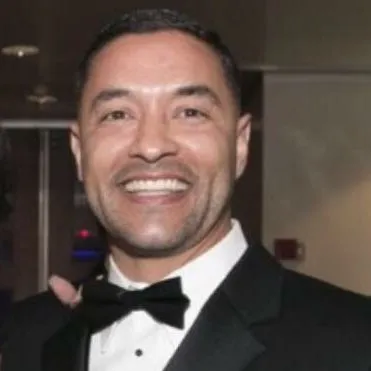
Jose F. Espinoza
Licensed Bail Agent #1841969 · Founder, Espinoza Bail Bonds
Jose F. Espinoza is a U.S. Army veteran, former Military Police officer, and licensed bail agent who founded Espinoza Bail Bonds in 2014. After 25 years of decorated military service, he now brings the same discipline, loyalty, and calm leadership to helping families navigate the bail process. Jose believes in second chances and treats every client with dignity, respect, and compassion.


 Speak to a Bail Agent:
(844) 325-8424
Speak to a Bail Agent:
(844) 325-8424
 Request a Callback: Call
Me
Now!
Request a Callback: Call
Me
Now!
 Other Options:
Contact Us
Other Options:
Contact Us