 Spanish
Are Bail Bond Fees Refundable in California? Key Facts
- in Bail Bonds
Get Someone Out of Jail Fast — 24/7 Help
Reliable, confidential bail bonds available anytime, anywhere in California. We move quickly so you can bring your loved one home.
Get in TouchYou paid a bail bond premium to bring someone home, but will any of that money come back when the case ends? The answer depends on whether the payment was a nonrefundable service fee, refundable cash bail, or collateral. Here is how California rules affect each one.
Call Espinoza Bail Bonds 24/7 for a free consultation: (844) 325-8424
In most cases, bail bond premiums are not refundable in California because they pay for the agent’s completed service and financial risk. Cash bail paid directly to the court and collateral held by an agent are different: they generally return after the case ends if the defendant follows court requirements.
Rare exceptions may apply when an agent does not complete the promised service or surrenders a defendant without reasonable cause. Knowing which payment you made, and reviewing the signed agreement, can help protect your rights and money.
Are bail bond fees refundable in California?
In most cases, no. The premium pays a bail agent for posting the bond, providing a financial guarantee to the court, and helping secure release. Once the person is released, that service is complete and the premium is earned. Refundable cash bail and collateral follow different rules.
It is helpful to understand which bail payments may come back to see why these fees stick. The money you pay to an agent is a premium, not the full bail amount. This premium is a small fraction of what the court needs. Because the agent takes on a large risk, they keep this fee to cover their costs and stay in business.
The standard ten percent premium
California law sets a standard bail bondsman fee at 10 percent of the total bail. The California Department of Insurance (CDI) checks these rates to keep them fair. Since this fee is for a service already given, it does not come back to you when the case ends. This is true even if the court finds you not guilty or if the DA drops the charges later.
Many people confuse the bond premium with cash bail. If you pay the full bail amount in cash to the court, you can get that money back. But with a bond, you only pay a small part of the total. That small part is the fee you pay the agent for their help. You can learn more about no money down bail bond options if you cannot pay the full fee at once.
Legal exceptions for refunds
While most fees stay with the agent, California law has a few rare exceptions. For example, an agent may have to return the fee if they surrender the defendant back to jail without a good reason. Under California Code of Regulations Section 2090, if there is no “reasonable cause” for the surrender, the full premium must be returned. This protects people from agents who might try to keep a fee without providing the promised release.
If the agent has a good reason to return a person to jail, such as a “material increase in hazard,” they may still keep the fee. But they may only keep enough to cover their out-of-pocket costs. It is vital to read your contract and know your rights. If you have questions about your case, you can call our team at (844) 325-8424 for help 24/7.
Premium, cash bail, and collateral are not the same
A bond premium pays Espinoza Bail Bonds for arranging the release and is generally nonrefundable. Cash bail is the full amount paid to the court and usually returns after the case if requirements are met. Collateral secures the agent’s risk and should return after exoneration if no covered loss occurred.
The bail bond premium fee
The premium is the fee you pay to a bail bond agent. In California, this fee is usually set by law at 10 percent of the total bail amount. When you pay this fee, the agent takes on the risk of the full bail amount. This allows your loved one to leave jail without paying the full cost yourself. This fee is not a deposit. It is a one-time cost that you pay for the agent’s work and risk.
Because it is a fee for a service already given, it is generally not returned. The agent keeps the fee even if the court drops the charges the next day. You can check California payment options to plan your budget and see all the factors that go into the final price.
Cash bail and collateral rules
Cash bail is the full sum set by a judge. If you pay the court directly in cash, you do not use a bail bond agent. The court holds this money to make sure the defendant shows up for trial. The California Department of Insurance notes that judges set these amounts based on county schedules. Paying the full bail to the court is often hard for most families.
If the defendant goes to every court date, you usually get this money back. The court may keep some small fees for office costs. But the bulk of the cash bail returns to the person who paid it. This is the main way cash bail differs from a bond premium. This is why people choose to work with a bail bond agent to save their cash.
Collateral is something of value that you give to the bail agent. It could be a car title, property deed, or jewelry. The agent holds this to cover the risk if the defendant runs away. If the defendant misses court and cannot be found, the agent may sell the collateral to pay the court the full bail amount. Common items for collateral include real estate or vehicles.
If the defendant follows all court rules, the agent returns the collateral. This happens once the case ends and the court releases the bond. This return happens no matter whether the person is found guilty or not guilty. The agent must return these items once the court closes the case and releases the bond obligation.
| Payment Type | Who Receives It | Is It Refundable? | Purpose |
|---|---|---|---|
| Cash Bail | The Court | Yes | Ensures court appearance |
| Bond Premium | Bail Agent | No | Fee for agent service |
| Collateral | Bail Agent | Yes | Secures agent risk |
What happens to your money
The main thing to know is that premiums and bail are handled by different people. The court manages cash bail, while a private agent handles bond premiums and collateral. Under California law, agents must return your collateral once the case is over. They must also return the premium if they surrender the defendant to jail without a good reason.
Most of the time, the standard bail bondsman fees you pay are gone once the bond is signed. These fees pay for the agent’s time and the risk they take for you. Always read your contract carefully to know exactly what you are paying for. Knowing these rules helps you protect your assets during a tough time.
What happens in common case outcomes?
Dismissal, acquittal, and sentencing normally end the bond obligation but do not refund the premium paid for release. Collateral should return after exoneration, while a missed court date can put collateral at risk. Espinoza Bail Bonds can explain how the specific outcome and signed agreement affect your money.
Charges dropped or case dismissed
If the court drops the charges or dismisses the case, the bail bond is finished. The court no longer needs the bond to ensure the person stays in the system. In these cases, the bond is exonerated. This means the court releases the agent from the risk. If you provided collateral like a car or home title, the agent must return it to you promptly.
However, you will still ask: are bail bond fees refundable in California when this happens? The short answer is no. The standard bail bond costs are not returned even if the case goes away quickly. The agent has already taken the risk and helped with the release from jail.
Acquittal and sentencing
When a case ends in a “not guilty” verdict, or when a person is sentenced, the bond is also exonerated. At this point, the legal process has reached its end for that specific case. Just like with a dismissal, the agent is no longer on the hook for the bail amount. Any property or cash held as collateral should be given back once the agent gets the official papers from the court.
Even though the defendant won the case, the premium you paid is still gone. The California Department of Insurance oversees how these rates are set and filed. These fees are seen as the cost of the agent’s work and the risk they took during the case. For this reason, the agent keeps the fee regardless of whether the jury says the person is guilty or not.
Missing court dates
If a person misses court, the outcome for the bond changes for the worse. The court may declare the bond forfeited. This means the agent might have to pay the full bail amount to the county. If this happens, the agent will use the collateral to cover their loss. It is the most costly outcome for anyone who helped bail someone out.
In some cases, the agent might find and surrender the person back to jail. If the agent surrenders the person without a good reason, they may have to give back the premium. But if they do it because the person tried to run, California law allows them to keep the fee and charge for extra costs. This is meant to cover the high costs of finding a person who skipped court.
How does collateral get returned after exoneration?
When a court case ends, the judge usually exonerates the bail bond. This means the court releases the bail agent from the duty to the case. Once this happens, the process of returning your assets starts. You might ask, are bail bond fees refundable in California? No, but your collateral is fully yours to get back once the case ends.
The timeline for asset return
Once we get the exoneration paper from the court, we start the return. For physical items like car titles, this often happens within a few weeks. If you gave a cash deposit as collateral, we must send it back to the person who signed the bond. We aim to move fast because we know these assets matter to your family.
Sometimes the court takes time to send the official notice. You can help by checking your case status through the California Department of Insurance or your local court. Having your own copy of the court order can also speed things up if the mail is slow.
Potential costs and liens
In most cases, you get the full value of your collateral back. However, if the defendant missed a court date, there might be fees for recovery. We only take these out if the bond contract allows it. It is wise to learn typical bail bond percentage fees to see if extra charges apply to your bond.
If you used a home as collateral, we must release the lien on the property. This involves a legal form called a deed of reconveyance. We file this with the county to show the home is no longer tied to the bond. This step is key for owners who may want to sell or move their house in the future.
Steps to claim your collateral
- Confirm the case is over and the court has exonerated the bond.
- Get a copy of the exoneration paper from the court clerk.
- Contact our office to set a time to pick up your items.
- Bring your original receipt and a valid ID to prove who you are.
- Check all returned items and sign the release form to finish.
Ask Espinoza Bail Bonds about costs and collateral: (844) 325-8424
Questions to ask before signing a bail bond agreement
Signing a bail bond agreement is a big legal step for you and your family. It is vital to know just what you are signing before you put your name on the page. A good agent will take the time to answer all your questions. They should make you feel calm and sure about the process. Here are the big things to ask your bail agent before you finish the paperwork.
Total cost and payment plans
The first thing you should ask about is the total cost of the bond. In California, the law sets a standard rate for these services. Most people want to know how bail bond costs are calculated before they start. State law usually requires a 10% premium fee for the bond. For example, if the bail is $10,000, the fee you pay the agent is $1,000. You should also ask if there are any other costs like filing fees or travel costs. If you cannot pay the full amount now, ask about a payment plan. Many agents offer help to make the cost fit your budget.
Make sure you get a receipt for every payment you make. You should also ask for a full copy of the contract for your own records. This paper shows your rights and what you owe. Having these files helps if you have questions later in the case.
Are bail bond fees refundable in California?
A common question many people have is: are bail bond fees refundable in California? In almost all cases, the answer is no. The 10% premium you pay is the fee for the agent’s work and the risk they take. Once the agent posts the bond and the person leaves jail, the service is done. Even if the court drops the charges the next day, you do not get this money back. The California Department of Insurance sets these rules to keep the business fair for all. This fee is how the agent stays in business and helps other families.
There is a rare rule that changes this. If an agent returns the person to jail for no good reason, they may have to give the money back. But for most families, you should plan on the premium fee being a final cost. It is different from cash bail, which the court may return once the case ends. Always talk to your agent if you are not sure about a specific fee.
Collateral and its return
For large bail amounts, an agent might ask for collateral. This is something of value, like a house or a car title, that secures the bond. You need to ask what the agent accepts and how they will store it. Most of all, ask how and when you will get it back. Collateral should be returned to you once the case is over and the court releases the bond. This usually happens after the final hearing or if the charges are dropped.
You can use this simple checklist when you talk to your agent:
- What is the total fee I must pay today?
- Can I set up a monthly payment plan?
- What kind of collateral do you need for this bond?
- When will my collateral be released back to me?
- Can I get a copy of all the signed papers right now?
Knowing the answers to these questions will help you stay in control of the case. It also helps build trust between you and the bail agent. A pro will always give you clear, honest answers without using hard words.
What should you do if you believe money is owed back?
If you think you should get a refund, you need to act fast. Many people ask, are bail bond fees refundable in California? In most cases, the answer is no. The fee you pay to an agent is for their service. This is called a premium. It pays the agent for taking the risk of your release. But there are a few times when you might get money back. You should start by looking at your papers to see what you signed.
Check your bail contract
Every bail bond starts with a contract. This paper shows the costs and the rules. It should list the 10% premium fee and any collateral you gave. In California, how bail bond costs are calculated is set by law. The agent keeps this fee for the work they do to get you out of jail. Even if the court drops the case the next day, the fee stays with the agent. The service was done when you were released.
But if you gave extra money or land as a back up, that is not the same. This is called collateral. It could be a car title, cash, or a deed to a home. Collateral is not a fee. It is a way to make sure the person goes to court. This money or land should come back to you once the case is done and all court rules are met. If you think your collateral is being held for too long, you should ask why.
Ask for a list of costs
If you feel the agent owes you money, ask for a clear list of all costs. This shows where each dollar went. Sometimes an agent might keep a small part of the money for real costs. These can be things like travel fees or court costs. You have a right to see a list of these fees.
Under California law, agents must return your premium if they take you back to jail without a good cause. This is a key rule for your rights. If they have a cause, they might still have to pay back some of the money. A clear list helps you see if the math is right. It also gives you proof if you need to take the case further.
Write to the right office for help
You should always talk to your agent first. Try to write down what you say and what they say back. Emails or letters are best because they leave a trail. Keep a copy of all you send. This helps if you need to show your work later. If the agent does not help, you can look for more support from the state.
The California Department of Insurance makes sure all agents follow the rules. They look at how fees are charged and how agents act. You also have the right to ask a court for a refund if you were sent back to jail early. This is done through a petition to the court. You might also want to talk to a lawyer. They can help you find your next steps without making things hard to get.
Frequently Asked Questions
Can I get a refund if the defendant is never released from jail?
If the bail agent posts the bond but the jail does not release the defendant, you may be able to get a refund. This often happens when there are other warrants or holds that keep the person in jail. Since the goal of the bond was to get the person out, the service was not fully done. You should contact your refund guidance from a bail agent right away. You may also petition the court for a refund as stated in the California Code of Regulations.
What happens if I want to cancel the bail bond after the fee is paid?
Once a bail agent posts a bond with the jail, the service is done. If you change your mind and want to cancel the bond after the person is out, you will not get a refund. The fee is the cost of the agent’s work and risk. However, if the bond has not been posted yet, you may be able to get some of your money back. Check with Espinoza Bail Bonds about payment and cancellation terms before making a decision.
Can I get a refund for a bail bond if I find a cheaper agent?
No. Once you sign a contract and pay the fee, you cannot get a refund just because you found a lower price. In California, most agents charge the same 10 percent rate set by law. Even if you find an agent with a lower rate, your first payment is for the work already done to get the release. Espinoza Bail Bonds recommends that you review bond costs and services before you sign any bond papers.
Is cash bail refundable in California if I pay the court directly?
Yes. If you pay the full bail amount in cash to the court, you can get that money back. You do not pay a fee to an agent when you use this method. The court holds the cash to make sure the defendant shows up. Once the case ends and all orders are followed, the court returns the money to the person who paid it. As Espinoza Bail Bonds explains in its payment option guide, this is different from the fee paid for a bond.
Ready to confirm your exact bail bond costs and terms?
Waiting too long to post bail can lead to more days in jail and put your job at risk. Starting now may help move the release process forward sooner. Espinoza Bail Bonds makes sure you understand each part of the cost so you can avoid surprises.
Call Espinoza Bail Bonds now for clear cost answers: (844) 325-8424
Get a free consultation and talk to a local bail agent who can help you understand your agreement, explain the legal process, and discuss next steps for bringing your loved one home.
About the Author
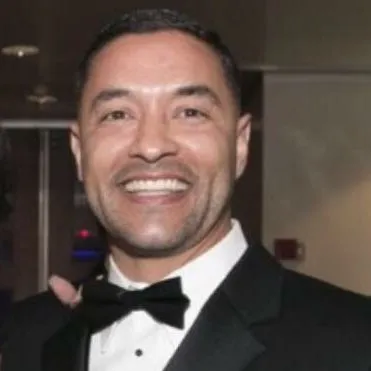
Jose F. Espinoza
Licensed Bail Agent #1841969 · Founder, Espinoza Bail Bonds
Jose F. Espinoza is a U.S. Army veteran, former Military Police officer, and licensed bail agent who founded Espinoza Bail Bonds in 2014. After 25 years of decorated military service, he now brings the same discipline, loyalty, and calm leadership to helping families navigate the bail process. Jose believes in second chances and treats every client with dignity, respect, and compassion.

 Speak to a Bail Agent:
(844) 325-8424
Speak to a Bail Agent:
(844) 325-8424
 Request a Callback: Call
Me
Now!
Request a Callback: Call
Me
Now!
 Other Options:
Contact Us
Other Options:
Contact Us