 Spanish
What Does No Bail Mean in California? A Complete Guide
- in Legal Info
Get Someone Out of Jail Fast — 24/7 Help
Reliable, confidential bail bonds available anytime, anywhere in California. We move quickly so you can bring your loved one home.
Get in TouchLearning that a loved one was denied release by a California judge creates fast fear and doubt. This “no bail” status stops the usual release process and keeps a person in jail for a long time. Knowing why a court takes this step is vital for any family fighting for a person’s rights.
If your family member is being held without bail, call us at (844) 325-8424 for immediate guidance and support. Our experienced bail agents serve California families 24/7 and can help you understand your options.
Knowing what does no bail mean in California is key when a judge orders a person to stay in jail without a chance for release. Under the California Constitution, a court can deny bail for certain violent acts or if release poses a threat to public safety. This status is not a high price tag. It is a total block on getting out before trial. No amount of cash can get the person out of jail while this order stands. Some new laws use the term to mean release with no fees, but in major cases it involves a judge finding that staying in jail is the only way to keep people safe. You must act fast to get help if a family member faces this tough spot in court.
What Does “No Bail” Really Mean Under California Law?
The term “no bail” often leads to confusion for families navigating the legal system. In simple terms, it means a judge has ordered that a person must stay in jail while they wait for their trial. The law views bail as a way to let people stay out of jail before a court finds them guilty. You can learn more about how bail is set in California to see how these choices affect your case.
The goal of the bail system
Bail is not meant to be a tool to keep people locked up. Instead, it is a process that helps people keep their jobs and stay with family while they face charges. According to the California Law Revision Commission, the system exists to allow release before trial. When a court orders no bail, it stops this normal process because of high risks or very serious charges.
Bail denial vs. zero bail
It is vital to know the gap between a no-bail order and “zero bail.” A no-bail order means you cannot pay to get out. Zero-bail release means you are let go without needing to pay any money. Judges use no-bail orders when they believe a person might run away or hurt someone else. This balance between rights and safety is a key part of the state legal code.
Constitutional grounds for no bail
The California Constitution lists specific times when a judge can deny bail. This happens for capital crimes when there is strong proof of guilt. It also applies to violent felony charges where release could lead to great harm to the public. If a judge finds clear proof of these risks, they have the power to keep a person in jail until the case ends.
Which Crimes and Circumstances Lead to No-Bail Orders in California?
In California, bail is a right for most people who face criminal charges. But that right has limits. Under the state law, a judge can order you to stay in jail with no way to pay for release. If you wonder what does no bail mean in California, it refers to a court-ordered hold.
When a judge makes this call, they put public safety first. They must make sure you show up for court instead of letting you go home.
The California Constitution and bail denial
The rules for when a judge can deny bail come from the California Constitution. Article I, Section 12 lists the exact cases where a court can stop someone from posting bail. The most common reason is for capital crimes.
These are grave crimes, like murder, where the death penalty could be a factor. If the facts are clear and there is a high chance of being found guilty, a judge will likely order no bail.
It is key to know what to expect at a bail hearing when these charges are in the mix. At this time, the judge looks at the proof to decide if you are a threat to others.
They do not just look at the charge itself. They look at the specific facts of your case to see if a no-bail order fits the law.
Violent felonies and sexual assault
Another big group of crimes that lead to no bail includes violent felonies. If the court finds clear proof of a violent act against another person, they can deny release.
This often applies to charges like armed theft or assault with a deadly weapon. The goal is to keep the person off the street until the trial is over.
Sexual assault charges are also treated with great care by the courts. Under the state constitution, felony sexual assault is a valid ground for no bail.
This includes crimes like forced rape or lewd acts with a child under age 14. Because these crimes are so grave, judges often feel that the risk to others is too high to allow bail.
Public safety and the risk of harm
Even if the crime is not a capital offense or a violent felony, a judge can still deny bail. This happens if they find that your release would likely cause great bodily harm to someone else.
The court must have clear and strong proof to make this call. They look at your past record and the nature of the current charge.
If you are facing a grave charge, you may want to look into alternatives to bail for felonies. But if the judge finds that no amount of money or rules can keep the public safe, they will deny bail.
This is not just about the crime you are accused of now. It is also about protecting the public from future harm while your case moves through the court system.
California’s Bail Reform: SB 10 and What It Means for You
The rules for bail in our state have changed many times in recent years. Law makers and voters often do not agree on the best way to run the system. This can make it hard to know if you or a loved one can get out of jail after an arrest. Today, the state is still trying to find a fair path forward.

The rise and fall of Senate Bill 10
In 2018, the state passed Senate Bill 10, or SB 10. The goal was to end the cash bail system. Instead of paying money, a risk assessment tool would tell a judge if a person should stay in jail. This was a big shift for the legal world. But the new law did not last long.
A group of people asked for a vote to stop the law. This led to a state vote in 2020. Voters chose to repeal SB 10. This choice kept the old cash bail system in place for most people. Even so, the debate over how bail is set in California goes on today.
Lessons from emergency bail orders
During the COVID-19 health crisis, the state tried a new rule. It set bail at zero dollars for many minor crimes. This was done to keep jails from getting too crowded. It gave experts a chance to see how a “no cash” system works in real life.
The results of these changes were mixed. One study found that the number of rearrests went up during this time. This data has led to more debates about public safety and fair treatment. State leaders say the bail system still needs to find a balance between keeping people safe and making sure people show up for court.
Current changes in Los Angeles and beyond
Changes are still going on at the county level. Many families ask, what does no bail mean in California today? In Los Angeles, a new 2023 rule ends cash bail for many non-violent crimes. For these cases, people are released on their own, which is often called “zero bail.”
However, for major crimes, the rules are much more strict. A judge can still order that a person be held with no bail at all. Under the California Constitution, this often happens for violent acts or if the person is a threat to others.
In these cases, no amount of money can get them out. This makes it vital to have help from someone who knows the system well. You should learn what to expect at a bail hearing so you can prepare.
Your Rights When a Judge Denies Bail in California
If a court says no to your release, you might feel like all hope is gone. But you still have rights that keep the law in check. The California Constitution sets strict rules for when a judge can hold a person without bail. Even in hard cases, the state must follow a fair path to show why you should stay in jail.
The right to a bail hearing
One of your main rights is the right to a hearing. A judge cannot just keep you in jail for a long time without a good reason. In most cases, you will have a court date within two work days of your arrest. This is when your lawyer can argue for your release by looking at your home ties and the facts of the case.
You should know what to expect at a bail hearing before you step into the room. During this time, the judge will weigh the risk to the public against your right to be free. If the court finds that no amount of money can keep people safe, they may keep the no-bail order. But the law says they must show clear proof for this choice.
Legal help and the writ of habeas corpus
You have the right to have a lawyer by your side during every step. If you cannot pay for one, the court will give you a public defender. A good lawyer is key because they know how to challenge a no-bail order. They can file a legal tool called a writ of habeas corpus to ask a higher court to review your case.
The law also says you must know the charges against you. You have the right to see the proof the police have found. If the facts are not clear, your lawyer can push for a lower bail amount or a release on your own word. This process helps make sure that the state does not abuse its power while you wait for trial.
What families can do now
When a loved one is stuck in jail with no bail, speed is everything. Your first move should be to find a local lawyer who knows the court system. Call our team at (844) 325-8424 for expert help. While we cannot post a bond if a judge says no, we can help you get ready for the moment the judge changes their mind.
You may ask, what does no bail mean in California? It means the court has ordered you held until trial, but this status can change. New facts or a change in the case can lead to a new hearing. By working with a bail agent now, you can have everything in place to act fast as soon as the judge sets a bond.
Can a No-Bail Order Be Reversed? Options for Challenging Detention

When a judge says “no bail,” it can feel like the end of the road. But in California, this status does not always stay the same. You have legal ways to fight the court’s choice. To know what to expect at a bail hearing, you must first know how the law works. A no-bail order means the court thinks the person is a risk. But new facts can change that view over time.
Reviewing the court’s choice
Under Article I, Section 12 of the California Constitution, the court needs strong proof to keep someone in jail. Many ask what does no bail mean in California when a judge stops a release. This rule applies to capital crimes or violent felonies. The judge must find that the facts are clear. If the facts are not clear, your lawyer can ask for a review. This often happens if the first hearing was too fast.
The law tries to keep people safe while protecting the rights of the person in jail. If a judge denies bail, they must explain why. They look at the risk of flight and the risk to the public. Your legal team will look for errors in how the judge thought. They want to show that the person can go home safely.
- Hire a defense lawyer to file a formal motion. This starts the path of asking the court to change its mind about the stay.
- Find new facts or proof that the judge did not see before. This might include what a witness said or new details about the event.
- Show that the person is not a risk to others in the area. Use proof of a stable home and a steady job to help your case.
- Ask for a new hearing based on changed facts in the case. Courts are often willing to listen if the state of things is not the same.
- Look for alternatives to bail for felonies like house arrest. These other paths can meet the court’s need for safety while letting the person go home.
The role of new evidence
To change a judge’s mind, you need fresh info. This might be a change in the person’s health or a new job offer. These details help show the court that the person will show up for trial. The goal is to prove that the “no bail” tag is no longer needed. You must show that the person is not a flight risk. Strong ties to the local area can make a big change in the judge’s final choice.
Sometimes, the charges against the person change. If a lead charge is dropped, the bail rules might change too. Staying in touch with your lawyer is vital. They watch the case for any shift that could lead to release. A small change in the law can open a new door.
Seeking expert help
A bail agent can help your lawyer build a solid plan. While we do not set the bail, we can show the court that a bond is ready. We can also help the family find the right co-signers to back the bond. This shows the judge that there is a strong support group in place. We help families stay calm and move fast during this tough time. If you need help, you can call us 24/7 at (844) 325-8424.
No Bail vs. Zero Bail vs. Own Recognizance: Key Differences
When you hear about a no-bail release in California, the terms can be very confusing. They often sound like the same thing, but they mean very different outcomes for someone in jail. One term means you stay in jail, while the others mean you can go home. It is vital to know which one applies to your case.
Compare pretrial release options
The term no bail can refer to two opposite paths. Sometimes it means a judge denied bail because the crime is serious. Other times, it refers to a new policy where you are released without paying any money. This is common in Los Angeles County, where a no-cash bail policy started in late 2023. Own Recognizance is another option where you sign a promise to return to court.
| Option | Definition | Who Qualifies | Release Timeline |
|---|---|---|---|
| No Bail (Denied) | Held in jail without a way to pay for release. | People charged with capital crimes or violent felonies. | Stay in jail until the trial is over. |
| Zero Bail | Released for free for low-level crimes. | People with minor or non-violent charges. | Released within a few hours of booking. |
| Own Recognizance | Released on a signed promise to return. | People with low flight risk and strong local ties. | Usually happens at the first court hearing. |
Understand bail denial
A no-bail order is a serious legal action. Under Article I, Section 12 of the California Constitution, a court can deny bail for capital crimes. This also applies to violent felonies if the court finds a high risk of harm to others. In these cases, the person must stay in jail to protect the public. This is very different from zero-bail policies meant to reduce jail crowds.
Release on your own recognizance
Own Recognizance, or OR release, is a common goal for alternatives to bail for certain felony charges. A judge looks at your past and your ties to the community. If they believe you will show up for court, they may let you out without a bond. This saves you money but comes with strict rules. If you fail to show up, the court will issue a warrant for your arrest.
Frequently Asked Questions
What does no bail mean in California?
In California, this term has two different meanings. First, it can mean a judge has denied your release. This usually happens for very serious crimes like violent felonies or capital offenses. In these cases, you must stay in jail until your trial. Second, it can refer to a newer policy where you are released without paying any money for certain low-level crimes. Knowing which one applies to your case is the first step in getting the help you need.
Why would a judge deny bail in California?
According to the California Constitution, a judge can deny bail for a few clear reasons. These include capital crimes where the facts are strong or violent felony charges. The court might also hold you without bail if they find that your release would cause great harm to other people. Judges look at public safety and the risk that you might not return for your court dates.
What is the difference between no bail and zero bail?
“No bail” usually means you are held in jail with no option to leave before your trial. This happens when a judge decides the risk to the community is too high. In contrast, “zero bail” is a reform policy used for some non-violent crimes. Under this rule, you can be released after an arrest without having to pay any cash or property. One keeps you in a cell, while the other allows you to go home for free.
Can a no-bail order be reversed in California?
Yes, you can challenge a judge’s decision to hold you without bail. Your lawyer can ask for a new bail hearing to show new facts or argue that the original ruling had errors. If the judge finds that the risk to the public has changed or that the charges have been reduced, they may set a bail amount. Working with both a lawyer and a bail agent can help speed up this process.
What should I do if a family member is held no bail in California?
First, find a criminal defense lawyer who can appear at hearings and fight for your loved one’s rights. Second, contact a bail bonds company so you are ready to post bond the moment bail is set. At Espinoza Bail Bonds, we help families in this exact situation every day. Call us at (844) 325-8424 to start building your plan.
Ready to Help Your Loved One? Contact Espinoza Bail Bonds Today
A no-bail order is frightening, but you are not alone. The California legal system is complex, and having an experienced team on your side makes all the difference. At Espinoza Bail Bonds, we have helped countless California families navigate the bail process. Even when bail is denied, we stay ready to move the moment the court changes course.
Call us now at (844) 325-8424 for free, confidential guidance. Our agents are available 24 hours a day, 7 days a week. We speak Spanish and English and serve clients throughout California. Do not wait. Every minute counts when a loved one is in custody.
About the Author
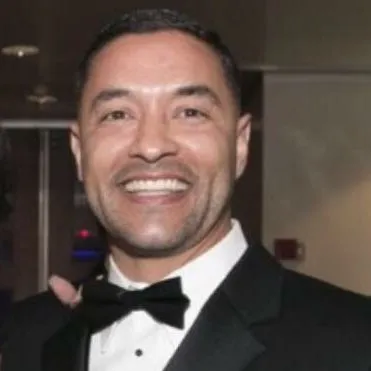
Jose F. Espinoza
Licensed Bail Agent #1841969 · Founder, Espinoza Bail Bonds
Jose F. Espinoza is a U.S. Army veteran, former Military Police officer, and licensed bail agent who founded Espinoza Bail Bonds in 2014. After 25 years of decorated military service, he now brings the same discipline, loyalty, and calm leadership to helping families navigate the bail process. Jose believes in second chances and treats every client with dignity, respect, and compassion.


 Speak to a Bail Agent:
(844) 325-8424
Speak to a Bail Agent:
(844) 325-8424
 Request a Callback: Call
Me
Now!
Request a Callback: Call
Me
Now!
 Other Options:
Contact Us
Other Options:
Contact Us