 Spanish
The Truth About Bail Reform in California
- in Legal Info
Get Someone Out of Jail Fast — 24/7 Help
Reliable, confidential bail bonds available anytime, anywhere in California. We move quickly so you can bring your loved one home.
Get in TouchIt’s an idea that sounds good on the surface: a justice system where your freedom doesn’t depend on how much money you have. This is the core argument behind the push for Bail Reform California. Proponents say it levels the playing field. However, in cities that have experimented with eliminating cash bail, we’re seeing a different story unfold—one with rising no-show rates for court dates and increased risks for public safety. Let’s look past the political slogans and examine the real-world consequences of these policies and what a truly balanced approach to justice should look like.
The Truth About Bail Reform in California: Who It Helps, Who It Hurts, and What’s Next
Bail reform sounds good on paper — after all, who wouldn’t want a system that’s “fairer” and “more just”? But as new laws like SB 562 gain traction, Californians are waking up to the real-world consequences of what these reforms mean in practice.
Let’s break it all down.
⚖️ What Was California’s Bail Reform Supposed to Fix?
At its core, bail reform was meant to level the playing field. Reform advocates say:
-
Low-income people sit in jail while wealthy people walk free.
-
Bail criminalizes poverty.
-
A person should be judged by their risk, not their wallet.
This messaging has made its way into headlines and policy proposals. It’s the foundation of SB 562 and other legislation aiming to replace cash bail with judge-based risk assessments.
But the reality isn’t so simple.
The Motivation Behind Reform: High Bail Amounts
One of the biggest drivers behind the bail reform movement is the sheer cost of bail in California. It’s a well-known issue that our state has some of the highest bail amounts in the nation, creating a significant hurdle for the average family. When bail is set at tens of thousands of dollars, it’s often impossible for someone to pay the full amount out of pocket. Reform advocates argue that this creates a two-tiered system of justice: one for the wealthy who can afford to go home and await trial, and another for those who must remain in jail simply because they lack the funds, regardless of their legal presumption of innocence.
This financial barrier is at the heart of the debate. According to a ruling by the California Supreme Court, it is unconstitutional to keep someone in jail before their trial for the sole reason that they cannot afford bail. The decision, known as *In re Humphrey*, mandated that judges must consider a person’s ability to pay when setting bail conditions. This legal precedent gave significant momentum to the idea of replacing cash bail with a system based on risk assessments, which would determine pretrial release based on public safety concerns rather than a defendant’s financial situation.
🚨 What Really Happens When California Eliminates Cash Bail?
Let’s look at what’s already happened in parts of California where similar reforms have been tested:
-
Increased no-shows in court
Without money on the line, many defendants don’t show up. -
Repeat offenders reoffend faster
In cities like San Francisco, Los Angeles, and Sacramento, violent re-offenders have been released without bail, only to commit new crimes within days. -
Judges under pressure
With no bail agents involved, the pressure falls squarely on judges — and they can’t monitor or track released defendants.
Meanwhile, the bail industry — made up of local, licensed professionals — is being pushed out of the justice system altogether.
Local Reforms: Zero-Bail Policies in Practice
This isn’t just a debate happening in Sacramento; zero-bail policies are already a reality in several parts of California. In Los Angeles County, for example, a “zero-dollar bail” policy has been implemented for many misdemeanors and non-violent felonies, meaning individuals are released almost immediately without having to pay. Similarly, prosecutors in San Francisco often choose not to request cash bail. The driving idea behind these local reforms is to address the inequality of the cash bail system, which can keep someone in jail for a minor offense simply because they can’t afford to post bond, while someone with more money can walk free. The goal is to make pretrial release decisions based on public safety risk rather than financial status.
A Look at the Data on Bail Reform and Crime Rates
When questions about public safety come up, supporters of bail reform often highlight research that shows these policies don’t lead to a spike in crime. One national study found no significant link between bail reform and crime rates across 33 different cities. Another analysis of four major cities, including Chicago and Houston, also showed no major change in crime after reforms were put in place. In New Jersey, the jail population dropped by nearly 40% after it largely eliminated cash bail, without a corresponding increase in crime. While these numbers are compelling, they don’t always capture the full picture, including the strain placed on the court system by defendants who fail to appear for their hearings when there’s no financial incentive to do so.
👎 Who Pays the Price for No-Cash Bail Policies?
Despite what politicians claim, these policies often hurt the very communities they say they want to protect:
-
Families of victims, who see dangerous individuals released with no oversight
-
Small businesses, who suffer when property crimes increase
-
Taxpayers, who must fund new public programs to replace the role of bail
-
Defendants themselves, who miss court dates and fall deeper into the system because no one is helping them stay on track
And for California’s working-class counties — from Fresno and Bakersfield to Riverside, Modesto, Stockton, and beyond — the cost of this kind of chaos adds up fast.
✅ So, What Does a Bail Agent Actually Do?
People forget that bail agents aren’t just posting money and walking away. At Espinoza Bail Bonds, we:
-
Work directly with families
-
Explain the legal process in plain English
-
Help clients stay on top of court dates and requirements
-
Track down people who skip court — at no cost to taxpayers
No judge, no risk algorithm, and no nonprofit program can replace that.
🔮 What’s the Future of Bail Reform in California?
With federal attention on cashless bail and major headlines being made during this election season, California is once again in the national spotlight.
New executive orders, legislative pushes, and public pressure will all shape the future of justice in this state. But one thing is clear:
People want a system that works.
Not one that releases dangerous criminals while putting honest families at risk.
Key Legislation and Rulings Shaping the Debate
The conversation around bail reform isn’t just happening in the news; it’s being shaped by major legal battles and voter decisions. To really understand what’s at stake, you have to look at the specific laws and court rulings that have brought us to this point. These moments show a clear pattern: a push for radical change, followed by serious pushback from both voters and the courts who recognize the risks of a no-bail system.
Proposition 25: California Voters Weigh In
One of the most significant moments in this debate came in 2020 with Proposition 25. A law called SB 10 was passed to eliminate cash bail, but it was so controversial that it was put on the ballot for voters to decide. The result? Californians overwhelmingly rejected Proposition 25, choosing to keep the existing cash bail system. This was a powerful statement that everyday people were not convinced that removing financial accountability from the justice system would make their communities safer.
The In re Humphrey Decision and Ability to Pay
In 2021, the California Supreme Court made a landmark ruling in a case known as *In re Humphrey*. The court decided that it’s unconstitutional to keep someone in jail before trial simply because they cannot afford bail. Judges are now required to consider a person’s ability to pay and look at other options to ensure they return to court. This ruling highlights the importance of fairness, a principle that responsible bail bond agents have always supported. The goal is to ensure the system works for everyone, not to remove accountability entirely.
The Challenge of Risk Assessment Tools
A key part of the plan to eliminate cash bail involved replacing it with “risk assessment tools”—computer algorithms designed to predict whether a defendant is a flight risk or a danger to the public. However, critics quickly pointed out a major flaw: these tools are often built on data from communities that are heavily policed. As a result, there’s a serious concern that these algorithms could be unfairly biased, creating a new form of discrimination instead of solving the old one.
Federal Involvement in State Bail Policies
The debate over bail in California isn’t just a state issue; it has drawn attention from Washington D.C. According to The Bail Project, the federal government has shown interest in pressuring states to adopt certain bail reform policies, sometimes by threatening to withhold funding. This adds another layer of complexity, as many believe that decisions about local justice and community safety should be made by Californians, not by politicians thousands of miles away.
💬 Balancing Public Safety and Fairness
We support smart justice reform. But smart reform means listening to victims, keeping communities safe, and making sure there’s accountability built into the process.
That’s what bail does — and that’s why it matters.
Proposition 36 and the Push for Stricter Penalties
The debate over bail reform isn’t just about leniency; it’s also about accountability. In response to public safety concerns, California has seen a push for stricter penalties through measures like Proposition 36. This law specifically targets repeat offenders, making punishments tougher for certain theft and drug crimes. For example, someone repeatedly caught shoplifting items valued under $950 could now face a felony charge, a significant increase from a misdemeanor. This change highlights the ongoing effort to balance reform with the need to keep communities safe. When laws are constantly shifting, facing an arrest can be incredibly overwhelming. Understanding your options for posting bail provides a clear path forward during a confusing time.
✅ About the Author
Jose Espinoza is a licensed California bail agent and U.S. Army veteran with over two decades of experience helping families through the justice system. A former military police officer and National Guard officer deployed to Kosovo and Bosnia, Jose founded Espinoza Bail Bonds to serve the community with integrity, respect, and urgency.
License: CA Bail Agent #1841969
📞 Need Help? We’re Here for You
-
Call us: (844) 325-8424
-
Website: joseespinozabailbonds.com
-
Facebook: facebook.com/onlinebailbonds
-
Instagram: @espinozabailbonds
Frequently Asked Questions
If bail is so expensive in California, isn’t getting rid of it the fairest solution? That’s the core of the debate, and it’s a valid concern. The goal of reform should be to ensure someone’s freedom isn’t determined solely by their bank account. However, completely removing the financial stake has led to serious issues, like a major increase in defendants not showing up for court. A more balanced approach ensures accountability by keeping that incentive in place while also making sure judges consider a person’s ability to pay, which is a standard that responsible bail agents have always supported.
What happens when someone misses their court date under a no-bail system? When there’s no bail bond on the line, the consequences of a missed court date fall on the public. A warrant is issued for the person’s arrest, and it becomes law enforcement’s job to find them, using taxpayer resources. This is very different from the bail system, where the bail agent is financially responsible for ensuring their client appears in court. We provide reminders and support to prevent no-shows, and if someone does skip their date, we handle the work of getting them back to court.
My loved one was arrested. Does bail reform mean they will be released automatically? No, release is not automatic. While some counties have implemented “zero-bail” policies, they typically only apply to specific lower-level misdemeanors and non-violent felonies. For most other charges, a judge still determines the conditions of release. The legal landscape is constantly changing, which can be incredibly confusing. Speaking with a licensed bail agent can help you get clear, immediate answers about the specific situation and what options are available.
If a judge uses a ‘risk assessment tool,’ why is a bail agent still needed? A risk assessment tool is an algorithm that uses data to predict if someone is likely to return to court or reoffend. The problem is that these tools can be flawed or biased, and they offer no real-world support. A bail agent provides a human connection. We don’t just secure a person’s release; we work with them and their family, explain their responsibilities, provide court date reminders, and serve as a resource throughout the entire legal process.
Does supporting the bail system mean you’re against making the justice system fairer? Not at all. We believe that fairness and accountability must go hand in hand. A fair system is one where victims are protected, communities are kept safe, and the accused are held accountable for showing up to court. The bail system provides a proven structure for that accountability. True justice reform should focus on creating a system that works for everyone, not one that removes personal responsibility and puts public safety at risk.
Key Takeaways
- Understand the Core Debate: Bail reform is driven by the valid goal of making pretrial release fairer for those with fewer financial resources, but this often conflicts with the need to ensure defendants appear in court.
- Look Beyond the Politics: In practice, zero-bail policies have led to unintended consequences, such as increased failure-to-appear rates and a lack of personal oversight that bail agents traditionally provide.
- Accountability is a Critical Piece of the Puzzle: A balanced justice system requires a mechanism to ensure defendants meet their legal obligations, a role the bail bond process fills by providing financial incentive and support at no cost to taxpayers.
Related Articles
- 5 Major Things about California’s New Bail Reform Law
- Bail Reforms California 2018 | Espinoza Bail Bonds
- Bail Bond Reform Hurts American Taxpayers
- Elimination of Money Bail. Who will bail out the industry?
- Your Guide to the Placer County Bail Schedule
About the Author
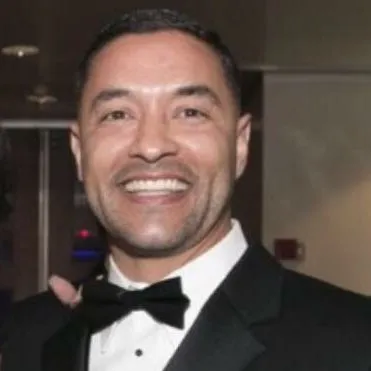
Jose F. Espinoza
Licensed Bail Agent #1841969 · Founder, Espinoza Bail Bonds
Jose F. Espinoza is a U.S. Army veteran, former Military Police officer, and licensed bail agent who founded Espinoza Bail Bonds in 2014. After 25 years of decorated military service, he now brings the same discipline, loyalty, and calm leadership to helping families navigate the bail process. Jose believes in second chances and treats every client with dignity, respect, and compassion.

 Speak to a Bail Agent:
(844) 325-8424
Speak to a Bail Agent:
(844) 325-8424
 Request a Callback: Call
Me
Now!
Request a Callback: Call
Me
Now!
 Other Options:
Contact Us
Other Options:
Contact Us