 Spanish
What is SB 562? A Guide to California’s Law
- in Legal Info
Get Someone Out of Jail Fast — 24/7 Help
Reliable, confidential bail bonds available anytime, anywhere in California. We move quickly so you can bring your loved one home.
Get in TouchHave you ever noticed how the same number can pop up for completely different things? In the world of lawmaking, this happens all the time. A bill number like SB 562 might refer to healthcare one year and bail reform the next, making it incredibly difficult to keep track of what’s actually being discussed. This confusion is the last thing you need when you’re already dealing with the stress of an arrest. We’re here to clear things up and explain the different versions of this bill, what the current proposal means, and why it matters for California families.
SB 562: What It Is, What It Means, and Why It Matters
In recent years, California has found itself at the center of a heated national conversation about justice reform. Among the most controversial policies to come out of this conversation is Senate Bill 562 (SB 562) — a bill that seeks to eliminate cash bail as we know it, replacing it with a risk-based system that could drastically change how arrests, pretrial detention, and release decisions work.
So what exactly is SB 562, and why is it so important to understand?
First, What is a Senate Bill?
Before we get into the specifics of SB 562, let’s quickly cover what a Senate Bill is. When you see “SB” followed by a number, it simply means “Senate Bill.” Think of it as a proposal for a new law that starts its journey in the California State Senate. According to the U.S. Senate, bills are the most common way to propose new laws, and they can cover a huge range of topics that affect our daily lives. The number assigned to the bill, like “562,” is just a tracking number that helps lawmakers and the public follow its progress through the legislative system.
These proposals are the starting point for any new state law. A senator drafts a bill to address a specific issue—in this case, the bail system—and introduces it for consideration. From there, it has to go through a long and complex process before it can ever become an official law. Understanding this is key, because a bill being introduced is very different from a law being passed. It’s the first step in a marathon, not the finish line. This process ensures that new laws are carefully reviewed, debated, and amended before they can impact California residents.
How Bills and Resolutions Work
So, how does a proposal like SB 562 actually become law? After a senator introduces a bill, it’s sent to various committees for review. These committees are small groups of senators who specialize in certain areas, like public safety or the judiciary. They hold hearings, listen to expert testimony, and can make changes to the bill. If the bill passes the committee votes, it then goes to the full Senate for a vote. If it passes there, the process repeats in the other legislative house, the State Assembly. For a bill to become law, both the Senate and Assembly must pass the exact same version. Finally, it lands on the Governor’s desk to be signed into law or vetoed.
The SB 562 Mix-Up: Why One Bill Number Causes Confusion
Here’s where things can get a little confusing. You might have heard about a previous version of SB 562 that aimed to completely eliminate cash bail in California. However, it’s important to know that bill numbers can be reused in different legislative sessions. The SB 562 currently under discussion for the 2025-2026 session is an entirely different proposal. This new bill doesn’t seek to end cash bail. Instead, as one analysis notes, this bill aims to change how bail money is handled, particularly when it comes to getting a refund on your bail premium if charges are never filed or are dropped.
This is a critical distinction. The current SB 562 focuses on the financial aspect of the bail process for individuals who are ultimately not charged with a crime. According to its official status, the bill is still “In Progress” in the Senate, and a scheduled hearing was canceled, meaning its future is uncertain. When you’re trying to secure a bail bond for a loved one, the last thing you need is confusion over changing laws. That’s why working with an experienced team is so important. At Jose Espinoza Bail Bonds, we stay on top of legislative changes to provide you with clear, accurate information and support you every step of the way.
So, What Exactly Is SB 562?
SB 562 is a bill introduced in the California State Legislature that aims to:
-
Abolish cash bail statewide
-
Replace bail with a “pretrial risk assessment” tool
-
Give judges more power to detain people without bail if deemed a risk
-
Shift costs from individuals to taxpayers
In theory, the goal is to reduce economic discrimination — ensuring people aren’t stuck in jail simply because they can’t afford to pay bail. But in practice, many critics argue that this opens the door to unintended consequences and a lack of accountability.
Why Supporters Believe SB 562 Is a Step Forward
Supporters of SB 562 believe the current system unfairly targets low-income communities and disproportionately affects Black and Latino individuals. They argue that:
-
Bail criminalizes poverty
-
Wealthy defendants can “buy” freedom
-
A risk-based model is more “fair” and “just”
These are real concerns, and no one disputes that reforms may be needed. But the question remains — is this the right reform?
Is SB 562 a Public Safety Risk?
Opponents — including many bail agents, law enforcement officers, and victims’ rights advocates — believe SB 562 will create more problems than it solves. Here’s why:
-
Risk assessment tools can be biased or flawed
-
Judges may release dangerous defendants with no financial accountability
-
Taxpayers may foot the bill for a system that doesn’t work
-
It eliminates one of the only performance-based release options — bail
Most importantly, critics argue that the human factor is missing. Bail agents work directly with families, ensure people show up to court, and hold defendants accountable. No algorithm can do that.
How Does This New Law Affect You?
If you’re arrested in California — especially in counties like Los Angeles, Kern, Sacramento, Alameda, Fresno, or Riverside — your chances of being released before trial may soon depend on a judge and a software tool, not your right to post bail.
That’s not a hypothetical. In counties where bail has been limited or eliminated during test phases, failure to appear rates and re-offenses have gone up.
Other Notable Bills Sharing the SB 562 Name
To make matters even more confusing, the bill number “SB 562” has been used for several different proposed laws over the years, both in California and other states. It’s easy to get them mixed up, so it’s important to know which one is which when you see it in a headline. The SB 562 related to bail reform is just one piece of the puzzle. Let’s break down a few of the other notable bills that share this name so you can tell them apart and understand their distinct goals.
California SB 562: The Healthy California Act
One of the most prominent bills to share this number is The Healthy California Act, which has nothing to do with the justice system. This legislation proposed creating a universal, single-payer healthcare system for all California residents. The idea was for the state to become the primary payer for most healthcare costs, fundamentally changing how medical services are funded. While it sparked a lot of important debate, it’s completely separate from the ongoing conversation about bail reform and is a key example of how a single bill number can represent vastly different policy ideas.
California SB 562: Bail Premium Refunds
Closer to home for those navigating the legal system, another California bill also labeled SB 562 focuses on a different aspect of the bail process: premium refunds. This proposed law would require a court to order a refund of the bail bond premium if the prosecutor drops the case within 21 days of the defendant’s first court appearance. This proposal is aimed at protecting individuals who are arrested but never formally charged. It directly addresses the financial fairness of the system for those who are quickly found to be innocent or whose cases are not pursued by the district attorney.
How This Could Affect the Bail Process
If passed, this change would offer a crucial financial safety net. Paying for a bail bond is a significant expense, and this bill acknowledges that you shouldn’t lose that money if the case is quickly dismissed. It aims to reduce the financial burden on families who use bail bond services to secure a release, ensuring the system is a bit fairer for those who are ultimately not prosecuted. It’s a practical reform that could directly help many families navigate an already stressful situation without suffering an unnecessary financial loss.
North Carolina SB 562: The Second Chance Act
The confusion isn’t limited to California. North Carolina also has a major law known as SB 562, but it’s called The Second Chance Act. Signed into law in 2020, this bill makes it easier for people to have certain criminal records, especially for non-violent and youthful offenses, cleared or expunged. Its goal is to give individuals a clean slate and a better chance at securing jobs and housing. It’s a powerful example of why it’s so important to check the state and the year when researching legislation, as the same bill number can mean very different things.
Finding a Balance Between Reform and Safety
At Espinoza Bail Bonds, we believe in justice reform — but not at the cost of public safety.
Eliminating bail takes away more than just a payment system. It takes away jobs, removes accountability, and forces judges to rely on tools that can’t always see the bigger picture. True reform means protecting both rights and safety, not swinging too far in one direction.
Your Next Steps to Stay Informed
Whether you support SB 562 or oppose it, the most important thing is to know what’s coming. This bill — or others like it — will continue to shape California’s legal system.
If you or a loved one ever needs help navigating the bail process, we’re here 24/7.
About the Author
Jose Espinoza is a licensed California bail agent and U.S. Army veteran with over two decades of experience helping families through the justice system. A former military police officer and National Guard officer deployed to Kosovo and Bosnia, Jose founded Espinoza Bail Bonds to serve the community with integrity, respect, and urgency.
License: CA Bail Agent #1841969
Contact Espinoza Bail Bonds
-
Call us: (844) 325-8424
-
Website: joseespinozabailbonds.com
-
Facebook: facebook.com/onlinebailbonds
-
Instagram: @espinozabailbonds
Frequently Asked Questions
Is California getting rid of cash bail? That’s the big question on everyone’s mind. While there have been past proposals aimed at completely eliminating cash bail, the system is still in place. The conversation around bail reform is ongoing, but as of now, you still have the right to post bail. The laws are constantly being debated, which is why it’s so important to have a clear source of information.
So, what is the current SB 562 actually about? The current version of SB 562 being discussed is very different from older bills with the same number. This proposal focuses on financial fairness. It aims to require courts to refund the bail bond premium you pay if the prosecutor decides not to file charges or drops the case shortly after an arrest. It’s not about ending bail, but about protecting your money if the case doesn’t move forward.
Why does the same bill number refer to so many different laws? It can be incredibly confusing, but bill numbers are essentially tracking codes that get reused in different legislative sessions. Think of it like a classroom number—Room 562 might host a history class one year and a science class the next. That’s why you might see “SB 562” attached to proposals about healthcare, bail reform, or even laws in other states. You always have to check the year and the specific details to know which bill is being discussed.
If the new SB 562 passes, how would it affect me if I need a bail bond? If this specific bill becomes law, it could provide a significant financial safety net. It means that if you pay for a bail bond to get a loved one released and the district attorney quickly drops the case, you could get your premium payment back. This would reduce the financial risk for families who are helping someone who is ultimately not prosecuted.
With laws always changing, how do I know I’m getting the right information? The best way to stay informed is to work with professionals who deal with the legal system every single day. Laws and proposals can be complex and misleading. An experienced bail bond agent stays current on legislative changes and can give you clear, accurate answers about how these shifts might affect your specific situation, ensuring you can make decisions with confidence.
Key Takeaways
- Don’t Get Tripped Up by Bill Numbers: A bill number like SB 562 can refer to different laws in different years, covering everything from healthcare to bail reform. Always confirm the year and specific topic of any legislation to understand what’s really being discussed.
- Understand Both Sides of Bail Reform: The push to end cash bail is about fairness, but critics worry it could risk public safety by removing financial accountability. Knowing these arguments helps you understand how potential changes could directly affect your family.
- Lean on Experts During Uncertain Times: With laws constantly changing, you need a team that stays on top of every development. An experienced bail agent provides a reliable source of information and support when you need it most.
Related Articles
- 5 Major Things about California’s New Bail Reform Law
- Bail Reforms California 2018 | Espinoza Bail Bonds
- Elimination of Money Bail. Who will bail out the industry?
- Bail Bond Reform Hurts American Taxpayers
About the Author
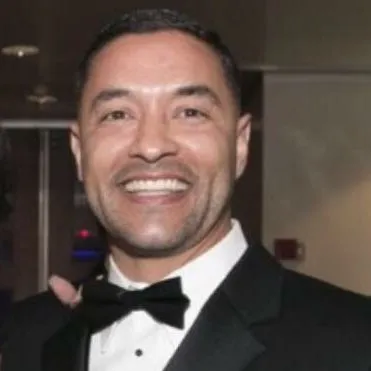
Jose F. Espinoza
Licensed Bail Agent #1841969 · Founder, Espinoza Bail Bonds
Jose F. Espinoza is a U.S. Army veteran, former Military Police officer, and licensed bail agent who founded Espinoza Bail Bonds in 2014. After 25 years of decorated military service, he now brings the same discipline, loyalty, and calm leadership to helping families navigate the bail process. Jose believes in second chances and treats every client with dignity, respect, and compassion.


 Speak to a Bail Agent:
(844) 325-8424
Speak to a Bail Agent:
(844) 325-8424
 Request a Callback: Call
Me
Now!
Request a Callback: Call
Me
Now!
 Other Options:
Contact Us
Other Options:
Contact Us