 Spanish
10 Interesting Things About an Esq. You Should Know
- in Legal Info
Get Someone Out of Jail Fast — 24/7 Help
Reliable, confidential bail bonds available anytime, anywhere in California. We move quickly so you can bring your loved one home.
Get in TouchIf you’re working to get a loved one out of jail, you know that every decision feels monumental. Once bail is posted, the legal battle begins, and that means finding a qualified attorney. You’ll encounter many professionals, and noticing the “Esq.” after their name is common. This isn’t just jargon; it’s a key indicator of their credentials. People often search interesting things about: esq because they want to be sure they’re hiring a true professional. We’ll explore what this title means, the difference between having a law degree and being licensed to practice, and the core principles like attorney-client privilege that protect you throughout your case.
Attorneys, more commonly referred to as lawyers, are highly educated professionals who have completed four years of undergraduate study followed by three years of study at a law school. If you have gotten yourself in trouble with the law, it is important to know a good bail bondsman and good attorney. Attorneys are sworn officers of the court who are legally bound by an ethical code of conduct.
Interesting Things You Should Know About an Esq.
● Attorneys are required to maintain a strict legal confidentiality with their clients, known as “attorney-client privilege.” This means your attorney cannot disclose or discuss any details about your case with anyone but you without your consent, even if you admit to committing a crime. Your attorney-client privilege is interned to allow you to be completely honest with your lawyer, so he or she, may better represent you. ● While attorneys cannot disclose any information you’ve confided to them in the vast majority of circumstances, attorney-client privilege is not absolute. Generally attorney-client privilege only covers what are known as “prior bad acts.” This means that you can tell your attorney anything you have already done, but not everything you are planning to do. As an example, you are protected if you tell your attorney you have already committed murder, but if you tell your lawyer you plan to cause someone harm, and your attorney believes you, the attorney is legally obligated to try and to stop you. ● Most attorneys will work on what is called a “contingency” basis in most civil litigation matters. This means your attorney will only be paid if the court awards you a monetary judgment. This is typically of great benefit to the client, as your attorney having a vested interest in your case will make the needed effort to win you a settlement. Most attorneys will charge an hourly rate or a flat fee to handle other matters. ● A good attorney may sometimes be able to have your case dismissed, without it ever going to court. Some lawyers, called “transactional attorneys,” specialize in making your case go away so you will never even have to see the inside of a courtroom. ● The first lawyers weren’t actually attorneys as we think of them today, but skilled orators who were advocates of the people. These orators mostly wrote speeches for the litigating parties and occasionally spoke before juries. ● An attorney cannot practice law unless and until he or she passes a strict code of ethics exam known as the Model Rules of Professional Conduct test. Having to pass this exam is intended to hold attorneys to the highest possible ethical standards and practices, to ensure their clients receive proper legal representation and protection. ● Attorneys are also bound by a doctrine called “fiduciary duty.” This means that an attorney cannot legally or ethically allow their own personal feelings or interests, or those of a third party, to in anyway interfere with representing their client’s interest. ● As defenders of the U.S. Constitution, your attorney is opposed to any conflicts of interest and is bound to the utmost degree of loyalty to you, their client. Attorneys are prohibited from representing multiple clients if their interests conflict in any manner. Laws against conflict of interest constitute very serious legal issues, and are designed to protect the attorney’s client. For example, if another client seeking representation contacts your attorney and the client’s interest could compromise your case your attorney cannot legally represent the new client. ● While “general practice” attorneys specialize in multiple fields, most attorneys will have their own particular area, or areas, of expertise. This means retaining a “family law” attorney will help ensure you get proper representation during your divorce. ● Just graduating from law school does not make someone an attorney, as they are not yet licensed to practice law. New law-school graduates must first pass the bar exam in the sate, or states, where they intend to practice. Once they pass the bar, all attorneys are sworn in as an “officer of the court” to uphold all the duties of the office.
The Title “Esquire” (Esq.) Explained
You’ve probably seen the letters “Esq.” after a lawyer’s name and wondered what they mean. This title is more than just a fancy-sounding suffix; it signifies that a person has met all the requirements to practice law in their state. It’s a professional designation that separates licensed attorneys from those who simply have a law degree.
Meaning and Significance
In the United States, “Esquire” or “Esq.” is a title of honor used to show that an individual is a licensed attorney. It indicates they have not only graduated from law school but have also passed the state bar exam and are legally authorized to represent clients. Think of it as a seal of approval in the legal world, confirming their qualifications and right to practice law.
Historical Background
The term “Esquire” has roots in the Middle Ages in Great Britain and France. Originally, it was a title given to a man of nobility, specifically a squire who was an apprentice to a knight. Over centuries, the title evolved from a military distinction to one associated with community leadership and, eventually, the legal profession. This rich history adds a layer of tradition to the modern legal field.
“Esq.” vs. “J.D.”: What’s the Difference?
It’s easy to confuse “Esq.” with “J.D.,” but they represent different milestones. A “J.D.,” or Juris Doctor, is the degree a person earns after completing three years of law school. However, simply having a J.D. doesn’t give someone the right to practice law. The title “Esq.” is used only after they have passed the rigorous bar exam and become a licensed member of their state’s bar association.
Proper Usage and Risks of Misuse
Using “Esq.” is reserved exclusively for licensed, practicing attorneys. Someone using the title without being admitted to the bar could face serious consequences, including accusations of practicing law without a license. This rule is in place to protect the public and ensure that anyone offering legal services has met the strict ethical and educational standards required by the profession.
The Path to Becoming a Lawyer
Becoming a lawyer is a long and demanding process that requires years of dedicated study and a series of challenging exams. It’s a journey that tests a person’s intellect, resilience, and commitment to the law long before they ever step into a courtroom. Each step is designed to ensure that future attorneys are fully prepared for the responsibilities they will hold.
The Law School Admission Test (LSAT)
The first major hurdle is the Law School Admission Test, or LSAT. This standardized test doesn’t measure legal knowledge but instead assesses critical thinking, logic, and reading comprehension skills. A high score on the LSAT is crucial for getting into a reputable law school, making it a high-stakes exam that requires months of preparation.
Law School and Advanced Degrees
Once accepted, a prospective lawyer must complete three years of intensive study at an accredited law school. This is where they earn their Juris Doctor (J.D.) degree. The curriculum covers everything from constitutional law and criminal procedure to contracts and torts, providing the foundational knowledge needed to understand the legal system.
Passing the Bar Exam and Code of Ethics
After graduation, the final step is passing the state bar exam. This is a multi-day test that covers a wide range of legal subjects and is notoriously difficult. In addition to the bar exam, candidates must also pass a professional ethics exam to prove they understand the high standards of conduct required of an attorney. Only after successfully completing these steps can they officially be called “Esquire.”
The Attorney-Client Relationship and Professional Duties
When you hire an attorney, you’re not just paying for legal advice; you’re entering into a protected and confidential relationship. This relationship is governed by strict rules that ensure your lawyer acts in your best interest. Understanding these duties can help you feel more secure during a stressful time, especially if you’re also working to secure a bail bond for a loved one.
Attorney-Client Privilege
One of the most important principles of the legal profession is attorney-client privilege. This means that your conversations with your lawyer are completely confidential. Your attorney cannot be forced to share what you’ve discussed with anyone—not the police, not the prosecutor, and not the court—without your permission. This protection allows you to be completely honest about your situation.
Fiduciary Duty and Conflicts of Interest
Attorneys have a “fiduciary duty” to their clients, which is a legal obligation to act solely in their client’s best interest. This means they must avoid any conflicts of interest. For example, a lawyer cannot represent two clients whose interests are opposed. This duty ensures that your attorney’s loyalty is undivided and that their advice is always aimed at achieving the best possible outcome for you.
A Look at a Lawyer’s Work
The image of a lawyer dramatically arguing a case before a jury is a popular one, but it only shows a small fraction of what an attorney actually does. Much of their work happens behind the scenes and involves meticulous research, strategic planning, and careful negotiation. The goal is often to resolve a case efficiently and effectively, which doesn’t always require a courtroom battle.
Daily Tasks Beyond the Courtroom
Most lawyers spend their days conducting legal research, drafting documents, advising clients, and negotiating with opposing counsel. They might be preparing contracts, writing motions, or gathering evidence. This preparatory work is essential for building a strong case and ensuring that every detail is covered before ever going to trial.
Why Most Cases Settle Out of Court
Contrary to what you see on TV, the vast majority of legal cases are settled out of court. Trials can be expensive, time-consuming, and unpredictable. For these reasons, attorneys often work to negotiate a settlement that is favorable to their client. A successful settlement can save everyone involved a great deal of time, money, and stress.
Common Payment Structures
In many civil cases, such as personal injury claims, attorneys work on a “contingency” basis. This means they only get paid if they win the case, typically taking a percentage of the monetary award. For other legal matters, like criminal defense or family law, lawyers usually charge a flat fee or an hourly rate for their services.
Statistics and Fun Facts About the Legal Profession
The legal world is filled with fascinating history, surprising statistics, and influential figures who have shaped society. From the courtroom to the White House, lawyers have played a pivotal role in our country’s development. These facts offer a glimpse into the broader impact and unique characteristics of the legal profession.
Lawyer Salaries in the U.S.
The legal profession is known for being financially rewarding. While salaries can vary widely based on location, specialty, and experience, the average lawyer in the United States earns between $100,000 and $200,000 per year. This compensation reflects the extensive education and high level of responsibility that come with the job.
Lawyers in Politics
A legal background has long been a common path to a career in politics. In fact, 29 out of 45 U.S. presidents were lawyers, including figures like Abraham Lincoln and Barack Obama. Their training in law, debate, and constitutional principles provided a strong foundation for leading the country.
Pioneering Figures in Legal History
The legal profession wasn’t always open to everyone. Arabella Mansfield made history in 1869 when she became the first woman admitted to the bar in the United States. Her determination paved the way for countless other women to enter the legal field and advocate for justice.
Historical Traditions
As we’ve learned, the title “Esquire” has a long and storied past, evolving from a term for a knight’s apprentice to a respected title for a licensed attorney. This connection to history is a reminder of the enduring traditions and principles that underpin the modern legal system, blending centuries-old customs with contemporary practice.
How Many Attorneys Are in the United States?
According to the American Bar Association, there were 1,300,705 licensed attorneys in the United States in 2015.
Frequently Asked Questions
What’s the real difference between someone with a law degree and someone with “Esq.” after their name? Think of it this way: earning a law degree (a J.D.) is like graduating from medical school. The person has the education, but they can’t practice yet. Using “Esq.” is like being a board-certified doctor; it means the person has passed their state’s rigorous bar exam and is officially licensed to represent clients and practice law.
Is everything I tell my lawyer completely confidential? Almost everything. The principle of attorney-client privilege is incredibly strong, protecting conversations about things that have already happened. This allows you to be completely open so your attorney can build the best defense. The main exception involves future harm; if you tell your lawyer you are planning to commit a crime, they are legally required to take action to prevent it.
Why do some lawyers only get paid if they win the case? This is called a “contingency” fee arrangement, and it’s common in civil cases like personal injury claims. It means the lawyer’s payment is contingent on winning a monetary settlement for you. This structure can make legal help more accessible, as you don’t have to pay fees upfront, and it ensures your lawyer is motivated to get a positive result.
Does a lawyer have to be an expert in my specific type of case? While some attorneys handle a wide range of legal issues, many specialize in a particular area, such as criminal defense, family law, or contracts. Hiring a lawyer with experience in your specific situation is always a good idea. Their focused knowledge means they understand the unique challenges and strategies relevant to your case, which can lead to a better outcome.
If a lawyer has a “fiduciary duty,” what does that actually mean for me? Fiduciary duty is a legal and ethical requirement that your attorney must act entirely in your best interest, with complete loyalty. It means they cannot let their own personal feelings, financial interests, or the interests of another person interfere with their work for you. This duty ensures the advice you receive is solely focused on achieving the best possible result for your case.
Key Takeaways
- “Esq.” is your proof of a licensed attorney: This title confirms the person has passed the state bar exam and is legally authorized to represent you, which is a step beyond simply having a law degree.
- Speak openly thanks to legal protections: Attorney-client privilege keeps your conversations confidential, and your lawyer’s fiduciary duty legally binds them to act only in your best interest, without any conflicts.
- A good lawyer often keeps you out of court: Most legal cases are resolved through negotiation and settlement, not trials. This strategic approach saves you time, money, and stress while still aiming for the best possible outcome.
Related Articles
- Interesting Attorney Facts | Espinoza Bail Bonds
- About Legal Counsel – Espinoza Bail Bonds
- Defense Lawyers: What They Do | Espinoza Bail Bonds
- What Does Expungement Mean? | Espinoza Bail Bonds
- Elder Law Explained | Espinoza Bail Bonds California
About the Author
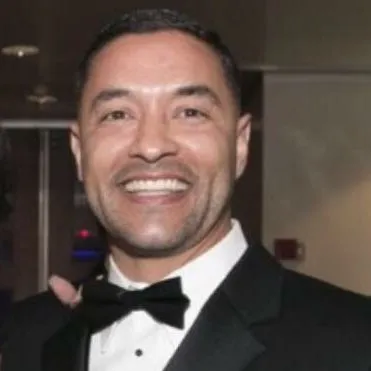
Jose F. Espinoza
Licensed Bail Agent #1841969 · Founder, Espinoza Bail Bonds
Jose F. Espinoza is a U.S. Army veteran, former Military Police officer, and licensed bail agent who founded Espinoza Bail Bonds in 2014. After 25 years of decorated military service, he now brings the same discipline, loyalty, and calm leadership to helping families navigate the bail process. Jose believes in second chances and treats every client with dignity, respect, and compassion.


 Speak to a Bail Agent:
(844) 325-8424
Speak to a Bail Agent:
(844) 325-8424
 Request a Callback: Call
Me
Now!
Request a Callback: Call
Me
Now!
 Other Options:
Contact Us
Other Options:
Contact Us