 Spanish
What Is US Community Accountability, Really?
- in Legal Info
Get Someone Out of Jail Fast — 24/7 Help
Reliable, confidential bail bonds available anytime, anywhere in California. We move quickly so you can bring your loved one home.
Get in TouchThink about the unwritten rules that make a good neighborhood work. You watch out for each other’s kids, you bring in the mail when someone’s on vacation, and if a teenager’s music is too loud, a neighbor might have a friendly word before calling anyone. This is accountability on a small scale; it’s about shared responsibility and direct communication. Lately, there’s a growing conversation about applying this same logic to bigger problems, moving beyond just relying on official systems. This idea, often called US community accountability, asks a powerful question: what if we, as a community, had more tools to address harm and ensure people meet their obligations? It’s not about replacing the system, but reinforcing it with structure and personal responsibility.
Friday Night Lights, Monday Morning Court Dates: What Football Season Tells Us About Community & Accountability
As stadium lights fire up across California and high school, college, and NFL fans pack the stands, football season is more than just a game — it’s a reminder of how community, structure, and accountability work in real life.
Believe it or not, the criminal justice system could take a few notes.
How Is a Football Team Like a Strong Community?
Every Friday night in towns like Bakersfield, Modesto, Stockton, Fresno, and Riverside, people show up for their teams. Win or lose, the players know they’re accountable to the crowd, the coaches, and their own teammates.
You mess up? You sit.
You play dirty? You’re flagged.
You miss practice? You’re off the roster.
It’s not about punishment — it’s about structure.
Where Justice Reform Is Fumbling the Ball
Lately, California’s justice system has been pushing policies that remove accountability from the process entirely. With laws like SB 562, and the broader push to eliminate cash bail, we’re seeing more and more defendants:
-
Released without meaningful oversight
-
Missing court dates
-
Reoffending quickly
-
Never facing consequences
And worse — the communities they hurt have no voice in the outcome.
Community Accountability: An Alternative Framework
When the official justice system seems to be dropping the ball on accountability, it’s natural to look for other solutions. One idea that gets a lot of attention is “community accountability.” It’s a concept that moves away from relying solely on police, courts, and prisons to address harm. Instead, it puts the power and responsibility back into the hands of the community where the harm occurred. But what does that actually look like? It’s not about just letting things slide. In fact, it’s a deeply structured and demanding process that requires more active participation, not less. It’s about creating a framework where harm is addressed directly, transparently, and with the goal of actually fixing the problem.
Defining Community-Led Justice
At its core, community-led justice is about a group of people taking collective responsibility for the well-being of its members. This means creating and maintaining systems for addressing conflict and harm without immediately turning to the state. It’s a proactive approach that sees justice not as a service you call when something goes wrong, but as a value you practice every day. This framework is built on the idea that the people closest to a problem are often the best equipped to solve it, but only if they have the right tools and a shared commitment to the process.
Addressing Harm Outside the State System
Instead of focusing only on punishment, this approach uses concepts like “restorative justice” to create opportunities for growth and repair. The goal isn’t just to penalize someone, but to help everyone learn, grow, and fix the harm that was done. This involves bringing together the person who was harmed, the person who caused the harm, and other community members to have a difficult but necessary conversation. They discuss what happened, who was affected, and what needs to be done to make things right. It’s a hands-on process that requires honesty and a willingness to change, rather than just serving time.
What Defines a “Community”?
When we talk about “community,” it’s easy to just think of the people on your street or in your town. But it’s a much broader concept. A community can be any group of people with a shared connection. According to the national advocacy organization INCITE!, this can include groups based on religion, work, hobbies, or other shared interests. Think about your workplace, your church, your book club, or even the people you play online games with. Each of these is a community with its own set of relationships and norms, and each has the potential to create its own systems for accountability.
Restorative vs. Retributive Justice
To understand community accountability, you have to grasp the difference between restorative and retributive justice. The system we’re most familiar with is retributive—it’s based on retribution, or punishment. It asks: What law was broken? Who did it? And what punishment do they deserve? Restorative justice flips the script. It asks: Who was harmed? What are their needs? And whose obligation is it to meet those needs? It’s a fundamental shift in focus from punishing an offender to healing a victim and a community.
Focusing on Repair Instead of Punishment
The core belief here is that punishment often causes more problems than it solves. Sending someone to jail can destabilize their family, cause them to lose their job, and expose them to more violence, making it harder for them to be a productive member of society upon release. Restorative justice, on the other hand, focuses on repairing the damage. This might mean the person who caused harm pays for counseling for the victim, participates in community service, or joins a support group to address their own issues. The focus is always on what can be done to make the situation better, not just on making someone pay.
Viewing Community Harm as a Public Health Issue
This is a powerful way to reframe the issue. Think about how we handle a disease outbreak. We don’t just treat the sick; we also try to figure out how the disease is spreading and what we can do to stop it. This approach suggests we should recognize that abuse often comes from bigger societal problems, not just individual flaws. Issues like poverty, lack of education, and systemic discrimination can create environments where harm is more likely to occur. By viewing violence and conflict as public health issues, we can start working on preventative solutions that address the root causes, creating healthier and safer communities for everyone.
How Community Accountability Works in Practice
Moving from theory to practice is where the real work begins. Community accountability isn’t a magic wand; it’s a set of deliberate, often difficult, actions that require sustained effort from everyone involved. It’s not a single model but a flexible toolkit of strategies that a community can adapt to its specific needs and values. Success depends on establishing clear principles, building new skills, and having the courage to ask tough questions along the way. It’s about building a muscle that many communities haven’t used in a long time. We at Jose Espinoza Bail Bonds believe in the power of community and structure, and we’re always exploring these topics on our blog.
Core Principles for Success
For community accountability to be more than just a nice idea, it has to be built on a solid foundation. These core principles are non-negotiable. They act as the guardrails that keep the process safe, fair, and focused on its true purpose: healing and justice. Without them, even the best intentions can lead to more harm. These principles ensure that the process empowers the vulnerable, promotes genuine change, and strengthens the fabric of the community rather than tearing it apart.
Prioritizing Survivor Safety and Self-Determination
This is the absolute first priority. Every decision and action must be centered around the safety, well-being, and wishes of the person who was harmed (the survivor). The goal is to support those who are hurt, stop harmful behavior, and change the underlying conditions that allow violence to happen. This means the survivor decides if they want to participate, what they need to feel safe, and what repair would look like for them. The process is voluntary and survivor-led, ensuring that it empowers them rather than re-traumatizing them.
Building New Skills and Normalizing Responsibility
Accountability isn’t something most of us are naturally good at; it’s a skill that needs to be learned and practiced. A successful process involves teaching everyone involved—not just the person who caused harm—new ways of communicating, resolving conflict, and taking responsibility. It’s about creating a culture where admitting you were wrong and making amends is seen as a sign of strength, not weakness. This requires patience, coaching, and a collective agreement to hold each other to a higher standard, much like a dedicated sports team.
Common Strategies and Actions
So, what does this look like on the ground? It’s a combination of proactive education and reactive support systems. It’s about building a community that is both resilient and responsive. These strategies are not mutually exclusive; in fact, they work best when used together. A community that is well-educated about the issues is better prepared to support survivors and intervene effectively when harm occurs. It’s about creating a multi-layered safety net that can catch people when they fall.
Education and Community Awareness
You can’t solve a problem that no one talks about. The first step is often to simply start the conversation. This can take many forms, from sharing flyers and holding community meetings to using street theater or social media to raise awareness about the dynamics of violence and harm. The goal is to educate people on how to recognize harmful behavior, how to intervene safely, and what resources are available for help. It’s about making the topic of accountability a normal part of community life.
Direct Action and Survivor Support
Education needs to be backed up by tangible support. This means creating real, practical resources that help keep people safe. This could involve a community organizing self-defense classes, establishing a network of safe houses or “sanctuaries” for those fleeing violence, or setting up an alternative hotline staffed by trained community members. These actions provide immediate, life-saving support for survivors and send a clear message that the community takes their safety seriously.
Navigating the Complexities
It’s crucial to be honest about the challenges. Community accountability is not a simple or perfect solution. It’s a messy, human process that is filled with potential pitfalls. It requires a level of trust, commitment, and emotional labor that can be difficult to sustain. Acknowledging these complexities isn’t a sign of weakness; it’s a sign of maturity. It allows a community to anticipate problems and build in safeguards to address them, making the entire process stronger and more resilient.
Critical Questions for Community-Led Processes
There are no easy answers here, only important questions that every community must grapple with. For instance, if a community is handling justice internally, how does it avoid becoming a mini-police force or a mob of vigilantes? How do you ensure a fair process that protects everyone’s rights, especially when the people involved have different levels of power and influence? What happens when someone refuses to be accountable? These are the tough questions that must be addressed head-on for any community-led process to have legitimacy and long-term success.
What Happens When Accountability Breaks Down?
Imagine a football team where:
-
Players never had to attend practice
-
There were no penalties for fouls
-
The scoreboard was shut off
-
The referees were told not to intervene
That’s not a team. That’s chaos.
That’s what the justice system becomes without bail and without systems in place that keep people engaged, responsible, and visible.
Why Bail Is a Key Player in Community Safety
At Espinoza Bail Bonds, we’re not just here to post a bond and walk away. We’re part of the community structure that works like a football team:
-
We explain the rules (court process)
-
We help our clients prepare (just like coaches)
-
We track court dates and ensure compliance (the playbook)
-
We show up when someone doesn’t (like a linebacker on defense)
And we do it without costing taxpayers a dime.
Bringing Accountability Back to Your Community
From Los Angeles and Santa Clara to Sacramento and Shasta, bail agents play a quiet but crucial role in helping the system work. In many counties, families rely on local bail agents to:
-
Help loved ones get home fast
-
Understand complex legal requirements
-
Avoid deeper entanglement in the system
Without us, the state either spends more or loses control altogether.
Our Game Plan for Community Accountability
This football season, remember:
Structure matters. Accountability matters. And the system only works when people show up.
If we want safer neighborhoods, smarter policies, and a more just California — we need more than feel-good reform. We need systems that work.
Ensuring Accountability Within the Legal System
Accountability is about taking responsibility, and that’s a choice. While the legal system can feel impersonal, using a bail bond is a proactive step toward meeting your obligations. It’s a commitment, backed by family and a trusted agent, to see the process through. This structure doesn’t just ensure you show up for court; it allows you to stay connected to your job, family, and community—the very support system that encourages true accountability. It’s a way to work within the system, not just be processed by it, keeping responsibility where it belongs: with the individual and their community.
Fast, Supportive Service When You Need It Most
When a loved one is arrested, the world stops. The confusion and fear are overwhelming, and you need help immediately, not tomorrow. That’s why we’ve built our entire service around being fast, responsive, and genuinely supportive. Since 1999, our team has been available 24/7 to answer your call, explain your options, and start the release process right away. We see ourselves as more than just a service; we are a support system for families across California, providing guidance from the moment of arrest through the final court date. If you need help, don’t wait. Contact us now.
About the Author
Jose Espinoza is a licensed California bail agent, U.S. Army veteran, and founder of Espinoza Bail Bonds. With over two decades of experience and a background in military police, Jose believes in smart reform rooted in accountability, safety, and service to the community.
License: CA Bail Agent #1841969
Contact Espinoza Bail Bonds
-
Call: (844) 325-8424
-
Website: joseespinozabailbonds.com
-
Facebook: facebook.com/onlinebailbonds
-
Instagram: @espinozabailbonds
Frequently Asked Questions
What is community accountability? Community accountability is an approach where a group of people, like a neighborhood or organization, takes responsibility for addressing harm and conflict among its members. Instead of relying only on police or courts, it uses methods like restorative justice to repair the harm done, support the person who was hurt, and help the person who caused the harm change their behavior.
How is this different from the regular justice system? The traditional justice system is mostly “retributive,” meaning it focuses on punishing someone for breaking a law. Community accountability is “restorative,” so it focuses on repairing the harm caused to people and relationships. The goal isn’t just to penalize an offender but to figure out what the person who was harmed needs and how the community can heal and become stronger.
Does community accountability mean there are no consequences? Not at all. It’s about creating meaningful consequences that lead to real change, rather than just punishment for its own sake. Accountability in this model might look like the person who caused harm paying for counseling, participating in community service, or joining a support group to address their own issues. It requires active participation and a genuine commitment to making things right.
Why does the blog post connect bail bonds to this idea? The post argues that both community accountability and the bail bond process are built on a foundation of structure and personal responsibility. A bail bond acts as a formal commitment, ensuring a defendant shows up for court and follows the rules. It keeps individuals connected to their community and support systems, which is a key part of taking responsibility for one’s actions within the legal framework.
Is community accountability a realistic solution? It’s a complex process with real challenges. For it to work, a community needs strong principles, like always prioritizing the safety of the person who was harmed, and a willingness to learn new skills for resolving conflict. It’s not a simple fix, but it offers a powerful framework for creating safer, more connected communities by addressing problems at their root.
Key Takeaways
- Accountability needs structure to work: A community, much like a football team, thrives on clear rules and shared responsibility. Whether through community-led justice or the existing legal system, a defined framework is essential for ensuring people meet their obligations.
- Community-led justice focuses on repair: This approach is an active process that addresses harm directly within a community. It prioritizes the survivor’s needs, focuses on repairing the damage caused, and teaches skills for resolving conflict, rather than relying solely on punishment.
- Bail bonds provide a framework for responsibility: The bail system acts as a structural tool within the legal process. It creates a clear commitment for a defendant to appear in court, allowing them to stay connected to their job and family while navigating their legal requirements.
Related Articles
- LA Times Comments on California Prison Reform
- 5 Major Things about California’s New Bail Reform Law
- How California’s Soft-on-Crime Policies Are Failing Families – Espinoza Bail Bonds
- The Truth About Bail Reform in California: Who It Helps, Who It Hurts, and What’s Next – Espinoza Bail Bonds
- Bail Reform & Pretrial Detention – Espinoza Bail Bonds
About the Author
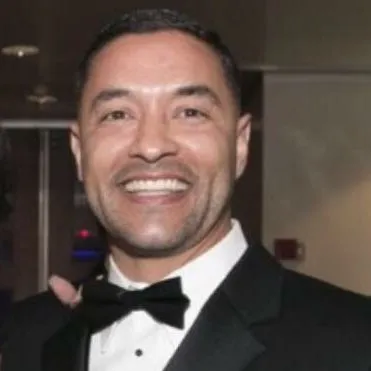
Jose F. Espinoza
Licensed Bail Agent #1841969 · Founder, Espinoza Bail Bonds
Jose F. Espinoza is a U.S. Army veteran, former Military Police officer, and licensed bail agent who founded Espinoza Bail Bonds in 2014. After 25 years of decorated military service, he now brings the same discipline, loyalty, and calm leadership to helping families navigate the bail process. Jose believes in second chances and treats every client with dignity, respect, and compassion.


 Speak to a Bail Agent:
(844) 325-8424
Speak to a Bail Agent:
(844) 325-8424
 Request a Callback: Call
Me
Now!
Request a Callback: Call
Me
Now!
 Other Options:
Contact Us
Other Options:
Contact Us