 Spanish
Motorcycle Helmet Laws: What If You’re Arrested?
- in Laws
Get Someone Out of Jail Fast — 24/7 Help
Reliable, confidential bail bonds available anytime, anywhere in California. We move quickly so you can bring your loved one home.
Get in TouchMany riders assume a helmet violation is just a minor ticket. In reality, the consequences can be far more serious, sometimes leading to an arrest and time in jail. This isn’t just an inconvenience; it can disrupt your job, your family, and your entire life. That’s why a clear understanding of motorcycle helmet laws is so important for every rider. This guide explains the legal landscape, the potential penalties for a violation, and how the bail process works if you find yourself in a difficult situation. It’s essential information to protect yourself and your freedom.
Motorcycle helmet laws vary across the United States. Some states require all motorcyclists and passengers to wear helmets at all times. Other states don’t require helmets at all. A person who violates a motorcycle helmet law can find themselves arrested and taken to jail. This can mean a loss of liberty and interrupted plans. It can mean wondering how to get to work or take care of family members while waiting for a court date. Motorcycle accident stats are high as compared to car accidents.
The Data on Helmet Effectiveness
Beyond the legal requirements, it’s helpful to understand why these laws exist in the first place. The conversation around motorcycle helmets isn’t just about rules; it’s about safety, and the statistics paint a very clear picture. While riding offers an incredible sense of freedom, it also comes with inherent risks. The data shows that one of the most effective ways to manage that risk is by wearing a helmet. It’s a simple piece of gear that can dramatically change the outcome of an accident, protecting not just your life but also your future and your family from the devastating impact of a serious injury.
Reducing Head Injury Risk
The numbers don’t lie when it comes to head protection. According to research, wearing a helmet is one of the most critical decisions a rider can make. Studies have found that helmets can reduce the risk of a head injury by as much as 69%. A serious head injury can lead to lifelong complications, affecting everything from your ability to work to your personal relationships. Choosing to wear a helmet is a proactive step toward safeguarding your well-being every time you get on your bike. It’s a small action that provides a massive layer of protection against the unexpected.
Impact on Fatality Rates
The data also reveals a strong connection between helmet laws and the number of motorcycle-related deaths. States with universal helmet laws—meaning every rider and passenger must wear one—have seen 11.1% fewer motorcyclist fatalities. On the other hand, when states repealed these universal laws, they experienced a 12.2% greater increase in deaths than what was anticipated. This shows that widespread helmet use has a direct and measurable effect on saving lives. The laws are a reflection of this public health data, aiming to reduce the number of tragic and preventable deaths on our roads.
A Brief History of U.S. Helmet Legislation
The debate over motorcycle helmet laws is not a recent development. It has a long and complex history in the United States, reflecting a classic tension between public safety initiatives and arguments for personal freedom. Understanding how these laws came to be, and why they vary so much from state to state, involves looking back at key moments in federal and state legislative history. This back-and-forth has shaped the legal landscape that riders must follow today, creating the patchwork of different rules you see across the country.
The Highway Safety Act of 1966
The first major push for nationwide helmet use came in the mid-1960s. With the passage of the Highway Safety Act of 1966, the federal government took a strong stance on the issue. To encourage states to adopt universal helmet laws, the government tied the legislation to federal highway funding. States that failed to enact helmet laws faced the threat of losing a portion of their funds. This financial incentive was highly effective, and as a result, most states passed the required laws during this period, marking the first time helmet use was widely mandated across the country.
State Repeals and the Personal Freedom Debate
The federal government’s approach changed in 1976 when Congress decided it would no longer penalize states for not having a universal helmet law. This shift in policy reignited the debate around personal liberty, and many states began to repeal their laws. Opponents argued that the decision to wear a helmet should be a personal choice rather than a government mandate. Despite this debate, courts have generally affirmed that states have the right to enact helmet laws for public safety. Regardless of where you stand, violating a current law can lead to an arrest. If you or a loved one find yourself in that situation, understanding your options for bail bonds is a critical next step.
Why Call a Bail Bondsman for a Helmet Law Violation?
Working with a bail bonds company can help motorcyclists who face a helmet law violation charge. If the person charged isn’t in jail it’s easier to secure an attorney. A bail bondsman can help a person charged to take care of family members or continue to work while they wait for upcoming court dates. In addition, a person who bonds out of jail may be able to take remedial measures to help their case. Their attorney can talk to the state’s attorney about ways to resolve the case without a trial. They might be able to show proof that they’ve purchased a helmet. The state might want to see proof that the driver has health insurance if it’s a state that requires it.
How Does the Bail Bond Process Work?
When a person faces a motorcycle helmet law charge, the court or the jail gives them a bond amount. They can pay this amount to the court and get out of jail immediately. If they don’t show up for their court date, they forfeit the posted money. A person who faces a motorcycle helmet charge can work with a bail bondsman if they can’t pay the bond amount. The person charged calls the bonds company from jail or a family member calls on their behalf. The person charged gives the bond company a percentage of the actual bond. The bail bonds company sets the price for the bond. Then, the bail bonds company posts the entire bail with the court. The jail releases the charged person from jail. Then, the person charged with violating the helmet law can attend to their affairs while they await their day in court. A person might have conditions to comply with while they’re released on bond. The court might tell them not to drink alcohol. They might not be able to drive their motorcycle at all. If they violate their bond conditions, the court can revoke the bond and order them to wait in jail until the case resolves.
Understanding State-by-State Motorcycle Helmet Laws
Helmet laws vary from state to state. That means that what’s legal in California might not be legal in Florida. In addition, motorcycle helmet laws are often nuanced. Some states require helmets only for certain types of motorcycles. Other states might require helmets based on age. Failing to wear a helmet might be a civil infraction or a crime. If it’s a civil infraction, it’s not something that the police can arrest a driver for when they see a violation. If it’s a crime, they can make an arrest any time that they see a person without a helmet on the roads.
Which States Don’t Require Motorcycle Helmets?
The states that don’t require helmets are in the minority. Most states have a helmet law of some kind. That’s because the U.S. government promised states federal funding in exchange for passing tough helmet laws. The U.S. Department of Transportation penalized states without helmet laws for about ten years and then stopped the practice in the 1970s. Motorcycle helmets are the most effective tool for keeping motorcyclists safe. Motorcyclists who don’t wear helmets suffer brain injuries in motorcycle crashes at a high rate compared to drivers who choose to wear helmets. Even so, requiring motorcyclists to wear helmets against their will remains controversial.
Universal Helmet Laws
Some states keep things simple with what are known as universal helmet laws. This means that every single person on a motorcycle—whether they are driving or just a passenger—must wear a helmet at all times. There are no exceptions for age, experience, or the length of your trip. California is one of these states, along with others like Washington, Oregon, and New York. According to the Insurance Institute for Highway Safety, this all-or-nothing approach is enforced in over a dozen states. If you’re riding in one of these locations, the rule is clear: no helmet means you’re breaking the law. A violation could result in a hefty fine or, in some cases, an arrest, creating a stressful situation that can disrupt your life and work.
Age-Based Helmet Laws
The most common type of motorcycle helmet regulation in the U.S. is based on the rider’s age. In these states, only younger riders are legally required to wear a helmet. The specific age cutoff varies quite a bit, which can be confusing if you’re traveling across state lines. For example, many states mandate helmets for anyone 17 and younger, while others set the age at 20. This patchwork of laws means that on the same stretch of highway, you could see one rider legally going without a helmet while another is required to wear one. It’s a system that places the responsibility on the rider to know the exact rules for their age in that specific location, and a mistake can lead to an unwanted encounter with law enforcement.
Exceptions and Special Conditions
To add another layer of complexity, some states that don’t have universal helmet laws still have special conditions for older riders who choose not to wear one. For instance, states like Florida and Texas permit riders 21 and older to go helmet-free, but only if they can prove they carry a certain amount of medical insurance coverage. Other states might require the completion of a motorcycle safety course in addition to extra insurance. These conditional rules are easy to misunderstand. A rider might think they are compliant simply because they are over the age limit, not realizing they also need specific paperwork to prove they meet the other requirements. This kind of misunderstanding can unfortunately lead to a traffic stop that ends in an arrest.
Can Skipping a Helmet Hurt Your Civil Case?
Choosing to wear a helmet might also play a role in determining civil liability in the event of a crash. In some states, a court might be more likely to assign negligence to a motorcyclist who chose not to wear a helmet. In other states, the law looks only at how the accident occurred rather than whether a motorcyclist wearing a helmet at the time of the crash. Consider Reading about what to do after a car crash
Contributory vs. Comparative Negligence
How states handle negligence can make a big difference in a civil case. In “contributory negligence” states, if you are found even 1% at fault for your injuries, you can be barred from recovering any compensation. This is a very strict rule. More common are “comparative negligence” states, where your compensation is simply reduced by your percentage of fault. For example, if you are found 20% at fault, your final award is reduced by 20%. Choosing not to wear a helmet could lead a court to assign you a higher percentage of fault for your head injuries, potentially reducing the amount you can recover after a crash, even if the other driver caused the accident.
Choosing a Safe Helmet
Once you’ve committed to wearing a helmet, the next step is choosing the right one. This decision is just as important as the decision to wear one in the first place. The market is flooded with options, from sleek, stylish designs to heavy-duty, feature-rich models. However, not all helmets offer the same level of protection. A safe helmet is your single most important piece of gear, and knowing what to look for can be the difference between a close call and a tragedy. It’s about more than just style or comfort; it’s about investing in a piece of equipment specifically engineered to save your life. Let’s break down the key things you need to check for to ensure the helmet you choose is up to the task.
Look for the DOT Sticker
The first and most crucial thing to look for is the Department of Transportation (DOT) sticker on the back of the helmet. This small sticker is a big deal. It signifies that the helmet’s manufacturer certifies that it meets the minimum safety standards set by the federal government. Helmets that meet these DOT standards are designed to absorb impact and protect your head in a crash. A legitimate DOT sticker is permanent and won’t peel off easily. Be wary of counterfeit stickers on flimsy, cheap helmets. This certification is the baseline for safety, so if a helmet doesn’t have it, you should immediately put it back on the shelf and walk away. It’s a non-negotiable feature for any rider.
Understanding Snell and Other Certifications
Beyond the required DOT certification, you might see other stickers on a helmet, most commonly from the Snell Memorial Foundation. Snell is a non-profit organization that provides a more rigorous, voluntary testing and certification program. While DOT sets the minimum standard, Snell certification indicates a helmet has passed additional, more demanding tests, often related to high-performance and racing scenarios. You might also see ECE certification, which is the standard used in Europe. While not required in the U.S., many consider it to be a very thorough standard. When you choose a helmet with one of these additional certifications, you’re often getting a product that has undergone an extra level of scrutiny for safety and performance.
Avoiding Unsafe “Novelty” Helmets
You’ve probably seen them—thin, light, and often decorated with spikes or other flashy designs. These are “novelty” helmets, and they are dangerously misleading. These helmets are sold as fashion accessories and offer virtually no protection in an accident. They are not designed to meet safety standards and will not protect you from a head injury. The Insurance Institute for Highway Safety (IIHS) warns that these helmets significantly increase the risk of serious injury or death. They may look cool, but they lack the impact-absorbing liner and strong outer shell of a certified helmet. Always prioritize your safety over style and ensure any helmet you purchase has, at a minimum, a legitimate DOT sticker.
Beyond Helmets: Other Motorcycle Safety Rules
While wearing a certified helmet is the most critical safety measure a motorcyclist can take, it’s not the only one. Safe riding is a comprehensive practice that involves your gear, your technique, and your awareness of the law. Different states have specific rules of the road for motorcycles that go beyond helmet use. Understanding these rules isn’t just about avoiding a ticket; it’s about positioning yourself safely on the road and reducing your risk of being in an accident. From how you share a lane to where you position yourself in traffic, these practices are essential components of a defensive riding strategy. Let’s explore a few key rules and techniques that every rider should know.
Lane Splitting and Filtering
Lane splitting, also known as lane filtering, is the act of riding a motorcycle between lanes of slow-moving or stopped traffic. Its legality is a hot topic and varies by state. California, for example, is one of the few states where it is legally permitted. Proponents argue that it can be a safe maneuver when done responsibly. According to the Motorcycle Safety Foundation, lane splitting can help reduce a rider’s risk of being hit from behind in congested traffic, a common cause of motorcycle accidents. However, it requires skill, caution, and a deep awareness of the surrounding vehicles. If you choose to lane split where it’s legal, it’s crucial to do so at a low-speed differential and to be on high alert for cars changing lanes unexpectedly.
Riding Side-by-Side
Riding with friends is one of the great joys of motorcycling, but it’s important to maintain a safe formation. While it might seem social to ride side-by-side in the same lane, it’s a dangerous practice that significantly reduces your margin for error. Doing so leaves no room for either rider to swerve or react to a sudden hazard on the road, like a pothole or debris. The Motorcycle Safety Foundation recommends a staggered formation, where riders are positioned in alternating thirds of the lane. This gives each rider their own space to maneuver while still keeping the group compact. Always prioritize having an escape path over riding in a tight, parallel formation.
Frequently Asked Questions
Why would I get arrested for a helmet violation instead of just getting a ticket? While many helmet violations result in a simple fine, an arrest is a real possibility. Whether it’s a ticket or an arrest often depends on the specific state law, the circumstances of the traffic stop, or if there are other existing issues like an outstanding warrant. Some jurisdictions treat the violation as a criminal misdemeanor, which gives an officer the authority to make an arrest. This can quickly turn a simple ride into a serious legal problem that requires immediate action to get your life back on track.
If I am arrested, why should I call a bail bondsman instead of just paying the bail myself? Paying the full bail amount yourself can be a huge financial strain, sometimes costing thousands of dollars that you won’t get back until your case is completely over. When you work with a bail bondsman, you only pay a small fraction of that total amount as a nonrefundable fee. The bondsman then posts the full bail on your behalf. This allows you to get out of jail quickly while keeping your own money available for your family, your job, and hiring an attorney.
I’m still a bit confused by all the different state laws. What’s the safest bet when I travel? The simplest and most effective way to stay legal and safe is to always wear a helmet that meets Department of Transportation (DOT) standards. With laws changing from one state to the next, wearing a certified helmet every time you ride is the only way to guarantee you are compliant no matter where you are. This is especially true in California, which has a universal helmet law requiring all riders and passengers to wear one.
Is a cheap “novelty” helmet good enough to avoid a ticket? No, a novelty helmet is not a safe or legal substitute for a certified one. These helmets are designed for looks and offer no real protection in a crash. They do not meet the minimum safety standards required by law, which is what the DOT sticker signifies. An experienced police officer can often spot a non-compliant helmet, so wearing one may not even help you avoid a ticket, and it certainly won’t protect you from a head injury.
If I’m in an accident without a helmet, does that mean it’s automatically my fault? Not wearing a helmet doesn’t automatically make you at fault for causing the accident itself. However, it can seriously impact your ability to get compensation for your injuries. In a civil case, the court may determine you were partially responsible for the severity of your own head injuries because you chose not to wear a helmet. This is called comparative negligence, and it could reduce the amount of money you can recover from the person who actually caused the crash.
Key Takeaways
- Understand Your State’s Helmet Laws: Rules differ everywhere, and a violation can mean more than a simple fine; it can lead to an arrest. Knowing the specific laws for your age and location is essential to stay on the road and out of jail.
- Your Helmet Needs a DOT Sticker: A helmet’s most important feature is its safety certification. Always check for a legitimate Department of Transportation (DOT) sticker to ensure it meets federal safety standards, and avoid novelty helmets that offer no real protection.
- An Arrest Doesn’t Have to Mean Jail Time: If a helmet violation leads to an arrest, a bail bond agent can help you secure a quick release. This allows you to return to your job and family while you handle the legal process, rather than waiting in a cell.
Related Articles
- Motorcycle Helmet Laws | Espinoza Bail Bonds
- Motorcycle Accidents Statistics | Espinoza Bail Bonds
- Drunk Biking | Espinoza Bail Bonds California
- Traffic Offenses | Espinoza Bail Bonds California
- What to Do After a Hit and Run in California
About the Author
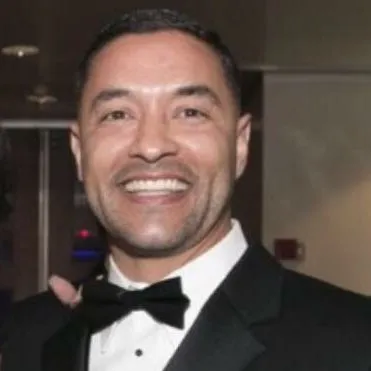
Jose F. Espinoza
Licensed Bail Agent #1841969 · Founder, Espinoza Bail Bonds
Jose F. Espinoza is a U.S. Army veteran, former Military Police officer, and licensed bail agent who founded Espinoza Bail Bonds in 2014. After 25 years of decorated military service, he now brings the same discipline, loyalty, and calm leadership to helping families navigate the bail process. Jose believes in second chances and treats every client with dignity, respect, and compassion.

 Speak to a Bail Agent:
(844) 325-8424
Speak to a Bail Agent:
(844) 325-8424
 Request a Callback: Call
Me
Now!
Request a Callback: Call
Me
Now!
 Other Options:
Contact Us
Other Options:
Contact Us