 Spanish
Auto Recall Explained: What Owners Need to Know
- in Laws
Get Someone Out of Jail Fast — 24/7 Help
Reliable, confidential bail bonds available anytime, anywhere in California. We move quickly so you can bring your loved one home.
Get in TouchThat official-looking letter in your mailbox can be unsettling. It’s an auto recall notice for your car. What does it mean? Is your car unsafe to drive? And what are you supposed to do next? If you’ve ever felt a little lost by the process, you’re not alone. A recall is your right to a free repair for a serious safety issue. This guide will walk you through exactly how to handle it, from checking for recalls to dealing with a difficult dealership. We’ll make sure you get the fix you’re entitled to.
Typically this notification consists of a letter from the vehicle’s manufacturer (Ford, GM, Toyota etc.) telling owners about a safety defect on their car and offering a free repair at a dealership. Sometimes manufacturers are proactive and notify owners of a problem before an official recall is issued.
What an Auto Recall Means for Your Car
Auto recalls tend to be somewhat like bail bonds. The process begins after there have been serious accusations of bad behavior.
- A bail bondsman takes action to get a suspect out of jail, buying the accused temporary freedom and time to fight the charge.
- An auto recall is often not issued until the safety defect has been responsible for deaths and serious injuries (the crime).
- Fixing the defect can be very expensive (like the high bail a court can require), but it’s better to pay it than risking continuing and overwhelming legal costs and penalties (or remaining in jail).
Who Issues an Auto Recall?
Auto recalls won’t prevent those deaths or injuries caused by drunk or distracted drivers, but they are intended to prevent as many accidents as possible caused by unsafe vehicles. The National Highway Traffic Safety Administration has the authority to require vehicle manufacturers to recall vehicles with safety defects or that don’t meet required safety standard. Every vehicle must meet minimum performance requirements (Federal Motor Vehicle Safety Standards) for tires, lights, brakes, and other parts of the vehicle having the most effect on safety. Vehicles must also conform to minimum standards for seat belts, airbags, and other parts of the vehicle specifically designed to protect drivers and passengers in an accident.
The Recall Process and Scope
What Qualifies for a Recall?
A vehicle recall is issued when a manufacturer or the National Highway Traffic Safety Administration (NHTSA) determines that a vehicle, piece of equipment, car seat, or tire presents a safety risk or fails to meet federal safety standards. This isn’t about minor cosmetic flaws or normal wear and tear. We’re talking about significant issues that could compromise your safety on the road, like faulty airbags, braking system problems, or steering component failures. The official guidelines from the NHTSA clarify that a recall is necessary when a defect “poses a risk to motor vehicle safety.” This ensures that the problems being addressed are serious enough to warrant a widespread, mandatory fix for all affected vehicles.
How Manufacturers Notify Owners
When a recall is announced, the vehicle manufacturer is legally required to notify all registered owners. You’ll typically receive an official letter in the mail detailing the safety issue, the potential risks, and instructions on how to get the problem fixed. This is why it’s so important to keep your vehicle registration and address current. However, you don’t have to wait for a letter to arrive. You can proactively check for recalls using your car’s Vehicle Identification Number (VIN) on the NHTSA’s website. The best part is that the manufacturer must provide the repair or replacement part completely free of charge, even if you never received the official notice in the mail.
How to Check for a Recall
Finding out if your car has an open recall is simpler than you might think. Staying on top of potential safety issues is a key part of responsible car ownership, and there are official, easy-to-use resources available to help you. The most direct method involves using your car’s unique identification number, but you can also set up alerts to be notified automatically. Taking a few minutes to check can give you valuable information about your vehicle’s safety and ensure you get any necessary repairs done promptly and correctly.
Using Your Vehicle Identification Number (VIN)
Your car’s Vehicle Identification Number (VIN) is the most effective tool for checking its recall status. This 17-character code is unique to your vehicle, much like a fingerprint. You can typically find it on the driver’s side of the dashboard where it meets the windshield, or on a sticker inside the driver’s side doorjamb. Once you have the VIN, you can visit the National Highway Traffic Safety Administration (NHTSA) website and use their free tool to check for recalls. Simply enter the number, and the system will show you any unrepaired safety recalls issued for your car over the last 15 years. It’s a quick and reliable way to get peace of mind.
Understanding VIN Lookup Results
When you enter your VIN, the search results will clearly state whether there are any open recalls for your specific vehicle. If a recall is listed, it means the manufacturer has identified a safety issue that requires a fix. In addition to online checks, manufacturers are required to notify registered owners by mail. This is why it’s crucial to keep your vehicle registration and address updated with the DMV. An old address could cause you to miss a critical safety notification. The letter you receive will describe the problem, outline the potential risks, and provide clear instructions on how to get the issue repaired for free.
Other Ways to Stay Informed
If you prefer a more proactive approach, you can stay informed without having to remember to check for recalls manually. The NHTSA allows you to sign up for email alerts that notify you of new recalls. You can register your vehicle’s year, make, and model to receive updates as soon as a recall is announced that might affect your car. This service is a great way to stay ahead of potential safety problems. Setting up these alerts ensures you’re among the first to know if a defect is discovered, giving you the chance to schedule a repair as soon as possible.
Getting a Recall Fixed
Once you’ve confirmed your vehicle has an open recall, the next step is getting it fixed. The good news is that the law is on your side, and you shouldn’t have to pay anything for the repair. The process is designed to be straightforward, but knowing your rights can help you handle the situation confidently. From understanding what a “free remedy” includes to knowing what to do if you encounter resistance from a dealership, being prepared makes the entire process smoother and less stressful.
Your Right to a Free Remedy
If your vehicle is part of a safety recall, the manufacturer is legally required to provide a remedy at no cost to you. This isn’t a courtesy; it’s the law. The specific remedy depends on the nature of the defect. In most cases, the manufacturer will repair the faulty part. Other options include replacing the part or the entire vehicle, or even offering a refund. In rare instances involving very serious defects, the manufacturer may be required to buy the vehicle back. The official recall notice you receive in the mail will detail the exact remedy being offered for your vehicle.
Types of Free Repairs
When a recall notice says the repair is free, it means 100% free. The vehicle manufacturer is responsible for covering all associated costs. This includes the price of any new parts needed for the fix as well as the labor charges for the technicians at the dealership who perform the work. You should not receive a bill or be asked to pay for any portion of the recall service.
Age Limits on Free Repairs
It is important to be aware that this right to a free repair generally has a time limit. The federal requirement for a free remedy typically applies to vehicles that are up to 10 years old, calculated from the date of the original sale. If your car is older than that when the recall is issued, the manufacturer may not be obligated to provide the fix for free, though some will do so voluntarily.
What to Do if a Dealer Refuses Service
An authorized dealership should never turn you away for a legitimate recall repair on a vehicle they service. However, if you find yourself in a situation where a dealer refuses to perform the work, you have clear steps to take. Your first action should be to contact the vehicle manufacturer’s corporate customer service department directly. Explain what happened and provide the name of the dealership. If the manufacturer is unhelpful, your next step is to file a complaint with the NHTSA. This helps the agency track non-compliant dealers and can motivate the manufacturer to resolve the issue.
Which Cars Get Recalled Most (and Least)?
Auto recalls are far more common than most people would expect. Out of every 1,000 similar cars manufactured, how many recalls would you expect? Five? Ten? Two hundred? The real number of recalls is shocking. Just take a look. How would your car stack up?
The top five manufacturers with the fewest recalls between 1985-2016 include:
- Porsche: 531 – just over half of all cars had one recall notice
- Mercedes-Benz: 624
- Kia: 788
- Tesla: 936
- Mazda: 955 – almost every Mazda required a recall
The manufacturers above had the best records. Remember that the number of recalls is per 1,000 vehicles, so any number over 1,000 means that typical cars produced by that manufacturer had more than one safety recall notice.
The five manufacturers with the worst recall histories include:
- BMW: 1,196 – on average, each BMW had one or more recall notices
- Hyundai: 1,266
- Honda: 1,307
- Chrysler (FCA): 1,422
- Volkswagen Group: 1,805 – this doesn’t include recalls issued because of the diesel emissions scandal
Auto recalls are far more common than most people would expect.
Can a Dealer Legally Sell a Car with an Open Recall?
The answer is “Yes.” Consumer advocates sued the FTC for decisions in several cases that allowed car dealers to place ads that most people would consider deceptive. The consumer lawsuit asked a court to review and overturn consent agreements between the FTC, manufacturers, and dealers. The FTC had decided that certain dealers would be allowed to continue advertising vehicles with unrepaired or open recalls as safe. An ad saying that a dealer’s used cars were “certified” or “inspected” does not necessarily mean that any safety defect has been repaired.
How to Check for Recalls Before You Buy
There are several things you can do to protect yourself when buying a used vehicle.
- Visit Safercar.gov to see if there are any recall notices on that car and ask for proof the repair was completed.
- Use CarFax to check the car’s accident record.
- Have your mechanic check the vehicle.
Don’t be surprised to someday receive a recall notice on your car, but be sure to take the car in to be repaired. Many people do not, putting themselves and others at risk. Vehicle recalls are serious business.
Consider reading about gun control law in California
Why Many Recalls Go Unrepaired
Receiving a recall notice is one thing, but acting on it is another. It’s surprising how many of these critical safety warnings go ignored, leaving potentially dangerous vehicles on the road. Life gets busy, and it’s easy to put that letter aside and forget about it. However, an unrepaired recall isn’t just a personal risk; it’s a public safety issue. Understanding why so many recalls are overlooked is the first step toward recognizing the importance of getting your vehicle fixed promptly. The statistics paint a clear picture of a widespread problem that affects drivers everywhere, including right here in California.
Recall Statistics and Consumer Behavior
It’s a startling fact, but not every recalled car gets fixed. According to Kelley Blue Book, only about 75% of vehicles with a recall notice actually receive the necessary repairs. This leaves millions of potentially unsafe cars on the road. Why the gap? Sometimes, recall notices get lost in the mail, especially if you’ve moved or bought the car used. For others, the inconvenience of scheduling an appointment and leaving their car at a dealership feels like too much of a hassle for a problem that doesn’t seem immediate. But ignoring a recall can have serious consequences, turning a manageable inconvenience into a major safety risk for you and others on the road.
The Impact of Vehicle Age on Repair Rates
The older a car is, the less likely it is to be repaired. According to the Alliance for Automotive Innovation, the repair rate drops dramatically with age. For cars between five and ten years old, only about 44% of recalls are addressed. For vehicles over ten years old, that number plummets to just 29%. This happens for a few reasons. As cars change hands, it becomes harder for manufacturers to track down the current owner. Plus, owners of older, less valuable cars might be more hesitant to take their vehicle to a dealership for a free repair, sometimes mistakenly thinking there will be a catch or that the issue isn’t critical on an older model.
The Consumer’s Role in Safety
While manufacturers and the NHTSA are responsible for identifying defects and issuing recalls, vehicle owners play a crucial role in the safety process. It’s not just about responding to a notice you get in the mail. Being a proactive car owner means actively checking for recalls and reporting potential problems you experience. Your awareness and action can protect not only yourself and your passengers but also everyone else sharing the road. Think of it as your contribution to public safety—a responsibility that extends beyond just following traffic laws. Taking a few minutes to check on your vehicle’s status is a simple action with a powerful impact.
How to Report a Potential Safety Problem
If you believe your vehicle has a safety defect that hasn’t been recalled, you have the power to do something about it. You can report the problem directly to the National Highway Traffic Safety Administration (NHTSA) through their website, Safercar.gov. When the NHTSA receives multiple reports of the same issue from different owners, it can trigger a formal investigation and potentially lead to a new recall. It’s also important to remember that even if you never received a recall letter, the manufacturer is still obligated to perform the repair for free if your vehicle is part of an official recall. Your voice matters, and reporting a potential issue is a critical step in keeping our roads safe.
Frequently Asked Questions
Is it safe to drive my car if it has an open recall? The level of risk really depends on the specific problem. Some recalls address issues that could pose an immediate danger, like problems with brakes or airbags, while others might be less critical. Your official recall notice should describe the potential safety hazard. If you’re unsure, the best course of action is to call an authorized dealership, explain the recall, and ask for their guidance on driving the vehicle before it’s repaired.
Do I have to take my car to the same dealership where I bought it? Not at all. You can take your vehicle to any authorized dealership for that specific brand. For instance, if you have a recall on a Honda, any official Honda service center is required to perform the recall work for free. This is true even if you bought the car from a private seller or a different dealership.
What if I already paid for a repair before the recall was announced? You may be eligible for a refund. If you paid out of pocket for a repair that is now the subject of a safety recall, you can submit a claim for reimbursement to the vehicle manufacturer. You will need to provide documentation, such as the invoice and proof of payment from the repair, so it’s always a good idea to keep detailed service records for your car.
I bought my car used. Does the free recall repair still apply to me? Yes, it does. A recall is attached to the car’s Vehicle Identification Number (VIN), not to the owner. It doesn’t matter if you’re the first owner or the fourth. As long as the recall is still open and your vehicle falls within the specified age limits for the free remedy, you are entitled to have the repair completed at no cost.
The dealership told me the parts for the recall aren’t available yet. What should I do? This is a common issue, especially when a recall affects a large number of vehicles. First, ask the dealership to place you on a notification list so they can contact you the moment the parts arrive. You can also try calling other authorized dealerships in your area to see if they have the parts in stock. If you face a long delay, contacting the manufacturer’s corporate customer service department is a good next step.
Key Takeaways
- Find recalls yourself: You don’t have to wait for a letter in the mail. Use your car’s Vehicle Identification Number (VIN) on the NHTSA’s official website to quickly check for any open safety recalls.
- Insist on your right to a free fix: By law, manufacturers must cover the full cost of recall repairs, including parts and labor, for most vehicles. You should never be charged for a safety recall service.
- Be part of the safety solution: If you suspect a safety defect in your car, report it to the NHTSA. Your complaint provides valuable data that can lead to investigations and help keep unsafe vehicles off the road for everyone.
Related Articles
- Auto Recalls: The FAQs | Espinoza Bail Bonds California
- What Should I Do After A Car Accident? | Espinoza Bail Bonds
About the Author
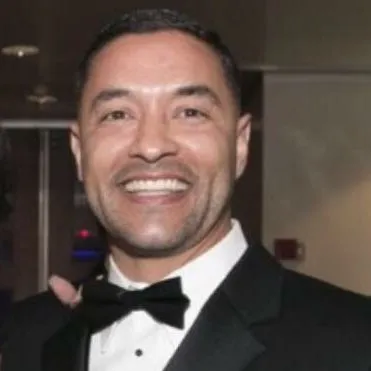
Jose F. Espinoza
Licensed Bail Agent #1841969 · Founder, Espinoza Bail Bonds
Jose F. Espinoza is a U.S. Army veteran, former Military Police officer, and licensed bail agent who founded Espinoza Bail Bonds in 2014. After 25 years of decorated military service, he now brings the same discipline, loyalty, and calm leadership to helping families navigate the bail process. Jose believes in second chances and treats every client with dignity, respect, and compassion.

 Speak to a Bail Agent:
(844) 325-8424
Speak to a Bail Agent:
(844) 325-8424
 Request a Callback: Call
Me
Now!
Request a Callback: Call
Me
Now!
 Other Options:
Contact Us
Other Options:
Contact Us