 Spanish
A Grand Jury Hears Evidence to Determine What?
- in Courthouse
Get Someone Out of Jail Fast — 24/7 Help
Reliable, confidential bail bonds available anytime, anywhere in California. We move quickly so you can bring your loved one home.
Get in TouchWe often picture criminal cases starting with flashing lights and an arrest. But some of the most serious cases, particularly felonies, begin in a completely different way: with a grand jury indictment. This isn’t a trial to decide guilt or innocence. Instead, it’s a private proceeding where a grand jury hears evidence to determine if there’s enough reason to formally charge someone. Think of it as a critical checkpoint, ensuring the government has a solid case before a person’s life is turned upside down by a public trial.
How Does a Criminal Case Get Started?
When a person is arrested for a criminal offense, bail is usually posted by the accused or a friend or relative. If the amount is more than the defendant can afford, a bail bondsman will be contacted. The bondsman generally charges 10% of the amount of the bond that has been set to secure the release of the defendant. Once the defendant has been released from custody, he or she can return home to await a court appearance.
After being released on bond, the defendant will have to appear before a judge for a preliminary hearing. Preliminary hearings are used by the court to determine if there is sufficient evidence for an indictment. The accused will appear before a judge who will decide if there is “probable cause” for a trial. Probable cause can also be used by the prosecutor to decide to charge someone with a crime.
When a defendant pleads not guilty, the judge will listen to the prosecutor who will present evidence against the defendant. He or she will also listen to the defendant’s attorney who will argue that the prosecution does not have sufficient evidence for the charges being brought.
What Is the Grand Jury’s Purpose?
A regular or special grand jury is usually from six to twelve people who decide whether to indict someone after the prosecution refers the case to them. A federal grand jury can consist of sixteen to twenty-three people. The people are chosen randomly by the same process that trial jurors are selected. The grand jury hears evidence and testimony to decide if there is probable cause for an indictment.
Grand juries meet in private. There are no lawyers present for the defendant if he or she is called on to testify or for witnesses. The privacy allows witnesses to provide information without retribution from the accused. Additionally, keeping the information private protects the reputation of the defendant if he or she is not indicted.
The case presented by the prosecution is called a “bill”. The prosecution presents the least amount of evidence required for an indictment. This is because in certain states the defendant can request a copy of the proceedings if the grand jury indicts. By keeping the evidence to a minimum, the defendant is not privy to everything the prosecutor knows about the case.
Many times the evidence, documents, and witnesses presented to the grand jury are subpoenaed. Using the evidence and testimony, the grand jury decides if there is probable cause for an indictment. Grand juries can also consider evidence that would not be admissible at a trial. The witnesses are sworn in prior to testifying. Usually, the accused is not called upon to testify before the grand jury because he or she will cite their Fifth Amendment rights against incriminating themselves.
Investigative and Charging Functions
The grand jury has two primary responsibilities: investigating potential crimes and deciding if there’s enough reason to formally charge someone. In its investigative capacity, the jury holds considerable power. It can demand documents and require witnesses to testify under oath, allowing it to gather crucial information. Once the prosecutor presents the evidence, the grand jury moves to its second role: charging. It must determine if there is “probable cause”—a legal standard meaning there’s a reasonable basis to believe a crime was committed by the person in question. If the jury agrees that probable cause exists, it issues an indictment, which is the official document that brings charges and moves the case toward a trial.
A Check on Government Power
Beyond reviewing evidence, the grand jury serves as a vital safeguard against government overreach. It was designed to be an independent body, acting as a buffer between the prosecutor and the individual. This ensures that a person isn’t forced into a trial based on weak or politically motivated accusations. The grand jury’s independence is key to its function of protecting citizens from unfair prosecution. By requiring the government to present a convincing case to a group of peers before charges are filed, it filters out unsubstantiated claims. This process acts as a protective shield for individual liberties within the criminal justice system, upholding the principle that no one should face serious charges without sufficient cause.
How a Grand Jury Determines if a Case Proceeds
The decision to indict does not have to be unanimous. The decision must be agreed upon by either two-thirds of the members of three-fourths of the members. This number is called a supermajority. If an indictment is returned, the bill is called a “true bill”. If they do not indict, it is called a “no bill”. However, the prosecution has discretion on filing criminal charges against the defendant even when the grand jury does not indict. If the grand jury does not indict, depending on the laws of each state, the prosecution can also bring more evidence to the grand jury or ask for another grand jury.
Only on rare occasions does the prosecution decide not to pursue charges against someone after a grand jury indictment. Sometimes the prosecution will be undecided as to whether criminal charges should be filed and rely on the grand jury to make the decision.
Key Differences Between a Grand Jury and a Trial Jury
It’s easy to confuse a grand jury with a trial jury, but they serve completely different functions in the legal system. A grand jury is an investigative body that comes first, while a trial jury is responsible for hearing a case in court and deciding the outcome. Think of it this way: a grand jury helps decide if a case should even go to trial, whereas a trial jury decides the final verdict of that trial. Understanding this distinction is key to making sense of the criminal justice process, especially in its early stages when things can feel overwhelming and uncertain.
Purpose: Probable Cause vs. Guilt
The most significant difference lies in their core purpose. According to the U.S. District Court, “A grand jury does not decide if someone is guilty or innocent. Its main job is to decide if there’s enough evidence (called ‘probable cause’) to believe a crime was committed.” In contrast, a trial jury listens to all the evidence presented by both the prosecution and the defense in a courtroom. Their job is to determine guilt “beyond a reasonable doubt,” which is a much higher and more difficult standard of proof for the prosecution to meet.
Types of Cases They Hear
Another key distinction is the scope of cases they handle. A grand jury is exclusively focused on criminal matters, typically serious felonies. Its entire function is to review evidence for potential criminal charges and decide whether to issue an indictment, which is a formal accusation. A trial jury, on the other hand, can be assembled for both criminal and civil cases. This means that while a grand jury is weighing evidence for a potential crime, a trial jury could be doing anything from deciding a murder trial to settling a financial dispute between two parties in a lawsuit.
Understanding Grand Jury Proceedings
Because grand jury proceedings are conducted in private, they can often feel like a mysterious part of the legal system. Unlike a public trial, what happens behind those closed doors is confidential. However, the process follows a structured set of rules designed to ensure fairness while allowing for a thorough investigation. The key players are the prosecutor, the jurors, and the witnesses, each with a specific role to play in determining if there is enough evidence to move forward with criminal charges against an individual.
The Prosecutor’s Role and Responsibilities
The prosecutor is the central figure in guiding the grand jury. They are responsible for presenting evidence, questioning witnesses, and providing legal guidance to the jurors. According to the Department of Justice, prosecutors have a duty to be fair and ensure justice is served. They are not just trying to win a case at this stage; they are acting as legal advisors to the jury, helping them understand the law and apply it to the evidence they see and hear during the confidential proceedings.
The Rule of Secrecy
One of the defining features of a grand jury is its confidentiality. As legal experts at MoloLamken LLP note, “Grand jury meetings are secret. They are not open to the public.” This secrecy serves two important purposes. First, it encourages witnesses to testify freely without fear of retaliation or public pressure. Second, it protects the reputation of the person being investigated in case the grand jury decides not to indict. If no charges are filed, the details of the investigation remain private, preventing unwarranted harm to the individual’s name.
How Evidence Is Handled
A grand jury spends its time reviewing various forms of evidence to see if it justifies an indictment. This includes listening to witness testimony and examining documents or other physical evidence. The rules for what can be presented are more relaxed than in a formal trial, allowing the jury to get a broad overview of the situation. Witnesses are sworn in before they testify, but unlike a trial, there is no judge or defense attorney present in the room to object to questions or cross-examine witnesses.
Limits on Grand Jury Power
While a grand jury has significant investigative powers, it is not without limits. Its primary function is to determine whether to bring charges, not to prepare a case for trial. For this reason, “A grand jury cannot be used just to get more evidence against someone who has already been accused of a crime.” This rule ensures that the process is used for its intended purpose—as a check on prosecutorial power—rather than as a tool for gathering additional information after an indictment has already been secured by other means.
What Are Your Rights if You’re Involved?
Receiving a subpoena to appear before a grand jury can be intimidating, whether you are a witness or the target of the investigation. The private nature of the proceedings can make you feel isolated, but it’s important to remember that you still have rights. Knowing what those rights are can help you feel more prepared and ensure you are protected throughout the process. It is always a good idea to consult with an attorney as soon as you are contacted to make sure you understand your obligations and protections.
Rights for Witnesses
If you are called as a witness, you have several key protections. The Department of Justice guidelines state that witnesses should be informed of the general subject of the investigation and their Fifth Amendment right to refuse to answer questions that might incriminate them. You will also be told that anything you say can be used against you. While you cannot have a lawyer in the grand jury room with you, you have the right to step outside the room to consult with one before answering questions.
Rights for Investigation Targets
If you are the target of the investigation, you have additional rights. Prosecutors are encouraged to inform you that your conduct is being investigated for possible violations of federal law. You should also be advised of your right to plead the Fifth and your right to an attorney. Given the serious implications, if you believe you are the target of a grand jury investigation, seeking legal counsel immediately is the most important step you can take to protect yourself and understand your options moving forward.
Frequently Asked Questions
If a grand jury indicts someone, does that mean they’re considered guilty? No, not at all. An indictment is not a verdict of guilt. It simply means the grand jury found there was “probable cause,” or enough evidence to believe a crime may have been committed and that the case should proceed to a trial. The question of guilt is decided later by a trial jury, which must find proof “beyond a reasonable doubt”—a much higher standard.
Why are grand jury proceedings held in secret? The privacy of these proceedings serves two main purposes. First, it allows witnesses to speak openly and honestly without fear of being threatened or pressured by outside influences. Second, it protects the reputation of the person being investigated. If the grand jury decides not to file charges, the details of the investigation remain private, preventing damage to someone’s name over accusations that didn’t move forward.
Can I have my lawyer with me if I have to testify before a grand jury? You cannot have your lawyer physically present in the grand jury room while you are testifying. However, you absolutely have the right to legal counsel. You are allowed to pause the proceedings and step outside the room to speak with your attorney before answering any questions you’re unsure about.
What happens right after a grand jury issues an indictment? Once an indictment, or a “true bill,” is issued, the case officially moves into the criminal court system. This usually leads to a warrant being issued for the person’s arrest if they are not already in custody. Following the arrest, the next steps typically involve booking, an arraignment where the formal charges are read, and a bail hearing.
Does the grand jury have to agree unanimously to indict someone? Unlike a trial jury that often requires a unanimous vote for a conviction, a grand jury’s decision does not have to be unanimous. An indictment can be issued if a “supermajority” of the jurors agree. Depending on the jurisdiction, this usually means two-thirds or three-fourths of the grand jurors must vote in favor of the indictment.
Key Takeaways
- Grand Juries Filter Cases, Not Determine Guilt: A grand jury’s sole purpose is to review evidence and decide if there’s enough “probable cause” to formally charge someone with a crime. They don’t hear a full defense or decide guilt—that’s reserved for a trial jury.
- It’s a Safeguard Against Unfair Charges: The system is designed to be a check on prosecutorial power, preventing the government from moving forward with weak or unfounded cases. This protects individuals from the stress and cost of a trial without sufficient reason.
- Know Your Rights if You’re Called to Testify: Even though proceedings are secret, you have rights. This includes the right to consult with an attorney before answering questions and the Fifth Amendment right to avoid self-incrimination.
Related Articles
- What is a Grand Jury? | Espinoza Bail Bonds
- The indictment process in California – Espinoza Bail Bonds
- Arraignment or Preliminary Hearing? | Espinoza Bail Bonds
- A Guide to Juvenile Court in Sacramento, CA
- Conspiracy to Commit Burglary: What You Need to Know
About the Author
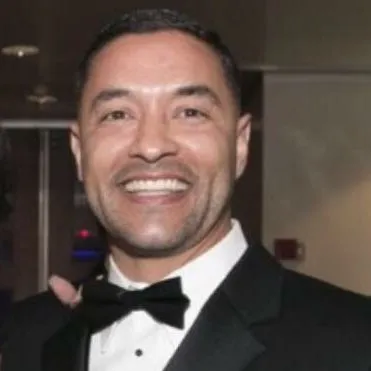
Jose F. Espinoza
Licensed Bail Agent #1841969 · Founder, Espinoza Bail Bonds
Jose F. Espinoza is a U.S. Army veteran, former Military Police officer, and licensed bail agent who founded Espinoza Bail Bonds in 2014. After 25 years of decorated military service, he now brings the same discipline, loyalty, and calm leadership to helping families navigate the bail process. Jose believes in second chances and treats every client with dignity, respect, and compassion.

 Speak to a Bail Agent:
(844) 325-8424
Speak to a Bail Agent:
(844) 325-8424
 Request a Callback: Call
Me
Now!
Request a Callback: Call
Me
Now!
 Other Options:
Contact Us
Other Options:
Contact Us