 Spanish
Jail Booking Process California: What to Expect
Get Someone Out of Jail Fast — 24/7 Help
Reliable, confidential bail bonds available anytime, anywhere in California. We move quickly so you can bring your loved one home.
Get in TouchThe jail booking process in California is a mandatory series of steps for every arrestee. You will undergo fingerprinting and medical checks while officials verify your identity through state databases. Completing this intake is the only way to reach a point where release is possible.
Call Espinoza Bail Bonds at 844-325-8424 for help understanding the booking status and available bail bond options.
The jail booking process California follows is a set of steps that starts right away when you arrive at a jail. During this time, officers record your name, take fingerprints for digital checks, and search your person and bags. You must also pass a health exam to ensure you are fit for jail before you move into the main housing area. This paperwork phase is needed for the court to confirm who you are and set a bail amount for your release. The San Bernardino County Sheriff’s Department states that all people in a jail intake area must undergo a search for safety. While the time it takes varies by jail, finishing these steps is the first move toward getting out of custody.
The time spent waiting for jail processing can be stressful for you and your family. Knowing the jail booking process California follows step by step helps you prepare for what comes next. Each completed intake stage moves the case toward a custody or release decision.
Jail booking process California: step by step
California booking generally moves through intake, identity verification, property collection, health screening, records checks, housing review, and bail setting. Each step creates or confirms information the jail needs before it can determine the person’s custody status, bail eligibility, housing placement, or release options.
The steps that follow an arrest is the first stage in the justice system after an arrest. Once police take a person into custody, they move them to a jail or station for intake. This path can vary between local stations. Most follow a set group of steps to record the event and keep the jail safe.
Intake and search
Every person brought into a California jail must go through a full search at the intake area. Officers check for items that are not allowed inside. This keeps all staff and other inmates safe. This search at intake is a standard rule in all jails across the state. Officers will collect all personal items and keep them in a safe place until the person leaves.
ID checks are the next major part of the work. Jails use tools like the Biometric Identification System to confirm a person’s name and prior records. Staff take prints and compare them to a large state file. This step helps the jail know exactly who is in jail. It also shows if there are any old warrants from other areas.
The steps of the booking sequence
The full booking sequence involves several tasks that officers must finish before a person can move to a cell. While some small jails might skip certain steps, the timeline for securing a bail bond usually begins once these core stages are done.

- Intake Search: Officers perform a full search of the person and their clothes for safety. They check for items that are not allowed inside the jail.
- ID Check: Staff use fingerprints to verify the person’s name through the state database. This ensures the jail has the correct records for the arrestee.
- Property List: The jail records and stores all personal items like keys, wallets, and phones. These items are kept in a secure area until release.
- Health Check: Medical staff check the person for any urgent needs or mental health issues. This step ensures the person is fit for booking.
- Records Check: Officers look for any other active warrants or legal holds from different counties. They must confirm the person has no other legal issues.
- Housing Choice: Staff decide where to house the person based on their charge and past history. This helps protect staff and people in custody.
- Bail Setting: The jail sets the bail amount based on a standard county list for the crime. This allows the person to know the cost of release.
Timing and medical checks
The time it takes to finish booking can change based on how busy the station is that day. It may take just one hour. It can also last much longer if many people are in line. The count of staff on duty also plays a big role in how fast the work gets done. Once the files are done, the person is either moved to a cell or is ready for release.
Medical checks are also a key part of the flow. In California, jails must ensure that every person is fit for booking through a health check. Jails use a computer tool to clear new people and check for health risks. This step protects the health of the person, staff, and others in custody.
Why must booking finish before bail can be posted?
Booking must finish before bail can be posted because the jail needs a verified custody record, confirmed charges, a bail amount, and the results of any warrant or hold checks. Until those details are complete, a bail agent cannot reliably identify the correct case or determine whether release is permitted.
You may want to get a loved one out of jail as fast as you can. But in the post-arrest intake sequence in California, you must wait for the jail to finish its work. Booking is the step where the jail makes a formal record of the arrest. Until this work is done, the jail cannot accept a bail bond because the person is not yet fully in their system.
Creating a custody record
The first part of the process is making a record of the arrest. When a person arrives at a California jail site, staff must search them for safety. This intake step ensures that no weapons or items from the outside enter the jail. Based on the San Bernardino County Sheriff’s Department, every person brought into a jail site must have a search upon entry.
Once the search is over, the jail staff starts the records. They record the person’s name and the crime they are accused of. This step is vital because it links the person to an exact case number. Without this record, there is no easy way to track who is in the jail or why they are there. This legal work must be complete before any bail bond can be processed.
Checking identity and charges
Jails must be sure of who they have in custody. They use a system called the Biometric Identification System, or BIS. This system uses fingerprints to check a person’s ID against state records. Jails in California use this fingerprint check. This makes sure the name on the arrest report matches the person in front of them. If the prints do not match, the booking process stops until the staff can fix the error.
The jail also needs to confirm the charges. The amount of bail depends on the crimes the police list in their report. Each county has a bail schedule that sets a price for each type of crime. The jail staff must enter these charges into their computer to find the total bail amount. If the charges are not set yet, a bail agent cannot write a bond because they do not know the cost.
Searching for holds or warrants
Not every person can leave jail right away. During booking, staff check for other legal issues. A person might have a warrant from another county or a hold from a parole officer. If there is a hold, the person cannot post bail until that issue is cleared up. This check protects the legal system and ensures people do not skip court for other cases.
There are several reasons why bail might be delayed or denied during the intake process:
- The person has a no-bail warrant from a judge in another case.
- A parole or probation officer has placed a hold on the person.
- The person needs a medical screen to ensure they are fit for jail.
- The jail is very busy and has a long line of people waiting to be booked.
The time it takes to finish booking can vary. It may take just one hour, or it could take several hours if the jail is full. Once the staff clears the person and sets the bail amount, you can finally move forward with the release. Knowing these steps helps you stay calm while you wait for the jail to finish its work.
How long does jail booking take in California?
California jail booking often takes several hours, but the actual time varies with jail size, staffing, health needs, identity checks, and outstanding warrants or holds. Families should treat any estimate as a general guide because the jail controls intake and release processing.
The California arrest and intake guide in California varies for every person. For most, the time from arrival to a cell takes between two and six hours. Large jails in busy cities like Los Angeles or Sacramento often take longer than small local jails. Staffing levels and the number of people waiting for intake also change how fast things move.
Steps in the booking process
Every jail must follow strict rules when a new person arrives. According to the San Bernardino County Sheriff’s Department, all arrestees must undergo a search upon intake. This search ensures the safety of the staff and other people in the jail. Officers also take photos and fingerprints to verify your identity.
Health is another big factor in how long you stay in the intake area. California law requires a medical check at all Type I and Type II facilities. This check confirms that the person is fit to stay in the jail. If a person has a medical need or a high level of drugs in their system, they may need to go to a hospital first. This step protects everyone but adds more time to the total process.
Why some cases take longer
Some factors can slow down the steps for arranging a bond before it even starts. If the jail cannot confirm your identity, they will use fingerprint systems to check records. This system compares a print to a state database to find a match. This is helpful for people without an ID card, but it can add an hour or more to the wait.
Wait times also depend on the type of charge. For example, people arrested for a DUI may have to stay in jail until they are sober. Under the California Vehicle Code, some traffic arrests require the person to see a judge before release. Jail transfers and warrants in other counties also create delays that families should prepare for.
| Factor | Impact on Timing | What Families Can Do |
|---|---|---|
| Jail Size | Large city jails process more people and take longer. | Check the jail site for typical wait times. |
| Health Needs | Medical checks are needed for all new arrivals. | Tell jail staff about any needed medicines. |
| Identity Check | Print checks take more time if ID is missing. | Give the full legal name and birth date. |
| Staff Levels | Fewer officers on duty can slow down booking steps. | Be patient and stay in touch with a bond agent. |
| Warrants | Holds from other counties prevent a fast release. | Ask the agent to check for other warrants. |
How are bail eligibility and the amount determined?
Bail eligibility and amounts depend on the charges, the county bail schedule, judicial review when required, and any legal holds or warrants. Booking staff must confirm these details before a family can know whether bail is available and which release option applies.
The jail booking process in California is the first step after an arrest. During this time, staff at California jail facilities record a person’s name and the crime. They also take photos and fingerprints. Once this work is done, the jail must decide if the person can be released and for how much.
Bail schedules and judicial review
Most counties in California use a bail schedule. This is a list that sets a fixed price for each type of crime. For many common charges, the jail can look at the list and set the bail right away. This allows for a faster release because you do not have to wait to see a judge.
But some cases need a judge to review the facts. For example, California Vehicle Code 40302 VC may require a driver to see a judge for certain traffic stops, such as a DUI. A judge looks at the risk to the public and if the person might run. They can raise or lower the cost from the schedule or even deny bail for very grave crimes.
Bail holds and release options
Some people cannot get out due to a bail hold. This can happen if they have warrants in another county or a probation issue. In these cases, the jail must keep them until the hold is cleared. Officers also use biometric systems to confirm who the person is before they can leave.
For small crimes, a person might get a ticket instead of paying bail. This means they promise to show up for court without putting up money. But for most felony charges, a cash bail or a bond is needed to go home. If the jail is busy, this part of the bond and release timeline can take some time.
Bail amounts vs bail bonds
It is wise to know the gap between the bail amount and a bail bond. The bail amount is the full sum the court asks for to secure a release. If the bail is $20,000, you would have to pay the full $20,000 to the court. The court holds this money until the case ends.
A bail bond is a service from an agent. Instead of paying the full cost, you pay a set fee. In California, this fee is usually 10 percent of the total bail. The bond company then tells the court they will pay the full sum if the person does not show up. This helps families handle the cost during a tough time.
Contact Espinoza Bail Bonds at 844-325-8424 to discuss available bail bond options once the jail confirms eligibility and the bail amount.
What can families do while booking is underway?
Families can gather identifying details, monitor the county inmate locator, prepare documents, and contact a bail agent while waiting for booking to finish. Having the person’s legal name, birth date, booking location, and possible charges ready can reduce confusion once the custody record becomes available.
Gather vital details
The first few hours after an arrest are often the most stressful for any family. While you wait for the jail booking process California to finish, you can take steps to help. Start by making a list of key facts about your loved one and the arrest. You will need their full legal name and their birth date. Try to find out just where and when the arrest took place.
It is also helpful to know which police agency or sheriff’s office made the arrest. Different cities use different California jail facilities for intake and housing. If you can get the booking number, write it down right away. This number is the main way jail staff and bail agents look up case details. Having this info ready will speed up the next steps when you call for help.
Use a checklist for clarity
Creating a simple checklist can keep you focused during a tough time. Use this list to ensure you have the basics covered:
- Full legal name and any other names they use.
- Exact date and time of the arrest.
- The name of the jail or police station where they are held.
- Exact charges if the jail has listed them.
- Any urgent health needs or meds they may need.
Having these details in one place stops you from having to look them up more than once. It also helps when you speak to a lawyer or a bail bond agent. They will ask for this data first to give you the best advice and service.
Monitor the jail locator
Most counties in California have an online inmate locator tool that you can use for free. These sites let you track the status of your friend or family member from home. Check the site often to see if the jail has set a bail amount for the charges. Booking times change based on how many people are in line and the number of staff on duty. This process is noted by legal experts in the field.
While you monitor the site, try to avoid calling the jail over and over. Too many calls from different family members can slow down the work of the jail staff. It is best to wait for the online system to update or for the person to call you from inside. Most jails allow a few phone calls once the main intake steps are done. If you must call, have one person act as the main contact for the whole family.
Prepare for the bail process
Once you see a bail amount, you can start the process of posting a bond. You should look for a co-signer who has a steady job and a valid ID. A co-signer is the person who signs for the bond and makes sure the defendant goes to all court dates. This role is a big task, so choose someone you can trust to stay in touch.
Gathering pay stubs, proof of where you live, and your ID now can save hours later. You can also contact a bail agent to discuss your options. They can help you know the charges and explain the costs. Jails must follow strict rules, such as doing a health screening for all new arrivals to ensure they are fit for booking. This rule is part of the state standards for jail intake. By getting ready now, you help the whole family stay calm and move faster when the time comes for release.
What happens after bail is posted?
After bail is posted, jail staff verify the bond and identity, check for new holds, complete discharge paperwork, return property, and issue release instructions. Release is not immediate because the facility must complete each discharge step and coordinate the person’s exit from custody.
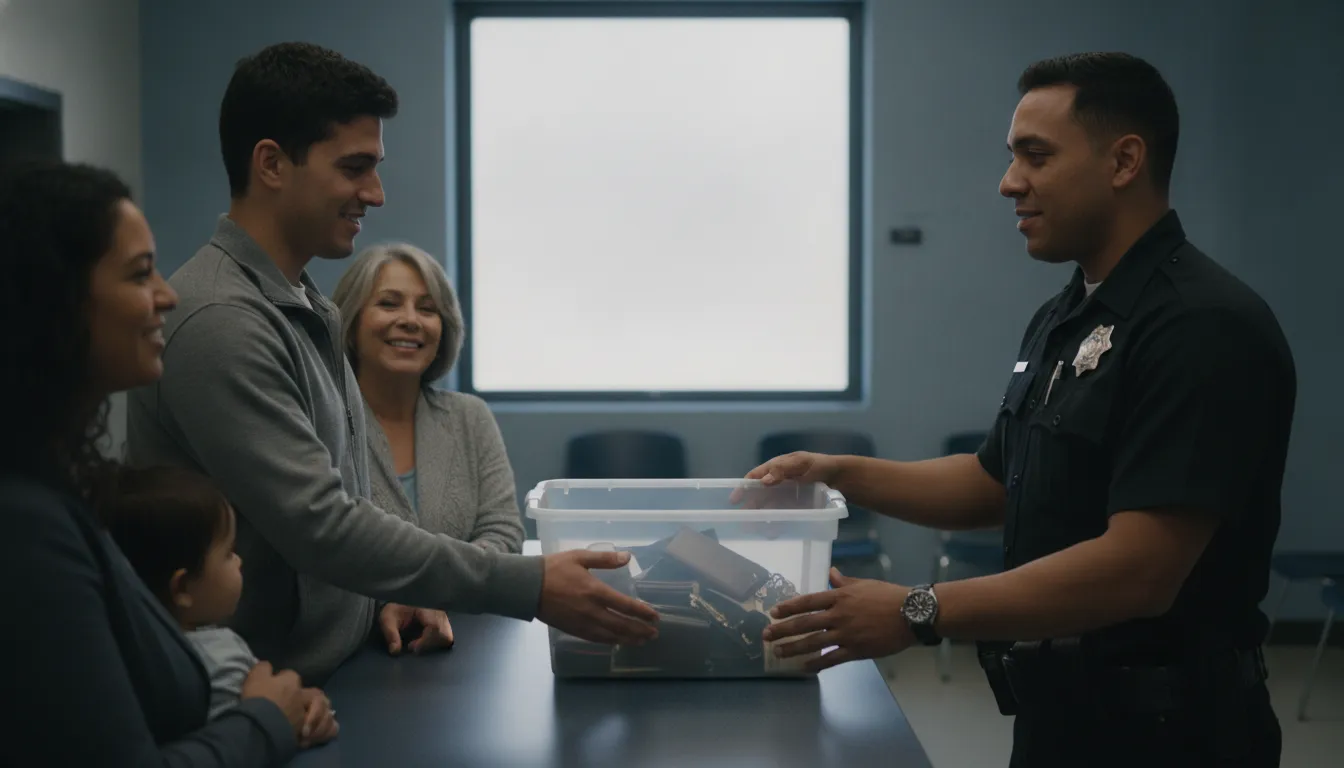
When the jail accepts your bail bond, the release process starts. It is not an instant event. Many people think they can walk out as soon as the bond is signed. But the bail bond process involves some steps at the jail. Each jail has its own rules for how they handle the final forms and discharge orders.
It usually takes one to six hours to leave jail. The wait depends on how busy the jail is and how many staff are working that day. Large jails in big cities often take longer than small local stations. You must wait for the jailers to finish their final checks before your loved one can walk out of the building.
Final identity checks
Before a jail lets anyone go, they must be sure they have the right person. This part of the jail booking process includes one last ID check. Jails in California use the Biometric Identification System (BIS) to check who is being released. This system uses fingerprints to confirm that the person matches the files from when they were first brought in.
Staff will compare the live prints to the files to stop errors. If the prints do not match or if there is a glitch, the release will stop. Jailers may also check for any new warrants that might have arrived while the person was in jail. They cannot release someone if a different group has a legal hold on them for a new crime.
Forms and property return
The jail must process some forms to close the current file. These files show that the person is no longer in their care. The staff writes down the time of release and the method of bail used. They also give the person a copy of their next court date and place. It is vital to keep these forms safe, as they list the rules the person must follow while out on bail.
Next, the jail gives back all the items they took during the California jail facilities intake search. This includes things like wallets, keys, and cell phones. The person must sign a form saying they got all their items back in good shape. If some items are stored at a different site, it might take more time to get them back.
Leaving the jail
Once all forms are signed and items are back, the person is ready to go. Most jails have a specific door or lobby for releases. You should plan for a ride home before the release happens. Some jails are in remote areas or do not have good buses nearby. Having a friend or family member waiting in the lobby makes the move home much easier.
Release times can change without much notice. A jail might stop all releases if there is a crisis or a shift change. We stay in touch with the jail staff to track the progress. We want to make sure your loved one gets home as fast as they can once the judge sets the bail amount.
Why is the person not showing in an inmate search?
A person may not appear in an inmate search until intake records are entered and synced, or because they were transferred, cited and released, or listed under a different name format. A missing online record does not necessarily mean the person is no longer in custody.
It is stressful when you cannot find a loved one in a jail search. You may feel like they are lost in the system. But do not panic yet. There are many reasons why a name might not show up right away. The jail booking process in California is a long task that takes time to finish.
Most online search tools only show people who have finished the full intake path. If your friend or family member was just arrested, they might still be in the middle of these steps. It often takes a few hours for a person to appear in the public record. In busy jails, this wait can be even longer.
Delays in the booking process
The intake path involves many required checks. Every person must have a health screening to make sure they are fit for jail. Staff also use biometric tools to check fingerprints and confirm who the person is. This fingerprint check is a key part of the jail booking process California requires.
If the fingerprints do not match the arrest record, the jail may wait to book the person. They must contact the police to fix the error before the name goes into the system. Staff will also search the person and take their items for safe storage. They must check for any old warrants as well. All of these tasks must finish before the name shows up online.
Transfers and jail types
A person may be at a small city jail rather than a large county hub. California uses different jail types for different needs. One example is Type 1 facilities that often hold people for 96 hours or less. If the person was just moved, they might not be in the new system yet.
If a person is moved from a city jail to a county jail, they might vanish from one search tool before they show up in another. You should check both city police records and the county sheriff search tool. Sometimes a person is moved for health care or for their own safety. If they were just moved, the sync may take some time to update.
Private or juvenile records
Not every person in jail is listed in a public search. Juvenile records are almost always private to protect the young person’s future. Adults in protective custody or those with their own safety needs may also be hidden from public view. This is common for high-profile cases or when a person is a witness.
If you still cannot find them, stay calm. You can try to call the jail. You will need the person’s full name and date of birth. Espinoza Bail Bonds can also help you find a loved one and start the bail bond process to get them home. Check the city or county jail website for a phone number to reach the intake desk.
Frequently Asked Questions
How long does the jail booking process take in California?
According to legal experts, the booking process usually takes between one hour and several hours. The exact time depends on the specific police or sheriff station rules. The number of people being booked at the same time also changes the speed. Large jails with few staff members may take longer to finish the paperwork and health checks. It is best to wait for the jail to clear the intake before starting the bail process.
What steps happen during the California jail intake process?
The intake process starts with a required search of the person to find weapons or other items. Jail staff then record the name and crime while taking mug shots and fingerprints. Modern jails use a Biometric Identification System to verify a person’s identity against state records. This system checks for old warrants and makes sure the records are right. Finally, the jail takes personal property and gives the person a health check.
Is a health screening mandatory during the booking process?
Yes, California law requires a health check for all new people at Type I and Type II jails. According to the San Bernardino County Sheriff’s Department, health staff must check each person to ensure they are healthy. This step helps the jail find medical needs or mental health issues early. People must be cleared through this check before they are placed in a housing unit or released on bail.
What is the difference between an arrest and booking?
An arrest happens when an officer takes a person into custody because they suspect a crime was committed. Booking is the office work that follows the arrest at a police station or jail. While the arrest stops a person’s freedom, the booking process creates the official record of the event. During booking, staff record the charges and collect fingerprints. You cannot usually post bail or leave the jail until this intake process is fully finished.
Ready to find the booking status and start the bail bond process?
Espinoza Bail Bonds can help families identify the current booking status, understand the available bail options, and prepare for the next step.
Every hour your loved one sits in a jail cell is time lost from their job and kids. If you wait to start the bond work, you may face longer wait times as the jail fills. Start the bond process now to help them get home and start building a strong defense today. Read our guide on what happens after an arrest to learn about the next steps and how the system works. Espinoza Bail Bonds can help you find the current booking status so you can make an informed choice today.
Call Espinoza Bail Bonds at 844-325-8424 to learn about available bail bond options for your loved one.
About the Author

Jose F. Espinoza
Licensed Bail Agent #1841969 · Founder, Espinoza Bail Bonds
Jose F. Espinoza is a U.S. Army veteran, former Military Police officer, and licensed bail agent who founded Espinoza Bail Bonds in 2014. After 25 years of decorated military service, he now brings the same discipline, loyalty, and calm leadership to helping families navigate the bail process. Jose believes in second chances and treats every client with dignity, respect, and compassion.

 Speak to a Bail Agent:
(844) 325-8424
Speak to a Bail Agent:
(844) 325-8424
 Request a Callback: Call
Me
Now!
Request a Callback: Call
Me
Now!
 Other Options:
Contact Us
Other Options:
Contact Us