 Spanish
How to Choose the Right Bail Bonds Agent
- in Bail Bonds
Get Someone Out of Jail Fast — 24/7 Help
Reliable, confidential bail bonds available anytime, anywhere in California. We move quickly so you can bring your loved one home.
Get in TouchAn arrest is incredibly stressful. The legal process that follows can feel confusing, especially if it’s your first time dealing with it. You might hear that you need a bail bonds agent, but you’re not even sure what a bond agent does. That’s completely normal. A bail bonds agency is there to provide the financial help you need for a quick release. This guide explains the basic concepts so you understand exactly how it all works.
First, What Exactly Is Bail?
We’ve all surely heard the term bail before. Whether it was on a news release or from someone we know, bail is associated with being arrested. When you get arrested, there will be a court date scheduled at a later date. You typically have two options. You can stay in jail until that date. Or, you could post bail. A bail is a set amount of money by a judge that acts as an insurance policy for the court system. As long as you show up to your court date in the future, you can receive your bail money back.
What Is A Bail Bond?
If a judge allows for bail to be set, the amount can range greatly. In most smaller cases, bail will be set somewhere between 2,500 and 25,000 dollars. In cases where there was a larger offense, bail can be set in the hundreds of thousands or even millions. Paying any of these amounts of out pocket is typically not feasible for the average person.
In these cases, a bail bonds agent can help. A bail bond is a type of surety bond, which is available in two forms. An understanding of crimes will help you to decipher between the two. The civil bail bond and the criminal bail bond. The civil bond is used for civil cases and requires payment of the debt along with interest and fees. A criminal bail bond is used for criminal cases that require the defendant to show up for their trial date and pay any fines or penalties imposed against them.
To complete your knowledge of the bail bonds process, it’s time to look at how the bond is used. Instead of paying the entire amount that the bail is set at, a bail bonds agent will only require you to put down 10 percent of the bail amount. The rest of the bail money can typically be secured by any collateral that you may own, such as a house or a car. Once you appear at court and a ruling is given, the collateral lien is released. Common terminology for a bail bond
Are There Alternatives to Bail Bonds?
While working with a bail bonds agent is a common and often necessary step, it’s not the only path forward. Depending on the details of the case and your personal circumstances, a judge may consider other options for release. Knowing what these alternatives are can help you feel more prepared and less overwhelmed during a stressful time. When you or a loved one is facing an arrest, having a clear picture of all the possibilities is crucial for making the best decision for your family. Let’s walk through some of the main alternatives to a traditional bail bond so you can understand the full scope of what might be available.
Own Recognizance (OR)
In certain situations, a judge might grant a release on what’s called “your own recognizance,” or OR. This is an ideal scenario for many, as it means you can be released from custody without having to pay any bail money at all. Instead of a financial guarantee, you provide a written promise to the court, pledging that you will attend all of your required court appearances. This option is generally offered to individuals who are not considered a flight risk and have strong connections to their community, such as a stable job, local family, and a long-term residence. It’s essentially the court placing its trust in you to see the legal process through.
Cash Bond
Another alternative is to post a cash bond. This means you pay the full bail amount set by the judge directly to the court, in cash. It’s a straightforward process: as long as the defendant attends every single court date as required, the court will refund the entire bail amount once the case is resolved. Keep in mind that the court may deduct certain administrative fees or fines from the returned amount. While this is a viable option for those who have the necessary funds readily available, bail amounts can often be prohibitively high, making it an unrealistic choice for the average person or family.
Property Bond
When cash isn’t readily available but you own valuable real estate, a property bond might be an option. This involves using your property, such as a home, as collateral to cover the full bail amount. Essentially, you are pledging the equity in your property to the court to guarantee the defendant’s appearance. This process is more involved than a cash bond, often requiring a property appraisal, a title search, and extensive paperwork to place a lien on the property. It’s a serious commitment, as the court has the right to foreclose on your property to collect the bail money if the defendant fails to show up for their court dates.
Pretrial Services
Many counties across California offer pretrial services programs as an alternative to traditional bail. These programs allow a defendant to be released back into the community under supervision while they await their trial. The conditions of release can vary but often include things like regular check-ins with a case officer, electronic monitoring via an ankle bracelet, or participation in counseling or treatment programs. The primary goal of these services is to ensure public safety and guarantee court appearances without keeping someone in jail simply because they lack the financial means to post bail. If these alternatives aren’t available in your situation, our team is here 24/7 to discuss how a bail bond can provide a fast and affordable solution.
What to Look For in a Bail Bonds Agent
Bail documentations can be a tough thing to figure out. When you pick the right bail bonds agent, you’ll be able to get through the process easily. Here are the must-have traits of any bails bond agency that you’re considering hiring.
A Solid, Trustworthy Reputation
Bail Agent reputation is everything in the bail bonds industry. You need someone that you know you can trust with having a lien on your assets. You don’t want to end up having trouble later on with the ownership of your things. Take the time to do some searching around to see what others are saying about the agency that they worked with. A bail agent’s reputation should be pretty easy to decipher from their online reviews.
Prioritize Years of Experience
An experienced bail bondsman is a must. Working in the law enforcement area, you need an agent that you trust to do the job right the first time. You don’t want to be worrying about having a warrant out for your arrest due to the lack of your bail bondsman doing their job correctly. Instead, only work with those experience bail bondsman that has been around for a while.
Around-the-Clock Availability
Your knowledge of the bail bonds process should allow you to understand the fact that bonds are posted around the clock. People are arrested in the daytime and at night. Waiting to do bail documentation until 9 to 5 pm on only weekdays could mean spending more time in jail than you really need to. Instead, only work with bail bondsmen who are available around the clock to post bail.
They Take the Time to Listen
One of the best characteristics of a good bail agent is that they are concerned about you. You don’t just want to be another number on a piece of paper. You want a bonds agent that will listen to your situation and help you. Think about it like this for a moment. If you don’t trust the bonds agent, then why would you want to let them be the only link between you and jail? You wouldn’t, which is why you must ensure that consideration is one of the characteristics of a good bail agent.
Reliable Financial Backing
The bails bond agent is basically using other people’s money when they post your bail. Apart from the 10 percent that you pay for, they will use money from their financial backers. Their backers then get a return on their investment in fees that you pay back to the bail bonds agent. You should ensure that the bail bonds agent has ample financial backing so you can rest assured they have the funds to post your bail appropriately.
While none of us really want to ever deal with the bail process, sometimes life throws us a curveball. Having an understanding of crimes and the bail bonds process will allow you to be better prepared to handle it. Ensure that the bail bonds person that you hire has all the five traits above.
The Risks and Realities of the Job
While helping families navigate a stressful time is rewarding, being a bail bond agent isn’t without its challenges. The job carries significant financial and personal risks that require a level-headed approach and a deep understanding of the legal system. The core of the business revolves around trust and accountability. An agent is essentially vouching for a defendant, guaranteeing the court that the person will appear for their scheduled hearings. This responsibility is the foundation of the entire process, but it’s also where the biggest risks lie. When that trust is broken, the agent is the one who must manage the consequences, which can be both financially and personally demanding.
What Happens if Someone Skips Bail?
When a defendant fails to appear in court, it’s known as “skipping bail,” and it sets off a chain reaction. The court immediately demands the full bail amount, and the bail bond agent is on the hook for it. If the bail was set at $50,000, the agent is now responsible for paying that entire sum to the court. This is the single greatest financial risk in the industry. The 10% premium collected from the client is the agent’s fee for taking on this risk, but it doesn’t come close to covering the loss if the defendant disappears. The agent then has a limited time to find the defendant and bring them back to court to recover the money they posted.
The Role and Powers of Bounty Hunters
If a defendant skips bail, a bail bond agent often hires a fugitive recovery agent, more commonly known as a bounty hunter. While the terms are sometimes used interchangeably, their roles and legal powers are distinct. Bounty hunters specialize in locating and apprehending fugitives. They often have broader legal authority than law enforcement in certain situations, such as entering a fugitive’s home without a warrant if they have a reasonable belief the person is inside. Their job is to return the defendant to custody so the bail bond agent can get their money back from the court, making them a critical, if controversial, part of the bail system.
Financial and Personal Risks for Agents
Beyond the primary risk of a client skipping bail, agents face other pressures. The job often involves irregular hours, as arrests can happen at any time, day or night. This is why companies like Jose Espinoza Bail Bonds offer 24/7 service, but it means agents must always be ready to respond. The work can also be emotionally taxing, as agents deal with people during moments of intense crisis. They must balance compassion with the firm business reality of ensuring clients meet their legal obligations. It requires a unique combination of empathy, financial acumen, and resilience to handle the daily pressures of the job effectively.
The Danger of Financial Loss
The entire business model of a bail bond agency is built on calculated risk. While agents typically charge a non-refundable 10% premium, a single client failing to appear in court can wipe out the profits from many successful bonds. For example, if an agent writes ten bonds for $20,000 each, they collect $20,000 in fees. But if just one of those clients skips bail, the agent is suddenly liable for the full $20,000, erasing all their earnings. This high-stakes reality means agents must be excellent judges of character and diligent about maintaining contact with their clients and co-signers to mitigate the ever-present danger of significant financial loss.
Dealing with a Negative Reputation
The for-profit bail industry is a subject of public debate, and those who work within it sometimes face a negative reputation. Critics of the system argue that it creates an unfair system based on wealth, and this perception can extend to the agents themselves. Bail bond agents often have to work against stereotypes portrayed in movies and television. In reality, most are dedicated professionals providing a crucial service that upholds the principle of innocent until proven guilty by allowing people to remain free while awaiting trial. Building a trustworthy reputation, as we have for over two decades, is essential to counteracting this stigma and showing clients genuine care and support.
Firearms Rules and Regulations
A common misconception is that becoming a bail bond agent automatically grants the right to carry a firearm. This is not true. The regulations for carrying a weapon are strict and vary by state. In most places, a bail agent must obtain a separate firearm endorsement and hold a valid concealed carry permit. They also typically need written permission from their employer or agency. The job can sometimes involve dangerous situations, particularly when dealing with fugitive recovery, but the decision to carry a firearm is governed by specific legal requirements, not by the job title alone. Safety and legal compliance are paramount.
Understanding the Bail Bond Industry
The bail bond system is a cornerstone of the American pretrial justice process, yet it’s often misunderstood. It operates as a financial agreement between a defendant, a bail bond company, and the court. When a judge sets bail, it serves as a financial guarantee that the defendant will return for their court dates. Since many people can’t afford the full bail amount, they turn to a bail bond service. By paying a small percentage of the total, they can secure their release from jail. This system allows individuals to continue their lives, work, and prepare their defense outside of a jail cell, which is a fundamental aspect of the presumption of innocence.
A Uniquely American System
The concept of for-profit bail is almost exclusively found in the United States and the Philippines. Most other countries have deemed commercial bail bonding illegal, viewing the justice system as a state responsibility rather than a private enterprise. This makes the role of a bail bond agent a uniquely American profession. The industry is deeply embedded in the country’s legal framework, providing a mechanism for pretrial release that relies on private companies to assume the financial risk. This distinct approach has shaped how the justice system functions, creating a complex industry with its own set of rules, regulations, and criticisms that are not found elsewhere in the world.
State-by-State Regulations
There is no single federal law that governs the bail bond industry. Instead, it is regulated at the state level, leading to a patchwork of different laws and requirements across the country. Some states have banned for-profit bail entirely, while others have robust regulatory frameworks. In California, for example, the industry is overseen by the Department of Insurance, which sets licensing requirements, fee structures, and operational guidelines. This means that a bail bond agent’s job can look very different depending on where they practice, making it essential for professionals to have a deep understanding of their local state laws to operate legally and effectively.
Varying Fees for State and Federal Charges
The standard premium for a bail bond is typically 10% of the total bail amount for state charges. This fee is non-refundable and serves as the bail agent’s payment for their service and for taking on the risk of the bond. However, the fee structure can change for federal charges, which are often more serious and carry a higher flight risk. For federal bonds, the premium is usually set at 15%. This higher rate reflects the increased complexity and greater financial risk associated with federal cases. It’s an important distinction for clients to understand when seeking a bond for themselves or a loved one.
Criticisms of the For-Profit Bail System
Despite its integral role, the for-profit bail system faces significant criticism. Opponents, including prominent legal organizations like the American Bar Association, argue that it creates a two-tiered justice system: one for those who can afford to pay for their freedom and another for those who cannot. They contend that keeping people in jail simply because they are poor is unfair and doesn’t make communities safer. Critics also point out that the system can pressure defendants into pleading guilty just to get out of jail, regardless of their actual guilt. These arguments fuel ongoing debates about bail reform and the search for alternative systems for pretrial release.
How to Become a Bail Bond Agent
Entering the bail bond industry requires more than just a desire to work in the legal field; it demands specific qualifications, training, and a strong ethical compass. The path to becoming a licensed bail bond agent is a structured process designed to ensure that professionals are knowledgeable, trustworthy, and prepared for the responsibilities of the job. Each step, from initial education to passing a licensing exam, is crucial for building a successful career. For those who are detail-oriented and can remain calm under pressure, it can be a challenging but ultimately fulfilling profession dedicated to helping people during a difficult time in their lives.
General Requirements
Before you can even begin training, there are several basic requirements you must meet. Aspiring bail bond agents must typically be at least 18 years old and be a citizen or legal resident of the United States. A high school diploma or a GED is also a standard educational prerequisite. Because the job involves handling sensitive information and large sums of money, a candidate cannot have any felony convictions. These foundational requirements ensure that individuals entering the profession have a baseline level of maturity, education, and a clean criminal record, which are essential for maintaining the integrity of the industry.
Training and Licensing Exams
Once the general requirements are met, the next step is to complete state-mandated pre-licensing education. In California, for example, this involves completing a specific number of hours of approved coursework covering topics like bail law, ethics, and industry regulations. After completing the training, candidates must pass a state-administered licensing exam. This test is designed to confirm their understanding of the legal and procedural aspects of the job. Successfully passing this exam is a critical milestone, as it demonstrates the candidate has the necessary knowledge to operate as a professional and ethical bail bond agent.
Background Checks and Financials
A thorough background check is a non-negotiable part of the licensing process. This includes submitting fingerprints to both state and federal authorities to screen for any criminal history that would disqualify an applicant. Beyond a clean record, prospective agents must also demonstrate financial responsibility. While you don’t need to be wealthy, you must show that you are in good financial standing. This is because agents are entrusted with significant financial responsibilities and must be deemed reliable by the state licensing body. The combination of a clean background and sound financials is key to gaining the trust of the state, your employer, and your future clients.
Types of Bail Bond Agents
Not all bail bond agents operate in the same way. The industry includes a few different types of agents, each with a distinct role and financial structure. The primary differences lie in who provides the financial backing for the bonds being posted. Some agents work independently using their own assets, while others function as representatives of larger insurance companies. Understanding these distinctions is helpful for anyone looking to enter the field, as it can influence the type of career path they choose to pursue and the resources they will need to get started in the business.
Property Bail Bondsman
A Property Bail Bondsman is an agent who uses their own property as collateral to secure bail for defendants. This property can include real estate, cash, or other valuable assets that are pledged directly to the court. This type of agent is, in essence, self-funded and assumes 100% of the financial risk if a defendant fails to appear. Because they are using their personal assets, becoming a Property Bail Bondsman requires significant personal wealth and a high tolerance for risk. They operate with a great deal of autonomy but also carry the full weight of any financial losses.
Surety Bail Bondsman
The most common type of agent is the Surety Bail Bondsman. These individuals are licensed insurance agents who are appointed by a surety insurance company. Instead of using their own assets, they use the financial backing of the insurance company to post bonds. The surety company underwrites the bond, and the agent acts as their representative. In return, the agent pays the surety company a portion of the 10% premium they collect from the client. This model allows agents to write much larger bonds than they could with their own assets and spreads the financial risk across a larger corporation.
Agent Bail Bondsman
An Agent Bail Bondsman, sometimes called a “bail agent” or “bondsman,” works for a licensed Property or Surety Bail Bondsman. They operate under the authority and license of their employer. This is often the entry point for many people new to the industry. Working as an agent for an established company like Jose Espinoza Bail Bonds provides invaluable hands-on experience without the immense financial risk of securing bonds with personal assets or the complexities of managing a relationship with a surety company. It’s a practical way to learn the business from the ground up while being part of a supportive team.
Frequently Asked Questions
If I use a bail bond, do I get my 10% payment back? That’s a very common question, and the simple answer is no. Think of the 10% premium as the fee for the service provided. When you hire a bail bond agent, they are taking on the full financial risk of the bail amount for you. This non-refundable payment covers their service of guaranteeing the entire bail to the court so your loved one can be released from custody without you having to pay the full, often overwhelming, amount.
What happens if I can’t afford the full 10% fee right away? We understand that an arrest is an unexpected and expensive crisis. Most families don’t have thousands of dollars set aside for an emergency like this. That’s why many reputable bail bond agencies, including ours, offer flexible payment plans. We can work with you to figure out a payment schedule that fits your budget, so you don’t have to drain your savings to get your loved one home.
Why should I use a bail bond agent instead of just paying the full bail amount myself? While paying the full bail amount directly to the court, known as a cash bond, is an option, it’s often not practical. Bail can be set at tens of thousands of dollars or more. Paying that amount ties up a huge sum of your money for months, or even longer, until the case is resolved. Using a bail bond agent allows you to secure a release for just a fraction of the cost, keeping your own funds available for hiring an attorney and managing other life expenses.
What happens to my collateral if the defendant misses their court date? When you offer collateral, like a car or property, you are making a serious promise to the bail bond agent that the defendant will attend all their court dates. If they fail to appear, the court demands the full bail amount from the agent. In turn, the agent has the right to use your collateral to cover that massive loss. This is the biggest risk for a co-signer, which is why it’s so important to only bail someone out who you trust to see the process through.
How quickly can you get someone out of jail? The release process can often be completed in just a few hours. An experienced bail bond agent can get the paperwork started immediately over the phone or online to move things along as quickly as possible. The final timeline usually depends on how busy the jail’s processing center is at that moment. Our job is to handle our side of the process with speed and accuracy to avoid any unnecessary delays.
Key Takeaways
- Secure a Release Without Draining Your Savings: A bail bond is a practical tool that lets you pay just a fraction of the total bail amount (typically 10%). This allows you or your loved one to get out of jail quickly while the bail agent covers the full financial risk with the court.
- Partner with a Reputable and Experienced Agent: The agent you choose matters. Look for a company with a long-standing reputation, 24/7 availability, and a team that listens to your situation. This ensures you have a reliable guide through a stressful and confusing process.
- Understand the Agent’s Role and Responsibilities: A bail agent does more than post money; they take on significant financial risk. If a defendant misses a court date, the agent is responsible for the full bail amount, which is why they require collateral and a non-refundable fee for their service.
Related Articles
- Bondsman Bail 101: A Complete Guide
- How to Get a Bail Bond (Quick method)
- How do Bail Bonds Work? Do you get your money back?
- What Documentation Do You Need for Bail Bonds?
- Bail Bonds | A Beginner’s Guide – Espinoza Bail Bonds
About the Author
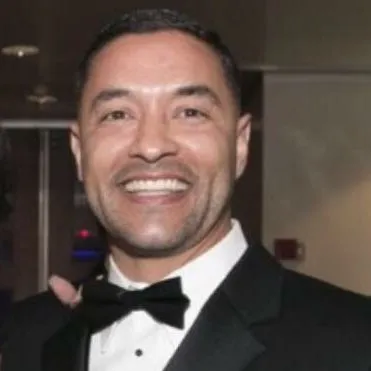
Jose F. Espinoza
Licensed Bail Agent #1841969 · Founder, Espinoza Bail Bonds
Jose F. Espinoza is a U.S. Army veteran, former Military Police officer, and licensed bail agent who founded Espinoza Bail Bonds in 2014. After 25 years of decorated military service, he now brings the same discipline, loyalty, and calm leadership to helping families navigate the bail process. Jose believes in second chances and treats every client with dignity, respect, and compassion.


 Speak to a Bail Agent:
(844) 325-8424
Speak to a Bail Agent:
(844) 325-8424
 Request a Callback: Call
Me
Now!
Request a Callback: Call
Me
Now!
 Other Options:
Contact Us
Other Options:
Contact Us