 Spanish
Bench Warrant California Explained: How It Affects Bail
- in Bail Bond
Get Someone Out of Jail Fast — 24/7 Help
Reliable, confidential bail bonds available anytime, anywhere in California. We move quickly so you can bring your loved one home.
Get in TouchMissing a California court date can create a serious problem, especially if you are unsure whether the court issued a warrant. The situation may feel urgent, but understanding what happened is the first step toward making a safe, informed plan.
A bench warrant in California is issued by a judge when a defendant fails to appear as required or does not follow a court order. Under California Penal Code section 978.5, the warrant may follow a missed hearing, including a hearing scheduled after release on bail or on one’s own recognizance. It can lead to arrest and may affect existing bail, but the specific next steps depend on the case and court.
If you are trying to confirm a missed court date or understand what an active warrant could mean, Espinoza Bail Bonds can help explain the bail-related process. Knowing what a bench warrant California case can mean for you and your family will help you plan the next step safely. Start by looking at how the state defines this type of court-issued warrant and the circumstances that can trigger it.
What Is a Bench Warrant in California?
A bench warrant in California is a court-issued warrant that allows law enforcement to arrest a defendant who did not appear as required or did not comply with a court order. It is called a “bench” warrant because the order comes from a judge on the bench during a court proceeding. Receiving or discovering one can be stressful, especially when the missed appearance resulted from confusion, an emergency, or a notice problem. The warrant itself does not determine guilt on the underlying charge, but it does require prompt attention.
California Penal Code section 978.5 authorizes a judge or magistrate to issue a bench warrant in several failure-to-appear situations. For example, the court may issue one when a defendant was ordered to appear personally at a specific time and place but failed to do so. The statute also addresses defendants who were released on bail or on their own recognizance and then failed to appear. You can review the statutory language in the California Penal Code section 978.5.
When can a judge issue one?
A bench warrant may follow a missed arraignment when an information or indictment has been filed and the defendant was ordered to appear personally. It may also be issued when the court allows a defendant to appear through counsel but later specifically orders that person to attend in person. In each situation, the key issue is the failure to follow a direct court requirement.
Failure to comply with a court order can also lead to a bench warrant, even when the issue is not a missed hearing. Depending on the case, the order might involve completing a treatment program, volunteer work, custody requirement, or community service. The court may use the warrant process to bring the matter back before a judge and address the noncompliance.
How is it different from a new criminal warrant?
A bench warrant is connected to an existing court case and a missed appearance or court requirement. It is not, by itself, a finding that the person committed a new offense. However, it can still be served in any California county in the same manner as an arrest warrant. That means ignoring it may increase the chance of an arrest during a traffic stop, at home, or during another law enforcement contact.
If you believe a bench warrant may exist, confirm the information with the appropriate court or a qualified California legal professional. The steps for addressing it can depend on the case, the reason for the missed requirement, and whether the person was released on bail or on their own recognizance. This information is general and is not legal advice.
Bench Warrant vs. Arrest Warrant in California
If you are trying to understand an active warrant, the distinction between these two types matters. Both can result in an arrest, and either type may be served in any California county. The difference is usually how the warrant began: a bench warrant grows out of an existing court case, while an arrest warrant is generally connected to an allegation of a new crime.
That distinction does not make a bench warrant harmless or mean that it can be ignored. The court may issue one after a missed appearance or another failure to follow a court order. If you are unsure what type of warrant exists, learning about the California bail process can provide useful background. Then speak with the court or a licensed bail professional.
| Question | Bench warrant | Arrest warrant |
|---|---|---|
| How is it issued? | A judge issues it in connection with an existing court proceeding. | A judge issues it based on a request tied to an alleged crime and the required legal showing. |
| Why is it issued? | To address a person’s failure to appear or failure to comply with a court order. | To authorize law enforcement to arrest someone suspected of committing a new offense. |
| Is probable cause required? | It is not based on probable cause that the person committed a new crime. It is tied to the court proceeding and the person’s alleged noncompliance. | It is based on probable cause concerning the alleged new crime. |
| Who does it target? | A defendant, respondent, or other person already involved in a court matter. | A person law enforcement alleges committed a crime. |
| How can it be served? | It may be served in any county, like an arrest warrant. | It may be served in any county, depending on the warrant and law enforcement action. |
| What is a typical trigger? | Missing a required hearing or failing to complete a court-ordered obligation. | An investigation that develops probable cause for a new criminal charge. |
The labels describe different legal pathways, not different levels of stress for the person or family involved. A bench warrant can still lead to custody and may affect an existing bail case. Because the response depends on the court, the underlying charge, and the warrant’s status, avoid assuming that the warrant will disappear on its own. Confirm the details with the appropriate court or a qualified legal professional, and ask a licensed bail agent about available bail-related options when custody is involved.
What Happens When a Bench Warrant Is Issued for Missing Court?
Missing a California court date can feel overwhelming, especially when you are already dealing with an arrest, a pending case, or a family emergency. The important point is that a missed appearance can create a separate court problem. Under California Penal Code section 978.5, a judge may issue a bench warrant when a defendant was ordered to appear personally at a specific time and place but does not appear. The warrant may be issued immediately after the failure to appear. California law does not provide an automatic grace period that lets someone wait several days before taking the situation seriously.
A bench warrant is not necessarily a finding that the underlying criminal charge has been decided. It is the court’s response to a required appearance that did not happen. The same process can apply when a person fails to comply with certain court-ordered obligations, such as completing a treatment program, volunteer work, custody requirement, or community service. The court may issue a warrant because of that noncompliance even when the original issue was not another missed hearing. California Penal Code section 978.5 describes these circumstances.
A routine stop can lead to a new arrest
An active bench warrant can change what happens during an otherwise ordinary interaction with law enforcement. A traffic stop, identification check, or other routine contact may reveal the warrant. California Penal Code section 978.5 states that a bench warrant may be served in any county in California in the same manner as an arrest warrant. That means the risk does not necessarily remain in the county where the court case began. A person with an active warrant may be taken into custody and brought before the appropriate court.
That possibility is one reason to address a bench warrant California consequences promptly instead of assuming it will disappear. A court may set a new appearance, impose conditions, or take other action based on the facts of the case. If the person was released on bail, the missed appearance can also affect the bond and may lead to forfeiture or increased bail requirements.
Failure to appear can carry separate penalties
The consequences of failing to appear depend on how the person was released and whether the failure was willful. A conviction for failure to appear can bring additional jail time or fines beyond the original case. For someone released on their own recognizance in a misdemeanor case, a willful failure to appear within 14 days of the scheduled date is a misdemeanor. In a felony case, that same type of willful failure to appear can be charged as a felony.
There is also a specific rule for a written promise to appear, commonly called a citation. Willfully failing to appear after signing that promise is a misdemeanor punishable by up to one year in county jail and/or a maximum fine of $1,000, regardless of the outcome of the original charge. Because the details matter, anyone facing an active warrant should speak with a California criminal defense attorney about legal options and contact a licensed bail bond professional if custody or bail is involved.
How Does a Bench Warrant Affect Your Bail and Bond?
When someone has been released on bail, missing a required court appearance can affect more than the next court date. It can put the existing bond at risk and create a new obstacle to getting the defendant released again. California Penal Code section 978.5 allows a judge to issue a bench warrant when a defendant who was released on bail was ordered to appear personally at a specific time and place, then failed to appear. The statute also addresses the possible bail consequences of that failure.
In practical terms, an active bench warrant generally prevents a bail bond from clearing a defendant. A bail agent usually cannot simply write a new bond for a new arrest while the warrant remains unresolved. The court may first need to address why the defendant missed court, whether the warrant should be recalled, and what conditions will apply to any release.
The original bond may be forfeited
A missed appearance can place the original bail bond in jeopardy. Depending on the circumstances and the court’s action, the bail may be forfeited. This means the person or company that posted bail could face a financial loss because the defendant did not comply with the promise to appear. The exact process and deadlines can depend on the case and court, so a defendant or co-signer should get case-specific guidance promptly.
The court may require more bail
A bench warrant can also lead to an increased bail amount or stricter release conditions. The court may view the missed appearance as a reason to require additional assurance that the defendant will return. A new bond, if permitted, may therefore cost more or require different arrangements than the original bond. An active warrant is not something to ignore while waiting for another court date. It can remain enforceable and may be served in any California county, as provided by section 978.5.
What this means for a defendant or co-signer
If the defendant has been arrested on an active bench warrant, the first step is to identify which court issued it. Then ask how the warrant can be addressed. A bail agent can explain the bonding process and help identify what information the jail or court may require, but only the court can recall the warrant or set release terms. Do not assume that paying for a new bond will automatically resolve the warrant or protect the prior bond.
For related guidance, see when someone on bail is arrested again. If you are trying to understand how an active warrant affects release, contact a California bail professional and confirm the next step with the appropriate court.
What Should You Do If You Have an Outstanding Bench Warrant?
Learning that you may have an outstanding bench warrant can be frightening, especially when you are unsure whether you could be arrested during an ordinary traffic stop or while visiting a courthouse. Taking action is usually safer than ignoring the issue. A warrant may result from a missed hearing, but it can also follow a failure to complete a court-ordered treatment program, volunteer work, custody requirement, or community service. The California Courts and law enforcement treat those obligations seriously, but there are practical ways to begin resolving the problem.
If you are trying to understand how to clear a bench warrant in California, use the steps below as a starting point. The exact process depends on the county, the underlying charge, and the court’s instructions. An attorney can explain your legal options, while a licensed bail bondsman can help if the court requires bail after you address the warrant.
- Do not ignore the warrant. Avoiding the issue does not make it disappear. A bench warrant can remain active and may be served if law enforcement encounters you. Voluntarily addressing it is generally better than waiting for an unexpected arrest. Do not assume that a missed court date has no consequences simply because you have not yet been contacted.
- Check whether a warrant is active. Contact the clerk of the court handling your case or use the court’s official online resources, when available, to ask about your status. Have your full legal name, date of birth, case number, and the county connected to the case ready. If you believe someone has already been arrested on a warrant, you can also use this guide to find an inmate in a California jail. Confirm information through an official court or law enforcement source because unofficial databases may be incomplete or outdated.
- Contact the court or an attorney about recall. Ask the court clerk what procedure applies and whether the court requires a motion, a scheduled appearance, or another filing to request that the warrant be recalled. A criminal defense attorney can review the reason for the warrant, communicate with the court, and advise you about whether appearing voluntarily is appropriate. Do not rely on a bondsman or a general internet answer for legal advice about your case.
- Appear in court or arrange a resolution. Follow the court’s instructions carefully and attend every required hearing. The judge may address the missed appearance, set new conditions, or require additional steps before the case continues. A warrant can also relate to nonappearance at a hearing or noncompliance with an order, such as treatment or community service, as explained by the San Diego Superior Court. Bring any documents that explain why you missed the hearing or could not complete the order.
- Contact a bail bondsman if bail is required. If the court sets bail or you are taken into custody while the warrant is being resolved, a licensed bail bondsman can explain the bond process and help you understand the information needed to apply. Bail requirements can change after a failure to appear, so ask about the current court order rather than relying on the amount from an earlier release.
Because a bench warrant California case can involve both court obligations and possible custody, prompt professional guidance matters. Keep copies of court instructions, confirm every appearance date, and complete any new conditions by their deadlines. Acting early gives you more opportunity to resolve the warrant through the court instead of leaving the outcome to an unexpected encounter with law enforcement.
How a California Bail Bondsman Can Help Resolve a Bench Warrant
Finding out that a loved one has a bench warrant can be frightening, especially when the family is unsure whether the person will be arrested or how quickly the matter can be addressed. Acting promptly matters. A warrant can remain active until the court takes action, and if the person was already released on bail, the missed appearance may affect the existing bond. Depending on the circumstances, the court may forfeit bail or require a higher bail amount.
A California bail bondsman can help the family understand the practical steps involved without making promises about the case outcome. The first step is usually gathering accurate information about the warrant, the underlying case, the court handling the matter, and any current custody status. California Penal Code section 978.5 addresses situations in which a judge may issue a bench warrant after a required court appearance is missed. The court, not the bondsman, determines how the warrant will be addressed.
Guidance through the court and bail process
Once the court provides a path to resolve the warrant, a bondsman can explain the available bail process and help the family prepare the information needed for a bond. If the court clears or recalls the warrant and sets bail, the bondsman may be able to post a new bond or address the changed bail requirement. This can help reduce confusion during a stressful, time-sensitive situation.
Because procedures can vary by county and case, coordination is important. A bail bondsman may work with the local jail and court to confirm where the matter must be handled, what the court has ordered, and whether additional documentation is needed. Families can also learn what to do if you have a bench warrant before deciding on their next step.
Support that keeps the next court date in view
After a bond is posted, following every court instruction is essential. Jose Espinoza Bail Bonds is a veteran-owned, family-oriented California bail service that has operated 24/7 since 1999. Founder Jose F. Espinoza, a retired U.S. Army Captain, leads a team focused on helping families navigate the process with steady, respectful support. The goal is not to replace legal counsel or decide how a court will rule. It is to help families respond quickly, understand the bond process, and stay organized around future court obligations.
Contact Espinoza Bail Bonds before your next court date
Frequently Asked Questions
How do I check whether I have an outstanding bench warrant in California?
Start by contacting the criminal court connected to your case or checking its official online case system, if available. You can also ask a California criminal defense attorney to help confirm the warrant and identify the correct court. Do not assume that a missed court date automatically gives you time to resolve the issue. California Penal Code section 978.5 allows a judge to issue a bench warrant when a person ordered to appear fails to do so.
How do I clear a bench warrant in California?
The usual next step is to contact the court handling the case and ask how to request a warrant recall or calendar appearance. The judge decides whether to recall the warrant and what conditions apply. Depending on the circumstances, you may need to appear in court, provide an explanation for the missed appearance, or address an underlying court-order violation. A lawyer can help you understand the available procedure, but no outcome is guaranteed.
Does a bench warrant affect my bail?
It can. If you were released on bail and then failed to appear as ordered, the court may address the existing bond, including possible forfeiture or a higher bail requirement. The result depends on the case and the judge’s orders. California Penal Code section 978.5 specifically addresses failure to appear after release on bail.
Is a bench warrant the same as an arrest warrant in California?
No. A bench warrant generally arises from a court proceeding, such as a missed appearance or failure to follow a court order. An arrest warrant is generally connected to suspected criminal conduct and probable cause. Even though they begin differently, a California bench warrant may be served in any county in the state in the same manner as an arrest warrant.
Ready to Get Help With a California Bench Warrant?
A bench warrant can make an already stressful situation harder to navigate, especially when bail or a missed court date is involved. A clear conversation about the next step can help you understand your options and prepare to act. Our team can listen to your situation and explain the bail bond process without judgment.
Contact Espinoza Bail Bonds for 24/7 bail bond help
About the Author
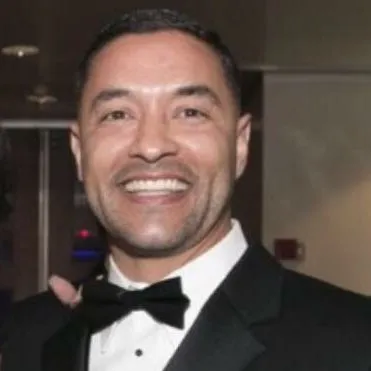
Jose F. Espinoza
Licensed Bail Agent #1841969 · Founder, Espinoza Bail Bonds
Jose F. Espinoza is a U.S. Army veteran, former Military Police officer, and licensed bail agent who founded Espinoza Bail Bonds in 2014. After 25 years of decorated military service, he now brings the same discipline, loyalty, and calm leadership to helping families navigate the bail process. Jose believes in second chances and treats every client with dignity, respect, and compassion.

 Speak to a Bail Agent:
(844) 325-8424
Speak to a Bail Agent:
(844) 325-8424
 Request a Callback: Call
Me
Now!
Request a Callback: Call
Me
Now!
 Other Options:
Contact Us
Other Options:
Contact Us