 Spanish
Skip Bail California Consequences: What to Expect
- in Bail Bond
Get Someone Out of Jail Fast — 24/7 Help
Reliable, confidential bail bonds available anytime, anywhere in California. We move quickly so you can bring your loved one home.
Get in TouchMissing a court date while released on bail can create immediate legal and financial problems, but understanding the process can help you respond quickly. In California, bail is a guarantee that the defendant will appear for every required court date. So a failure to appear may trigger a bench warrant and begin a forfeiture process.
The main skip bail California consequences can include a bench warrant, new criminal allegations, loss of the bail bond, recovery efforts, and financial liability for the co-signer. The exact outcome depends on the charges, court, bond terms, and what happens after the missed appearance.
Call Espinoza Bail Bonds at (559) 366-9001 or visit our contact page to discuss your situation and learn what to do next.
Families in Fresno, Madera, and nearby Central Valley communities should avoid waiting or assuming the issue will resolve on its own. Espinoza Bail Bonds services can help explain the bond obligations and possible next steps. The first step is understanding how California law treats a skipped appearance and why the court may respond quickly.
What Skipping Bail Means Under California Law and Its Consequences
Espinoza Bail Bonds explains skipping bail as a failure to meet the court appearance obligation connected to a bail bond. A bail bond is a surety bond posted by a licensed bail bond company as a financial guarantee that an arrested person will appear at all required court dates. If the defendant does not appear, the court may issue a warrant and begin the forfeiture process.
California’s general bail framework is found in Penal Code sections 1299 through 1320.5. The California Department of Insurance explains the state’s bail bond laws and regulatory structure, including the role of licensed bail bond companies. These rules apply alongside court orders, county procedures, and the specific conditions imposed when a person is released.
What counts as skipping bail?
In everyday language, skipping bail usually means failing to appear for a scheduled hearing after being released on bail. The phrase can also refer to leaving the area, ignoring a court order, or otherwise making it difficult for the defendant to return to court. The exact response depends on what happened, the underlying criminal case, and whether the person had notice of the hearing.
A missed court date does not automatically resolve the underlying criminal charge. Instead, it can create a separate legal problem while the original case continues. The court may issue a bench warrant, and the bail bond may become subject to forfeiture. The County Counsel’s Office is responsible for collecting bail bond forfeiture debts in each California county, according to the Department of Insurance.
Failure to appear is not the same as every bail violation
Failure to appear, often abbreviated FTA, specifically concerns missing a required court appearance. A general bail violation is broader. It may involve breaking a release condition, such as violating a stay-away order or another court-imposed restriction, even when the defendant appears in court. California law allows violations of applicable bail regulations to be alleged as a misdemeanor or felony under Insurance Code section 1814, depending on the circumstances.
Because the consequences vary, families should avoid assuming that every missed appearance or alleged condition violation will be handled identically. For a plain-language explanation of the process, read how bail bonds work in California and our guide to bail jumping and bail skipping. A bail agent or qualified attorney can help clarify the next step for the specific case.
The Immediate Legal Consequences of a Failure to Appear
Espinoza Bail Bonds explains that missing a required court date can trigger several legal consequences at once. The exact result depends on the original charge, the court’s orders, and the facts surrounding the absence, but the process commonly moves quickly.
- A bench warrant may be issued. When a defendant does not appear as ordered, the court can issue a bench warrant for the defendant’s arrest. This means law enforcement may take the person into custody during a traffic stop, at home, or after another law-enforcement contact. The warrant does not automatically disappear because the defendant later decides to attend court. A court must address the missed appearance and the warrant.
- The failure to appear can become a new criminal charge. California Penal Code section 1320 addresses failures to appear after release on a promise to appear. In general, the new offense follows the level of the original case: a failure connected to an original misdemeanor may be charged as a misdemeanor. While a failure connected to an original felony may be charged as a felony. Prosecutors still must evaluate the statutory requirements and the evidence in the individual case. California’s general bail laws are discussed by the California Department of Insurance.
- A bail-regulation violation may be alleged separately. California Insurance Code section 1814 provides that violating applicable bail provisions in the Insurance Code or California Code of Regulations can be alleged as a separate misdemeanor or felony. This is different from the underlying criminal case and may create another issue for the defendant and the bail bond company to address.
- The court may impose additional custody or release conditions. After an arrest on the warrant, the judge may reconsider release, set new bail, impose stricter conditions, or keep the defendant in custody while the case proceeds. A prior failure to appear can make the court less willing to rely on another promise to appear.
- The missed appearance can affect sentencing. A failure to appear can damage the defendant’s credibility with the court and add a separate case or penalty exposure. It may also delay resolution of the original charges, complicate negotiations, and make compliance with future court orders more important. If the person has been arrested again while on bail, review what happens if someone on bail gets arrested again and seek case-specific legal advice.
These consequences are serious, but a missed appearance should not be ignored. Promptly contacting the court, a criminal defense attorney, and the bail bond company can help identify the next lawful step before the situation becomes more difficult.
The Fugitive Recovery Process in California
Espinoza Bail Bonds can explain what may happen after a defendant misses court and the bond enters recovery. A bail bond contract gives the bail bond agent a financial and contractual interest in locating and returning the defendant, often through a licensed bail recovery agent. The goal is to bring the person back to court and address the missed appearance, not to create additional confusion for the family.
Recovery may begin with calls to the defendant, co-signer, family members, or other contacts, followed by efforts to verify likely locations. If the defendant cannot be reached. A bail recovery agent may be engaged to locate and arrest the person under the authority permitted by the bond agreement and California law. The precise limits depend on the facts, the contract, and applicable law, so a co-signer should not attempt to interfere with or conduct a recovery personally.
What happens during the recovery period?
California law provides a limited window to resolve a forfeited bond. Under California Penal Code section 1305, a defendant generally has 180 days after the court’s forfeiture order. Subject to statutory extensions and specific court procedures, to appear in court or be surrendered so the forfeiture can potentially be vacated. Missing that deadline can make the financial consequences more difficult to reverse.
The forfeiture process is handled through the court and the County Counsel’s Office. The California Department of Insurance explains that each county’s County Counsel’s Office is responsible for collecting bail bond forfeiture debts. That process is separate from the recovery work performed for the bond agent. A prompt conversation with the bail agent can help identify the relevant court, deadlines, and surrender options.
Can a recovery agent enter a home?
In some circumstances, a bail recovery agent may enter a residence without a warrant when legally authorized to do so, but that authority is not unlimited. Questions about consent, the defendant’s known location, the residence, and the agent’s authority can change the legal analysis. Anyone involved should avoid confrontation and request legal guidance if an entry or arrest raises concerns.
Law-enforcement databases can also make a missed appearance harder to ignore. A bench warrant may be entered into systems used to identify wanted people, and an NCIC record can flag a defendant to law-enforcement agencies nationwide. As a result, travel or a routine interaction with police may lead to the warrant being discovered. Read our guide to bail jumping for more on the consequences of failing to appear, then contact Espinoza Bail Bonds before the situation escalates.
Financial Liability for Co-Signers After Bail Is Skipped
Espinoza Bail Bonds wants co-signers to understand that a bail bond is a financial contract, not simply a way to help someone leave jail. If the defendant does not appear in court, the co-signer may face the full financial consequences of the bond. Even if the co-signer was not involved in the missed hearing.
The full bond amount may become due
When a defendant fails to appear, the court can forfeit the bond. That forfeiture can make the co-signer responsible for the full bail amount secured by the bond. Paying only the premium at the start does not cap the co-signer’s exposure at that premium. The amount at risk depends on the bond and the terms of the co-signer agreement.
The California Department of Insurance explains that the County Counsel’s Office in each county is responsible for collecting bail bond forfeiture debts. That means a forfeiture can become a collection matter rather than ending with the defendant’s missed court date. Review the Espinoza Bail Bonds services available for help understanding the bond agreement and next steps.
The premium is generally not refundable
The 10% premium paid to obtain a bail bond is generally non-refundable once the bond has been posted. If the defendant skips bail, the co-signer can therefore lose the premium and still face a claim for the forfeited bond amount. The premium is the cost of issuing the bond; it is not a deposit that shields the co-signer from later liability.
Collateral and credit can also be at risk
Many co-signers provide collateral, such as a home, vehicle, or other property, to secure their obligations. If the bond is forfeited and the account is not resolved. The agreement may permit the bail company to pursue that collateral, including seizure and sale where legally allowed. The co-signer could also face collection activity that affects cash flow, borrowing capacity, and overall financial stability.
These risks make prompt action important. A co-signer should not wait for a collection notice before asking about the bail bond surrender process. If the defendant can be located and surrendered, the outcome may differ depending on the court’s deadlines, the bond status, and the facts of the case. Contact Espinoza Bail Bonds promptly to review the situation and avoid making assumptions about what the co-signer owes.
| Action | Potential Benefit | Risk of Delay |
|---|---|---|
| Contact the bail agent immediately | Learn bond status and surrender options | County Counsel begins forfeiture collection |
| Help locate the defendant | Voluntary surrender may help vacate forfeiture | Fugitive recovery agents enter the process |
| Review collateral agreement | Understand what assets are at risk | Seizure proceedings may start without notice |
| Consult an attorney | Legal guidance on warrant and next court date | Bench warrant leads to arrest at any time |
What to Do If You or a Loved One Has Skipped Bail
Espinoza Bail Bonds recommends taking action quickly after a missed court date or skipped bail. Prompt communication can help you understand the warrant, protect the co-signer from avoidable financial problems, and identify whether a voluntary surrender is appropriate.
- Contact the bail bond company first. Call the agency that posted the bond and explain what happened. A bail agent can review the bond status, confirm whether the court has issued a warrant or forfeiture notice, and explain available options. In some situations, the agent may help arrange a voluntary surrender instead of waiting for a recovery agent or an arrest to occur. You can also use the Espinoza Bail Bonds contact page to request assistance.
- Speak with a criminal defense attorney. A bail bond company cannot provide legal advice about the underlying criminal case. A defense attorney can investigate the missed appearance, address the bench warrant with the court. And explain whether a motion to recall or quash the warrant may be available. The attorney can also help prepare for the next court date and discuss how the failure to appear may affect the case.
- Ask about voluntary surrender. Turning yourself in through a coordinated process may be less disruptive than waiting to be arrested unexpectedly. Depending on the facts, the court, and the status of the bond, surrendering voluntarily can sometimes support a request for re-release or a better outcome than continued avoidance. The result is never guaranteed, so coordinate with the bail agent and defense attorney before appearing. Review the bail bond surrender process to understand what the co-signer and defendant may need to discuss.
- Do not ignore the warrant or try to flee. Avoiding the issue can increase the chance of an unexpected arrest and may make the legal and financial situation harder to resolve. Do not attempt to leave the area, hide, or take actions that could create additional legal problems. Instead, keep communication open with the bail company and your attorney while you arrange the next lawful step.
- Co-signers should call the bail company promptly. The person who signed the bond should ask about surrender, payment-plan options, and the status of any collateral or financial obligation. A co-signer should not assume that the obligation ends because the defendant is difficult to reach. Ask what documentation is needed, what deadlines apply, and how a planned surrender could affect the bond.
Every case depends on the charges, court, missed appearance, and bond contract. If you are dealing with possible skip bail California consequences, get case-specific guidance before making decisions that could affect release or finances.
Frequently Asked Questions
What are the consequences of skipping bail in California?
Skipping bail can lead to a bench warrant, a bail forfeiture process, and additional criminal consequences for failing to appear. The co-signer may also face financial liability if the bond is forfeited. The exact outcome depends on the case, the court, and whether the defendant is located or voluntarily returned.
Can you be arrested for skipping court while out on bail in California?
Yes. A judge may issue a bench warrant after a missed court date, allowing law enforcement to arrest the defendant. The bail bond company may also begin efforts to locate and surrender the defendant through a licensed recovery process. Prompt legal guidance can help clarify the safest next step.
Is failing to appear in court a separate crime in California?
It can be. California bail laws cover Penal Code sections 1299 through 1320.5, and violations may be alleged as either misdemeanors or felonies under California Insurance Code section 1814. See the California Department of Insurance bail bond guidance for the governing framework. A criminal defense attorney can evaluate the specific charge.
What happens to the co-signer if someone skips bail?
The co-signer can be responsible for the financial obligations created by a forfeited bond, which may include the full bail amount and pledged collateral. The County Counsel’s Office is responsible for collecting bail bond forfeiture debts in each county, according to the California Department of Insurance. Contact the bail agent quickly to discuss the bond’s terms.
How does fugitive recovery work after someone skips bail?
The bail bond company may hire a licensed bail fugitive recovery agent to locate the defendant and arrange a surrender to the appropriate court or law enforcement authority. A voluntary surrender may reduce confusion and help address the forfeiture process, but it does not automatically erase a warrant or criminal charge. The bail agent can explain the available procedure.
Ready to Get Help from Espinoza Bail Bonds
Espinoza Bail Bonds can help you understand the next steps when a missed court date creates questions about bail obligations or surrender. For calm, situation-specific guidance, contact Espinoza Bail Bonds online to discuss what happened and determine how to move forward. Sharing the details promptly can help you understand available options before making decisions about the bond or a voluntary surrender.
About the Author
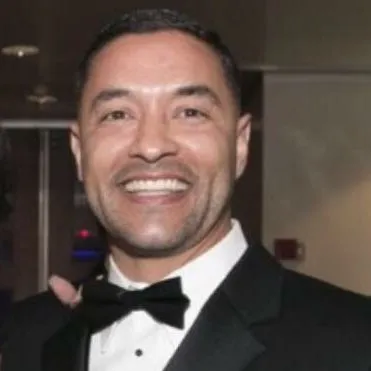
Jose F. Espinoza
Licensed Bail Agent #1841969 · Founder, Espinoza Bail Bonds
Jose F. Espinoza is a U.S. Army veteran, former Military Police officer, and licensed bail agent who founded Espinoza Bail Bonds in 2014. After 25 years of decorated military service, he now brings the same discipline, loyalty, and calm leadership to helping families navigate the bail process. Jose believes in second chances and treats every client with dignity, respect, and compassion.


 Speak to a Bail Agent:
(844) 325-8424
Speak to a Bail Agent:
(844) 325-8424
 Request a Callback: Call
Me
Now!
Request a Callback: Call
Me
Now!
 Other Options:
Contact Us
Other Options:
Contact Us