 Spanish
Vet Transition Civilian: A Guide to Resources
- in Veteran News
Get Someone Out of Jail Fast — 24/7 Help
Reliable, confidential bail bonds available anytime, anywhere in California. We move quickly so you can bring your loved one home.
Get in TouchThe United States invests heavily in training its service members, creating some of the most capable leaders and problem-solvers in the world. When they leave the military, that investment should continue to pay dividends for our communities. However, the ‘vet transition civilian’ process is often fraught with obstacles that prevent veterans from reaching their full potential. This article is about turning that challenge into an opportunity. We will explore the key programs and corporate initiatives that help veterans apply their unique skills to new careers, highlighting the path from service to civilian success, just as our founder, Jose Espinoza, did.
Many of us give lip service to service veterans, but when it comes to hiring them, we fall short. Not only is this short-sighted, it’s an economic disaster. We, the citizens of the United States, invested vast sums training our service personnel. We should be capitalizing on that investment when they re-enter civilian life rather than setting aside these unique and uniquely-skilled men and women.
Meet Jose Espinoza: A Veteran’s Path to Entrepreneurship
Jose Espinoza was just such a veteran. He departed the military with 19 years of distinguished service under his belt. His desire to serve was not exhausted with this military service. He returned to school after his service and attained a Masters’s in Business Administration. He elected to invest his time, experience, and education in his own bail bonds business in California. You have certainly heard or seen depictions of bail bondsmen on television or in movies. The real business has much less to do with dashing around looking for felons than exercising cool judgement, expert leadership, and understanding a balance sheet. Armed with his education and military training, Mr. Espinoza established a now thriving small business, serving his community as he did his country.
Understanding the Challenges of Transitioning to Civilian Life
Returning to civilian life after military service is a profound shift that goes far beyond simply finding a new job. It’s a cultural and personal readjustment that can be incredibly challenging. For many, it means leaving behind a world of structure, camaraderie, and a clear sense of purpose for one that can feel unstructured and isolating. Research shows that this transition is a significant hurdle, with studies indicating that between 27% and 44% of veterans find it very difficult to adapt. This isn’t a sign of weakness; it’s a reflection of the immense changes they face when re-entering a society that operates on a completely different set of rules and expectations.
The difficulties are not just emotional or psychological; they often manifest in tangible ways that affect every aspect of a veteran’s life. These challenges can include securing stable employment, managing personal finances, and addressing both physical and mental health issues that may have resulted from their service. The support network that was once built into their daily lives is suddenly gone, and building a new one takes time and effort. Understanding the depth of these challenges is the first step for all of us—as family, friends, and community members—to provide meaningful support to those who have served our country.
The Reality of Readjustment
The process of readjustment involves relearning how to live in a world without the rigid hierarchy and shared mission of the military. Veterans often miss the deep bonds formed with their fellow service members, a unique connection that is difficult to replicate in civilian life. This can lead to feelings of loneliness and a sense that no one truly understands their experiences. The skills and discipline that were essential for survival and success in the military don’t always translate directly to a civilian workplace, which can be a source of immense frustration. They face a new landscape of social cues, professional expectations, and personal responsibilities that can feel overwhelming after years in a highly controlled environment.
Factors Influencing the Transition
Several key factors can make this transition particularly difficult. Many veterans grapple with physical and mental health conditions, including chronic pain, post-traumatic stress disorder (PTSD), and anxiety. Finding a fulfilling job that matches their skills and provides financial stability is another major hurdle. These issues can be compounded by financial stress and, in the most severe cases, can lead to housing instability or homelessness. The combination of these pressures creates a heavy burden, making the path to a stable and satisfying civilian life a steep climb for many who have already given so much.
Mental Health and the Stigma of Seeking Help
One of the most significant barriers veterans face is the powerful stigma surrounding mental health. In military culture, strength, resilience, and self-sufficiency are paramount. While these are admirable qualities, they can make it incredibly difficult for veterans to admit they are struggling and need help. There’s often a fear of being seen as weak or broken, which can prevent them from reaching out for the support they need to process trauma, anxiety, or depression. This internal conflict between a learned sense of duty to “tough it out” and the genuine need for care is a heavy weight to carry, and it often stops veterans from accessing critical mental health services.
Critical Issues Facing the Veteran Community
The consequences of these transition challenges are serious and widespread. Data reveals that a substantial portion of the veteran community is dealing with significant mental health issues. According to some studies, between 19% and 44% of veterans returning from combat are diagnosed with conditions like PTSD, depression, anxiety, or substance use disorders. These aren’t just statistics; they represent individuals who are struggling to cope with the invisible wounds of war while trying to build a new life. Addressing these critical issues requires not only accessible and effective treatment options but also a broader cultural shift to destigmatize mental health and encourage open conversations about the realities of post-service life.
Major Support Programs for a Smoother Transition
While the challenges are significant, the good news is that veterans do not have to face them alone. A robust network of support programs exists specifically to help service members make a successful transition to civilian life. These resources, offered by both government agencies and non-profit organizations, are designed to address the key hurdles veterans encounter, from navigating benefits to finding meaningful employment. Understanding what is available is the first step toward leveraging these powerful tools. These programs provide a structured pathway, offering guidance, training, and community to help veterans build a stable and fulfilling life after their service ends.
From federal initiatives that begin before a service member even leaves the military to specialized career coaching services, the goal is to provide a comprehensive support system. These programs recognize that a smooth transition involves more than just a new job; it requires support for mental health, education, and family life. By connecting veterans with the right resources, we can help them translate their incredible skills and experience into successful civilian careers and lives. The following programs are just a few examples of the dedicated efforts being made to honor our veterans’ service by ensuring they have the tools they need to thrive.
The Federal Transition Assistance Program (TAP)
The U.S. Department of Defense, in partnership with other federal agencies, offers the Transition Assistance Program (TAP) to all service members. This program is a crucial first step, providing comprehensive workshops and resources to help them prepare for the shift to civilian life. TAP covers a wide range of topics, including financial planning, resume writing, and job searching strategies. The program is designed to be a proactive measure, equipping service members with the knowledge and tools they need before they officially separate from the military. It acts as a bridge, helping to demystify the civilian world and providing a clear roadmap for the journey ahead.
The “VA Benefits and Services” Course
A key component of TAP is the “VA Benefits and Services” course, which is essential for any transitioning service member. This session provides a detailed overview of the wide array of benefits available through the Department of Veterans Affairs. It covers everything from health care and disability compensation to education benefits like the GI Bill and resources for family support. For many veterans, these benefits are a lifeline that can provide financial stability, access to medical care, and opportunities for further education or vocational training. Understanding how to access and utilize these earned benefits is a critical piece of a successful transition.
Free Career Coaching and Job Placement Services
Beyond federal programs, numerous non-profit organizations are dedicated to helping veterans find meaningful employment. These groups specialize in bridging the gap between military experience and civilian career opportunities. They offer personalized, one-on-one support that can make a world of difference for a veteran navigating the civilian job market for the first time. Services often include resume assistance, mock interviews, and direct connections to companies that are actively seeking to hire veterans. These organizations understand the unique value that former service members bring to the workforce and work tirelessly to help them showcase their skills effectively.
Hiring Our Heroes
Hiring Our Heroes, a program of the U.S. Chamber of Commerce Foundation, connects the military community—service members, military spouses, and veterans—with American businesses to create economic opportunity and a strong and diversified workforce. They host hiring fairs, workshops, and a 12-week Corporate Fellowship Program that provides hands-on experience in the civilian sector.
Hire Heroes USA
Hire Heroes USA provides free, one-on-one career coaching and job placement services to transitioning military members, veterans, and their spouses. Their team helps veterans craft powerful resumes that translate military experience into language civilian employers can understand. They also offer mock interviews and personalized support throughout the job search process.
Disabled American Veterans (DAV)
Disabled American Veterans (DAV) is a non-profit organization that provides a lifetime of support for veterans of all generations and their families. While they offer a range of services, they place a strong emphasis on employment. DAV hosts career fairs and provides resources through its Entrepreneurship Program, which helps veterans, particularly those with disabilities, find meaningful jobs or start their own businesses.
Corporate Initiatives and Free Skill-Building Resources
The private sector has also stepped up in significant ways to support veterans. Many leading companies recognize that hiring veterans isn’t just a patriotic duty; it’s a smart business decision. Veterans bring unparalleled leadership, discipline, and problem-solving skills to the workplace. To tap into this talent pool, corporations have developed dedicated hiring initiatives and free training programs designed to help former service members acquire the specific skills needed to succeed in civilian industries. These resources are invaluable, providing a direct path to in-demand careers and helping to close the gap between military training and corporate needs.
These initiatives go beyond simple recruitment. They often involve mentorship programs, employee resource groups for veterans, and partnerships with non-profits to create a supportive ecosystem. The focus is on long-term career development, not just initial placement. By offering free access to certifications and technical training, companies are investing in the future of the veteran workforce. This commitment from the corporate world sends a powerful message that the skills and experiences gained in the military are highly valued and directly applicable to success in a wide range of fields.
Translating Military Skills for Civilian Employers
One of the biggest challenges for veterans is learning how to articulate their military experience in a way that resonates with civilian hiring managers. The leadership, teamwork, and operational planning skills honed in the service are incredibly valuable, but they need to be translated from military jargon into business terms. Many support programs and corporate initiatives focus specifically on this translation process. They help veterans identify the core competencies they developed and reframe them on a resume to highlight their relevance to a specific job, ensuring that their unique qualifications are not overlooked by potential employers.
Free Tech Training and Certifications
In today’s economy, technical skills are more valuable than ever. Recognizing this, several major tech companies and non-profits offer free training and certification programs tailored for veterans. These programs provide hands-on education in high-growth fields like cloud computing, cybersecurity, and data analytics. Gaining these in-demand credentials can dramatically improve a veteran’s employment prospects and open doors to well-paying, stable careers. These opportunities allow veterans to build on their existing skills and pivot into new industries, ensuring they remain competitive in a rapidly evolving job market.
Programs from Microsoft, AWS, and LinkedIn
Several tech giants lead the way in this area. For example, Microsoft’s Software and Systems Academy (MSSA) offers a free, 17-week course in fields like cloud application development, with graduates guaranteed an interview with Microsoft or one of its hiring partners. Similarly, Amazon Web Services (AWS) offers programs to help veterans gain cloud computing skills. LinkedIn also provides veterans with a free one-year premium subscription, which includes access to thousands of online courses through LinkedIn Learning.
Business Process and Safety Certifications
Beyond tech, other valuable certifications can give veterans a competitive edge. Organizations like Veterans Transition Support (VTS) offer free training for certifications that are highly sought after in manufacturing, logistics, and construction. These can include project management courses and safety certifications like OSHA 10/30. Holding these credentials can immediately signal a candidate’s qualifications and readiness for roles in operations and management, making them a more attractive hire.
Companies Leading the Way in Veteran Hiring
The effort to support veterans in the workforce is a collective one, with many companies and programs actively working to recruit, hire, and retain former service members. These organizations have recognized the immense value that veterans bring, including a strong work ethic, integrity, and the ability to perform under pressure. They have built dedicated military hiring programs, established veteran employee networks, and created a culture that understands and supports the unique experiences of the military community. This growing movement ensures that veterans have more opportunities than ever to find a workplace where they can not only succeed but truly thrive.
A New Mission: Helping Vets Transition to Tech
Other veterans, without the education or direction of Mr. Espinoza, were floundering in California communities such as Sacramento when BreakLine was founded. This program that combines federal and local support is designed to help veterans transition their talents and intellect to civilian industries. Cooperating with several well-known companies such as PayPal, BreakLine offers training and mentoring services with particular emphasis on high-tech opportunities in keeping with the specialty of the region. Though only a pilot, BreakLine has already made a difference in the lives of the initial group of enrolled veterans. The program combines MBA-type courses with introductions to local companies and hands-on group projects. Some of the first graduates of the program have already landed career-level jobs. One of the graduates helpfully pointed out that one advantage of hiring a veteran is opening an opportunity to others like him. Most military people have vast friends and acquaintances in and out of the service. When a manager stops by his desk and says “I need another two people like you” he can likely give him a list of 20 to select from.
Essential Resources for Crisis and Financial Support
The transition from military to civilian life can present unexpected hurdles, especially when it comes to personal well-being and financial security. Knowing where to find reliable support is a critical first step toward addressing these challenges. Fortunately, numerous organizations and programs are dedicated to providing veterans with the resources they need to stand on solid ground. From immediate crisis intervention to long-term financial planning and housing assistance, help is available. The following resources are designed to offer a starting point for veterans and their families seeking guidance and support during times of uncertainty.
Immediate Help for Veterans in Crisis
Adjusting to life after service can be incredibly stressful, and it’s important to know that you are not alone. If you are a veteran in crisis or are concerned about one, you can get confidential help anytime, day or night. The Veterans Crisis Line connects you with trained responders, many of whom are veterans themselves and understand the challenges you might be facing. You can call 988 and press 1 to talk with someone immediately. If you prefer not to speak on the phone, you can also text 838255 or start a confidential chat online. Reaching out is a sign of strength, and this free service is always available to provide the support you deserve.
Support for Housing and Financial Stability
Securing stable housing and managing personal finances are two of the biggest concerns for many veterans re-entering the civilian world. The U.S. Department of Veterans Affairs (VA) and other organizations offer robust programs to help. The VA has a strong track record, having successfully housed tens of thousands of veterans through its various initiatives. These programs provide more than just a roof over your head; they offer a foundation for rebuilding a stable and secure life. Whether you need immediate housing assistance or tools to plan your financial future, there are dedicated resources designed to guide you through the process and help you achieve long-term stability.
Help for Homeless Veterans
The reality is that a significant number of veterans face homelessness after their service. Statistics show that veterans make up a disproportionate percentage of the homeless population in the U.S., with many living without adequate shelter. If you are a veteran without a safe place to stay, immediate help is available. Your local VA Medical Center or Community Resource and Referral Center is your first stop. These centers are equipped to connect you with housing resources, health care, and employment services to help you get back on your feet. Don’t hesitate to walk in and ask for the help you need.
Financial Planning Tools
Feeling in control of your finances is a key part of a successful transition. To help you gauge your financial readiness for civilian life, the Consumer Financial Protection Bureau (CFPB) offers practical tools and resources. They have an online quiz specifically designed to help you assess your financial preparedness and identify areas where you might need to focus. This simple tool can give you a clearer picture of your financial health and point you toward the right resources for budgeting, saving, and managing debt. Taking a few minutes to check your financial readiness is a proactive step toward building a secure future.
Accessing Benefits by Appealing Discharge Status
Your discharge status from the military plays a major role in determining your eligibility for VA benefits, including healthcare, education, and housing assistance. If your discharge was anything other than “honorable,” you might find that you are unable to access the benefits you earned. However, it’s important to know that you have the right to appeal this status. You can file a DD Form 149, Application for Correction of Military Record, to have your discharge reviewed. A successful appeal could change your discharge status and unlock the full range of benefits and support available to you. This process can be a critical step in securing the resources you need for a stable civilian life.
Building a Supportive Community for Veterans
While official programs and resources are essential, the power of a strong community cannot be overstated. The support of family, friends, neighbors, and local businesses creates a network that helps veterans thrive. This means more than just saying “thank you for your service”; it means creating real opportunities for employment, offering a listening ear, and understanding the unique value that veterans bring to the workplace and the community. It’s about fostering an environment where veterans feel seen, respected, and connected. This sense of community and purpose is a powerful force in ensuring a smooth and successful transition back to civilian life.
This commitment to service and community is what drives many veteran-owned businesses. After 19 years of distinguished military service, Jose Espinoza founded his bail bonds company with a mission to continue serving others. At Jose Espinoza Bail Bonds, we understand the importance of support, respect, and second chances. We believe that everyone deserves help during a difficult time, and we are proud to be a part of the supportive fabric of our California communities. Building a strong community means showing up for one another, and that principle guides everything we do, both as a business and as fellow community members dedicated to helping people navigate challenging situations with dignity.
How Veterans Can Lift Each Other Up
Had he not started his own business, Mr. Espinoza would have been a prime candidate for such a program. In his role as a local community leader and business owner, he is always on the lookout for an opportunity to lend another veteran a hand. His advice and leadership are equally at the disposal of a fellow veteran. Many former service personnel is excellent matches for other small businesses. They have the leadership skills needed to take charge of a new enterprise; they have experience of long hours of work under difficult, tense situations to prepare them to put their all into the new effort; and they have a low-to-no tolerance for failure. In spite of this background, many veterans find transitioning back to the less structured, civilian world difficult and are appreciative of people like Jose Espinoza. Even if they only want to chat with someone who’s been there, its a great comfort.
Why Hiring a Veteran Is a Smart Investment
No veteran enters the service because he or she thinks it will lead to a great job later on. Neither do they feel that country owes them a good career after they conclude their service? However, considering the investment in time and training we have already made in these men and women and that we do, in fact, owe them our lives, supporting them after service is both humane and sensible. As a vet, Jose Espinoza helps and supports other veteran-owned businesses as much as he can. We all have that same opportunity. Look for a chance to support our veterans; it is never a mistake.
Frequently Asked Questions
I’m leaving the military soon. What’s the most important first step I can take to prepare for civilian life? The best place to start is the Transition Assistance Program (TAP) offered by the Department of Defense. Think of it as a boot camp for civilian life. It provides workshops on everything from financial planning to writing a resume that will catch an employer’s eye. A key part of this program is a course on VA benefits, which explains all the resources you’ve earned, like healthcare and education support.
How can I make my military experience make sense to a civilian hiring manager? This is a common challenge, but it’s completely solvable. The key is to translate your military duties into business terms. Focus on the skills, not just the tasks. For example, leading a squad shows leadership and project management. Organizations like Hire Heroes USA specialize in this, offering free, one-on-one coaching to help you reframe your experience on a resume so your unique qualifications stand out.
Are there any free resources to help me learn new job skills, especially in tech? Yes, absolutely. Many major companies have created free training and certification programs specifically for veterans. Microsoft, Amazon Web Services (AWS), and LinkedIn all offer programs that can equip you with valuable skills in high-growth fields like cloud computing and cybersecurity. These courses can give you a significant competitive edge and open doors to new career paths.
What if I’m having a hard time mentally with this transition? Is there somewhere I can turn for immediate support? You are not alone, and reaching out is a sign of strength. The Veterans Crisis Line is a confidential, free resource available 24/7. You can call 988 and press 1 to speak with a trained responder, many of whom are veterans themselves. They understand what you’re going through and can provide immediate support when you need it most.
My discharge status is preventing me from getting benefits. Am I out of options? Not at all. You have the right to appeal your discharge status. The process involves filing a specific form to have your military record reviewed for a potential correction. A successful appeal could change your status to “honorable,” which would unlock the full range of VA benefits you earned through your service. It’s a critical step that can secure the support you need for a stable future.
Key Takeaways
- Recognize the transition is a major shift: Adjusting to civilian life presents real challenges, and it’s okay to seek support. Confidential resources like the Veterans Crisis Line are available 24/7 by calling 988 and pressing 1.
- Leverage free resources for your career: You can find numerous programs designed to help you succeed. Use services like TAP, non-profit career coaching, and free tech certifications to translate your military experience into a powerful civilian resume.
- Hiring veterans is a smart investment: Former service members bring exceptional leadership, integrity, and problem-solving skills to the workplace. Supporting veteran-owned businesses and creating hiring opportunities strengthens our entire community.
Related Articles
- Entrepreneurship for Veterans | Espinoza Bail Bonds
- Helping Vets Transition to Civilian Jobs | Espinoza Bail Bonds
- VA Launches New No-Cost Training Programs
- Labor Grant Helps Veterans | Espinoza Bail Bonds
- Small Businesses Owned by Vets | Espinoza Bail Bonds
About the Author
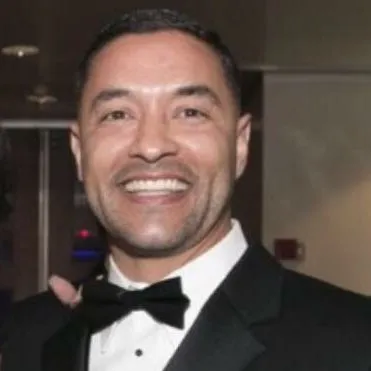
Jose F. Espinoza
Licensed Bail Agent #1841969 · Founder, Espinoza Bail Bonds
Jose F. Espinoza is a U.S. Army veteran, former Military Police officer, and licensed bail agent who founded Espinoza Bail Bonds in 2014. After 25 years of decorated military service, he now brings the same discipline, loyalty, and calm leadership to helping families navigate the bail process. Jose believes in second chances and treats every client with dignity, respect, and compassion.


 Speak to a Bail Agent:
(844) 325-8424
Speak to a Bail Agent:
(844) 325-8424
 Request a Callback: Call
Me
Now!
Request a Callback: Call
Me
Now!
 Other Options:
Contact Us
Other Options:
Contact Us