 Spanish
How to Clear a Bench Warrant in California
- in Legal Info
Get Someone Out of Jail Fast — 24/7 Help
Reliable, confidential bail bonds available anytime, anywhere in California. We move quickly so you can bring your loved one home.
Get in TouchA simple broken taillight can quickly turn into a trip to jail. That’s the unfortunate reality of driving with an outstanding bench warrant in California. This single issue can spiral, leading to a suspended driver’s license that makes it impossible to get to work, or it can surface on a background check and cost you a great job opportunity. These aren’t just worst-case scenarios; they are common outcomes for a problem that only gets worse with time. Fortunately, you can prevent these disruptions. This guide provides a clear roadmap on how to clear a bench warrant, helping you protect your freedom, your finances, and your future from unexpected legal trouble.
If you have a bench warrant in California, it means that you failed to either appear for, pay or present something important. Bench warrants & arrest warrants are slightly different in that bench warrants may not involve a crime. You may have missed a court date that required your presence. You may have failed to pay your child or spousal support. Perhaps you did not show your probation offer that you registered for a rehabilitation program as ordered. Those are the most common reasons for bench warrant issuance. For one of those reasons, the judge ordered a warrant for your arrest, and now you must appear before a judge to find out how he or she will handle it.
Understanding Bench Warrants
It’s easy to get confused by legal jargon, so let’s clear things up. A bench warrant isn’t the same as an arrest warrant, and understanding the difference is the first step. Think of it this way: an arrest warrant is typically issued when law enforcement has probable cause to believe you’ve committed a crime. A bench warrant, on the other hand, is a direct order from a judge—or “the bench”—when you’ve failed to follow a court order. This could mean you missed a court date, didn’t pay a required fine, or failed to complete a court-mandated program. The warrant essentially instructs law enforcement to bring you before the court to address the non-compliance.
Difference Between a Bench Warrant and an Arrest Warrant
The key distinction lies in their origin and purpose. As noted by legal experts at Wilfert Law P.C., “A bench warrant is a special order from a judge. It’s issued when someone doesn’t show up for court, doesn’t pay a fine, or doesn’t follow a court order. It’s different from an ‘arrest warrant,’ which is issued when someone is suspected of a crime.” So, while both can lead to your arrest, a bench warrant is about holding you accountable for a previous court matter, not accusing you of a new criminal offense. It’s a tool the court uses to ensure its orders are followed.
Additional Reasons a Warrant Can Be Issued
While failing to appear for a hearing is a primary reason for a bench warrant, it’s not the only one. The court can issue one for several other reasons related to non-compliance. According to the Khalaf Law Firm, some of the most common triggers include “failing to appear for any scheduled court date (like hearings, trials, jury duty, or as a witness) and failing to pay court-ordered fines.” You could also receive one for not providing proof of enrollment in a required class, like a DUI program, or for violating the terms of your probation. Essentially, any failure to meet a direct order from the court can result in a bench warrant.
Legal Terms for Clearing a Warrant
To resolve a bench warrant, you can’t simply ignore it; you must face the court. The process of clearing it is often called “quashing” or “recalling” the warrant. For a misdemeanor warrant, the good news is that your attorney can often appear in court on your behalf, saving you the stress of appearing yourself. However, for a felony warrant, your presence is mandatory. As legal professionals explain, “To clear a bench warrant, you must appear in court. For a misdemeanor warrant, your lawyer can go to court for you. For a felony warrant, you must be present in court.” Taking this step is the only way to get the warrant lifted and move forward.
Consequences of an Outstanding Warrant
An outstanding bench warrant is more than just a piece of paper in a court file; it has real-world consequences that can disrupt your life in significant ways. From the constant threat of arrest to long-term damage to your personal and professional life, the impacts are serious and far-reaching. Ignoring the warrant will only make the situation worse, as the problem won’t disappear on its own. The best course of action is to address it head-on to prevent these consequences from escalating and causing even greater hardship for you and your family. Understanding what’s at stake can motivate you to take the necessary steps to resolve it quickly.
Immediate Arrest and Potential Bail Issues
The most immediate risk of an outstanding bench warrant is being arrested. This can happen at any time and in any place. As Eg Attorneys points out, “Police can arrest you at any time, anywhere (home, work, traffic stop).” A simple traffic violation for a broken taillight can quickly turn into a trip to jail if the officer discovers the warrant during a routine check. If you are arrested, you will likely need to post bail to be released. This is where having a reliable bail bonds agent is crucial. At Jose Espinoza Bail Bonds, we can help you secure the necessary bail bonds quickly to get you or your loved one out of jail and back home.
Impact on Your Driver’s License and Background Checks
Beyond the risk of arrest, a bench warrant can have other lasting effects. For example, the DMV can be notified, and “your California driver’s license can be suspended until you go to court.” This can make it difficult to get to work, run errands, or manage daily life. Furthermore, the warrant will appear on background checks, which can create major obstacles. It can make it challenging to get a new job, secure a loan for a car or home, or even rent an apartment. These long-term consequences highlight why it’s so important to deal with a warrant as soon as you become aware of it.
Penalties for Failing to Appear in Court
Failing to appear in court (FTA) is a separate offense from the original charge you were facing. The court takes this very seriously, and the penalties depend on whether the original case was a misdemeanor or a felony. These additional charges are stacked on top of whatever consequences you were already facing, compounding the legal trouble you’re in. It’s a critical mistake to think that by not showing up, the problem will just go away. In reality, you are creating a new, and often more complicated, legal issue for yourself that will need to be resolved.
For a Misdemeanor Charge
If your original case was a misdemeanor, intentionally skipping your court date can lead to a new misdemeanor charge under California Penal Code 1320. This isn’t just a slap on the wrist. According to legal experts, this new charge “could mean up to 6 months in jail and a $1,000 fine.” This penalty is in addition to whatever sentence you might receive for the original offense. It’s a significant consequence for what might have seemed like a minor issue, turning one problem into two and increasing the potential for jail time and hefty fines.
For a Felony Charge
As you might expect, the penalties for failing to appear on a felony charge are much more severe. If you were released on bail or on your own recognizance for a felony and then intentionally miss your court date, you can be charged with a new felony. This new charge carries substantial penalties, including “state prison or county jail time and a fine up to $5,000.” This is a serious offense that can dramatically alter the outcome of your case, adding years to a potential sentence and making it much more difficult to achieve a favorable resolution.
Can a Bail Bondsman Help With a Warrant?
Our legal advice is to find a professional bail agent who works for a bail bond company. Bail bond companies pay bail amounts so that people can stay out of jail until their court date. You may be able to get the bail agent to pay your bail, which may give you some additional time to figure out how to clear your warrants. Either you or someone who is close to you can contact the bail agent and go through the application process. You should be able to get help with a small down payment and a little collateral. However, the nature of the bench warrant will determine whether you can get that kind of help. One of the most common bail issues is that the defendant didn’t show up for court the first time. A judge might not allow bail for you if you missed court. The other element on the bail issues is that you have to have a down payment. Some people cannot offer down payments, and thus they can’t reap the benefits of a bail agent. You can Hire a bail agent as long as you meet the minimum requirements.
Why Was a Bench Warrant Issued Against You?
If you haven’t done so already, you’ll need to find out why you have a bench warrant. You’ll have a bench warrant for failure to appear if you missed a court date. The bench warrant for failure to appear is the one that may cause a little disturbance if you try to get bail bonds. The judge may not feel comfortable with allowing you to get out on bail bonds because he may think that you’ll fail to appear again. However, you may be able to get your bench warrant attorneys to explain why you never showed up. A civil bench warrant is a little different from a regular bench warrant. A civil bench warrant may have been issued because of missed child support or spousal support payments. The judge may allow you to hire a bail agent if that’s the case. That concludes the list of common reasons for bench warrant issuance. You will have to resolve this issue no matter what your reason is that there is no California bench warrant expiration. Bench warrants & arrest warrants are different in that aspect. The bench warrant stays on you until the end of the time if you don’t handle it. The reason that there is no California bench warrant expiration is that it’s not subject to a statute of limitations if it’s not tied to a crime.
Why You Need an Experienced Bench Warrant Attorney
One of the most effective ways to handle a bench warrant it to do it with the help of an experienced attorney. An attorney can be there for you every step of the way. This person can help you find out why you have a bench warrant, and he can support you through the process of bargaining with the judge who issued the warrant. Don’t try to handle things on your own. Call an attorney and guarantee yourself the best outcome.
The Process for Misdemeanor vs. Felony Warrants
The steps you take to clear a bench warrant depend heavily on the original charge. The distinction between a misdemeanor and a felony is critical. If the warrant is for a misdemeanor, your attorney can often appear in court on your behalf, meaning you might not have to go yourself. This can save you time and reduce stress. However, if the warrant is connected to a felony charge, the situation is more serious. You are required to be physically present in court with your lawyer. Understanding this difference is the first step in forming a plan with your legal counsel to address the warrant and get your case back on track.
Specific Arguments to Make in Court
When you appear before the judge, your attorney will present arguments to have the warrant recalled, or “quashed.” There are several valid reasons why you may have failed to appear or comply with a court order. For example, you can argue that you never received the notice for your court date, or that you were unaware of the case entirely. Other potential arguments include having already met the conditions of the court order, like completing a required class, or a case of mistaken identity where you were confused with someone else. Your attorney will help you determine the strongest argument for your specific situation and present it effectively to the judge to achieve the best possible outcome.
Voluntary Surrender and Local Procedures
Instead of waiting to be arrested at an inconvenient time, you can take control by arranging a voluntary surrender. The most important first step is to hire an attorney. They can contact the court and arrange a time for you to turn yourself in. Often, they can also coordinate with a bail bond agent to have your bail bond posted in advance. This process, sometimes called a “walk-through,” can mean you are booked and released in a matter of hours without spending significant time in jail. Taking this proactive approach shows the court you are taking the matter seriously and can often lead to a more favorable resolution, like getting released on your own recognizance or having bail set at a reasonable amount.
Take the Steps to Meet Your Obligation
After you find out what’s going on, and you speak to your attorney, you will need to meet your obligations. Pay the fine or support payment if it’s overdue. Show your documentation to your probation officer if you need to. You can take care of almost everything while you are out, but you still have to appear in court to discuss with the judge why you didn’t meet your obligations, to begin with originally. Make sure you appear because the consequences of failing to appear are massive. One of the consequences of failing to appear is bench warrant jail time. Bench warrant jail time can be days or months depending on how the judge feels about your failure to appear in court.
Prepare for Your Court Appearance
The last thing to do is to appear in court and have your attorney plead your case. Everything will be fine if you remain humble, allow the attorney to speak for you, and be willing to take any additional steps that the judge requests. Contact us for your legal advice on clearing warrants.
Potential Outcomes and Costs
Once you and your attorney are ready to address the bench warrant, the next step is appearing in court. The outcome largely depends on the original reason for the warrant and how you handle the situation now. A judge will review your case to decide on the next steps, which could range from a simple dismissal to imposing fines or even jail time. The key is to be proactive and prepared. Facing the issue head-on with legal support shows the court you’re taking the matter seriously, which can significantly influence the final decision and the associated costs you’ll need to cover.
How a Judge Makes a Decision
To clear a bench warrant, a court appearance is non-negotiable. However, how you appear can differ based on the severity of the original issue. If the warrant is for a misdemeanor, your attorney may be able to appear in court on your behalf, saving you the stress of going yourself. For a felony warrant, you are required to be there in person. The judge will consider why you failed to appear or comply initially and what steps you’ve taken to resolve it. Having a solid explanation and a clear plan, presented by an experienced attorney, can make all the difference in the judge’s final ruling.
Alternatives to Fines and Jail Time
The thought of facing huge fines or jail time is scary, but it’s not always the outcome. Judges often have some flexibility, especially if the warrant is for a minor issue like an unpaid ticket. If you can demonstrate that you’re unable to pay a fine all at once, the court might be willing to work with you. Many courts offer alternatives like setting up a manageable payment plan or allowing you to complete community service hours instead of paying a fine. Your attorney can help you request these options and show the judge that you are committed to fulfilling your obligations.
Understanding the Total Costs Involved
The cost of clearing a bench warrant varies because it’s tied to your original case. When you surrender, the judge may set a bail amount to ensure you return for future court dates. This is where a bail bond service can be a lifesaver. Instead of paying the full bail amount, you pay a small percentage to a bail agent. At Jose Espinoza Bail Bonds, we offer flexible payment plans to make this process less of a financial burden. Beyond bail, you may also need to pay the original fine that led to the warrant, plus any additional court fees, so it’s important to budget for multiple expenses.
Frequently Asked Questions
What’s the very first step I should take if I think I have a bench warrant? Before you do anything else, you need to confirm that a warrant actually exists. The best way to do this is to have an attorney check the court system for you. This is a discreet and safe way to get accurate information without alerting law enforcement. Acting on a hunch can cause unnecessary stress, so getting the facts straight is always the right place to start.
Can I just pay a fine online to clear a bench warrant? Unfortunately, it’s not that simple. A bench warrant is a direct order from a judge for you to appear in court, usually because you missed a date or failed to complete a requirement. It isn’t just a bill you can pay off. You must address the root cause of the warrant by appearing before the judge, which is why the court appearance is a necessary step to get it cleared.
How long does a bench warrant last in California? A bench warrant in California does not have an expiration date. It will remain active and attached to your name indefinitely until you take action to resolve it with the court. Unlike some other legal issues, it won’t simply go away with time, which is why it’s so important to handle it as soon as you become aware of it.
If I turn myself in, am I guaranteed to go to jail? Not necessarily. While the warrant is an order for your arrest, you can often avoid significant jail time by handling it proactively. By working with an attorney and a bail bond agent, you can arrange for a voluntary surrender. This process often allows you to be booked and released in just a few hours, getting you back home quickly while your case proceeds.
Do I really need to hire both an attorney and a bail bondsman? They play two very different but equally important roles. An attorney is your legal advocate who will represent you in court and argue to have the warrant recalled. A bail bondsman provides the financial means for your release if the judge sets bail. Having both on your team ensures you can handle the legal challenge effectively while remaining out of custody.
Key Takeaways
- Be Proactive, Not Reactive: The best way to handle a bench warrant is to face it head-on. An attorney can help you arrange a voluntary surrender, giving you control over the timing and process instead of waiting for an unexpected arrest.
- Recognize the Real-World Impacts: A warrant is more than a legal issue; it can cause your driver’s license to be suspended, jeopardize job opportunities, and lead to an arrest during a routine traffic stop.
- Lean on Professional Support: Clearing a warrant is a team effort. An experienced attorney can represent your interests in court, while a bail bonds agent makes posting bail affordable so you can focus on your case from home, not a jail cell.
Related Articles
- How to Clear a Bench Warrant in California | Espinoza Bail Bonds
- Facts About California Bench Warrants | Espinoza Bail Bonds
- How to avoid an Arrest Warrant in California
- What Is an Arrest Warrant Issued by Court?
- What Is an Out of County Warrant in California?
About the Author
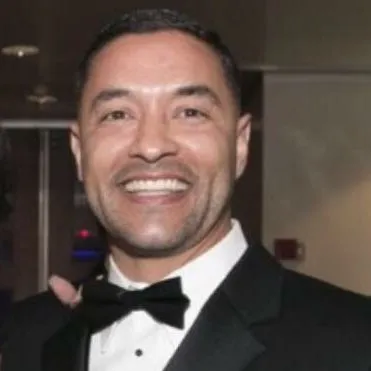
Jose F. Espinoza
Licensed Bail Agent #1841969 · Founder, Espinoza Bail Bonds
Jose F. Espinoza is a U.S. Army veteran, former Military Police officer, and licensed bail agent who founded Espinoza Bail Bonds in 2014. After 25 years of decorated military service, he now brings the same discipline, loyalty, and calm leadership to helping families navigate the bail process. Jose believes in second chances and treats every client with dignity, respect, and compassion.

 Speak to a Bail Agent:
(844) 325-8424
Speak to a Bail Agent:
(844) 325-8424
 Request a Callback: Call
Me
Now!
Request a Callback: Call
Me
Now!
 Other Options:
Contact Us
Other Options:
Contact Us