 Spanish
The Driver’s Guide to the Mouth Swab Test
- in Laws
Get Someone Out of Jail Fast — 24/7 Help
Reliable, confidential bail bonds available anytime, anywhere in California. We move quickly so you can bring your loved one home.
Get in TouchGetting pulled over is stressful enough without being asked to take a drug test on the side of the road. More and more, law enforcement officers are using a mouth swab test to screen for substances because it’s quick, non-invasive, and hard to tamper with. But what does this test actually detect, and how accurate is it? Understanding how this simple procedure works, what your rights are, and what happens after a positive result is critical. This guide breaks down everything you need to know about the mouth swab test, from the substances it can identify to the steps you might face if the test leads to an arrest.
What Drivers Need to Know About Mouth Swab Tests
Why Police Use Mouth Swabs for DUI Stops
Positive Test? Understanding the Bail Bond Process
How Does a Mouth Swab Test Actually Work?
What Substances Show Up on a Mouth Swab Test?
Additional Substances Detected
The list of common substances is just the start. Depending on the specific test an officer uses, a mouth swab can identify a much wider range of drugs. More comprehensive panels are designed to screen for substances like ecstasy (MDMA), methadone, and even Rohypnol, sometimes called “roofies.” The Cleveland Clinic confirms that these oral tests can find everything from alcohol and amphetamines to cocaine and opioids. This broad detection capability is a key reason law enforcement uses them during traffic stops, as it gives them a quick and non-invasive way to check for potential impairment beyond just alcohol.
How Long Are Drugs Detectable in Saliva?
One of the most critical aspects of a mouth swab test is its detection window—the period a substance remains traceable in your saliva after use. This window is generally quite short, making these tests excellent for pinpointing very recent consumption, usually within the last 5 to 48 hours. The exact timeframe, however, varies based on the drug, the dosage, and your own metabolism. Because saliva is constantly being produced and swallowed, traces of substances are cleared out relatively quickly compared to urine or hair samples. This is why a mouth swab is a good indicator of recent use, but not long-term history.
Here’s a general breakdown of detection times for common substances:
- Marijuana (THC): Up to 72 hours
- Cocaine: Up to 48 hours
- Heroin: About 1 hour
- Morphine: Up to 72 hours
- Methadone: Up to 10 days
- Alcohol: Up to 24 hours
Can You Refuse a Mouth Swab Test?
How Accurate Are Mouth Swab Tests?
Mouth swab tests are a common and convenient method for drug screening, but it’s fair to wonder how reliable they really are. While they are generally considered accurate for detecting recent substance use, several factors can influence the outcome. Understanding these variables can help you know what to expect and what your rights are if you’re ever asked to take one during a traffic stop. The goal is always to get a correct result, and knowing how the process works is the first step toward ensuring a fair outcome for everyone involved.
Preparing for a Test to Ensure Accuracy
To get the most accurate reading from a mouth swab test, it’s important to follow a few simple rules beforehand. You should avoid eating, drinking, smoking, or chewing gum for at least 10 minutes before giving a sample. Why? Because certain foods and drinks can temporarily change the pH balance in your saliva. This shift can interfere with the test’s ability to get a clear reading, potentially leading to an incorrect result, like a false positive. Following this guideline helps ensure the test is as reliable as possible and that the results accurately reflect what’s in your system.
Factors That Can Influence Results
The accuracy of a saliva test isn’t just a simple yes or no; it depends on several key factors. The specific substance being tested for matters—for instance, THC from marijuana is typically harder to detect in saliva than cocaine or opioids. Other things that can affect the result include how recently the substance was used, your personal metabolism, how often you use it, and even the quality of the test kit itself. All these elements come together to determine whether a substance is detected, making the results a snapshot of a specific moment in time rather than a complete history.
Understanding False Positives and Lab Confirmation
Occasionally, a mouth swab test can produce a “false positive,” meaning it shows a drug is present when it isn’t. This can happen for various reasons, including cross-reactivity with certain over-the-counter medications or even some foods. If you get a positive result that you believe is wrong, you have the right to ask for a confirmation test. This usually involves sending the original sample to a lab for a more advanced and precise analysis. If an arrest happens because of a questionable field test, knowing the next steps in the bail bond process can help you handle the situation calmly and effectively.
Does a Mouth Swab Test Show How Much You Used?
What Does It Mean When a Mouth Swab Drug Test Turns Blue?
Comparing Saliva Tests to Other Methods
When you’re asked to take a drug test, it’s helpful to know how it compares to other common methods. A mouth swab is just one tool in the toolkit, and its purpose is quite different from a urine or hair test. Understanding these distinctions gives you a clearer picture of what a specific test is looking for and what the results might imply. Whether it’s for a roadside stop or a pre-employment screen, each method tells a different story—one might show what you did a few hours ago, while another reveals a pattern over several months. This knowledge can be crucial in understanding the context of the test and its potential consequences.
Saliva vs. Urine Tests: Key Differences
The primary difference between saliva and urine tests comes down to what they detect. A saliva test screens for the “parent drug” itself, making it a direct indicator of very recent substance use. Think of it as catching the substance in the act. In contrast, a urine test searches for drug metabolites, which are the byproducts your body creates after processing a substance. These metabolites can linger in your system long after the drug’s effects have disappeared. On a practical level, saliva tests are also much simpler and less invasive to administer, and they eliminate the “shy bladder” issue that can sometimes complicate or delay the collection of a urine sample.
Detection Windows: Saliva, Urine, and Hair
Every drug testing method has a unique “detection window,” which is the period during which it can identify a substance after use. Mouth swabs have a short window, typically detecting use within the last 5 to 48 hours, making them ideal for assessing recent activity or potential impairment. Urine tests have a longer reach, generally identifying substance use for up to a week. For a much more extensive history, a hair follicle test provides the longest look back, capable of detecting substance use for up to 90 days. This makes it a tool for understanding long-term patterns rather than immediate use.
Mouth Swab Tests in the Workplace
While you might encounter a mouth swab test during a traffic stop, they are also becoming a standard procedure in many workplaces. Employers across California and the country use these tests as a quick, non-invasive method for maintaining a safe and productive environment. Because the samples are easy to collect on-site and often provide rapid results, they are an efficient tool for companies to integrate into their safety and hiring protocols. Knowing why and when your employer might use one can help you understand your rights and what to expect on the job.
Common Uses for Employment Screening
Companies typically use mouth swab tests for a few key purposes in their employment process. They are a common part of pre-employment screening to ensure that new hires meet the company’s drug-free workplace standards before they officially start. For current employees, these tests may be used for random drug testing programs designed to deter substance use. They are also critical for post-accident investigations. If an incident occurs on the job, an employer will likely require a test to determine if impairment was a contributing factor, which is essential for maintaining a safe work environment and addressing liability.
State and Federal Regulations for Workplace Testing
It’s crucial to know that laws governing employee drug testing can differ significantly from state to state. While widely used, some states place restrictions on how or when saliva tests can be used for employment screening. On the federal level, the rules are also evolving. The Department of Transportation (DOT) recently authorized lab-based oral fluid testing for employees in federally regulated transportation roles. This is a major update for commercial drivers, pilots, and others in the transportation sector, as it officially adds another testing method they may face as part of their job requirements.
Frequently Asked Questions
Why would an officer use a mouth swab instead of a breathalyzer? A breathalyzer is a great tool, but it only detects alcohol. An officer might use a mouth swab test if they suspect impairment from other substances, like marijuana, opioids, or amphetamines. It gives them a quick, non-invasive way to screen for a wide range of drugs right at the roadside, which a breathalyzer simply can’t do.
Can I get a false positive from medication or certain foods? It’s rare, but it can happen. Some over-the-counter medications, prescription drugs, or even foods like poppy seeds can sometimes trigger a false positive on an initial screening. This is why a positive result from a field test isn’t the final word. You have the right to request a more accurate confirmation test at a lab to verify the initial findings.
What are the immediate consequences if I refuse to take a mouth swab test? While you have the right to refuse a roadside mouth swab, doing so doesn’t necessarily end the matter. The officer can still arrest you based on other observations if they have probable cause to believe you’re impaired. After an arrest, you will likely be required to submit to a blood or urine test under implied consent laws.
Does a positive mouth swab test automatically mean I’ll be convicted of a DUI? No, a positive test is just one piece of evidence in a potential DUI case. The test shows the presence of a substance, but it doesn’t prove impairment or specify the amount you consumed. The legal process involves much more, and the prosecution still has to prove its case in court. An arrest is the first step, not the final outcome.
How long after using a substance can a mouth swab test detect it? The detection window for saliva tests is quite short, which is why they’re used to check for very recent use. For most substances, they are effective for about 5 to 48 hours after consumption. The exact time varies depending on the drug, how much was used, and your individual metabolism, but they are best at identifying use that has occurred within the last day or two.
Key Takeaways
- Mouth Swabs Pinpoint Recent Use: These tests identify substances consumed within the last few hours to two days, making them a quick tool for law enforcement to check for potential impairment during a traffic stop.
- Understand Your Rights and the Test’s Limits: You can refuse a roadside swab test, but this may lead to an arrest and a mandatory blood test. A positive result only indicates a substance’s presence, not the amount, and you can request lab confirmation to verify the findings.
- A Positive Test Can Lead to an Arrest: If a roadside test results in an arrest, the next step is typically a bail hearing. Understanding how the bail bond process works can help you secure a quick release without paying the full bail amount.
Related Articles
- What is a mouth swab drug test? – Espinoza Bail Bonds
- All About BAC Tests | Espinoza Bail Bonds
- DUI Defense: If Someone Commits a Marijuana DUI
- Under the Influence of a Controlled Substance
- Detention vs. Arrest | Espinoza Bail Bonds
About the Author
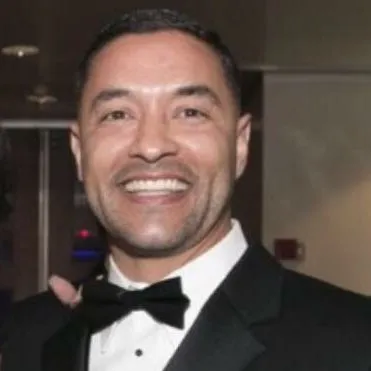
Jose F. Espinoza
Licensed Bail Agent #1841969 · Founder, Espinoza Bail Bonds
Jose F. Espinoza is a U.S. Army veteran, former Military Police officer, and licensed bail agent who founded Espinoza Bail Bonds in 2014. After 25 years of decorated military service, he now brings the same discipline, loyalty, and calm leadership to helping families navigate the bail process. Jose believes in second chances and treats every client with dignity, respect, and compassion.

 Speak to a Bail Agent:
(844) 325-8424
Speak to a Bail Agent:
(844) 325-8424
 Request a Callback: Call
Me
Now!
Request a Callback: Call
Me
Now!
 Other Options:
Contact Us
Other Options:
Contact Us