 Spanish
Trump Executive Order: What It Means for California
- in Laws
Get Someone Out of Jail Fast — 24/7 Help
Reliable, confidential bail bonds available anytime, anywhere in California. We move quickly so you can bring your loved one home.
Get in TouchIt’s easy for political news to feel like distant noise, but every so often, a decision from the top sends shockwaves that reach our own backyards. That’s exactly what happened with the recent Trump executive order targeting cashless bail policies. For years, California has been the epicenter of a fierce debate over bail reform, with communities from Los Angeles to Sacramento feeling the real-world effects of these changes. Now, the national spotlight is on us. This order isn’t just about politics; it’s about public safety, accountability, and what happens next in our local courts. Let’s cut through the headlines and talk about what this really means for you and your family.
Posted by Jose Espinoza, Licensed California Bail Agent (LIC# 1841969)
📞 844-325-8424
A Bold Move from the Top
In a move that immediately sparked headlines and heated debate, former President Donald Trump signed an Executive Order condemning cashless bail policies across the nation. The order aims to push federal incentives toward states that enforce traditional cash bail systems and penalize those that have eliminated them entirely.
Love him or hate him, this move is already shaking up the criminal justice conversation — especially here in California.
Why? Because California has been the testing ground for some of the most aggressive no-bail reforms in the country. And now the national spotlight is back on us.
Understanding the Impact of Recent Executive Orders
Executive orders are directives from the President that manage operations of the federal government. While they aren’t laws passed by Congress, they carry significant weight and can create major policy shifts almost overnight. Recently, we’ve seen a flurry of these orders touching everything from international trade to domestic policy. Understanding these changes is key, especially when they directly affect the justice system and our communities here in California. It’s not just about politics; it’s about knowing the rules of the game as they change, so you can be prepared for whatever comes next.
A Record-Setting Pace by the Numbers
The sheer volume of recent executive actions is enough to make your head spin. In the first year of his second term, former President Trump signed 225 executive orders, a number that outpaces the 220 he signed during his entire first term. This rapid pace means policies are shifting faster than ever, making it crucial to stay informed. When changes happen this quickly, they can create confusion and uncertainty, particularly in legal and administrative areas. It’s a clear signal that we need to pay close attention to how these directives are being implemented on the ground and what they mean for our daily lives.
National Security and Immigration Policy Shifts
Securing the Border and Countering Threats
A major focus of these new orders has been on national security, particularly at the southern border. A national emergency was declared, leading to the deployment of the U.S. military to the region. This action represents a significant escalation in border security measures and has wide-ranging implications for immigration enforcement and resources. For communities across California, these federal policies can influence local law enforcement priorities and affect families with ties across the border. It’s a developing situation that changes the landscape of immigration and security in our state and across the country.
Changes to Immigration and Visa Rules
The administration has also made specific changes to legal immigration channels. One notable order requires a $100,000 payment for H-1B visa petitions for workers who are currently outside the U.S. for one year. The H-1B program is a primary pathway for skilled foreign workers to come to the U.S., and this new financial requirement could dramatically alter how companies, especially in the tech sector, approach hiring international talent. It’s a policy shift that could have a ripple effect on the economy and the workforce, particularly in states like California that rely heavily on skilled immigrants.
Foreign Policy and International Relations
On the international stage, executive orders have been used to make decisive foreign policy statements. For instance, chapters of the Muslim Brotherhood in Lebanon, Jordan, and Egypt were officially designated as foreign terrorist organizations. This move alters diplomatic relationships and imposes sanctions and other legal consequences on individuals and groups associated with these entities. Such designations are powerful tools in foreign policy that can impact international alliances, security cooperation, and the global fight against terrorism, reflecting a clear and assertive stance in foreign affairs.
Economic and Trade Initiatives
New Tariffs and Trade Deals
Economic policy has also been a key area of focus, with significant changes in trade relationships. In a notable move, tariffs on Chinese goods were reduced from 20% to 10%. This decision was reportedly made in exchange for China’s commitment to help stop the flow of fentanyl into the United States. This action highlights how trade policy is being used as a tool to achieve other national security and public health objectives. For consumers and businesses, shifts in tariffs can directly impact the price of goods and the stability of supply chains.
Supporting Domestic Industries
Closer to home, an executive order created a new task force aimed at investigating and combating unfair business practices within the food industry. This initiative is designed to protect American farmers, producers, and consumers from anti-competitive behavior that can drive up prices and limit choices. By targeting industries that directly affect every household’s budget, this order seeks to ensure a fairer marketplace. It’s a move that could lead to greater transparency and competition, potentially lowering grocery bills for families across the country.
Sweeping Domestic and Administrative Policies
Reshaping Government Operations
The internal workings of the federal government haven’t been overlooked. A sweeping directive was issued to halt the filling of most vacant federal jobs and to stop the creation of new ones. This effective hiring freeze is intended to reduce the size and scope of the federal workforce. Such a move can have long-term effects on the ability of government agencies to provide services, process applications, and enforce regulations. It’s a fundamental shift in how the government operates, with potential impacts on everything from national parks to social security administration.
New Stances on Social and Legal Issues
One of the most talked-about orders aims to end cashless bail policies nationwide. The directive seeks to stop federal funding to jurisdictions that have implemented these reforms, putting direct pressure on states like California. With the future of bail reform uncertain, having a reliable and experienced bail bond agent on your side is more critical than ever. If you or a loved one needs help, understanding your options for traditional bail bonds is the first step. At Jose Espinoza Bail Bonds, we are here 24/7 to provide fast, personal service and guide you through the process, no matter the legal climate.
Health, Sports, and Culture Initiatives
Even the world of sports and culture has been touched by these executive actions. A White House task force has been created to coordinate federal planning for the 2028 Summer Olympics in Los Angeles. This order ensures that the full support of the federal government is behind one of the largest international events to be hosted on U.S. soil. For Californians, it’s a sign of the massive preparation and coordination required to host the games and highlights the federal government’s role in supporting major cultural and sporting events.
Technology, Energy, and Environmental Directives
Focus on AI, Space, and TikTok
In the tech sphere, a new task force was established to challenge state-level artificial intelligence (AI) laws that may conflict with federal objectives. This move is part of a broader strategy to create a unified national approach to regulating emerging technologies like AI. As states like California often lead the way in tech regulation, this federal pushback could create a complex legal environment for tech companies and innovators. It signals a desire to maintain federal authority over a rapidly evolving and economically vital sector.
Changes to Environmental Regulations
Environmental policy has also seen significant changes. Certain industries have been granted two-year exemptions from several Environmental Protection Agency (EPA) rules. These regulatory rollbacks are intended to reduce the burden on specific sectors of the economy, but they also raise questions about the long-term environmental and public health impacts. For communities living near industrial sites, these changes could have direct consequences, making it important to stay aware of which regulations are being relaxed and what that might mean for local air and water quality.
Legal Hurdles and Constitutional Questions
Court Challenges to Executive Authority
It’s important to remember that executive orders are not always the final word. Many of the recent directives have already faced legal challenges in court. Opponents argue that some orders may overstep presidential authority, conflicting with existing federal laws or the Constitution itself. These court battles mean that the ultimate impact of many of these policies is still uncertain. The judicial branch serves as a critical check on executive power, and the outcomes of these cases will shape the legal landscape for years to come. If you have questions about how these changes might affect a specific situation, don’t hesitate to contact us for guidance.
What Is Cashless Bail — And Why Does It Matter?
Cashless bail is the idea that people accused of crimes should be released from jail without paying any money — usually under the assumption they’re not a danger to the public and will return to court on their own.
Sounds fair in theory. But in reality, it’s led to some real problems:
-
Repeat offenders released within hours
-
Zero accountability for failure to appear
-
A revolving door that hurts victims and communities
Trump’s Executive Order is a direct challenge to those policies. But here in California, we’ve already seen what happens when bail disappears — and it’s not pretty.
From Sacramento to San Diego: What’s Happening Across California
We’ve been on the front lines of this issue for decades. Espinoza Bail Bonds operates across more than 20 counties — and we’ve seen the full range of impact. Here’s what the situation looks like in the places we serve:
Los Angeles County
One of the most aggressive no-bail jurisdictions. Hundreds of repeat offenders released and re-arrested within days. Even law enforcement agencies are frustrated.
San Bernardino County
Attempted reforms here clashed with a spike in violent crime. Judges are beginning to re-evaluate blanket releases.
Sacramento County
California’s capital has been a battleground between activists and public safety officials. Judges are using risk assessments, but results have been mixed.
Riverside & Orange Counties
Law enforcement leaders have voiced strong opposition to no-bail. But courts are still releasing many defendants without financial accountability.
Kern County (Bakersfield)
We’ve seen firsthand how quick-release policies affect our streets. Victims don’t feel safe. Officers are stretched thin. And bail agents often have to pick up the pieces.
Santa Clara, Alameda, and Santa Cruz Counties
Bay Area counties have embraced cashless bail, but now face growing public backlash. Judges are being forced to defend their decisions in the media.
Stanislaus, San Joaquin, and Fresno Counties
Crime stats are forcing a rethink. Even progressive leaders admit things may have gone too far.
Ventura, Santa Barbara, and Placer Counties
More conservative in their approach — these counties are slowing down on no-bail releases and relying more on traditional systems like bail bonds with real accountability.
Here’s the Truth: Bail Isn’t the Enemy — Bad Policy Is
There’s a myth that cash bail only hurts the poor. But that ignores the fact that:
-
Bail gives families options — to get help, negotiate, and work with a licensed agent
-
Bail agents ensure court appearances and reduce public risk
-
Bail adds a layer of accountability that pretrial systems simply can’t match
Trump’s executive order didn’t just talk about the system — it called for change.
And change is exactly what we need in California. Because communities deserve to be safe and fair.
Where Do We Go From Here?
Whether the executive order becomes law or just fuels the next wave of public debate, one thing is clear: the fight over bail is far from over.
As long as jails continue to release violent offenders with no consequences…
As long as courts ignore the impact on neighborhoods, victims, and law enforcement…
As long as the truth about bail is buried under headlines and politics…
We’ll keep speaking up.
Need Help Now? We’re Available 24/7.
Whether you live in Bakersfield, Los Angeles, Sacramento, Fresno, or any of the 21 counties we serve — Espinoza Bail Bonds is ready to help.
-
✅ Fast service
-
✅ Bilingual agents
-
✅ Flexible payment plans
-
✅ Real experience — real solutions
Call us anytime at 844-325-8424 or visit us online at joseespinozabailbonds.com.
About the Author
Jose Espinoza is a U.S. Army veteran, former military police officer, and licensed California bail agent since 2000. After deployments to Kosovo and Bosnia, he retired as a National Guard officer and now runs Espinoza Bail Bonds as a veteran-owned small business, serving communities across California with integrity, fairness, and a deep respect for the law.
📞 844-325-8424
🌐 joseespinozabailbonds.com
📸 Instagram
👍 Facebook
Frequently Asked Questions
So, what does this executive order actually change for California right now? Think of the executive order as a major statement from the federal level, not an instant switch that flips state law. It primarily aims to influence states by tying federal funding to their bail policies. For now, California’s existing laws and county-level rules are still in effect, but this federal pressure adds a new, powerful voice to the ongoing debate about public safety and bail reform in our communities.
Is cashless bail officially over in California? No, it is not. The executive order is a federal directive, but bail policies in California are determined at the state and county levels. The situation is very much in flux, and what happens in Los Angeles County can be completely different from what happens in Kern or Sacramento County. This is why the debate is so intense—the rules are inconsistent and the future is uncertain.
You mention accountability. How does a bail bond create that when cashless bail doesn’t? A bail bond creates accountability through a personal and financial agreement. When a family works with a bail agent, they are making a promise, backed by a financial commitment, that their loved one will appear in court. This creates a strong support system and a tangible reason to follow through. Cashless bail systems often release individuals on their own recognizance, removing that layer of personal responsibility and the oversight that a bail agent provides.
Why is there so much debate around bail reform in the first place? The heart of the debate is a conflict between two important goals: fairness and public safety. Advocates for cashless bail argue that a person’s freedom shouldn’t depend on their ability to pay, which is a valid concern. However, opponents argue that removing bail entirely creates a revolving-door system that fails to hold individuals accountable and puts communities at risk. The challenge is finding a solution that protects everyone’s rights without sacrificing the safety of our neighborhoods.
With all these policy changes, what’s the first thing I should do if someone I know is arrested? Your first step should be to call a licensed and experienced bail bond agent. In a confusing legal climate, you need clear, accurate information from someone who understands the specific procedures in the county where the arrest occurred. A professional can explain your options, walk you through the process, and begin the work of securing a release, giving you a reliable partner during a very stressful time.
Key Takeaways
- Federal Policy Shifts Impact Local Bail: A recent executive order targeting cashless bail means the rules for pretrial release in California could change, making it essential to understand your local court’s procedures.
- “No-Bail” Policies Have Real Consequences: Across California, cashless bail systems have often resulted in a lack of accountability for defendants, which directly impacts the safety of our local communities.
- Accountability is Key to the Legal Process: In a shifting legal landscape, the traditional bail bond system provides a clear, structured process that ensures defendants show up for their court dates.
Related Articles
- Trump’s Executive Order Targets Cashless Bail: What It Means for California, Safety, and Your Rights
- 5 Major Things about California’s New Bail Reform Law
- Bail Reforms California 2018
- Elimination of Money Bail. Who will bail out the industry?
About the Author
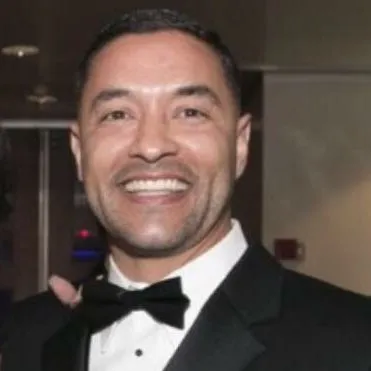
Jose F. Espinoza
Licensed Bail Agent #1841969 · Founder, Espinoza Bail Bonds
Jose F. Espinoza is a U.S. Army veteran, former Military Police officer, and licensed bail agent who founded Espinoza Bail Bonds in 2014. After 25 years of decorated military service, he now brings the same discipline, loyalty, and calm leadership to helping families navigate the bail process. Jose believes in second chances and treats every client with dignity, respect, and compassion.

 Speak to a Bail Agent:
(844) 325-8424
Speak to a Bail Agent:
(844) 325-8424
 Request a Callback: Call
Me
Now!
Request a Callback: Call
Me
Now!
 Other Options:
Contact Us
Other Options:
Contact Us