 Spanish
What Counts as Prescription Fraud in California?
- in Laws
Get Someone Out of Jail Fast — 24/7 Help
Reliable, confidential bail bonds available anytime, anywhere in California. We move quickly so you can bring your loved one home.
Get in TouchAn arrest doesn’t just impact one person; it sends shockwaves through an entire family. When the charge is prescription fraud, the situation can feel even more complex, mixing medical issues with legal trouble. You’re suddenly faced with questions about jail, court dates, and how to protect your family’s future. The stress is immense, and the path forward seems unclear. This is a difficult and personal crisis, but you don’t have to go through it alone. We’re here to help you understand the legal process and guide you through the first, most critical step: securing a release from jail so you can prepare your defense from home.
There is no doubt that prescription drugs that are available today are very powerful. Pharmaceutical drugs can cause serious addiction problems when they are misused by the people they are prescribed to or used illegally by people who do not have a valid prescription to use these drugs.
What Counts as Prescription Fraud?
Prescription fraud in its many forms has become more prevalent in society. If you have been charged with this, you’ll want to call a good bondsman. According to recent reports, prescription drugs have recently became the second most abused and trafficked drugs of choice in the United States. Greater demand for these potent drugs is leading to more prescription fraud to meet the penchants of the masses. According to www.drugabuse.gov, 52 million Americans over the age of 12 have taken prescription drugs non-medically in their lifetime. 6.1 million people Americans admitted to using prescription drugs non-medically in the last 30 days. One of the reasons that teens gave for using prescription drugs was that “they are not illegal.” This is true, so long as the prescription is made out in their name. Additionally, they said they were available everywhere. Activities that are considered to be prescription fraud include altering a valid prescription to change the number of pills that were prescribed, “shopping” doctors for the specific purpose of getting valid prescriptions, calling pharmacies with the intent of obtaining prescription drugs through deception, carrying or taking prescription pills without a valid prescription, and signing someone else’s name on a prescription, regardless of whether they are real or they are fictitious. Obviously, all of these types of activities can be very problematic for someone who is involved with them on any level. In the case of arrest, it is important that a bail bondsman is secured to help the accused get out of jail pending their court appearance. Otherwise, the defendant will have to wait in jail pending his court date. While this might not be an issue for some people if they only have to wait for a weekend to pass to speak with the judge, in many cases it can take weeks or months to set a court date, especially if the defendant was swept up in a larger prescription drug fraud sweep. To get the maximum amount of convictions for these illegal activities, prosecutors are likely to spend quite a bit of time building their case against everyone who was involved on any level.
Common Methods Used by Individuals
Prescription fraud isn’t a single act; it covers a range of illegal activities designed to obtain controlled substances. While some methods are complex, many are committed by individuals trying to get drugs for personal use or illegal sale. These actions, often driven by addiction or financial motives, carry severe legal consequences that can turn a personal struggle into a serious criminal case. Understanding these common methods is the first step in recognizing the seriousness of the offense and the potential need for legal and personal support if you or a loved one is facing charges.
Altering or Forging Prescriptions
One of the most direct forms of prescription fraud involves altering or forging a prescription slip. This can include creating a completely fake prescription on a stolen pad, changing the quantity or dosage on a legitimate script, or impersonating a medical professional over the phone. Pharmacists are trained to spot red flags, such as unusual quantities, unfamiliar doctor signatures, or visible alterations to the paper. If caught, this can lead to immediate arrest. The charges are serious, and getting out of jail quickly becomes a priority. In this situation, working with a reliable company that offers bail bonds can provide the breathing room needed to prepare a defense. These acts are not seen as minor mistakes; they are treated as deliberate attempts to deceive and illegally obtain controlled substances.
Doctor Shopping for Multiple Prescriptions
Another common tactic is “doctor shopping,” where an individual visits several different doctors to get multiple prescriptions for the same drug without disclosing the other prescriptions. The goal is usually to accumulate a large quantity of a controlled substance, either to support an addiction or to sell illegally. Statewide databases, known as Prescription Drug Monitoring Programs (PDMPs), now allow doctors and pharmacists to see a patient’s prescription history, making it much easier to identify someone who is doctor shopping. When this pattern is discovered, it can trigger an investigation and lead to criminal charges. If an arrest occurs in any of the communities we serve, from Los Angeles to Sacramento, our team is available 24/7 to help families begin the bail process and bring their loved one home.
Illegally Selling Prescribed Medication
Even if a prescription is obtained legally from a doctor, selling those pills to someone else is a serious crime known as diversion. The medication is prescribed for a specific person and their unique medical condition; selling it introduces a powerful drug into an unregulated market. This is a major way that powerful opioids and other controlled substances end up in the wrong hands, contributing to the larger drug crisis. Law enforcement agencies often conduct sting operations to catch individuals selling their medication. An arrest for selling prescription drugs can result in felony charges, significant jail time, and hefty fines. If you find yourself in this difficult situation, it’s crucial to contact us immediately to understand your options for getting out of jail while your case proceeds.
Fraud by Medical Providers and Pharmacies
While individuals commit fraud to obtain drugs, fraud can also happen from within the healthcare system itself. Medical providers and pharmacies sometimes engage in illegal schemes for financial gain. These actions not only defraud insurance companies and government programs like Medicare but also undermine the trust that patients place in their healthcare providers. These white-collar crimes are complex and often involve large-scale investigations by state and federal agencies, showing that law enforcement takes these offenses just as seriously as street-level drug crimes.
Phantom Billing and Upcoding
A significant type of healthcare fraud is known as “phantom billing.” As the FBI explains, this occurs when a provider bills an insurance company or a patient for services or supplies that were never actually provided. A related practice is “upcoding,” where a provider bills for a more expensive service than the one that was performed. For example, billing for a comprehensive office visit when the patient only came in for a quick, routine check-up. These schemes are designed to illegally extract money from the healthcare system and are pursued by federal investigators. While patients are often the victims, providers accused of these crimes face severe penalties, including loss of license and prison time.
Dispensing Fraud in Pharmacies
Pharmacies can also be a source of prescription fraud, often targeting programs like Medicare where the potential for profit is high. This can involve billing for brand-name drugs but giving the patient cheaper generics, billing for prescriptions that are never picked up, or knowingly filling fraudulent prescriptions. According to the Senior Medicare Patrol, this type of fraud is a widespread problem. Sometimes, a pharmacy might even be working with a doctor to perpetuate a larger scheme. These investigations can be extensive, and anyone involved, from the pharmacist to the technicians, can face serious criminal charges. Understanding the different facets of prescription fraud is key to recognizing the risks involved.
Even Doctors and Pharmacists Face Charges
When it comes to prescription drug fraud, no one is above the law. In May 2015, the Drug Enforcement Agency made the largest pharmaceutical drug busts ever in their history. 280 doctors, pharmacists and staffers based in California were swept up for supplying powerful painkillers to drug addicts. When people who have invested in their education, their career and made a Hippocratic Oath to uphold ethical standards have violated their own better judgment in order to satiate the demands of addicts, this shows just how powerful the lure of prescription drug fraud can be.
A Different Danger: Medication Health Fraud
Beyond the misuse of legitimate prescriptions, there’s another layer to this issue: medication health fraud. This involves the marketing and sale of unapproved or outright fake medical products. These schemes often prey on people’s hopes, offering “miracle cures” for serious conditions like cancer or diabetes. The danger here is twofold. First, these products are often ineffective and can prevent someone from seeking legitimate medical treatment that could actually help them. Second, they can contain unknown or harmful ingredients, posing a direct threat to a person’s health. It’s a deceptive practice that not only wastes money but can have devastating health consequences for those who fall victim to it.
Spotting Fake Cures and Unapproved Products
Protecting yourself from health fraud starts with a healthy dose of skepticism. Be wary of any product that claims to be a quick fix or a secret cure for a wide range of ailments. Legitimate medical treatments undergo rigorous testing and approval processes. Red flags include language like “miraculous breakthrough,” “all-natural,” or the use of personal testimonials in place of scientific evidence. Always consult with your doctor or a trusted healthcare professional before trying any new treatment or supplement. They can help you verify the legitimacy of a product and guide you toward safe and effective options. Remember, if a cure sounds too good to be true, it almost certainly is.
The Widespread Impact of Prescription Fraud
The consequences of prescription fraud ripple outward, affecting far more than just the individuals directly involved. It places a significant strain on our entire healthcare system, driving up costs for everyone. At the same time, it fuels the devastating cycle of addiction and misuse, which carries a profound human cost. This isn’t a victimless crime; it’s a complex problem with far-reaching effects on communities, families, and the healthcare infrastructure we all rely on. Understanding these impacts helps to see why law enforcement and healthcare providers take this issue so seriously.
The Financial Toll on the Healthcare System
The financial burden of prescription fraud is staggering. According to the FBI, health care fraud costs the nation tens of billions of dollars each year. This happens when individuals or providers deceive the system to get money or benefits they aren’t entitled to. This can include billing for medications that were never dispensed, creating fake prescriptions, or doctors receiving kickbacks for prescribing certain drugs. These fraudulent activities inflate costs across the board, leading to higher insurance premiums and out-of-pocket expenses for everyday people. Essentially, we all end up paying the price for the illegal actions of a few.
The Human Cost of Prescription Drug Misuse
Beyond the financial numbers, the human toll of prescription drug misuse is heartbreaking. It’s a crisis that tears families apart and puts immense pressure on our emergency services and public health systems. The ASU Center for Problem-Oriented Policing highlights that misusing these powerful medications can lead to addiction, overdose, and an increase in emergency room visits. For many, what starts as a legitimate prescription can spiral into a dependency that takes over their life. This often leads to desperate actions, including illegal activities to obtain more drugs, which can result in arrest and a criminal record that follows them for years.
Understanding Risk Factors and Vulnerable Groups
No single demographic is immune to the risks of prescription drug misuse and fraud, but certain factors can make some individuals more vulnerable. This can include people dealing with chronic pain, those with a history of substance abuse, or even older adults managing multiple prescriptions. The problem is complex, involving a mix of individual choices, medical practices, and societal pressures. It’s not just about “bad actors”; it’s also about systemic issues that can create an environment where fraud and misuse are more likely to occur. Recognizing these risk factors is the first step toward creating better safeguards for everyone.
Who Is Most at Risk?
While anyone can be affected, individuals struggling with addiction are particularly at risk. They may engage in “doctor shopping”—visiting multiple doctors to obtain several prescriptions for the same drug. This is a clear act of prescription fraud. However, vulnerability isn’t limited to those with pre-existing substance use disorders. Patients with legitimate, severe pain who may not be receiving adequate management can also become desperate. On the other side, older adults are often targeted in fraud schemes because they may manage multiple medications and rely on Medicare, making them a prime target for those looking to exploit the system for financial gain.
Systemic Issues That Contribute to the Problem
Individual actions are only part of the story. There are larger, systemic issues that create fertile ground for prescription fraud. For example, a lack of communication between different doctors and pharmacies can make it easier for someone to obtain multiple prescriptions without raising red flags. The pressure on doctors to see a high volume of patients can also lead to shorter, less thorough appointments where potential signs of drug-seeking behavior might be missed. These gaps in the system don’t excuse illegal behavior, but they do help explain how it can happen and what needs to change on a broader level to prevent it.
The Role of “Pill Mills”
One of the most concerning systemic issues is the existence of “pill mills.” These are clinics, doctor’s offices, or pharmacies that prescribe or dispense large quantities of powerful narcotics for non-medical reasons. They operate under the guise of legitimate pain management but are essentially drug trafficking operations. These establishments often accept cash only, perform minimal physical exams, and have long lines of people waiting for prescriptions. They are a major source of diverted prescription drugs that end up on the illegal market and contribute significantly to the opioid crisis. Law enforcement agencies actively work to shut down these operations across the country.
Gaps in Medical Training on Addiction
Another contributing factor can be gaps in medical education. Many doctors receive limited training on the signs of addiction and the best practices for managing patients with chronic pain who may be at risk for substance misuse. While this is changing, for years the focus was primarily on treating pain, sometimes without enough emphasis on the addictive potential of the medications being prescribed. This can leave well-meaning physicians ill-equipped to identify and handle complex situations involving potential drug-seeking behavior. Better training in addiction medicine and alternative pain management techniques is a key part of addressing the problem from the inside out.
How to Spot Warning Signs and Protect Yourself
Being proactive is your best defense against becoming a victim of prescription fraud or getting unintentionally involved in a problematic situation. This means paying close attention to your own medical records, prescriptions, and interactions with healthcare providers. It also involves being aware of the tactics that fraudsters use. Whether you’re a patient, a caregiver, or a family member, knowing the red flags can help you protect yourself and your loved ones. Simple awareness and a few preventative steps can make a significant difference in keeping your medical information and your health secure.
Red Flags for Pharmacists
Pharmacists are a crucial line of defense against prescription fraud. They are trained to spot red flags, such as prescriptions for unusually large quantities of controlled substances, frequent requests for early refills, or multiple patients bringing in similar prescriptions from the same doctor. They might also be wary of customers who seem to be from out of the area or who offer to pay cash for expensive narcotics even when they have insurance. When a pharmacist suspects fraud, they have a professional and legal obligation to verify the prescription with the doctor’s office before dispensing the medication.
Warning Signs for Patients
As a patient, you should also be on the lookout for signs of fraud. The Senior Medicare Patrol advises people to regularly check their Medicare Summary Notice or Explanation of Benefits. Look for any charges for medications you never received, prescriptions from a doctor you’ve never seen, or incorrect quantities. If a pharmacy offers you cash or other rewards for switching your prescriptions to their location, be cautious. These can be signs of a kickback scheme. Trust your instincts; if something feels off with a pharmacy or a medical bill, it’s worth investigating further.
Simple Steps for Prevention
There are several simple yet effective steps you can take to prevent prescription fraud. Start by treating your medical information like you would your credit card details. Don’t share your insurance or Medicare number with anyone other than your trusted healthcare providers. Be cautious of unsolicited offers for medical services or supplies. It’s also important to properly manage your medications at home. Keep them in a secure place, especially if you have children, teens, or frequent visitors in your home. These small habits can go a long way in preventing misuse and diversion.
Safeguarding Your Medical Information
Your medical identity is valuable, and criminals know it. They can use your personal information to fraudulently bill insurance companies or obtain prescriptions in your name. To protect yourself, never give out your medical information over the phone or through email unless you initiated the contact and are sure you’re speaking with a legitimate representative from your doctor’s office or insurance company. Shred any documents with personal health information before throwing them away. Regularly reviewing your medical and billing statements is one of the best ways to catch any fraudulent activity early before it becomes a bigger problem.
Properly Disposing of Unused Medication
Getting rid of old and unused medications is a critical step in preventing misuse. Simply throwing them in the trash or flushing them down the toilet is not the safest method, as this can lead to them being found by others or contaminating the water supply. Instead, look for community drug take-back programs. Many police departments and pharmacies offer secure drop-off boxes where you can dispose of medications anonymously and safely. This simple act ensures that powerful drugs don’t fall into the wrong hands and helps protect both your family and your community from the dangers of prescription drug abuse.
Understanding the Legal Consequences in California
In California, prescription fraud is not taken lightly. The state has specific laws, like Health and Safety Code 11173, that make it illegal to obtain or attempt to obtain controlled substances through deceit, misrepresentation, or fraud. This includes everything from forging a doctor’s signature to “doctor shopping.” The legal ramifications can be severe and life-altering, potentially leading to jail time, hefty fines, and a permanent criminal record. An arrest for prescription fraud can be a frightening and overwhelming experience, immediately disrupting your life and creating uncertainty about your future. It’s a serious charge that requires a serious and immediate response.
Misdemeanor vs. Felony Charges
The severity of the charge often depends on the specifics of the case. According to legal experts at Cronis Raels and Stark, prescription fraud can be charged as either a misdemeanor or a felony. The decision is up to the prosecutor and is typically based on factors like the type and quantity of the drug involved and the defendant’s criminal history. A misdemeanor might result in up to a year in county jail, while a felony conviction can lead to time in state prison. This distinction, known as a “wobbler,” highlights the legal system’s flexibility but also the significant jeopardy a defendant faces.
Penalties for Attempted Fraud
It’s important to understand that you don’t have to successfully obtain the drugs to be charged with a crime. The simple act of attempting to commit prescription fraud is illegal in itself. For example, if you present a forged prescription to a pharmacist who recognizes it as fake and refuses to fill it, you can still be arrested and charged. The law punishes the intent to deceive, not just the successful outcome. This means that even a failed attempt can lead to the same serious legal consequences, including potential jail time and a criminal record that can impact your employment and housing opportunities for years to come.
Facing an Arrest for Prescription Fraud
If you or a loved one is arrested for prescription fraud, the first and most critical step is to secure a release from jail. This process can be confusing, especially during such a stressful time. This is where a bail bond company can provide essential help. By posting a bail bond, the defendant can be released to await their court dates from home, which allows them to continue working and prepare their legal defense. At Jose Espinoza Bail Bonds, we understand the urgency of this situation and are available 24/7 to provide fast, compassionate service and guide you through the process with clear payment plans and support.
The Role of Law Enforcement Agencies
Several different law enforcement agencies may be involved in investigating prescription fraud cases. Local police departments often handle cases involving individuals, such as someone forging a prescription. However, for larger-scale operations, like those involving “pill mills” or extensive “doctor shopping” rings, state and federal agencies may take the lead. The California Department of Justice and the federal Drug Enforcement Administration (DEA) have specialized units dedicated to investigating pharmaceutical diversion and fraud. Their involvement often indicates a more complex case that could result in more severe charges for everyone involved in the scheme.
How to Report Suspected Prescription Fraud
If you witness or suspect any form of prescription or health fraud, reporting it is a crucial step in protecting others and holding the responsible parties accountable. Knowing who to contact can feel confusing, as different agencies handle different types of fraud. However, making a report is easier than you might think. Whether it’s a suspicious charge on your Medicare statement, a doctor you believe is over-prescribing, or an online pharmacy selling unapproved drugs, there is a designated agency to handle your complaint. Your information can be a vital piece of the puzzle that helps investigators stop these illegal activities.
Contacting the Right Agency
The right agency to contact depends on the nature of the fraud. For issues related to illegal prescribing practices or drug diversion, the DEA is often the correct authority. If the fraud involves billing practices related to government programs like Medicare or Medicaid, you’ll want to report it to the agency that oversees those programs. For issues with fake or unapproved medications being sold, the FDA is the place to turn. And for large-scale criminal operations, the FBI may be the primary investigating body. Pinpointing the type of fraud will help you direct your report to the people who can take action.
Reporting to the Drug Enforcement Administration (DEA)
If you have information about a doctor or pharmacy illegally diverting controlled substances, or you know of a “pill mill” operating in your community, you should report it to the Drug Enforcement Administration (DEA). The DEA is the lead federal agency responsible for enforcing the nation’s controlled substance laws. They have a Diversion Control Division specifically focused on preventing prescription drugs from being funneled into the illegal market. You can submit a tip through their website, providing as much detail as possible to help them investigate the illegal activity and protect the public.
Reporting to the Food and Drug Administration (FDA)
The Food and Drug Administration (FDA) is responsible for ensuring the safety and efficacy of drugs sold in the United States. If you come across a website selling prescription drugs without a prescription, or you suspect a product is counterfeit or unapproved, you should report it to the FDA. Their Office of Criminal Investigations looks into these matters to protect consumers from harmful and fraudulent products. Reporting these issues helps the FDA identify dangerous trends and take action to get unsafe products off the market, potentially saving lives.
Reporting Medicare or Medicaid Fraud
For fraud related to government healthcare programs, you should contact the Office of Inspector General for the U.S. Department of Health and Human Services. This is the agency tasked with rooting out fraud, waste, and abuse in Medicare and Medicaid. If you see suspicious charges on your statements, such as billing for medications you never received, you can file a complaint online or over the phone. Reporting this type of fraud not only protects your own benefits but also helps preserve these vital programs for the millions of seniors and low-income families who rely on them.
Reporting to the Federal Bureau of Investigation (FBI)
For large-scale or organized health care fraud schemes, the Federal Bureau of Investigation (FBI) is the primary investigating agency. This can include complex schemes involving multiple doctors, pharmacies, and patient recruiters, or sophisticated billing fraud that costs insurance programs millions of dollars. The FBI works with other federal and state agencies to dismantle these criminal enterprises. If you have information about a significant fraud operation, you can submit a tip to the FBI through their website or by contacting your local field office. Your information could be critical to stopping a major criminal operation.
Frequently Asked Questions
My loved one was just arrested for prescription fraud. What should I do first? When a loved one is arrested, the immediate priority is to get them out of jail. This allows them to return home, keep their job, and work with their attorney to prepare a defense in a supportive environment. The legal process can take weeks or months, and facing it from behind bars is incredibly difficult. Contacting a bail bonds company is the most direct way to start the release process so your family can begin to handle the situation from a place of stability.
Can someone get in trouble just for trying to use a fake prescription, even if it doesn’t work? Yes, absolutely. The law focuses on the intent to commit fraud. If you present a forged or altered prescription to a pharmacist, you have committed a crime, even if the pharmacist recognizes the fake and refuses to fill it. The act of attempting to obtain a controlled substance through deceit is illegal on its own and can lead to an arrest and serious charges.
What’s the difference between “doctor shopping” and just getting a second opinion? Getting a second opinion from another doctor is a responsible part of managing your health. “Doctor shopping,” however, is a specific type of fraud. It involves deliberately visiting multiple doctors to get several prescriptions for the same controlled substance without informing them about the other prescriptions you’ve already received. The key difference is deception, with the goal of accumulating more medication than is medically necessary.
If the charge is a misdemeanor, does that mean the consequences aren’t that serious? A misdemeanor is less severe than a felony, but it is still a serious criminal charge that should not be taken lightly. A conviction results in a permanent criminal record, which can create long-term obstacles for employment, housing, and professional licenses. In California, many prescription fraud charges are “wobblers,” meaning a prosecutor can choose to charge them as either a misdemeanor or a felony based on the specifics of the case.
I didn’t forge anything, I just sold some of my extra pills to a friend. Is that still considered fraud? Yes, selling medication that was legally prescribed to you is a crime known as diversion. Your prescription is intended only for your specific medical condition and is not legal for anyone else to use. When you sell or give away your pills, you are illegally distributing a controlled substance. This is a serious offense that can lead to felony charges, just like other forms of prescription fraud.
Key Takeaways
- Recognize What Counts as Fraud: Illegal activities include more than just forging a prescription; they also cover “doctor shopping” for multiple scripts, selling your own medication, and even complex billing schemes by medical providers.
- Understand the Legal and Personal Stakes: A prescription fraud charge in California can be a felony, resulting in jail time, steep fines, and a permanent criminal record that impacts your job and future. The consequences affect your entire family.
- Prioritize Your Next Steps After an Arrest: If you or a loved one is arrested, the most critical action is securing a release from jail. A bail bond allows you to return home, continue working, and focus on building a strong legal defense.
Related Articles
- Prescription Fraud | Espinoza Bail Bonds
- Drug Trafficking – CA Penal Code | Espinoza Bail Bonds
- California Drug Paraphernalia Laws And Penalties
About the Author
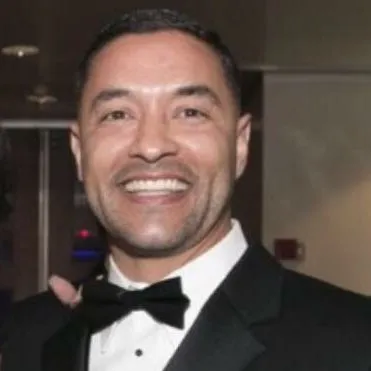
Jose F. Espinoza
Licensed Bail Agent #1841969 · Founder, Espinoza Bail Bonds
Jose F. Espinoza is a U.S. Army veteran, former Military Police officer, and licensed bail agent who founded Espinoza Bail Bonds in 2014. After 25 years of decorated military service, he now brings the same discipline, loyalty, and calm leadership to helping families navigate the bail process. Jose believes in second chances and treats every client with dignity, respect, and compassion.


 Speak to a Bail Agent:
(844) 325-8424
Speak to a Bail Agent:
(844) 325-8424
 Request a Callback: Call
Me
Now!
Request a Callback: Call
Me
Now!
 Other Options:
Contact Us
Other Options:
Contact Us