 Spanish
Juvenile Bail California: What Parents Need to Know
- in Laws
Get Someone Out of Jail Fast — 24/7 Help
Reliable, confidential bail bonds available anytime, anywhere in California. We move quickly so you can bring your loved one home.
Get in TouchWhen a minor is arrested in California, a parent’s first question is often whether traditional bail will bring the child home. Juvenile cases follow a separate court process, and the terminology matters: a minor may be held in juvenile hall. Not an adult jail, while the court evaluates release and safety concerns.
In California, juvenile bail California cases generally do not use the traditional adult cash bail system. A detention hearing determines whether the minor may return to a parent, remain in custody, or follow court-ordered conditions. Traditional bail may become relevant only if the case is transferred to adult court.
That distinction can feel confusing when your family needs clear answers quickly. Espinoza Bail Bonds can help explain where a bond may or may not fit, while a juvenile defense attorney addresses the minor’s legal rights and court strategy. Start by understanding how juvenile detention differs from adult incarceration and why those differences affect release decisions.
Juvenile Bail California: Understanding Juvenile Detention vs. Adult Jail
Espinoza Bail Bonds explains that juvenile hall is not simply a smaller version of an adult jail. In California, a minor accused of an offense usually enters the juvenile justice or delinquency court system, which follows a different process from adult criminal court. The system is designed to address safety, accountability, and rehabilitation while recognizing a young person’s age and developmental needs.
Juvenile hall uses a rehabilitation-focused model
Adult jails primarily hold people awaiting trial or serving shorter sentences, and their procedures are built around the adult criminal court system. Juvenile detention centers, commonly called juvenile hall, serve a different purpose. They may provide structured supervision, education, counseling, treatment, and reentry support alongside secure custody. The goal is not to treat every minor like an adult offender or to impose adult jail consequences automatically.
That distinction matters when a family is trying to understand what happens after an arrest. Calling juvenile hall “jail” can create confusion about the minor’s legal status, available release options, and upcoming court dates. California courts state that cases involving people under 18 are usually handled in juvenile justice court rather than adult criminal court. Parents can review understanding the California juvenile justice system for additional context about the terminology and process.
Release decisions follow different legal standards
In an adult case, a judge may set a cash bail amount or other release conditions, allowing a defendant to seek a traditional bail bond. California’s juvenile court process does not use the same traditional cash bail system. Instead, the court addresses whether continued detention is necessary and whether release can occur safely under appropriate conditions. That decision is connected to the minor’s circumstances, the allegations, supervision needs, and public safety, not simply to a family’s ability to pay a scheduled amount.
The first juvenile court date is generally called a detention or initial hearing. California Courts describe it as the first court date and note that it is similar to, but not the same as, an adult arraignment. Understanding that difference can help parents ask more useful questions of the minor’s attorney, probation officials, and the court. If the case later moves into adult criminal court, the applicable release rules may change, but that is a separate legal decision rather than the normal juvenile process.
Can Juveniles Get Bail in California?
Espinoza Bail Bonds explains that California juvenile court generally does not use traditional cash bail. A minor does not have a guaranteed constitutional right to bail in juvenile court. Instead, the court addresses release at a detention hearing, where a judge considers safety, supervision, and the circumstances of the case. California Courts explains that juvenile justice court is different from adult criminal court, including how detention and release decisions are handled: California juvenile court process.
That distinction matters when a parent is told that a child is being held in juvenile hall. Paying an adult bail schedule amount is generally not the process for obtaining release from juvenile detention. The decision belongs to the juvenile court judge, rather than being based only on whether a family can pay.
| Juvenile court | Adult court |
|---|---|
| No traditional bail: California juvenile court does not ordinarily use a cash bail or bail bond system. | Constitutional bail protections: Adults generally have a constitutional right to bail, subject to applicable legal exceptions and court orders. |
| Detention hearing: The court holds a hearing to address whether the minor should remain detained or be released under conditions. | Bail schedule: Release may involve a county bail schedule, a cash payment, a bail bond, or another court-approved option. |
| Judge evaluates risk and release: The judge focuses on safety, the needs of the case, and whether appropriate supervision can support release. | Money-based release: The amount of bail and the defendant’s ability to post it can affect release, along with other court decisions. |
The practical rule is simple: there is no bail in juvenile court in the traditional adult sense. A parent should not assume that an adult bail amount, bail bond application, or payment will automatically secure a minor’s release. The family should ask when the detention hearing will occur and speak with the child’s attorney about the strongest release plan.
The exception: transfer to adult court
Traditional bail can become relevant if the case is transferred to adult criminal court. California Courts notes that a serious offense allegedly committed by a 16- or 17-year-old may lead to a transfer hearing. Where a judge decides whether the case should proceed in adult court. If that transfer occurs, the adult court’s release rules, including bail where applicable, may apply. The transfer decision is separate from the initial question of whether a minor can post bail in juvenile court. So families should obtain legal advice before making assumptions about either process.
For a practical overview of the distinction between juvenile detention and adult jail. Use the court terminology carefully: a minor is generally held in juvenile hall, not an adult jail, while the case remains in juvenile court.
The Detention Hearing: How Release Decisions Are Made
Espinoza Bail Bonds explains that a juvenile detention hearing is not the same as an adult bail hearing. The court focuses on safety, risk, and an appropriate supervision plan rather than simply asking whether a family can pay money for release. California guidance identifies the detention or initial hearing as the youth’s first court date, similar in some ways to an adult arraignment: California Courts explain the juvenile court process.
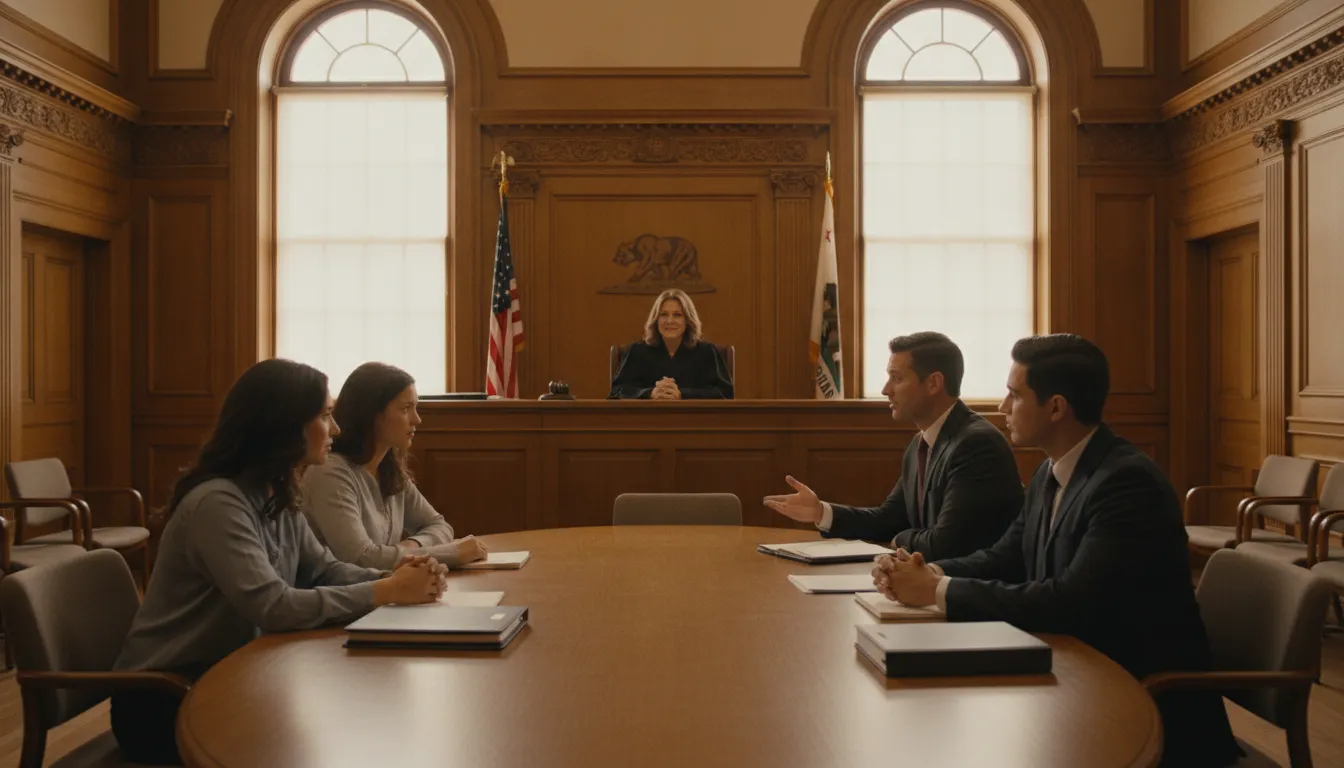
- Arrest and transport: After an arrest, the minor may be transported to juvenile hall while the circumstances are reviewed. Juvenile hall is a youth detention facility, not an adult jail. Parents should ask where the minor is being held, confirm the next court date, and avoid discussing case details on recorded calls.
- A petition is filed: A juvenile case begins with a petition filed by the Probation Department or District Attorney. A 601 petition generally concerns a status offense, such as conduct that is unlawful because of the minor’s age. A 602 petition generally alleges delinquent conduct that would be a crime if committed by an adult. The petition asks the court to become involved, but it is not a finding of guilt.
- The initial hearing occurs: A detention hearing generally must take place within 48 hours of arrest, according to this explanation of California juvenile detention hearings. The exact schedule can depend on court calendars, weekends, holidays, and the circumstances of the arrest. The minor has the opportunity to appear before a judge, and the family should take the hearing seriously.
- The judge evaluates risk and support: The judge may consider the allegations, prior record or history, potential flight risk, public-safety concerns, school and home circumstances, and whether a responsible adult can provide supervision. The question is not simply whether someone can arrange juvenile bail California families may expect from the adult system.
- The court selects an outcome: Depending on the facts, the judge may release the minor to a parent or guardian. Order home probation with conditions, place the minor in a foster or group home, or continue detention. Conditions can include school attendance, counseling, curfew, or restrictions on contact. Violating those conditions can lead to another court appearance or renewed detention.
Because release decisions are individualized, parents should get the petition details, speak with the minor’s attorney, and follow every court instruction. A California juvenile case is handled in juvenile justice court rather than through the standard adult criminal process. So prompt legal guidance is often more useful than assuming a traditional bail bond will resolve the matter.
When a Minor’s Case Is Transferred to Adult Court
Espinoza Bail Bonds explains that a California juvenile case can follow a different path when the accused is 16 or 17 and the alleged offense is serious enough for adult-court consideration.
What a transfer hearing decides
Under California’s juvenile court process. The district attorney may ask that a youth accused of a serious offense committed at age 16 or 17 be tried in adult criminal court. A judge then holds a transfer, sometimes called a fitness, hearing to decide whether the case should remain in juvenile court or move to the adult system. The request alone does not decide the outcome. The court must determine where the case will proceed. California Courts explains the transfer process.
The age requirement and seriousness of the alleged offense matter, but families should not assume that every arrest involving a 16- or 17-year-old will result in transfer. The youth’s attorney can explain the allegations, the hearing schedule, and the legal arguments that may support keeping the case in juvenile court.
How release changes if the case moves
Juvenile court generally does not use the traditional cash bail system found in adult criminal cases. Release decisions are made through the juvenile detention process, with the court considering safety. Supervision, and the circumstances of the case rather than simply setting a price for release.
If the judge transfers the case to adult criminal court, traditional bail becomes applicable. Depending on the court’s order and the amount set, a bail bond may be available to help secure the youth’s release while the case proceeds. Families can review how to determine bail amounts and ask a licensed bail professional what information will be needed.
Juvenile and adult court have different consequences
Juvenile court is designed around rehabilitation and may involve treatment, probation, supervision, or placement through the juvenile justice system. Adult court exposes the accused to adult criminal penalties, which can include a lasting criminal record and prison consequences. Because the legal stakes change substantially after a transfer. Parents should seek advice from a qualified juvenile defense attorney promptly and avoid making assumptions based on the adult bail amount alone.
What Parents Should Do After a Juvenile Arrest in California
Espinoza Bail Bonds encourages parents to focus on calm, organized next steps after a minor’s arrest. Juvenile proceedings move quickly, and a clear record of what happened can help the defense attorney and family respond effectively.
Stay calm and request legal help
Try not to panic or make rushed decisions. Ask where the minor is being held, confirm the arresting agency, and request an attorney immediately. A juvenile defense attorney can explain the allegations, protect the minor’s rights, and prepare the family for the detention hearing. Avoid discussing the facts of the case with anyone other than the attorney, because casual statements can create problems later.
Prepare for the detention hearing
Attend every scheduled court hearing, especially the detention hearing. In juvenile court, release decisions generally depend on safety, supervision, and the circumstances of the case rather than a traditional cash bail system. Parents should arrive early, bring identification, and follow the court’s instructions. If the court releases the minor to a parent or guardian, take every condition seriously and make sure the minor attends each required appointment and hearing.
Document the case and gather records
Write down the case number, alleged charges, arresting agency, detention location, attorney’s contact information, and every court date. Keep copies of notices and paperwork in one secure folder. The defense attorney may also need the minor’s school records, attendance information, medical records, and details about counseling or support services. Ask the attorney which records are appropriate to provide and how they should be transferred.
Ask Espinoza Bail Bonds what applies
Traditional bail may not apply while a case remains in juvenile court. But an experienced bail bondsman can still help a family understand the release process and identify questions for the attorney or court. Espinoza Bail Bonds service areas extend across California. The team can also explain what may change if a serious case transfers to adult court, where bail may become applicable. Guidance is informational and does not replace advice from a licensed juvenile defense attorney.
Frequently Asked Questions
Can juveniles get bail in California?
Usually, no traditional cash bail process applies when a case remains in California juvenile court. The court decides whether the minor should be released, placed under supervision, or held in juvenile detention based on the circumstances and safety concerns. Bail may become relevant if the case is transferred to adult criminal court.
Do juveniles have a guaranteed right to bail in California?
No. A minor in juvenile court does not have the same guaranteed bail framework that generally applies in adult criminal cases. Parents should focus on the detention or initial hearing, where the court addresses continued detention and possible release conditions. The California Courts describe this initial hearing as the first court date, similar to an adult arraignment: California Courts juvenile court process.
What happens when a juvenile is arrested in California?
The case is generally handled in juvenile justice or delinquency court. It starts when the Probation Department or District Attorney files a petition. The court then holds an initial detention hearing to decide what happens next. Depending on the decision, the minor may return home with conditions, remain under supervision, or stay in juvenile detention while the case proceeds. [Source: California Courts]
How is juvenile detention different from adult jail?
Juvenile detention is part of a separate juvenile justice system designed around the care, protection, and rehabilitation of minors. Adult jail is part of the adult criminal system, which uses different procedures and terminology. Because the systems differ, parents should refer to the facility as juvenile hall or juvenile detention rather than assume adult jail rules apply.
When can a juvenile be tried as an adult?
If a youth is accused of a serious offense committed at age 16 or 17, the District Attorney may ask for a transfer to adult criminal court. A judge decides whether that transfer should occur. If the case moves to adult court, the rules governing adult criminal cases, including possible bail, may apply. [Source: California Courts]
Ready to Discuss the Next Step?
Juvenile release decisions can depend on the detention hearing and the court’s assessment of the situation, not a traditional bail payment. Espinoza Bail Bonds can help your family understand which questions to ask and what information to gather. Call (559) 366-9001 or contact our team for guidance on juvenile release proceedings in California.
About the Author

Jose F. Espinoza
Licensed Bail Agent #1841969 · Founder, Espinoza Bail Bonds
Jose F. Espinoza is a U.S. Army veteran, former Military Police officer, and licensed bail agent who founded Espinoza Bail Bonds in 2014. After 25 years of decorated military service, he now brings the same discipline, loyalty, and calm leadership to helping families navigate the bail process. Jose believes in second chances and treats every client with dignity, respect, and compassion.

 Speak to a Bail Agent:
(844) 325-8424
Speak to a Bail Agent:
(844) 325-8424
 Request a Callback: Call
Me
Now!
Request a Callback: Call
Me
Now!
 Other Options:
Contact Us
Other Options:
Contact Us