 Spanish
What Crime Is Serving Alcohol to a Minor?
- in Laws
Get Someone Out of Jail Fast — 24/7 Help
Reliable, confidential bail bonds available anytime, anywhere in California. We move quickly so you can bring your loved one home.
Get in TouchIt can happen in an instant. A busy shift at your restaurant, a convincing fake ID at your store, and suddenly you’re facing a serious charge. This leads to the urgent question: serving alcohol to a minor is classified as what type of crime? In California, it’s a misdemeanor. While you might wonder, ‘is selling alcohol to a minor a felony?‘, it usually isn’t—but the consequences are still severe. A conviction can lead to jail time and steep fines. If you find yourself in this situation, calling a bondsman is a critical step to help you get out of jail.
What Kind of Crime Is Selling Alcohol to a Minor?
One setting in which a person can face being charged with furnishing alcohol to a minor is at a bar, club or restaurant. The fact is that a person serving alcohol in these types of establishments has a legal duty to ensure that he or she is selling or providing this type of beverage only to individuals over the age of 21.
Of course, there are instances in which a patron under the legal drinking age is able to dupe staff in an establishment into serving alcohol to him or her. For example, an individual may have a very convincing fake identification card. A person serving to a person in such a situation may be able to avoid being charged, or convicted, of the crime if that individual made a reasonable effort to confirm the underage individual’s actual age.
Misdemeanor vs. Felony Charges
Supplying alcohol to a minor in California will almost always lead to a misdemeanor charge. However, certain circumstances can escalate the situation, turning a misdemeanor into a much more serious felony. This typically happens if the minor who was given alcohol goes on to cause great bodily injury or death to themselves or someone else. A felony charge might also be considered if the person providing the alcohol has multiple prior offenses for the same crime. Facing an arrest for either charge is a stressful experience, and the first step is often securing a release from jail. Understanding the bail bonds process can provide some clarity during a confusing time.
Understanding “Furnishing” and “Strict Liability”
In California, the law uses the term “furnishing” to describe the act of selling, giving, or otherwise providing alcohol to anyone under 21. This is a broad definition that covers everything from a bartender selling a drink to an adult hosting a party where teens have access to alcohol. What’s crucial to understand is that this is a “strict liability” offense. This means you can be found guilty even if you didn’t intend to break the law. Claiming you didn’t know the person was underage isn’t usually a valid defense, unless you can prove you took reasonable steps to verify their age. The law places the responsibility squarely on the person providing the alcohol, making it vital to be cautious in any situation where alcohol is present.
Can You Get in Trouble for Serving Minors at Home?
An adult who furnishes alcohol in a residential or any other setting also can legitimately be charged with the crime of furnishing alcohol to a person under the age of 21 years. Being charged with this crime does not necessitate the sale of alcohol — only the provision of it to a person under the age of 21.
A person can be charged with this crime if he or she purchases alcohol on behalf of a minor from a retail establishment. An adult needs to exercise reasonable care in ensuring that a person receiving alcohol is of a legal age.
California’s “Social Host” Laws
It’s crucial to understand California’s “Social Host” laws, which hold adults legally responsible for underage drinking that happens at their home or private party. These laws mean you can face criminal charges for furnishing alcohol to anyone under 21, or even for knowingly allowing them to drink on your property. This is typically charged as a misdemeanor. However, the consequences can become much more severe if that minor gets hurt or harms someone else after drinking. For example, if a teen drinks at your house and then causes a car accident, you could be held civilly liable for the damages and injuries. The law is very clear: if a minor you provided alcohol to is seriously injured or dies as a result, you can face significant legal penalties, underscoring the host’s responsibility to prevent underage consumption.
Understanding the Penalties for Selling to a Minor
If a person ends up arrested for selling or furnishing alcohol to a minor, the need for a bail bond may arise. Upon being arrested, a person charged with this crime will be processed into the jail. In some instances a person is provided a summons to appear in court rather than being arrested at the time of an encounter with law enforcement. Although an immediate arrest may not occur, a person must appear in court at the appointed time or face a warrant being issued for his or her arrest.
Assuming that the individual charged with this alcohol offense faces no other criminal charges, he or she should be advised of the amount of the bond necessary to released from jail during the booking process. An individual in this position will not have to wait to appear before a judge to get a bond amount set.
A person will have the opportunity to contact a bail bond professional during or directly after the booking process. Provided that individuals can come up with a small percentage of the total amount of the bond necessary to obtain release, a bail bond professional will likely be able to assist that person in obtaining his or her freedom.
Read about Arson Law in CA
Fines and Community Service for Individuals
When an individual is convicted of furnishing alcohol to a minor, the consequences are immediate and tangible. The court typically imposes penalties that include fines ranging from $250 to $1,000. Alongside the financial penalty, you can expect to be assigned community service, usually between 24 and 32 hours. These penalties apply even for a first-time offense and are intended to underscore the seriousness of the violation. While it may be classified as a misdemeanor, the impact on your finances and personal time can be significant, creating a record that follows you.
Increased Penalties When Harm Occurs
The situation becomes far more severe if the minor who was given alcohol suffers a serious injury or dies as a result. In these tragic cases, the person who provided the alcohol is guilty of a misdemeanor, but the penalties will be much harsher. The legal system takes a firm stance when the act of furnishing alcohol leads to harm, and you can expect prosecutors to seek more substantial fines and potential jail time. This underscores the immense responsibility that comes with handling alcohol, as a single poor decision can lead to devastating and life-altering outcomes for everyone involved.
Other Potential Charges
Providing alcohol to a minor can open the door to a host of other criminal charges, depending on the circumstances. The initial charge might just be the beginning. If the minor’s actions while intoxicated lead to a fatal accident, you could face charges for involuntary manslaughter. Additionally, you could be charged with child endangerment or corruption of a minor. A single event can quickly spiral into a complex legal battle with multiple charges, each carrying its own set of penalties. If you find yourself facing this kind of situation, securing fast and reliable bail is a critical first step in addressing the charges ahead.
Consequences for Businesses and Employees
For businesses that operate with a liquor license, the stakes are incredibly high. The consequences of selling alcohol to a minor extend beyond the individual employee who made the sale; they can jeopardize the entire establishment. Businesses with liquor licenses can face substantial fines, temporary suspension of their license, or even permanent revocation. This means that a single employee’s mistake could potentially shut down the business for good. For this reason, owners and managers must prioritize rigorous training and strict adherence to age verification protocols to protect their livelihood and maintain their legal standing in the community.
Liquor License Suspensions
California has a clear, escalating penalty system for businesses that fail to prevent alcohol sales to minors. A first-time offense typically results in a fine of up to $250 and 32 hours of community service for the seller. If it happens a second time, the fine can increase to $500 with 48 hours of community service. A third offense carries the most severe consequence: the permanent revocation of the business’s liquor license. This tiered approach shows that the state provides opportunities to correct behavior, but repeated violations will ultimately lead to the loss of the privilege to sell alcohol entirely.
Rules for Employees Who Handle Alcohol
State regulations are very specific about who can legally serve alcohol. To protect both the public and the business, employees under the age of 21 are prohibited from being hired to prepare or serve alcoholic beverages in any area primarily designated for alcohol sales, like a bar. This rule is in place to create a clear line and reduce the chances of underage individuals having easy access to alcohol in a commercial setting. Business owners must be diligent during the hiring process to ensure all staff members meet the legal age requirements for their specific roles, as non-compliance can lead to serious violations.
Required Signage for Establishments
One of the most straightforward compliance measures for any business selling alcohol is proper signage. California law mandates that bars, restaurants, and other public venues selling alcohol must display a clear and conspicuous sign stating, “No Person Under 21 Allowed.” This isn’t just a suggestion; it’s a legal requirement that serves as a constant reminder of the law to both patrons and staff. Displaying the correct signage is a simple, proactive step that demonstrates a business’s commitment to operating responsibly and can be a key factor during inspections by the Department of Alcoholic Beverage Control (ABC).
What Happens to the Minor?
While much of the focus is on the adult who provides the alcohol, the minor involved also faces significant legal consequences. The law doesn’t excuse underage individuals for their role in purchasing, possessing, or consuming alcohol. These penalties are designed not only to punish but also to educate young people on the risks and legalities surrounding alcohol use. The consequences can affect their daily life, their future opportunities, and their legal record. Understanding these penalties is crucial for both parents and teens to appreciate the full scope of the law and the importance of making responsible choices.
Penalties for Underage Drinking or Purchasing
When a minor is caught purchasing or consuming alcohol, they face a series of penalties that become more severe with each offense. For a first offense, the typical consequence is a $250 fine and 24 to 32 hours of community service. If the minor is caught again, the penalties increase to a fine of up to $500 and between 36 and 48 hours of community service. These consequences are recorded and can create a juvenile record that may need to be disclosed in the future for things like college applications or job opportunities, serving as a serious reminder of the law.
Driver’s License Suspension
One of the most impactful consequences for a minor involved in an alcohol-related offense is the effect on their driving privileges. For any minor between the ages of 13 and 21, a conviction for an alcohol-related offense will result in a mandatory one-year suspension of their driver’s license. If they don’t yet have a license, the state will delay their ability to get one for a year. This penalty can drastically affect a young person’s independence, making it difficult to get to school, work, or other activities, and serves as a powerful deterrent against underage drinking.
Consequences of Using a Fake ID
Using a fake ID to buy alcohol is a crime that the state of California takes very seriously. The severity of the charge depends on the specifics of the situation. It can be prosecuted as a misdemeanor, which carries penalties of up to one year in county jail and a $1,000 fine. However, in some cases, it can be elevated to a felony, which could lead to 16 months to three years in state prison and a fine of up to $10,000. The significant risk associated with using a fake ID makes it a dangerous gamble with long-term consequences that can impact a young person’s entire future.
Legal Considerations and Enforcement
Understanding the laws around furnishing alcohol to minors also means knowing how those laws are enforced. Law enforcement agencies across California are proactive in their efforts to curb underage drinking and hold adults accountable. They employ specific tactics and operations designed to catch violators in the act, making it a risky proposition for anyone considering buying alcohol for a minor. At the same time, the law includes important provisions, like legal immunity in medical emergencies, that prioritize safety. It’s a complex legal landscape, and knowing the details can help you make better decisions and understand your rights.
How These Laws Are Enforced
Enforcement of laws against providing alcohol to minors is a priority for police departments throughout California. Officers don’t just wait for incidents to be reported; they actively investigate and seek out violations. This proactive approach includes routine checks on businesses that sell alcohol as well as targeted operations aimed at catching both individuals and establishments that are not in compliance. The goal is to create a strong deterrent and send a clear message that the community takes underage drinking seriously. If an arrest is made during one of these operations, our team is available 24/7 to provide immediate assistance.
Police Sting Operations
To catch offenders, law enforcement often uses undercover sting operations. One common tactic is the “shoulder tap” program, where a minor under police supervision stands outside a store and asks adults to purchase alcohol for them. Another method is “Operation Trapdoor,” which targets the use of fake IDs at bars and liquor stores. These operations are highly effective at identifying individuals and businesses willing to break the law. They serve as a powerful reminder that you never truly know who you might be talking to, and attempting to buy alcohol for a minor is a significant risk.
Legal Immunity for Minors Seeking Medical Help
In a critical effort to save lives, California law provides a “Good Samaritan” exemption. This means that minors who have been buying or drinking alcohol can avoid criminal charges if they call 911 to get medical help for themselves or another person suffering from an alcohol-related emergency. The purpose of this law is to ensure that fear of legal trouble does not prevent a young person from seeking life-saving medical attention. It prioritizes health and safety above punishment in critical situations, encouraging everyone to make the right call when someone is in danger.
Civil Liability and “Dram Shop Acts”
Beyond criminal charges, an adult who provides alcohol to a minor can also be sued in civil court. If the intoxicated minor causes an accident that results in injury, death, or property damage, the person who supplied the alcohol can be held financially responsible for the damages. These types of civil lawsuits fall under what are often called “Dram Shop Acts” or social host liability laws. This means that the legal and financial repercussions of furnishing alcohol to a minor can extend far beyond the initial fines and court dates from the criminal case.
How Laws Vary By State
While this discussion focuses on California, it’s important to remember that every state has strict laws against providing alcohol to minors. The specific penalties and enforcement methods may differ, but the core principle is the same nationwide. These laws apply to everyone, not just businesses with a liquor license. Any adult who gives alcohol to someone under 21 can be held accountable. Whether you’re at home, at a party, or outside a store, the legal responsibility remains. Always be aware of the laws in your area and understand the serious consequences of your actions.
Frequently Asked Questions
Can I really get in trouble for letting my kid’s teenage friends have a beer at my house? Yes, you absolutely can. California’s “Social Host” laws hold you responsible for any underage drinking that happens on your property, even if you didn’t directly hand them the alcohol. The law sees it as “furnishing” alcohol, which is a misdemeanor. It’s a serious charge that treats providing alcohol in your home with the same gravity as a bartender selling it over the counter.
What if I checked their ID and it looked real? Can I still be charged? This is a tricky situation. The law operates on a “strict liability” basis, meaning your intent doesn’t always matter. However, if you can prove you made a reasonable and diligent effort to verify someone’s age, it can serve as a strong defense. This means you didn’t just glance at the ID but genuinely inspected it. The responsibility ultimately falls on the person providing the alcohol, so being thorough is your best protection.
Are the consequences just a fine, or could this affect my job and future? While the immediate penalties often include a fine and community service, a misdemeanor conviction creates a criminal record that can have lasting effects. This record can show up on background checks, potentially impacting your current job or future employment opportunities, especially if you work in fields that require licensing or involve working with children. It’s more than just a one-time penalty.
Besides criminal charges, are there other legal issues I should worry about? Definitely. If the minor you provided alcohol to goes on to cause an accident, injure someone, or damage property, you could be sued in civil court. This is known as civil liability, and it means you could be held financially responsible for the damages they caused. These costs can be substantial, creating a financial burden that extends far beyond any court-ordered fines from the criminal case.
What happens if the minor I gave alcohol to needs medical help? Do we both get in trouble if we call 911? California has a “Good Samaritan” law specifically for this scenario. To encourage people to seek help in an emergency, this law provides legal immunity from charges related to underage consumption for the person who calls 911 and the person who needs medical aid. The priority is saving a life, so the law protects you from prosecution for the alcohol offense if you do the right thing and get medical help.
Key Takeaways
- California Law Holds the Provider Accountable: Whether you’re a bartender or a social host, the law places the responsibility squarely on you. This is a “strict liability” offense, meaning you can be found guilty even if you didn’t intend to provide alcohol to a minor.
- A Single Mistake Has Far-Reaching Consequences: The penalties impact everyone involved. The adult provider faces fines and a criminal record, the business can lose its liquor license, and the minor can have their driver’s license suspended for a full year.
- Criminal Charges Are Just the Beginning: Beyond the initial misdemeanor charge, you can also be sued in civil court. If the minor causes an accident after drinking, you could be held financially responsible for any resulting injuries and property damage.
Related Articles
- Minor in Possession of Alcohol | Espinoza Bail Bonds
- Furnishing Alcohol to a Minor | Espinoza Bail Bonds
- DUI Consequences in CA | Espinoza Bail Bonds
- California’s Drunk in Public Laws | Espinoza Bail Bonds
- What Happens If You Are Charged With Child Abuse?
About the Author
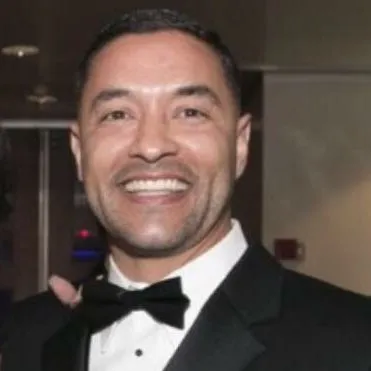
Jose F. Espinoza
Licensed Bail Agent #1841969 · Founder, Espinoza Bail Bonds
Jose F. Espinoza is a U.S. Army veteran, former Military Police officer, and licensed bail agent who founded Espinoza Bail Bonds in 2014. After 25 years of decorated military service, he now brings the same discipline, loyalty, and calm leadership to helping families navigate the bail process. Jose believes in second chances and treats every client with dignity, respect, and compassion.

 Speak to a Bail Agent:
(844) 325-8424
Speak to a Bail Agent:
(844) 325-8424
 Request a Callback: Call
Me
Now!
Request a Callback: Call
Me
Now!
 Other Options:
Contact Us
Other Options:
Contact Us