 Spanish
What Is Criminal Justice Reform? A Simple Guide
- in Laws
Get Someone Out of Jail Fast — 24/7 Help
Reliable, confidential bail bonds available anytime, anywhere in California. We move quickly so you can bring your loved one home.
Get in TouchThe United States is known as the land of the free, yet we incarcerate more of our own people than any other nation on earth. This isn’t just a statistic; it’s a reality that costs taxpayers billions and has devastating effects on families and communities. This massive scale of imprisonment has led to a powerful call for change. The ongoing effort for criminal justice reform aims to fundamentally rethink our approach to law and order, questioning if our current methods truly make us safer and pushing for real progress within the judicial system.
The justice system in California and every other state can still be rather biased racially. There are also a lot of people in jail for non-violent crimes for far too long. Finally, going into the system seems to be a revolving door, creating lifelong criminals instead of reforming first-time criminals. There have been criminal-justice reforms, but there need to be more.
It’s our privilege to live in a country where we can voice our concerns about criminal justice policy, cause that’s the first step in making something happen. While there is still progress to be made, the future of our criminal justice system is positive.
The Scope of Incarceration in America
To understand why criminal justice reform is such a critical topic, it helps to look at the sheer scale of incarceration in the United States. The numbers are staggering and paint a clear picture of a system that has grown exponentially over the past few decades. This growth isn’t just about statistics; it has profound financial costs for taxpayers and, more importantly, deep and lasting impacts on families and entire communities. When a loved one is arrested, the effects ripple outward, touching children, partners, and neighborhoods. Understanding the scope of this issue is the first step toward recognizing the urgent need for thoughtful and effective reforms that can create a more just and equitable system for everyone.
By the Numbers: U.S. Incarceration Rates
It can be shocking to learn just how many people are incarcerated in the United States. According to the Equal Justice Initiative, the U.S. is home to only 5% of the world’s population but holds nearly 25% of its prisoners. This means that America locks up more of its own citizens than any other country on Earth. This massive scale of imprisonment affects millions of lives directly and points to a system that relies heavily on incarceration as a solution, often for non-violent offenses. These statistics highlight a national crisis that has been building for decades and demands a closer look at the policies that led us here.
The Financial and Economic Burden
The cost of maintaining such a large prison system is immense. In 2015 alone, the U.S. spent a staggering $87 billion on jails and prisons. This figure, which is ten times higher than what was spent in 1975, represents a massive investment of taxpayer money. These funds could otherwise be directed toward education, health care, or infrastructure—areas that build communities up rather than focusing on punishment. The economic burden doesn’t just fall on the government; it also affects families who lose a primary earner and communities that suffer from a reduced workforce and increased social strain.
The Impact on Families and Communities
Beyond the financial costs, the human toll of mass incarceration is devastating. Nearly 10 million Americans have an immediate family member in jail or prison, and this includes millions of children who are growing up with a parent behind bars. This separation can lead to emotional trauma, financial instability, and a cycle of disadvantage that is difficult to break. When a person is incarcerated, their family often faces the immediate crisis of figuring out how to secure their release and manage the legal process. This is a stressful and confusing time, and having support is crucial to get through it.
Unpacking the Disparities in the Justice System
While the overall scale of incarceration is a major concern, it’s also crucial to recognize that the system does not affect everyone equally. Deep-seated disparities based on race, gender, and economic status create vastly different outcomes for people who enter the justice system. These inequalities are not random; they are the result of historical biases and systemic issues that persist today. From the moment of arrest to sentencing and beyond, a person’s background can significantly influence their experience. Addressing these disparities is a core component of any meaningful criminal justice reform effort, as true justice must be fair and accessible to all, regardless of who they are or where they come from.
Racial and Ethnic Disparities
It’s impossible to talk about the justice system without acknowledging the role of racial bias. The Equal Justice Initiative states that “racism plays a big role in how people are arrested, sentenced, and treated in the justice system.” People of color, particularly Black and Hispanic individuals, are disproportionately represented at every stage of the process, from traffic stops to prison sentences. This isn’t just a matter of individual prejudice; it’s woven into the fabric of policies and practices that have created a two-tiered system of justice. True reform must confront these biases head-on to create a system that is truly colorblind.
The Growing Number of Incarcerated Women
While men make up the majority of the incarcerated population, the number of women in jails and prisons has skyrocketed. Between 1980 and 2017, this number grew by an astonishing 750%, and today, over 225,000 women are behind bars. Many of these women are mothers and primary caregivers, meaning their incarceration sends shockwaves through their families and communities. They often face unique challenges within the system, including inadequate access to healthcare and resources designed for men. Addressing the specific needs of incarcerated women is a critical and often overlooked aspect of reform.
How Wealth and Poverty Influence Outcomes
The justice system often favors those with financial resources, creating unfair outcomes for people with lower incomes. From affording a private attorney to paying fines and fees, money can make a huge difference. This is especially true when it comes to pretrial detention. Someone with enough cash can post bail and return home to their job and family while they await their court date. Those who can’t afford bail may remain in jail for weeks or months, even if they are presumed innocent. This is where bail bond services become essential, offering a way for individuals to secure their freedom without needing the full bail amount upfront.
Core Areas of Criminal Justice Reform
With a clear understanding of the problems, the conversation naturally turns to solutions. Criminal justice reform isn’t a single idea but a collection of efforts aimed at making the system more fair, effective, and humane. These reforms target different stages of the justice process, from policing on the streets to sentencing in the courtroom and reentry into society. The goal is to move away from a purely punitive model and toward one that prioritizes rehabilitation, equity, and public safety. Exploring these core areas of reform shows the many pathways available to create lasting and positive change for communities across California and the nation.
Re-evaluating Policing Strategies
Much of the reform conversation begins with policing. Activists and policymakers are calling for changes to address issues like police brutality and the use of excessive force, particularly against minority communities. As noted in discussions on criminal justice reform in the United States, this includes implementing de-escalation training, increasing accountability through civilian oversight boards, and investing in community-based violence prevention programs. The idea is to rebuild trust between law enforcement and the communities they serve, ensuring that public safety is a collaborative effort rather than a source of conflict.
The Debate Over Pretrial Detention and Bail Reform
One of the most debated topics is pretrial detention and the role of cash bail. Many reformers argue for moving away from a cash-based system, which they believe keeps people in jail simply because they are poor. The Brennan Center for Justice highlights efforts to reduce jail overcrowding and ensure that nonviolent defendants can be released while awaiting trial. The challenge is to create a system that protects public safety without punishing people for their financial status. This debate is ongoing in California and across the country as states experiment with different pretrial systems.
How Bail Bonds Fit into the Current System
While the debate over bail reform continues, the cash bail system remains the reality in most of California. In this system, bail bonds are a critical tool for families facing an unexpected arrest. When a judge sets bail at an amount a family can’t afford, a bail bond agent can help. By paying a small percentage of the total bail amount, a family can secure their loved one’s release. At Jose Espinoza Bail Bonds, we see ourselves as a support system during a difficult time. We help people understand their options and provide a fast, affordable path to getting them home, allowing them to continue working and preparing their defense from outside a jail cell.
Shifting Drug Policy from Punishment to Public Health
For decades, the “war on drugs” has treated substance abuse primarily as a criminal issue. This approach has led to millions of arrests and long prison sentences, often without addressing the root cause of addiction. Reformers advocate for a shift in perspective, viewing drug use as a public health problem instead. This means investing in treatment programs, harm reduction strategies, and mental health services rather than relying on incarceration. By focusing on recovery instead of punishment, we can help people rebuild their lives and reduce the strain on the justice system.
Reforming Juvenile Justice and the School-to-Prison Pipeline
The justice system’s impact on young people is another major area of concern. The “school-to-prison pipeline” describes how harsh school disciplinary policies can push students, especially students of color and those with disabilities, out of the classroom and into the juvenile justice system. Reforms in this area focus on promoting restorative justice practices in schools, providing better counseling and support services, and ensuring that children are not treated as adults in the legal system. The goal is to give every young person a chance to succeed rather than trapping them in a cycle of incarceration.
Addressing Capital Punishment
The death penalty remains one of the most contentious aspects of the American justice system. Opponents argue that capital punishment is applied unfairly, with significant racial bias influencing who is sentenced to death. Furthermore, the risk of executing an innocent person is a grave concern, as numerous individuals on death row have been exonerated over the years. The Equal Justice Initiative points out that the death penalty is often a reflection of inadequate legal representation and systemic biases rather than a fair application of justice. As a result, many reform efforts call for its abolition.
Key Legislation Driving Criminal Justice Reform
Criminal justice policy will only change when we get laws passed. Luckily, we’ve made progress. here are a couple of criminal justice reform bills that were passed recently to help keep citizens productive members of society.
Earlier Presidential Reform Efforts
The conversation around creating a more just legal system isn’t new. For years, it’s been a priority at the highest levels of government. The Obama administration, for instance, made significant strides toward a system that was not only fairer but also smarter and more cost-effective. Their efforts addressed critical issues like unfair sentencing practices and improving how communities and police work together. A key understanding was that the system often created a tough cycle of poverty and incarceration. To break that cycle, President Obama signed the Fair Sentencing Act and reduced the sentences of more people than the last six presidents combined, focusing on giving individuals a real chance to rejoin their communities.
A Closer Look at the Sentencing Reform Act
The Sentencing Reform Act was designed to help make punishments even among all federal prisoners. This limits the ability of a judge to be especially harsh on one person but then release federal prisoners who committed the same crime. It also allows courts to release federal prisoners without putting them on parole.
Tackling Mandatory Minimum Sentences
Another huge piece of the criminal justice reform puzzle is tackling mandatory minimum sentences. Think of these as laws that tie a judge’s hands, forcing them to issue a specific minimum prison term for certain crimes without considering the unique details of the case. This often happens with non-violent offenses, resulting in penalties that are disproportionately harsh and don’t always fit the crime. According to the Equal Justice Initiative, these rigid sentencing laws are a major reason our country’s prison population has grown so large. The reform effort is focused on eliminating these rules to give judges back their discretion to look at each case individually. This change is a critical step toward a fairer system that avoids a one-size-fits-all approach to justice—an approach that, as The Sentencing Project notes, often leads to racial disparities and overcrowded prisons.
Understanding the First Step Act
Many people who enter the justice system in California wind up right where they started. Congress and President Trump recently passed the First Step Act to counter this problem. The act incentivizes people in the system to get job training and education in exchange for a shorter sentence.
Challenges and Solutions for Re-entry
Getting released from jail is just the first step in a much longer journey. The path forward can be filled with obstacles that make it difficult for individuals to successfully rejoin their communities. When someone is released, they face the challenge of rebuilding their life from the ground up, often with limited resources and a system that isn’t always set up to help them succeed. Understanding these hurdles is key to creating effective solutions that give people a real second chance and reduce the likelihood of them returning to jail.
Barriers to a Second Chance
One of the biggest issues in the justice system is recidivism, which is when a person who leaves prison ends up back in jail. This often happens because they face a mountain of challenges and strict rules upon release. Finding stable housing can feel impossible with a criminal record, and securing a steady job is just as tough. Without these foundational elements, it’s incredibly difficult to build a new life. This cycle of release and re-incarceration doesn’t just affect the individual; it impacts their families and the entire community, showing that simply releasing someone isn’t enough to ensure they stay out.
Paving the Way for Successful Reintegration
To break the cycle, we need to focus on successful reintegration. This means providing comprehensive support programs that address the whole person, not just their past mistakes. These “wrap-around” services can offer everything from housing assistance and job placement to counseling and rehabilitation for substance abuse. By connecting people with the resources they need to get back on their feet, we can create a stable foundation for them to build upon. It’s about giving them the tools to not only survive but to thrive after they’ve served their time.
“Ban the Box” Initiatives
One of the most significant barriers to re-entry is finding employment. To address this, many states have adopted “Ban the Box” policies. This initiative removes the question about criminal history from initial job applications, delaying it until later in the hiring process. This simple change gives applicants a chance to be judged on their qualifications and experience first, rather than being immediately disqualified because of a past mistake. It ensures that people have a fairer chance to make a first impression and prove they are the right person for the job.
Sealing and Expunging Records
A criminal record can follow a person for the rest of their life, making it difficult to secure housing, get a loan, or even volunteer. That’s why making it easier to seal or expunge old records, especially for lower-level offenses, is such a critical reform. When a record is sealed, it’s hidden from public view, and when it’s expunged, it’s destroyed entirely. This allows individuals to move forward without being permanently defined by their past, opening doors to opportunities that are essential for a stable and productive life.
The Role of Restorative Justice
Beyond policy changes, there’s a growing movement toward a different philosophy of justice altogether. Restorative justice shifts the focus from punishment to repairing the harm caused by criminal behavior. This approach often involves bringing together the person who caused the harm, the victim, and community members to discuss what happened and decide how to make things right. It emphasizes accountability, making amends, and healing for everyone involved, offering a more holistic and humane way to address crime and its consequences.
The Broader Conversation on Reform
Criminal justice reform isn’t a simple issue with easy answers; it’s a complex, ongoing conversation with passionate arguments on all sides. People from different backgrounds and political beliefs are weighing in, each with their own ideas about what a fair and effective justice system should look like. Understanding these different perspectives is crucial for anyone trying to make sense of the proposed changes and what they could mean for our communities across California and the nation.
Bipartisan Support and Differing Motivations
Interestingly, criminal justice reform has found support from both sides of the political aisle, though often for different reasons. Many proponents argue that reforms are essential to address systematic inequalities and racial disparities that have plagued the system for decades. They point to overcrowded prisons and human rights issues as clear signs that change is needed. Others approach it from a fiscal perspective, arguing that mass incarceration is incredibly expensive and that smarter, more cost-effective solutions are available. This blend of moral and practical motivations has created a unique coalition pushing for change.
Arguments Against Reform
Of course, not everyone agrees on the path forward. Opponents of certain reforms often raise valid concerns about public safety. They worry that reducing sentences or releasing people early could lead to an increase in crime rates. The main argument is that a tough-on-crime approach is necessary to keep violent offenders off the streets and protect communities. These voices call for a balanced approach, one that seeks to reform the system without compromising the safety and security of the public, ensuring that justice remains firm and fair.
Key Organizations Leading the Charge
The push for reform isn’t just happening in government; it’s being driven by dedicated groups on the ground. Many organizations are working to change the system through research, advocacy, and legal action. Groups like the ACLU have long fought for civil liberties within the justice system, while the Innocence Project works to exonerate wrongfully convicted individuals through DNA testing. The Sentencing Project is another key player, advocating for fairer and more effective sentencing policies. These organizations are at the forefront, pushing the conversation forward and fighting for a more just system for everyone.
How You Can Advocate for Change
Criminal-justice reforms are not the only way to protect our Federal civil rights. We have the right not to be discriminated against. We also have the right to re-enter society as reformed people once we’ve exited the legal system. One of the best ways for each and every one of us to do this is through our voice.
Using Social Media to Amplify the Conversation
Many times, social media is just a platform for trolls who want to talk about how many babies a particular politician has eaten. However, it can also be used as a troll to spread information. While you have to be very discerning about what articles you decide to read, there is a lot of useful information being shared. People who wouldn’t normally speak up about politics are also starting to speak up. This can encourage more people to vote. The younger generation has played a big role in the last two elections, and social media likely played a part.
When Celebrities Champion the Cause
Celebrities have promoted the politicians they support for a long time, but it’s been lifted to another level recently. Millions watched as Colin Kaepernick took a near during the national anthem, and it has caused a debate throughout the entire country.
Whether you agree with his protest or not, it’s clear that it has sparked people in the country to talk about the issues. If he wanted to shed light on the issue, he has done that in some circles. Read about the suspended imposition of sentence
Art as a Powerful Form of Protest
Our Federal civil rights have become a major topic for artists recently. Whether it be paintings, music, or movies, people are using art to express complex political ideas. People exposed to this art can use it to help form their own opinions. It may also act as a catalyst to get more people to speak up. The future of the criminal justice system is bright, but it’s still not where we need it to be. We still live in a world where people are discriminated against and sometimes murdered based on the color of their skin. We need to speak up until litigation is created to make the change. We can do it, and we will do it together.
Frequently Asked Questions
Why is criminal justice reform such a major topic right now? The simple answer is that our current system has some serious problems. The United States has a higher incarceration rate than any other country, which costs taxpayers billions and has a devastating effect on families. Reform efforts are focused on fixing the parts of the system that are unfair, especially those that disproportionately affect people based on their race or income, and finding more effective ways to ensure public safety.
The post mentions bail reform. How does that affect me if a loved one gets arrested? The debate around bail reform is about whether people should have to pay cash to get out of jail before their trial. The concern is that this keeps people who can’t afford bail locked up, even if they are presumed innocent. While these discussions are happening, the cash bail system is still the reality in most of California. This is where a bail bond service is essential, as it allows you to pay a small fraction of the total bail amount to secure your loved one’s release so they can get back to their life and prepare their defense from home.
What’s the difference between a system focused on punishment versus one focused on rehabilitation? A system focused on punishment is primarily concerned with penalizing someone for a crime they committed, often through jail time. A system that prioritizes rehabilitation, however, aims to address the root causes of the behavior. It provides resources like job training, education, and counseling to help individuals successfully rejoin society and avoid future involvement with the justice system. The goal of rehabilitation is to stop the cycle of crime.
How does a “Ban the Box” policy actually help someone who was incarcerated? “Ban the Box” is an initiative that removes the question about criminal history from the initial part of a job application. This is a huge deal because it gives a person the chance to be judged on their skills and qualifications first, rather than being immediately dismissed because of a past mistake. It doesn’t hide their record forever, but it opens the door for a fair conversation, which is a critical step in helping someone find stable employment and rebuild their life.
This all seems so big. What can an average person do to support positive change? It can definitely feel overwhelming, but individual actions do contribute to the larger movement. A great first step is simply to stay informed by reading from reliable sources and understanding the issues at stake. You can also use your voice to share what you learn with your friends and family, helping to raise awareness. Supporting local and national organizations that are dedicated to reform is another powerful way to contribute to a fairer and more effective justice system for everyone.
Key Takeaways
- Recognize that reform addresses deep inequality: The push for change is about more than just high incarceration rates; it’s a response to significant racial and economic disparities that affect every stage of the justice system, from arrest to sentencing.
- Support a comprehensive approach to change: Lasting reform isn’t a single fix, but a combination of efforts that includes re-evaluating policing, ending mandatory minimum sentences, and treating substance abuse as a public health issue.
- Focus on successful reintegration after release: To break the cycle of re-incarceration, we need to support practical solutions like “Ban the Box” initiatives and record expungement that remove critical barriers to employment and housing.
Related Articles
- The Future of Criminal Justice Reform | Espinoza Bail Bonds
- LA Times Comments on California Prison Reform
- Bail Reform & Pretrial Detention – Espinoza Bail Bonds
- Bail Reform in California: 5 Facts You Need to Know
- 5 Key Facts on Bail Reform in California
About the Author
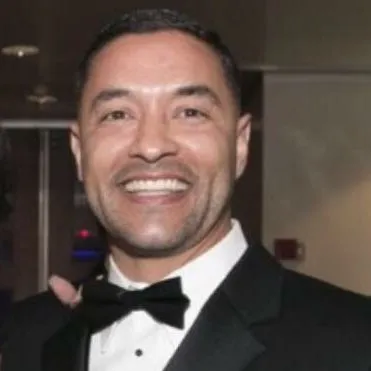
Jose F. Espinoza
Licensed Bail Agent #1841969 · Founder, Espinoza Bail Bonds
Jose F. Espinoza is a U.S. Army veteran, former Military Police officer, and licensed bail agent who founded Espinoza Bail Bonds in 2014. After 25 years of decorated military service, he now brings the same discipline, loyalty, and calm leadership to helping families navigate the bail process. Jose believes in second chances and treats every client with dignity, respect, and compassion.

 Speak to a Bail Agent:
(844) 325-8424
Speak to a Bail Agent:
(844) 325-8424
 Request a Callback: Call
Me
Now!
Request a Callback: Call
Me
Now!
 Other Options:
Contact Us
Other Options:
Contact Us