 Spanish
Arraignment vs. Preliminary Hearing: What to Expect
Get Someone Out of Jail Fast — 24/7 Help
Reliable, confidential bail bonds available anytime, anywhere in California. We move quickly so you can bring your loved one home.
Get in TouchWhen you or a loved one is facing criminal charges, the legal system can feel like a foreign country with its own language. Terms get thrown around, and it’s easy to feel lost. Two of the most common and confusing terms you’ll hear right away are “arraignment” and “preliminary hearing.” Many people think they are the same thing, but they are two very different and critical stages in a criminal case. Understanding the purpose of each is the first step toward feeling more in control of the situation. This guide will walk you through the key differences between an arraignment preliminary hearing, explaining what happens at each, what your rights are, and how you can prepare.
When facing criminal charges of any sort, there are processes involved that the average person may not be familiar with. It is important to understand the processes an individual will be subjected to upon finding themselves charged with criminal conduct. An understanding of the processes, along with a good bail bondsman, will help the individual’s case. In some of the first steps in a criminal proceeding, a defendant will find themselves up against an arraignment and a preliminary hearing. Although many people may believe these are the same thing, they are, in reality, two separate proceedings.
What Happens During an Arraignment?
Defendants have a right to know what charges they are facing before the formal trial begins. To inform them of these charges, a proceeding known as an arraignment is held. In order to comply with an individual’s sixth amendment right to a speedy trial, an arraignment is generally held as quickly as possible after arrest. During this proceeding, the defendant’s charges will be read out in front of the judge. During this time, a defendant will learn what charges they face, including any persons victimized by the alleged crime and when the incident occurred. Using this documentation, the prosecuting attorney need not go into great detail.
Entering a Plea
Understanding Your Options: Guilty, Not Guilty, and No Contest
After the charges are formally read, the defendant is required to respond with a plea. This is a pivotal moment, as your response sets the direction for the entire case. The three primary options are “guilty,” “not guilty,” or “no contest.” Pleading “not guilty” is an assertion of innocence and initiates the process of building a defense for trial. A “guilty” plea is a formal admission to the charges and moves the case directly to the sentencing phase. The third option, “no contest” (also known as nolo contendere), means you accept the court’s punishment without formally admitting guilt, which can be a strategic choice if there’s a related civil case. It is crucial to have a detailed discussion with your attorney before the arraignment to fully understand the implications of each plea and decide on the best course of action for your specific situation.
Your Rights at Arraignment
Appointment of Counsel
Everyone facing criminal charges has the fundamental right to legal representation. Having an experienced attorney with you at the arraignment is one of the most important steps you can take to protect your rights. If you cannot afford to hire a lawyer, the court is required to appoint one for you, typically a public defender. The judge will ask if you have legal counsel or if you need one assigned to your case. As the Ventura County District Attorney’s office notes, “If the defendant can’t pay for a lawyer, the court will give them one.” This constitutional safeguard ensures that your defense doesn’t depend on your financial status. You should never feel pressured to proceed without a lawyer, as their guidance is invaluable from the very start.
Future Court Dates
The arraignment concludes by establishing a clear path forward for the case. Before the hearing ends, the judge will schedule all future court appearances, which may include a preliminary hearing, pre-trial conferences, and the trial date itself. This is also the proceeding where the judge will make a decision regarding bail. They may set a bail amount, adjust a previously set amount, or grant a release on “own recognizance,” which is a written promise to appear for future court dates. If bail is set, arranging for payment is the next immediate step to secure release from custody. Partnering with a trusted company for bail bonds can simplify this process, helping you or your loved one get home quickly to focus on preparing a defense.
Understanding the Indictment Process
Indictments are handed down by the grand jury. In order to hand down an indictment, the grand jury must find that a serious criminal offense has occurred, and that it is the defendant who most likely committed the offense. The prosecutor must convince the jury that they have enough evidence to bring the case to trial against the named defendant. However, the defendant does not have the right to be present at these proceedings. Once these charges have been read out, the defendant has the right to enter a plea. In certain states, these proceedings also set the conditions of release. These terms are chosen using the defendant’s criminal history, ties to the community, and employment situation as a method of deciding if the individual should be released pending trial. Some defendants are released on their own recognizance, or upon their promise to return to court for trial. These individuals generally have little to no criminal history and strong ties to their community. The most commonly understood method of release before trial is through bail. Posting bail could mean paying the court cash directly (known as a cash bond) or utilizing the services of a bail bondsman (known as a surety bond), who will require a percentage of the court requested amount be paid to the bondsman before posting the full amount with the court. Other conditions of release include supervised release, attending court mandated classes, and may include no contact orders, depending upon the charges levied against the defendant.
Factors a Judge Considers When Setting Bail
When a judge sets bail, the amount isn’t arbitrary. They carefully weigh several factors to determine a figure that ensures the defendant will return for future court dates while also considering public safety. The seriousness of the alleged crime is a primary consideration; more severe charges typically result in higher bail. A judge will also review the defendant’s criminal history. If someone has a record of past offenses or has missed court appearances before, they might be seen as a flight risk, which can also increase the bail amount. The judge’s goal is to protect the community, so if they believe the defendant poses a threat, bail could be set very high or even denied.
On the other hand, factors like strong community ties can work in your favor. A stable job, owning a home, or having family in the area shows the judge that you’re not likely to flee and can lead to a lower bail amount. Even with these positive factors, the final number can be overwhelming. This is where a professional bail bonds service becomes essential. Instead of paying the full amount to the court, you pay a smaller percentage to a bondsman. At Jose Espinoza Bail Bonds, we understand these complexities and offer flexible payment plans to make the cost manageable. We work quickly to secure a release, providing clear guidance and genuine support through every step of the process.
What Is a Preliminary Hearing?
Preliminary hearing proceedings are generally held not long after arraignment hearings, and are a sort “trial before a trial.” At these proceedings, the judge does not decide whether the defendant is guilt or innocent, but rather if there is enough evidence against the defendant to continue to trial. There is a legal standard known as the “probable cause” standard which a judge will base their decision on during these proceedings. Probable cause means, essentially, that the state has enough evidence to suggest the person against whom the charges have been levied is guilty of the crime in question. It is important to note that, while a “not guilty” plea is a common way of being granted a preliminary hearing, this does not mean that a defendant who has plead not guilty will be granted one. Some states conduct these hearings only when a felony is charged, and others utilize the aforementioned “grand jury indictment” proceedings in place of a preliminary hearing. Some defendants may also be granted a plea bargain before any sort of hearing can take place, no matter what plea they entered at their arraignment.
The Roles of the Prosecution and Defense
Think of the preliminary hearing as a preview, not the main event. The prosecutor’s job here isn’t to prove guilt, but to show the judge they have enough credible evidence to move forward with the case. According to the Ventura County District Attorney’s office, the prosecutor presents just enough evidence to establish probable cause, and often, this involves testimony from just a single police officer. On the other side, your defense attorney’s role is to challenge this evidence. They will cross-examine witnesses and point out weaknesses in the prosecution’s case, all with the goal of showing the judge that there isn’t enough reason to proceed to a full trial.
Waiving a Preliminary Hearing
You might be surprised to learn that you can actually choose to skip, or “waive,” your right to a preliminary hearing. Why would someone do this? Sometimes, it’s a strategic move made with your attorney. It might be part of a plea bargain negotiation, or perhaps the evidence against you is so strong that holding the hearing would not be beneficial. As legal experts at AGH Law note, if you waive the hearing, your case will likely be sent directly to a higher court for trial. This decision should always be made after a thorough discussion with your legal counsel to ensure it’s the best step for your specific situation.
Potential Outcomes of the Hearing
At the end of the preliminary hearing, the judge makes a critical decision. Based on the evidence presented, the judge will determine if there is probable cause to believe a crime was committed and that the defendant committed it. If the judge finds there is enough evidence, the case is “held to answer,” and a trial will be scheduled. However, as the U.S. Department of Justice explains, if the judge believes the evidence is insufficient, they will dismiss the charges. In some instances, the judge might also reduce a felony charge to a misdemeanor. If the case moves forward, being able to prepare for trial from home is a significant advantage, which is why securing bail bonds early on is so important.
What Happens After the Initial Hearings?
Once the arraignment and preliminary hearing are complete, the case moves into the pre-trial phase. This is a crucial period where both the prosecution and the defense prepare their arguments and exchange information. It’s less about courtroom drama and more about careful, strategic preparation. This stage involves several key steps, including the discovery process, pre-trial conferences where plea bargains are often discussed, and ultimately, the final preparations for trial if no agreement is reached. Understanding these steps can help demystify the process and give you a clearer picture of the road ahead as you work with your attorney to build the strongest possible defense.
The Discovery Process
After the initial hearings, the “discovery” phase begins. This is essentially the formal process of exchanging information between the prosecution and the defense. The prosecutor is legally required to share all the evidence they have collected, which can include police reports, photos, lab results, and witness statements. According to the Kraut Law Group, this also includes things like body camera footage. At the same time, your defense lawyer will be conducting their own investigation. This might involve interviewing witnesses, visiting the scene of the alleged crime, and gathering evidence that supports your case. This transparent exchange ensures both sides have a full picture before heading to trial.
Pre-Trial Conferences and Plea Bargaining
Not every case goes to trial. In fact, many are resolved before ever reaching a jury. This often happens during pre-trial conferences, which are meetings between the prosecutor, the defense attorney, and the judge. During these conferences, both sides can discuss the case, address legal issues, and explore potential resolutions. This is also where plea bargaining typically occurs. The prosecution might offer to reduce the charges or recommend a lighter sentence in exchange for a guilty or “no contest” plea. These early disposition conferences are a standard part of the process and provide an opportunity to resolve the case without the time, expense, and uncertainty of a trial.
The Path to Trial
If a plea agreement isn’t reached during the pre-trial conferences, the case will be set for trial. This is where the evidence is presented to a jury (or in some cases, just a judge) who will ultimately decide guilt or innocence. The path to trial involves several final preparations, including filing pre-trial motions to determine what evidence will be admissible, selecting a jury, and finalizing legal strategies. This phase is governed by strict timelines and legal standards designed to protect the defendant’s rights, including the right to a speedy trial and the high burden of proof the prosecution must meet.
Your Right to a Speedy Trial
The right to a speedy trial is a cornerstone of the American justice system, ensuring that you don’t have to wait indefinitely for your day in court. In California, this right is defined by specific timelines. According to California Penal Code § 1382, you have the right to a jury trial within 60 days of your arraignment on a felony charge. While this is your right, you can also choose to “waive time,” or agree to a delay. This is often a strategic decision made with your attorney if more time is needed to investigate, gather evidence, or prepare a stronger defense for your case.
The Burden of Proof
In a criminal trial, the responsibility of proving the case rests entirely on the prosecution. The defense does not have to prove the defendant’s innocence. Instead, the prosecutor must prove guilt “beyond a reasonable doubt.” This is the highest legal standard of proof in the justice system. It means the evidence presented must be so convincing that there is no other logical explanation for the facts except that the defendant committed the crime. If the jury has any reasonable doubt after hearing all the evidence, they must return a verdict of not guilty.
Sentencing
If a defendant is found guilty at trial or accepts a plea bargain, the final step is sentencing. This is when the judge determines the appropriate punishment. The judge doesn’t make this decision in a vacuum; they consider a wide range of factors. These include the nature and severity of the crime, the defendant’s criminal history, and any mitigating circumstances that might suggest a lighter sentence, such as a clean record or showing remorse. Aggravating factors, like causing serious injury, can lead to a harsher penalty. This is the concluding phase of the court process, and having a strong support system during this time is invaluable. If you have questions or need support, don’t hesitate to reach out for guidance.
Frequently Asked Questions
What’s the simplest way to understand the difference between an arraignment and a preliminary hearing? Think of the arraignment as the official starting line of a criminal case. It’s a brief, formal meeting where the charges are read, you enter a plea (like “not guilty”), and the judge addresses bail. The preliminary hearing, on the other hand, is like a screening process. It’s a longer hearing where a judge listens to some of the evidence to decide if there’s enough reason to move forward with a full trial.
Is it really necessary to have an attorney at the arraignment? Yes, absolutely. While you have the right to an attorney, it’s more than just a formality. Having a lawyer with you at the arraignment is critical because they can advise you on how to plead, argue for a lower bail amount or release on your own recognizance, and ensure your rights are protected from the very first step. Going in alone can lead to decisions that negatively affect the rest of your case.
What happens if the judge sets bail at the arraignment and we can’t afford it? This is a very common and stressful situation, but you have options. If you can’t pay the full bail amount directly to the court, you can work with a bail bonds company. Instead of paying the entire sum, you pay a smaller percentage of the total bail as a fee to the bondsman. They then post the full amount on your behalf, securing a release from custody so you or your loved one can prepare for the case from home.
Why would someone choose to skip their preliminary hearing? It might seem strange to give up a chance to challenge the evidence, but waiving a preliminary hearing is sometimes a strategic legal decision. It might be part of a plea bargain negotiation with the prosecutor for a better outcome. In other situations, if the evidence is very strong, holding the hearing might not be beneficial. This is a complex choice that should only be made after a detailed conversation with your attorney about the specifics of your case.
If the judge decides my case moves forward after a preliminary hearing, does that mean I’m considered guilty? Not at all. This is a common and important misunderstanding. The standard of proof at a preliminary hearing is “probable cause,” which is a much lower bar than what’s required at a trial. It simply means the judge believes the prosecutor has presented enough evidence to justify holding a trial. The prosecution will still need to prove guilt “beyond a reasonable doubt” to a jury later on, which is a significantly harder task.
Key Takeaways
- Your arraignment sets the stage for your case: This is your first official court date where you’ll hear the charges against you, enter a plea, and have bail conditions set.
- The preliminary hearing tests the evidence: This hearing is not a trial, but a critical step where a judge determines if the prosecution has enough probable cause to continue with the case.
- Distinguishing between them is key to your strategy: Knowing the purpose of each hearing helps you collaborate with your attorney to make the best decisions for your defense from the very beginning.
Related Articles
- Arraignment or Preliminary Hearing?
- Arraignment Process in California Criminal Courts
- What to Do When Someone Is Arrested: A 7-Step Guide
- The Bail Bond Process: A Step-by-Step Guide
- The Bail Bond Process Step by Step: A Simple Guide
About the Author
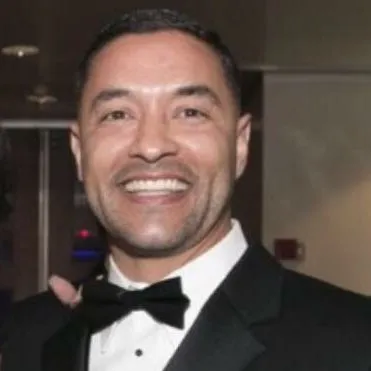
Jose F. Espinoza
Licensed Bail Agent #1841969 · Founder, Espinoza Bail Bonds
Jose F. Espinoza is a U.S. Army veteran, former Military Police officer, and licensed bail agent who founded Espinoza Bail Bonds in 2014. After 25 years of decorated military service, he now brings the same discipline, loyalty, and calm leadership to helping families navigate the bail process. Jose believes in second chances and treats every client with dignity, respect, and compassion.


 Speak to a Bail Agent:
(844) 325-8424
Speak to a Bail Agent:
(844) 325-8424
 Request a Callback: Call
Me
Now!
Request a Callback: Call
Me
Now!
 Other Options:
Contact Us
Other Options:
Contact Us