 Spanish
What Is a Bondsman? A Guide to How They Work
Get Someone Out of Jail Fast — 24/7 Help
Reliable, confidential bail bonds available anytime, anywhere in California. We move quickly so you can bring your loved one home.
Get in TouchYou call a plumber for a burst pipe. You call a tow truck for a broken-down car. When someone is in jail and you can’t afford bail, you call a bail bondsman. They are the specialist for this specific, urgent problem. So, what is a bail bondsman? Simply put, they are a licensed professional who can secure a person’s release from custody for a fraction of the total bail cost. You pay them a manageable fee, and they handle the rest. This guide explains their role in the justice system, how the bail bonds process works, and what to know before hiring one.
Key Takeaways
- Pay a Fraction of the Full Bail Amount: A bail bondsman allows you to secure a release from jail by paying a standard, non-refundable 10% fee instead of the entire bail amount, making the process financially manageable.
- Uphold Your End of the Agreement: Your primary responsibility is to ensure the defendant attends all court dates. This fulfills your contract and prevents the co-signer from becoming liable for the full bail amount.
- Verify Your Bondsman is Licensed and Reputable: Always choose a bail bond company that is licensed by the state, available 24/7, and transparent about all costs. Asking the right questions upfront ensures you’re working with a trustworthy professional.
What Is a Bail Bondsman and What Do They Do?bail bondsman?
When you or someone you care about is arrested, the legal system can feel overwhelming. One of the first terms you’ll hear is “bail,” which is the amount of money the court requires to release a person from jail while they await their trial. Often, this amount is too high for a family to pay out of pocket. That’s where a bail bondsman comes in.
Think of a bail bondsman, or bail agent, as a licensed professional who provides a financial service to help secure someone’s release from custody. Instead of you paying the full bail amount to the court, a bail bondsman does it for you. In return, you pay the bondsman a smaller, non-refundable fee. This service makes getting out of jail much more accessible and allows the defendant to return home to their family and job while preparing for their court dates. A good bail bondsman doesn’t just handle the financial transaction; they also guide you through the process with compassion and clarity during a stressful time.
How a Bondsman Supports You in the Legal System
A bail bondsman acts as a surety agent for the court. This means they formally promise the court that the defendant will attend all required hearings. To make this guarantee, the bondsman posts the full bail amount on the defendant’s behalf. This is known as posting a bail bond.
This arrangement is a win-win. The court gets a financial guarantee that the defendant will comply with legal proceedings, and the defendant gets to go home without their family having to drain their savings. The bondsman takes on the financial risk, and in exchange, the defendant and their family agree to fulfill their legal obligations. It’s a crucial service that keeps the legal wheels turning while respecting a person’s right to be out of custody before trial.
Are They Just Providing a Financial Service?
Working with a bail bondsman is a straightforward financial transaction. For their service, bail agents charge a fee, which is typically a percentage of the total bail amount. In California, this premium is set by law and is usually 10%. For example, if the bail is set at $20,000, the fee you would pay the bondsman is $2,000.
This fee is non-refundable—it’s the payment for the service of securing the release and for the company taking on the risk of the full bail amount. Reputable companies understand that this can still be a significant expense, which is why many offer flexible payment plans to make it more manageable for families. A bail bondsman is a licensed professional providing a vital service, not just a lender.
A Brief History of Bail Bonds
You might be surprised to learn that the idea of securing someone’s freedom before their trial is an ancient one. The concept of bail has been around for millennia, with early forms of it recorded on clay tablets in Mesopotamia around 2750 BC. This shows that for thousands of years, societies have looked for ways to ensure a person returns to court without keeping them locked up unnecessarily. The modern bail bond system as we know it, however, is a distinctly American innovation. The first commercial bail bond business opened its doors right here in California, in San Francisco back in 1898. This established the role of the professional bail bondsman, creating a private industry to help people afford bail.
Unlike in many other countries where profiting from bail is illegal, the U.S. developed this system to provide a practical solution for families facing high bail amounts. Today, that system continues to serve a vital purpose. It balances the court’s need for assurance that a defendant will appear for their hearings with an individual’s right to liberty. By paying a small percentage of the total bail, a bondsman makes it possible for someone to get back to their life, family, and job while their case moves through the legal process. It’s a crucial service that upholds the principle of innocent until proven guilty while ensuring the justice system functions smoothly.
Common Myths About Bail Bondsmen, Busted
The world of bail bonds is often misunderstood, thanks to how it’s portrayed in movies and TV shows. One common myth is that the industry is unregulated. In reality, bail bondsmen are licensed and regulated professionals, held to strict standards by state agencies like the California Department of Insurance. They operate legitimate businesses that provide an essential service within the justice system.
Another misconception is that the 10% fee is a deposit that you get back later. This fee is the bondsman’s earned income for their service and for taking on the financial liability of the full bail amount. It is never refundable, regardless of the outcome of the case. Understanding this from the start helps create a clear and honest working relationship with your bail bond company.
How Does the Bail Bond Process Actually Work?
When you or a loved one is arrested, the path to getting out of jail can feel confusing. But it follows a clear set of steps. Understanding this process can help you feel more in control during a stressful time. It all starts with the court and ends with a safe return home while awaiting trial.
First, How Is the Bail Amount Determined?
After an arrest and booking, a judge sets a bail amount during a hearing. This is the amount of money the court requires to release someone from custody. The purpose of bail is to ensure the person returns for their scheduled court dates. The amount can vary widely depending on the nature of the alleged crime, the person’s past record, and other factors. This figure can be intimidatingly high, often reaching thousands or even tens of thousands of dollars, which is more than most families can afford to pay out of pocket. This is the point where you need to decide how to proceed with securing a release.
A Step-by-Step Guide to Hiring a Bondsman
If you can’t pay the full bail amount, your next step is to call a bail bondsman. A bondsman provides a service that makes getting out of jail affordable. Instead of paying the entire bail amount to the court, you pay a bail bond company a smaller fee, which is typically 10% of the total bail in California. This fee is non-refundable. In exchange, the bondsman posts the full bail amount with the court, securing the release of your loved one. This arrangement makes our bail bonds service an accessible option for families who need help fast.
What to Prepare: Paperwork and Collateral
To get the process started, you’ll need to sign a contract with the bail bondsman. This agreement outlines the terms, including your responsibility to ensure the defendant appears at all court dates. To protect themselves financially, the bondsman might also ask for collateral. Collateral is something of value, like property or another asset, that secures the bond. It’s a guarantee that if the defendant misses a court date, the bondsman can recover the money they paid to the court. We understand this can be a concern, so we are always available to discuss your specific situation when you contact us.
How Long Does It Take to Get Released from Jail?
One of the first questions everyone asks is, “How long will this take?” Once the bail is set and you’ve completed the paperwork with a bondsman, the release process can begin. A good bail agent acts quickly to post the bond at the jail. From there, the release time depends on how busy the facility is. It can take anywhere from a few hours to a full day for the jail staff to process the paperwork and release the individual. Our team works efficiently across all our locations to help speed up this process as much as possible, getting you or your loved one home sooner.
How Much Does It Cost to Hire a bail bondsman?
When you get that stressful call, one of the first questions that comes to mind is, “How much is this going to cost?” It’s a completely valid concern, and understanding the fees involved can help you make a clear-headed decision during a difficult time. The cost of a bail bondsman is much more manageable than paying the full bail amount set by the court. It’s a service designed to make getting your loved one home affordable.
The pricing structure is regulated, so you don’t have to worry about wildly different rates from one company to the next. The main cost is a standard, non-refundable fee. Reputable companies are transparent about their pricing and will walk you through any potential additional costs and flexible payment options before you sign anything.
Breaking Down the Standard Bail Bond Fee
In California, the cost for a bail bond is typically set at 10% of the total bail amount. This percentage is the bail bond agent’s non-refundable fee for their service. Think of it as their payment for taking on the financial risk of the full bail amount. For example, if the court sets bail at $30,000, the fee you would pay to the bondsman is $3,000.
This fee, often called the premium, covers the service of posting the bond and ensuring your loved one’s release from jail. It is earned by the bondsman once the person is released. This structure makes it possible to secure a release without having to come up with a huge sum of money on your own. We provide a range of bail bonds to help you through this process.
Are There Different Costs for Different Types of Charges?
The cost you pay a bondsman is directly tied to the bail amount set by the court, which often changes based on the severity of the charge. While the bondsman’s fee is a standard 10% in California, the total bail can vary significantly. For instance, a misdemeanor charge might have bail set at $10,000, making your fee $1,000. However, a more serious felony charge could result in a $100,000 bail, which means the fee would be $10,000. So, while the percentage remains consistent, the final cost you pay is higher for more serious offenses because the initial bail is higher. The court considers the type of charge, the defendant’s criminal history, and other risk factors when setting the bail, which in turn determines the cost of the bail bond service you’ll need.
Are There Any Hidden Costs to Expect?
For the most part, the 10% premium is the only fee you’ll have to pay. There are generally no hidden charges or surprise costs with a transparent and honest bail bond company. The most significant financial risk comes if the defendant fails to appear for their scheduled court dates. If that happens, the cosigner—the person who signed the bail bond agreement—becomes responsible for paying the full bail amount to the bondsman.
This is because the bondsman is legally obligated to pay the court the entire bail amount if the defendant doesn’t show up. As long as the defendant attends all required court appearances, you won’t have to worry about any other costs. If you have specific questions about your situation, it’s always best to contact us directly.
Can You Get a Payment Plan?
We understand that even paying 10% of a high bail amount can be a financial strain. Most families don’t have thousands of dollars set aside for an emergency like this. That’s why many bail bond companies offer flexible payment options to ease the burden. While paying in cash or with a credit card is often the quickest way to get the process started, it’s not the only way.
At Jose Espinoza Bail Bonds, we work with you to create a payment plan that fits your budget. We believe that everyone deserves a chance to be home with their family while awaiting trial, regardless of their financial situation. You can discuss financing options with us, and we provide a simple online system to make payments once a plan is in place.
What Happens If You Miss a Court Date?
Showing up for every court date is the most important responsibility a defendant has after being released on bail. Missing a court appearance, known as a “failure to appear,” creates serious problems for everyone involved—the defendant, the person who co-signed the bond, and the bail bondsman. The court system takes this very seriously, and the consequences are immediate. It complicates the legal case and puts the financial agreement with the bail bond company at risk. If you or a loved one is ever unsure about a court date, it’s critical to contact your bail bondsman or attorney right away to confirm the details.
Understanding the Consequences for the Defendant
When a defendant doesn’t show up for a scheduled court hearing, the judge will immediately issue a bench warrant for their arrest. This means any law enforcement officer can arrest them on sight. At the same time, the judge will forfeit the bail bond. This action declares that the full bail amount is now due to the court. For the defendant, this means they are now a fugitive and will face an additional criminal charge for failing to appear. This new charge can add fines and even more jail time to their original case, making their legal situation much more difficult.
How Your Bondsman Gets Involved
Once the court forfeits the bail, the bail bondsman is legally responsible for paying the full bail amount. Because the bondsman has a significant financial stake, their priority shifts to locating the defendant. The goal is to find the individual and return them to custody. If the bondsman can successfully do this within a specific timeframe set by the court, they can avoid paying the entire bond. This is why the bail bond agreement you sign is so important. It gives the bondsman the legal authority to find and detain the defendant to protect their financial investment and the collateral provided by the co-signer.
Do Bounty Hunters Get Involved?
You’ve probably seen them in movies, but what role do bounty hunters play in real life? A bail bondsman has the right to hire a fugitive recovery agent—commonly known as a bounty hunter—to track down a defendant who has skipped bail. These agents are authorized by the bail bond contract to find and arrest the defendant and return them to jail. This isn’t the first step, but it becomes necessary when a defendant cannot be reached or is actively avoiding their court obligations. Using a recovery agent is the bondsman’s last resort to prevent the loss of the full bail amount and to enforce the terms of the bail agreement.
What Rules Do Bail Bondsmen Have to Follow?
It’s completely normal to wonder about the rules that govern bail bondsmen. This isn’t the Wild West; bail bond agents are licensed professionals who operate under strict state laws. They have a specific job to do, and there are clear lines they cannot cross. Understanding these rules can help you feel more secure and confident when you need to hire one. From licensing requirements to their code of conduct, the industry is designed to ensure professionals act ethically and legally while helping you or your loved one through a difficult time.
Why State Licensing and Regulations Matter
The rules for bail bondsmen change quite a bit from one state to another. Here in California, the industry is well-established and regulated by the California Department of Insurance. To become a bail agent, a person must complete specific coursework, pass a state licensing exam, and undergo a background check. This ensures that the person you’re trusting has the right training and a clean record. Reputable companies are always transparent about their licensing and experience, which is a key part of our company’s commitment to our clients. This process guarantees that agents are qualified to handle the legal and financial aspects of your case properly.
What a Bondsman Can (and Can’t) Legally Do
A bail bondsman’s main job is to provide a financial guarantee to the court that a defendant will attend all their required court dates. If the defendant fails to appear, the bondsman is legally empowered to find them and return them to custody. This is often where the idea of a “bounty hunter” comes from. While they can legally apprehend someone who has skipped bail, they must follow the law while doing so. A bail agent cannot use illegal force, harass you, or threaten you. Their actions are limited by the same laws that apply to other citizens and law enforcement, ensuring your rights are protected throughout the process.
Their Professional and Ethical Responsibilities
Beyond state licensing, bail bondsmen have professional and ethical duties they must uphold. Honesty, transparency, and respect for a client’s rights are at the top of the list. A good agent will clearly explain the bail bond contract, including all fees and responsibilities, before you sign anything. They must handle your personal information with confidentiality and treat you with dignity. While the bail industry has faced criticism, professional agents focus on providing a crucial service to the community with integrity. If you ever have questions about the process, a trustworthy agent will be ready to answer them and guide you with care.
The Bail Bond System: A Closer Look
Bail Bonds in the U.S. and California
The concept of for-profit bail is almost exclusively an American one; in most other countries, the practice is illegal. Here, a bail bondsman acts as a “surety” for the court, which means they take on the financial responsibility of ensuring a defendant shows up for their hearings. They do this by posting the full bail amount, allowing the defendant to return home. This system is built on a simple premise: it provides a way for people to get out of jail without having to pay an impossibly high sum of money all at once. It’s a specialized service that fills a critical gap in the justice system.
In California, the system is highly regulated to ensure fairness and transparency. The fee for a bail bond is typically set at 10% of the total bail amount. This non-refundable premium is the bondsman’s payment for their service and for taking on the risk of the full bail amount. This standardized rate means you know exactly what to expect when you seek help. It transforms an overwhelming financial obstacle into a manageable one, making it possible for families to bring their loved ones home while they await trial.
Understanding the Debate Around For-Profit Bail
It’s important to acknowledge that the for-profit bail system has its critics. Prominent legal organizations, including the American Bar Association and the ACLU, have raised concerns about its fairness. The main argument is that the system can put a heavier burden on individuals with lower incomes, making it harder for them to secure their release even for minor offenses. Critics suggest that a person’s freedom before trial shouldn’t depend on their ability to pay. They also question whether the system truly makes communities safer and propose simpler alternatives, like automated text reminders for court dates.
This debate highlights the complexities of the justice system. While these discussions continue, the reality is that the current system exists, and families need help within it. That’s why our company’s mission is to provide this service with as much compassion and support as possible. By offering flexible payment plans and clear guidance, we aim to make the process accessible and less stressful for everyone involved. We believe in helping people through the system as it stands today, providing a crucial service with integrity and care.
When Is the Right Time to Hire a bail bondsman?
Knowing when to call a bail bondsman can make a stressful situation much more manageable. While every case is different, there are two primary scenarios where their help is invaluable. If you find yourself or a loved one in one of these situations, reaching out to a professional is often the smartest and fastest way forward. It’s about using a resource designed specifically to help when you’re facing the legal system and need to get back home.
If You Can’t Afford the Full Bail Amount
The most common reason to hire a bail bondsman is straightforward: bail is expensive. Courts can set bail amounts in the thousands, or even tens of thousands, of dollars. Most families don’t have that kind of cash readily available. This is where a bondsman steps in. Instead of paying the entire bail amount to the court, you pay a bail bond company a smaller, non-refundable fee (typically 10% in California). The bondsman then posts the full bail amount on your behalf, securing the defendant’s release. This service makes getting out of jail financially possible for people who otherwise couldn’t afford it. We provide affordable bail bonds to bridge this exact gap.
If You Need to Get Out of Jail Fast
Time is critical after an arrest. The longer someone stays in custody, the more disruptive it is to their life, family, and job. The bail process can be confusing and slow if you try to handle it on your own. A bail bondsman’s job is to expedite this process. They understand the local court and jail systems, know exactly what paperwork is needed, and can post the bond quickly to secure a release. As one legal resource puts it, a bail agent’s purpose is to “help people get out of jail while they wait for their court date.” An experienced bondsman has the expertise to get you or your loved one home quickly, often within hours. If you need immediate help, please contact us right away.
What Are the Alternatives to Using a Bail Bondsman?
While a bail bondsman is often the most practical solution, it’s not the only way to secure a release from jail. Depending on the circumstances of the case and the jurisdiction, a judge might consider other options. For minor offenses, an officer might issue a citation release, which is essentially a ticket with a court date. In other cases, a judge may grant a release on one’s “own recognizance” (OR), which is a written promise to appear in court without any money being paid. If you have the funds, you can always pay the full bail amount directly to the court with a cash bond. Some courts also accept property bonds, where you use real estate as collateral. Lastly, some communities have charitable bail funds that may help individuals who cannot afford bail.
When a Bail Bondsman Might Not Be an Option
There are a few specific situations where hiring a bail bondsman may not be possible. First, some states, like Illinois and Oregon, have outlawed the commercial bail bond industry. This is not the case in California, where licensed bail agents are a critical part of the justice system. Second, for very serious charges, such as murder, or if the defendant is considered a significant flight risk, a judge may deny bail altogether or order a “cash-only” bail. This means the full amount must be paid directly to the court, and a surety bail bond from a bondsman will not be accepted. However, for the vast majority of cases in California, working with a bail bondsman is the standard and most accessible path to getting someone released from custody.
How to Choose the Right bail bondsman?
Finding the right bail bondsman during a stressful time can feel overwhelming, but knowing what to look for makes the process much clearer. You need a partner who is not only professional and reliable but also compassionate and transparent. The right company will guide you through every step without adding to your worries. Focus on finding a licensed, reputable, and available agent who will answer all your questions honestly.
What to Look For in a Reputable Bondsman
When you’re searching for a bail bond company, the first thing to confirm is that they are licensed by the state. This is non-negotiable, as it ensures they operate legally and follow industry standards. Next, look into their reputation. A company with a long history and positive customer reviews is a good sign they are trustworthy and professional. Because arrests can happen at any time, you need a company that offers 24/7 availability. Finally, transparency is crucial. A reputable agent will clearly explain all the fees and terms in your agreement, so there are no surprises. Our team has been providing bail bonds with care and integrity since 1999, and we’re here for you around the clock.
Key Questions to Ask Before You Sign Anything
Before you commit to a bail bondsman, it’s important to ask a few key questions to make sure you’re making the right choice. Start by asking about their license and how long they’ve been in business. Experience matters in this field. You should also ask about their availability and how quickly they can act to secure a release. Inquire about the total cost and ask for a complete breakdown of their fees—the standard premium is typically 10%, but you want to be sure there are no hidden charges. It’s also a good idea to ask about what payment plans they offer. Getting clear answers to these questions will help you feel confident that you’ve found a qualified and trustworthy partner.
Your Rights and Responsibilities in the Agreement
Working with a bail bondsman is a partnership. While our job is to secure a quick release from jail, you also have a key role to play. This agreement is built on a clear contract, your commitment to the legal process, and open communication. Understanding your rights and responsibilities from the start makes the entire experience smoother and less stressful for everyone.
Understanding your contract
The bail bond agreement is the foundation of your relationship with us. It’s a legal contract that clearly lays out the terms, including the non-refundable fee and any collateral required. It’s your right to understand exactly what you’re agreeing to, so read it carefully before signing. This contract is our promise to the court that the defendant will appear for their hearings, and it’s your promise to us that you’ll make sure that happens. Our team is here to explain every detail of our bail bond services so you feel confident and informed.
What Will Your Bondsman Expect From You?
Your primary responsibility is simple but crucial: the defendant must attend every single court date. When a bondsman posts bail, they are making a financial guarantee to the court. If the defendant shows up to all required appearances, the court returns the bail money to the bondsman once the case is resolved. Failing to appear in court creates serious problems, including a new arrest warrant and the forfeiture of the entire bail amount. Following all conditions of release, like travel restrictions, is also part of the deal and ensures the process moves forward without complications.
The Importance of Staying in Touch
Open communication is essential after release. You’ll need to keep your bondsman updated with your current address and phone number, as we need to be able to reach you with important reminders about court dates. Think of us as part of your support team—we’re here to help you stay on track. A bondsman may also require regular check-ins by phone or in person. Being proactive and responsive helps build trust and shows you’re taking your responsibilities seriously. If you ever have questions, please contact us right away. We’re in this together.
Related Articles
- How do bail bonds work? – Espinoza Bail Bonds
- How do Bail Bonds Work? Do you get your money back?
- Bail Bondsman Career Guide | Espinoza Bail Bonds
- Pros and Cons of being a Bail Bondsman
- Bail Bonds | A Beginner’s Guide – Espinoza Bail Bonds
Frequently Asked Questions
Is the 10% fee I pay to a bondsman refundable? No, the fee you pay is not refundable. Think of it as the payment for a professional service. The bondsman earns this fee by taking on the full financial risk of the bail amount and securing the person’s release from jail. Once that service is complete and your loved one is home, the fee is considered earned, no matter how the court case turns out later.
What if I can’t afford the 10% fee all at once? This is a very common and understandable concern. Most families don’t have thousands of dollars saved for an unexpected arrest. That’s why reputable bail bond companies, including ours, offer flexible payment plans. We can work with you to create a payment schedule that fits your budget, so you can focus on getting your loved one home without facing an immediate financial crisis.
What happens to the collateral I provide after the case is over? As long as the defendant attends all of their required court dates, your collateral is safe. Once the case is officially closed and the bond is exonerated by the court, the bail bond company will return your collateral to you. It is only at risk of being forfeited if the defendant fails to appear in court, which is why fulfilling that obligation is so important.
How is using a bail bondsman different from just paying the full bail amount to the court? Paying the court directly requires you to come up with the entire bail amount in cash, which can be a massive financial burden. Using a bail bondsman allows you to pay just a fraction of that cost—the non-refundable 10% fee—to secure a release. While the court will return the full bail amount you paid (minus some fees) at the end of the case, a bondsman makes getting out of jail accessible when you don’t have tens of thousands of dollars on hand.
What is my main responsibility as the person who signs for the bail bond? Your most important responsibility is to make sure the defendant shows up for every single court date without fail. As the cosigner, you are financially guaranteeing their appearance. You also need to maintain open communication with your bail bondsman, keeping them updated with any changes to the defendant’s address or phone number and ensuring they can reach you with important reminders.
About the Author
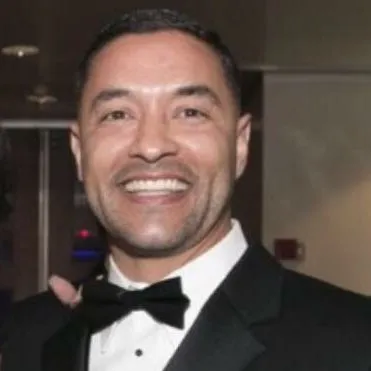
Jose F. Espinoza
Licensed Bail Agent #1841969 · Founder, Espinoza Bail Bonds
Jose F. Espinoza is a U.S. Army veteran, former Military Police officer, and licensed bail agent who founded Espinoza Bail Bonds in 2014. After 25 years of decorated military service, he now brings the same discipline, loyalty, and calm leadership to helping families navigate the bail process. Jose believes in second chances and treats every client with dignity, respect, and compassion.


 Speak to a Bail Agent:
(844) 325-8424
Speak to a Bail Agent:
(844) 325-8424
 Request a Callback: Call
Me
Now!
Request a Callback: Call
Me
Now!
 Other Options:
Contact Us
Other Options:
Contact Us