 Spanish
Can a Bail Bondsman Deny You in California?
- in Bail Bond
Get Someone Out of Jail Fast — 24/7 Help
Reliable, confidential bail bonds available anytime, anywhere in California. We move quickly so you can bring your loved one home.
Get in TouchWhen a loved one is arrested, a declined bond can feel like a dead end. It usually means the agent needs to understand the financial and practical risks of the proposed bond, not that the family has run out of options. Taking a breath, asking what information is missing, and separating the agent’s decision from the court’s decision can make the next conversation more productive.
Contact Espinoza Bail Bonds for a case review and next steps
The answer to “can a bail bondsman deny you in california” depends on the proposed bond and the agent’s case-specific review. Espinoza Bail Bonds can explain what may affect an application, what questions to ask, and whether another path should be considered. A private agent’s decision is different from a court order denying bail or setting release conditions.
Understanding that distinction is the starting point. From there, families can focus on the reasons an agent may decline a bond and gather the information needed for a clear, informed response.
Can a Bail Bondsman Deny You in California?
Direct answer: Yes, a private bail agent may decline to write a proposed surety bond after reviewing the case and the people or property supporting it. Espinoza Bail Bonds can explain whether an application may be workable, but no agent can promise approval. A court’s decision about bail or release is separate and controlled by the judge or magistrate.
A private agent decides whether to accept the bond risk
A California bail bond is a surety bond. A bail bond company posts it to the court as a guarantee that the defendant will appear at required court dates. Licensed bail agents underwrite and issue these bonds as appointed representatives of licensed surety insurers.
Because the bond creates financial obligations for the surety, a private agent may decide not to accept a proposed application. The review can involve the available indemnitor, co-signer, collateral, payment terms, and information that helps the agent assess the risk. These are possible business considerations, not a universal checklist. Different licensed agents may evaluate a proposal differently.
A court controls bail and release decisions
An agent’s decision is not the same as a court denying bail. If an agent declines, that generally means the company is not agreeing to issue that particular surety bond under the circumstances presented. It does not by itself establish that the court has denied release, changed the bail amount, or ordered that the defendant remain in custody.
Conversely, a court may set bail, impose release conditions, or make another release decision that a bail agent cannot change. California law addresses when a bond from an admitted surety insurer is accepted or approved when executed by an authorized licensed agent. For the court’s specific order or release status, contact the court handling the case and consider asking an attorney about legal options.
| Question | Private bail agent | Court or magistrate |
|---|---|---|
| Primary role | Decides whether the agency will accept a proposed surety bond. | Sets bail, release conditions, or another court-ordered release status. |
| What it can review | Application information, co-signer, collateral, payment terms, and case risk. | Legal and release issues presented through the court process. |
| What a decline means | The agency is not agreeing to write that proposed bond under the presented circumstances. | A court order is a separate decision and is not created by an agent’s decline. |
What to clarify after a proposed bond is declined
Ask the agent what information or documentation is missing, whether the proposed co-signer or collateral arrangement can be reviewed, and which terms are being considered. You may also contact another licensed agent, but another application is not guaranteed to be approved. For a plain-language overview of the parties and process, read how California bail bonds work.
The California Department of Insurance provides consumer information about bail bonds, licensed agents, and the relationship between a surety bond and the court: California bail bond guidance.
Why Can a Bail Bondsman Deny You in California?
Espinoza Bail Bonds explains that a private agent may decline a proposed bond when the available information does not support taking on the financial risk. Possible considerations can include the co-signer or indemnitor, appearance history, documentation, collateral, and the charge involved. These are general examples, not a universal California checklist or a guarantee of approval.
Whether a qualified indemnitor is available
An indemnitor, often called a co-signer, agrees to take responsibility for the bond’s obligations. Because a bail agent may face financial exposure if the defendant fails to appear, the agent may review whether the proposed indemnitor understands the agreement and appears able to meet its responsibilities. A family relationship alone does not necessarily answer those questions.
Appearance history and case information
Some bail-industry guidance identifies prior failures to appear or a serious flight history as possible underwriting concerns. An agent may also review the defendant’s current charges, bail status, and other case details. Charge categories can matter because some agencies may choose not to write particular types of bonds under their own underwriting practices. Another licensed agency may evaluate the same proposed bond differently.
Documentation, funds, and collateral
Questions about the source of funds may arise when documentation is incomplete or a court-related hold affects the proposed bond. An agent may also consider whether available collateral is appropriate for the risk involved. Espinoza Bail Bonds describes payment, financing, and collateral options as dependent on the circumstances, so ask what information is needed and which terms would apply before signing.
Credit history can be only one part of a broader review. For more context, read about California bail bond application factors. If an agent declines the bond, ask for a clear explanation, review the proposed obligations, and consider contacting another licensed agent. A private decline is different from a court denying bail or ordering no bail.
What Information Does a Bail Agent Need to Review a Bond?
Espinoza Bail Bonds can begin a case review with basic identifying and booking information, then confirm the jail record, bail status, and circumstances surrounding the proposed bond. This review helps the agent understand the request and explain what additional information or terms may apply. It is not a promise that every bond will be accepted.
Start with accurate booking details
Have the following information ready when contacting an agent:
- Defendant details: Provide the defendant’s full legal name and date of birth so the agent can identify the correct person.
- Jail information: Share the jail facility and booking number, if available. Espinoza Bail Bonds uses these details to help verify the custody record.
- Charge and bail information: Explain the listed charges and current bail amount. The agent can then confirm whether the information matches the jail’s bail status.
- Caller relationship: Tell the agent whether you are a family member, friend, or another person helping arrange the bond. This provides context for the application conversation.
Expect questions beyond the booking record
The information above may be only the starting point. Because a bail agent assumes financial risk if the defendant does not appear, the agent may need to discuss the proposed indemnitor, payment terms, collateral, or other case-specific details. These are practical underwriting considerations, not a universal checklist that every agency uses. Ask what documentation is needed rather than assuming a particular document is mandatory. For a more detailed preparation guide, review documents for a bail bond application.
Verify the agent’s California license
Consumers should also confirm that the person offering to arrange the bond is properly licensed. California Insurance Code section 1800 states that a person may not solicit, negotiate, execute, or deliver an insurer’s bail bond without the required license. The law also addresses licensing for people who advertise or hold themselves out as furnishing bail bonds. You can review the statute through the California Legislature’s official code. A license check does not guarantee approval, but it is a sensible consumer-protection step before sharing sensitive information or signing documents.
How Do Co-Signer, Payment, and Collateral Terms Affect Approval?
Espinoza Bail Bonds reviews co-signer responsibilities, payment arrangements, and possible collateral as part of a case-specific assessment. These terms can affect whether an agent is comfortable taking on the financial risk of a bond, but they do not create an automatic approval standard. The court’s bail decision and a private agent’s underwriting decision are separate issues.
Why does the co-signer’s role matter?
A co-signer, sometimes called an indemnitor, may accept financial responsibilities under the bond agreement. A bail agent assumes financial risk if the defendant fails to appear. So the agent may need to understand who is prepared to support the agreement and communicate with the defendant about court obligations. The exact requirements can vary by agent and circumstances.
Before signing, ask what responsibilities you would have, what information is needed, and what events could create additional obligations. Review what co-signers should review first before agreeing to terms.

How can payment and collateral terms change the review?
A bail bond may help a family post bail without paying the full bail amount upfront. Espinoza Bail Bonds indicates that payment plans, financing, and collateral options may be available, but eligibility and terms depend on the circumstances. Collateral can involve property or another asset offered to support the agreement, and an agent may evaluate whether the proposed arrangement reasonably addresses the bond’s risk.
What should you clarify before moving forward?
Ask the agent to explain every payment date, co-signer duty, collateral condition, and documentation requirement in plain language. Do not assume that a payment option or collateral arrangement guarantees approval. If the proposed bond is declined, ask whether additional information could change the review, or contact another licensed agent to discuss the situation.
What Should You Do If a Bail Bondsman Declines the Bond?
Espinoza Bail Bonds explains that a declined bond is a private underwriting decision, not necessarily a court order denying release. Start by finding out what prevented the agent from moving forward, then gather accurate information and ask about other lawful options. Another licensed agent may evaluate the same situation differently, but no agent can guarantee approval.
Ask what is missing or unclear
Ask the bail agent to explain, in plain language, whether the concern involves the proposed co-signer, available collateral, payment terms, case information, or documentation. The agent may not disclose every internal underwriting detail, but knowing what information is incomplete can help you correct an error or prepare for another review. Confirm the defendant’s full name, booking number, facility, charges, and current bail status before contacting anyone else.
Also ask the agent to explain any proposed financial obligations before signing. Payment plans, financing, and collateral options can depend on the circumstances. If the terms are unclear, request a written explanation and consider the what to expect while a bond is pending guide for related process information.
Contact another licensed bail agent
Underwriting practices are not identical across all agencies. A different licensed bail agent may have different requirements or may be able to review additional documentation. California law requires licensing for people who negotiate or execute an insurer’s bail bond, so ask how the agent is licensed and who the surety insurer is. You can also review these questions to ask a bail bonds agent before sharing sensitive information or agreeing to terms.
Check court information and ask counsel about legal options
Contact the court where the case is filed for local bail information. If the issue involves a court order, release condition, bail amount, or a possible hearing, ask the defendant’s attorney about the available court options. A bail agent can discuss a proposed surety bond, but an attorney is the right source for legal advice about the case.
Contact Espinoza Bail Bonds to discuss your next steps.
When Should You Contact an Attorney Instead of a Bail Agent?
Espinoza Bail Bonds can explain the bonding process and review whether a proposed surety bond may be workable. An attorney should handle questions about the charges, legal defenses, release conditions, court hearings, or alternatives to a commercial bond. A bail agent can discuss its own underwriting decision, but cannot replace legal advice or determine what a judge will order.
When the question involves charges or court conditions
Contact a California criminal defense attorney when you need advice about the meaning or consequences of the charges, how to respond in court, or whether release conditions should be challenged. Ask counsel about conditions such as travel limits, check-ins, stay-away orders, or other requirements. Those issues concern the defendant’s legal rights and obligations, not simply whether an agent can write a bond.
When a hearing or different release option may matter
Some release decisions require court involvement. California Penal Code section 1270.1 provides that, for certain listed offenses, an open-court hearing must occur before release on bail above or below the scheduled amount, or release on the person’s own recognizance. The statute includes serious and violent felonies among the offenses covered by its hearing provision. Read the official text of Penal Code section 1270.1, then ask an attorney how it may apply to the specific case.
What a bail agent can and cannot decide
A licensed bail agent may decide whether to accept the financial risk of a particular bond under that agency’s underwriting practices. A decline by one agent does not itself mean the court denied release, and an agent cannot promise that a judge will reduce bail or change conditions. For practical process information, review posting bail in California. Use an attorney for individualized legal guidance, especially when the family is considering a hearing, release on recognizance, or another court option.
Frequently Asked Questions
Can a bail bondsman deny you in California?
Yes. A private bail agent may decline a proposed bond after reviewing the case, indemnitor, documentation, or financial risk. That decision is separate from a court’s bail order. California describes bail bonds as surety bonds issued by licensed bail agents for a surety insurer. California Department of Insurance guidance explains that distinction.
What powers does a bail bondsman have?
A bail bondsman can decide whether to submit a bond under the agency’s underwriting standards and can request information, a qualified co-signer, or additional financial protections. The agent cannot change a judge’s order, dismiss charges, or provide legal advice. Ask the agent to explain any available options and terms clearly.
What information should I have ready for a bail agent?
Have the defendant’s full name and date of birth, jail facility, booking number, charges, bail amount, and your relationship to the defendant ready. The agent may verify jail records and bail status before discussing the proposed bond. If a detail is unknown, say so rather than guessing.
What should I do if one bail agent declines the bond?
Ask what information or condition led to the decision, then consider speaking with another licensed agent because underwriting practices can differ. You can also contact the court for local bail information. If the issue involves a hearing, release condition, or legal rights, ask a California attorney for advice before choosing your next step.
Ready to Discuss the Proposed Bond?
A case-specific review can help your family understand what information may be needed, what questions to ask, and which next steps are worth considering. Espinoza Bail Bonds can explain the process in plain language without promising approval or replacing legal advice.
About the Author
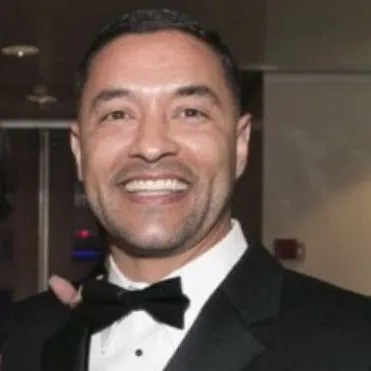
Jose F. Espinoza
Licensed Bail Agent #1841969 · Founder, Espinoza Bail Bonds
Jose F. Espinoza is a U.S. Army veteran, former Military Police officer, and licensed bail agent who founded Espinoza Bail Bonds in 2014. After 25 years of decorated military service, he now brings the same discipline, loyalty, and calm leadership to helping families navigate the bail process. Jose believes in second chances and treats every client with dignity, respect, and compassion.


 Speak to a Bail Agent:
(844) 325-8424
 Request a Callback: Call
Me
Now!
 Other Options:
Contact Us