 Spanish
Bail Bond Forfeiture California: Deadlines Explained
- in Bail Bond
Get Someone Out of Jail Fast — 24/7 Help
Reliable, confidential bail bonds available anytime, anywhere in California. We move quickly so you can bring your loved one home.
Get in TouchA missed California court date can create urgent questions for a defendant, family member, or co-signer. The result is not determined by rumor or a private deadline. California law gives the court a defined process for declaring bail forfeited, issuing notice, and addressing what may happen next.
Contact Espinoza Bail Bonds about your bond

Bail bond forfeiture california generally refers to the court declaring the bond forfeited after a defendant misses a legally required appearance without sufficient excuse. California Penal Code section 1305 describes this process. Espinoza Bail Bonds can explain bond-specific questions, while an attorney handles legal advice about motions or defenses.
Understanding the court’s trigger is the starting point. The timing of notices, the difference between forfeiture and exoneration, and the possible effect on a co-signer depend on the case record and statutory deadlines.
What Does Bail Bond Forfeiture California Mean?
Answer: Espinoza Bail Bonds explains that California bail bond forfeiture is a court action that may follow an unexcused failure to appear at a legally required proceeding. Under Penal Code section 1305, forfeiture is not the same as a final financial judgment. The statute provides specific procedures and opportunities that may affect what happens next.
In practical terms, forfeiture means the court declares that the bail undertaking, or money or property deposited as bail, is forfeited after the defendant misses a required appearance without sufficient excuse. California Penal Code section 1305 identifies several possible triggers, including arraignment, trial, and judgment. It also covers another pre-judgment occasion when the defendant’s presence is lawfully required.
The key distinction is between the event that starts the process and the financial result that may come later. A missed appearance can lead the court to declare forfeiture. But that declaration does not by itself explain whether the bond will ultimately be exonerated, reinstated, or become subject to a later judgment. Those outcomes depend on the statute, the timing of appearances or surrender, court orders, and the facts of the case.
Section 1305 also contains separate rules for certain early case developments. For example, when a case is dismissed. The statute generally states that the court lacks jurisdiction to declare forfeiture under the specified provision and that bail is released from the bond obligations. Rules concerning a complaint not being filed within the statutory period are also specific and may involve an authorized extension.
This is general California legal information, not legal advice. If you received a forfeiture notice or are concerned about a missed court date, review the court record and bond documents promptly. An attorney can advise you about legal remedies, while a bail professional can explain bond-specific process questions.
How Does Bail Bond Forfeiture California Start After a Missed Court Date?
Espinoza Bail Bonds explains that bail bond forfeiture California law generally begins when a defendant misses a legally required court appearance without sufficient excuse and the court declares the bond forfeited. The process then turns on the court’s record, the bond amount, and when legally required notice is mailed. Confirm exact deadlines in the case file.
Under California Penal Code section 1305, possible triggers include missing an arraignment, trial, judgment, another proceeding where the defendant’s presence is legally required, or surrender to serve a judgment after an appeal. A missed date alone does not answer every procedural question. The court must determine whether the appearance was required and whether there was a sufficient excuse under the circumstances.
When the court must send forfeiture notice
For a bond, money, or property deposit above the statutory threshold, the court clerk must mail notice of the forfeiture to the surety or depositor within 30 days after the forfeiture. The court must also mail a copy to the bail agent named on the bond. The clerk files a certificate documenting that the notice was mailed.
That mailing date matters. When the statute requires mailed notice, the 180-day period described in section 1305 receives an additional five days for mailing. This is one reason the forfeiture date, notice date, and mailing records should be kept together rather than estimated from memory.
The notice is not the same as a finding that every possible remedy has ended. California law provides procedures that may allow a forfeiture to be vacated in qualifying circumstances, such as a timely court appearance, surrender, or arrest on the underlying case. Those outcomes depend on statutory requirements and court action. A bail agent can help explain bond-related paperwork, while an attorney is the appropriate source for legal advice about motions or defenses.
How Long Is the California Bail Forfeiture Deadline?
Direct answer: Espinoza Bail Bonds explains that California Penal Code section 1305 generally provides a 180-day period for qualifying actions after bail forfeiture. with five additional mailing days when statutory notice applies. A timely motion may be heard afterward, but exact dates and available relief depend on the court record and applicable law.
For a California bail bond forfeiture, the deadline is not simply a date to estimate from a missed court appearance. Section 1305 generally gives a 180-day period measured from the forfeiture date. When the statute requires the clerk to mail a forfeiture notice, the period is extended by five days to allow for mailing. The statute describes when notice is required and how the period is measured, so the forfeiture order, notice, and court file matter.
Within the applicable period, the statute addresses several events that may affect the forfeiture. For example, a defendant’s qualifying appearance, surrender, or arrest in the underlying case may support a court order vacating the forfeiture and exonerating the bond. Those results are controlled by statutory conditions and court action. A missed date does not let anyone calculate a guaranteed outcome from the calendar alone.
Timely motions and the hearing window
A motion filed in a timely manner within the 180-day period may be heard within 30 days after that period expires. That does not mean a motion can be filed after the deadline without consequence. The moving party must meet applicable filing and notice requirements, including written notice to the prosecuting agency at least 10 court days before certain hearings under section 1305.
How a good-cause extension works
California Penal Code section 1305.4 provides a distinct procedure for requesting an extension based on good cause. A qualifying party, such as the surety insurer, bail agent, surety, or depositor, may file a motion supported by a declaration or affidavit explaining the reasons for the request. The court must hold a hearing, and the prosecuting agency must receive written notice at least 10 court days beforehand. If good cause is shown, the court may extend the period to a time no later than 180 days from the extension order.
Because notice dates, filings, hearings, and court orders can change the analysis, do not calculate a case-specific deadline from this general explanation. Review the forfeiture documents promptly with the court, a qualified attorney for legal advice, and the bail professional involved in the bond.
Read California Penal Code section 1305.4.
Bail Forfeiture, Exoneration, and Fugitive Recovery in California
Direct answer: Espinoza Bail Bonds explains that forfeiture is the court’s action after a qualifying failure to appear. Exoneration is a later court result under specific statutory conditions. Fugitive recovery or a bond surrender may support a request for relief, but neither automatically erases forfeiture or guarantees release, reversal, or exoneration.
These terms describe different points in the process. The distinction matters because a family member may hear that someone was located or surrendered and assume the bond is already cleared. California Penal Code section 1305 gives the court authority to decide what happens after the required appearance is missed.
| Term | What it means | What to understand |
|---|---|---|
| Forfeiture | The court declares the bail undertaking, money, or property forfeited after a defendant fails to appear without sufficient excuse at a legally required proceeding. | Forfeiture starts a statutory process. It is not the same as a final judgment against a bondsman, and the applicable deadlines and notice rules matter. |
| Exoneration | The court releases the bond from its obligation after a qualifying event, such as a timely appearance, surrender, or arrest under the conditions described in section 1305. | Exoneration depends on the facts, timing, location, custody status, and court action. It should not be presumed simply because the defendant was found. |
| Bond reinstatement | In certain circumstances, the court may reinstate bail and release the defendant on the same bond instead of exonerating it. | This is a separate statutory option. The court’s authority to reinstate does not create an automatic right to release on the original bond. |
| Fugitive recovery or surrender | A recovery effort or bond surrender may return the defendant to custody or address the underlying case. | Recovery alone does not decide forfeiture. The court must apply the statute, including timing and qualifying custody or appearance requirements. |
Section 1305 also treats a hold placed on the defendant in the underlying case while the person is in custody on other charges as an arrest for purposes of that section. That detail can matter when reviewing records, but it does not replace case-specific legal review.
Because the consequences depend on court dates, notices, custody records, and the bond documents, a defendant or co-signer should promptly review the docket and forfeiture notice with the court or an attorney. A bail agent can explain bond-specific process questions, but cannot guarantee a recovery or determine the court’s ruling.
What Does California Bail Bond Forfeiture Mean for a Co-Signer?
For a co-signer, a missed court date can create serious uncertainty, but it does not answer every financial question by itself. The bond contract, the court’s forfeiture order, statutory deadlines, and what happens afterward all matter. A co-signer should treat a forfeiture notice as time-sensitive and gather the relevant documents promptly.
Espinoza Bail Bonds explains that a co-signer helps support the defendant’s obligation to appear in court. But a missed appearance does not establish one identical outcome in every case. The practical exposure can depend on the bond paperwork, collateral arrangements, court action, and whether the defendant is returned or otherwise meets a statutory condition.
Review the bond contract and collateral terms
Start by reviewing the indemnity agreement, receipts, collateral documents, court information, and any written instructions provided when the bond was posted. Look for the responsibilities assigned to the co-signer, including obligations concerning court attendance, communication, and cooperation if the defendant cannot be located. Do not assume that a general explanation of co-signer duties answers how a particular contract applies.
For background on the financial and practical issues that may arise, see this guide to California bail bond co-signer risks. A bail agent can explain bond-specific paperwork and process questions. An attorney is the appropriate source for legal advice about contract rights, defenses, or court motions.
Why the statutory deadline matters
Under California Penal Code section 1306, if the statutory period passes without the forfeiture being set aside, the court must enter summary judgment against each bondsman named in the bond for the amount for which the bondsman is bound, plus costs. That rule concerns the court’s judgment against the bondsman. It does not establish a fixed personal liability amount for every co-signer without reviewing the contract and circumstances.
It is also important not to assume that a later dismissal automatically ends the bond obligation. California Penal Code section 1306 states that dismissal of the complaint, indictment, or information after the defendant’s default does not release or affect the obligation of the bail bond or undertaking. The timing and reason for the dismissal matter, so case-specific advice should come from counsel.
Take prompt, documented action
Preserve the forfeiture notice and note the dates of the missed appearance, forfeiture, mailing, and any later court event. Contact the bail agent promptly to discuss the bond file and ask what action has been taken. Review the statute and related rules through this overview of California bail bond laws. Neither a co-signer nor a bail agent should assume that recovery, surrender, dismissal, or a new court date automatically produces exoneration. The court’s orders and applicable statutory conditions control.
Contact Espinoza Bail Bonds about next steps for a California bond
What Should You Do After a California Bail Bond Forfeiture Notice?
Direct answer: After receiving a forfeiture notice, preserve every document, verify the court information and dates, and contact the bond agent promptly. Espinoza Bail Bonds can explain bond-specific process questions, but an attorney is the right source for legal advice, motions, and case-specific deadlines. Do not assume the notice guarantees a particular result.
- Preserve documents. Keep the forfeiture notice, bond paperwork, court notices, correspondence, and any proof related to the defendant’s appearance or custody. Make copies or save clear scans, and write down when and how each notice was received.
- Confirm dates and court information. Compare the notice with the court docket and bond documents. Check the defendant’s name, case number, court, missed appearance, forfeiture date, mailing date, and any hearing information. California Penal Code section 1305 contains specific notice and timing rules, but the dates in an individual case require careful review: read the current statute.
- Contact the bond agent promptly. Tell the agent about the notice and provide copies of the documents. The agent may help explain bond-related procedures, identify information that needs attention, and discuss communication with the defendant or co-signer. Prompt contact is useful, but it does not itself cancel a forfeiture or guarantee exoneration.
- Consult an attorney. A California criminal defense attorney can evaluate the case, advise the defendant or co-signer about legal rights, and determine whether a motion or other court action may be appropriate. A bail agent cannot replace an attorney or provide legal advice.
- Do not assume a deadline or result. Avoid relying on a general online timeline, verbal assurance, or assumption that a missed appearance automatically leads to one outcome. Statutory periods, notices, extensions, custody status, and court orders can affect the analysis. Confirm the applicable next step with qualified counsel and the court.
These steps are intended to organize information, not to predict whether a court will vacate forfeiture, exonerate a bond, or grant relief. Keep communication factual, act promptly, and ask questions before signing documents or making decisions about the bond.
Frequently Asked Questions
What happens after a missed court appearance on a California bail bond?
Under California Penal Code section 1305, the court may declare bail forfeited when a defendant misses a legally required appearance without sufficient excuse. The section includes proceedings such as arraignment, trial, judgment, and other pre-judgment appearances. The exact court record and circumstances matter, so prompt review is important. Read Penal Code section 1305.
How long is the California bail bond forfeiture deadline?
Section 1305 generally provides an applicable 180-day period for a qualifying appearance, surrender, or arrest, with an additional five days for mailing when statutory notice is required. The calculation can depend on the forfeiture and notice dates. Do not rely on a general estimate for a specific case; have the docket and notice reviewed promptly. See the statutory timing rules.
Can a California bail bond be exonerated after forfeiture?
Exoneration is a court result, not an automatic consequence of contacting a bail agent or locating a defendant. Under specified conditions, the court may vacate forfeiture and exonerate the bond after a timely appearance, surrender, or qualifying arrest. The statute also contains separate rules for some reinstatements, so no outcome should be assumed in advance.
What should a co-signer do after receiving a forfeiture notice?
A co-signer should preserve the notice and bond paperwork, confirm the court and case details, and ask an attorney about legal options and deadlines. A bail agent can explain bond-specific procedures and contract questions, but cannot replace legal counsel. Co-signer responsibilities and financial exposure depend on the signed agreement and case circumstances, not a universal amount.
Talk With Espinoza Bail Bonds About Your Bond
If you have questions about a bond-specific forfeiture process, discussing the paperwork and circumstances with a bail professional may help you identify what to review next. Espinoza Bail Bonds can listen to your questions and explain the bond-related process without replacing legal advice from an attorney.
Contact Espinoza Bail Bonds about your bond-specific forfeiture questions.
About the Author
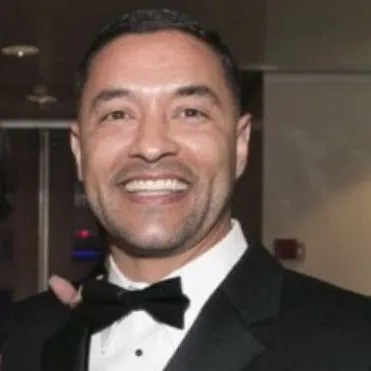
Jose F. Espinoza
Licensed Bail Agent #1841969 · Founder, Espinoza Bail Bonds
Jose F. Espinoza is a U.S. Army veteran, former Military Police officer, and licensed bail agent who founded Espinoza Bail Bonds in 2014. After 25 years of decorated military service, he now brings the same discipline, loyalty, and calm leadership to helping families navigate the bail process. Jose believes in second chances and treats every client with dignity, respect, and compassion.


 Speak to a Bail Agent:
(844) 325-8424
 Request a Callback: Call
Me
Now!
 Other Options:
Contact Us