 Spanish
Is Jaywalking Illegal in CA? What You Need to Know
- in Laws
Get Someone Out of Jail Fast — 24/7 Help
Reliable, confidential bail bonds available anytime, anywhere in California. We move quickly so you can bring your loved one home.
Get in TouchThe term “jaywalking” has a surprising history. It was coined by the auto industry in the 1920s to shift public perception, framing streets as places for cars, not people. This century-old tension is still relevant today as we ask, is jaywalking illegal? California is now re-examining this relationship with its “Freedom to Walk Act,” a law that gives some control back to pedestrians. But this shift doesn’t erase all the rules. To truly understand your rights and responsibilities on the road, you need to know what has changed and what dangers remain. We’ll explore the specifics of the current law, how it impacts your daily life, and what you must do to cross the street safely and legally.
In California, jaywalking refers to a Traffic offense where a pedestrian crosses a street that has no marked crosswalk or intersection. This offense is illegal under the California Vehicle Code 21955. Unfortunately, many pedestrians have lost their lives due to getting hit by vehicles. If you or a family member are injured due to walking in a marked intersection, contact a personal injury attorney as soon as you can. It is the only way to preserve your rights.
Is Jaywalking Actually Illegal in California?
In the state of California, jaywalking is considered a serious offense due to the dangers. Literally, thousands of accidents are caused every year, and in the past year alone, 706 people have been killed. California ranks the highest in regard to all crosswalk deaths. The city of San Francisco is by far the most dangerous city. Individuals need to learn the risks and penalties of illegally crossing roads in the state of California. Aside from possibly getting injured or killed, pedestrians can also receive as high as $250. Individuals who are found to have violated any other pedestrian crosswalk laws could see their jaywalking tickets double. If you have a loved one who dies as a result of getting hit in a crosswalk, you should hire a wrongful death attorney for help. Only they can help you and your family get the justice you deserve. Read school prayer and the Pledge of Allegiance
Understanding the “Freedom to Walk Act”
You might be surprised to learn that the rules around jaywalking in California have changed. A recent law called the “Freedom to Walk Act” went into effect, shifting how the state handles pedestrians crossing the street. This legislation, officially known as Assembly Bill 2147, was designed to stop what many saw as unfair ticketing that disproportionately affected certain communities. The main idea is to give pedestrians more freedom to cross streets where it makes sense, as long as they prioritize safety. It’s a significant change from the old rules, so it’s important to understand exactly what is and isn’t allowed now.
How AB 2147 Changed the Rules
So, what does this mean for you on a practical level? Under AB 2147, you can legally cross a street outside of a marked crosswalk or intersection, but only when it is safe to do so. The key is that your crossing cannot create an immediate danger of a collision with a moving vehicle. This law doesn’t give you a free pass to run into traffic. An officer can still give you a ticket if you do something reckless, like darting out in front of a car or forcing drivers to slam on their brakes. You also must continue to obey all traffic signals. The goal is to use common sense—if a reasonably careful person would see the situation as unsafe, you should wait for a safer opportunity to cross.
What Counts as Jaywalking in California?
Under California Vehicle Code 21955, pedestrians are not allowed to cross adjacent roads or streets unless there is a marked crossing. This means that in order for you to cross, there must be either traffic control signals or an officer directing traffic. If an officer sees you crossing illegally, they will issue you a ticket. Pedestrian crossing rules in California are strictly enforced. Officers readily issue jaywalking tickets to individuals they believe have broken those rules.
Who’s at Fault if a Jaywalker is Hit by a Car?
With California being a comparative negligence state, the pedestrian is still entitled to financial compensation even if the accident is partially their fault. The plaintiff is required to show that the defendant is partially responsible for the accident. So according to California traffic laws, even if the plaintiff is 99% at fault, they could still recover damages. A skilled attorney can minimize your fault to get you an even larger settlement.
When Is It Legal to Jaywalk in California?
Under California traffic laws, there may be times when it is acceptable. If the person uses great care and caution, they are allowed to cross as long as it’s not in an intersection. As a pedestrian, you cannot step off a curb even if an oncoming car has enough time to stop. In other words, stepping off a curb into an unmarked intersection is a violation of pedestrian crossing rules in California.
Other Common Pedestrian Violations
- Failure to yield right away at marked or unmarked intersections.
- If the person crossing causes a delay in traffic.
- If the person suddenly runs into the crossing area without regard to safety.
Pedestrian crosswalk laws are taken seriously in the state of California. Due to the state’s high number of crossing walk accidents and deaths, it is imperative that people obey these laws. If you have a family member who is killed as a result of an accident in a marked intersection, you should seek out the help of a wrongful death attorney. Not all of these accidents are the fault of the walker. There are a number of factors that can change the outcome of the case. Read Speed limit guide For instance, was the driver speeding? Were they under the influence of drugs or alcohol? These are factors that can be exploited by a good attorney. And in the state of California, a personal injury attorney only has to prove that the driver has some responsibility for the accident. It is also recommended to read about distracted driving laws
When the Pedestrian Can Be Held Liable
It’s a common assumption that in any accident involving a car and a pedestrian, the driver is automatically at fault. However, that’s not always the case. If you are hit by a car while jaywalking, you could be found partially or even entirely responsible for the accident. This means you might not only face a traffic ticket for the illegal crossing but could also be held financially liable for damages to the vehicle. California’s comparative negligence rule allows for fault to be shared, but establishing the driver’s responsibility is key. This is why understanding and following pedestrian laws is so important—it protects both your physical safety and your legal standing in the event of an accident.
Pedestrian Safety and Shared Responsibility
Keeping our roads safe isn’t just the job of drivers; it’s a shared responsibility that includes pedestrians, too. Both groups have a duty to follow traffic laws and remain aware of their surroundings to prevent accidents. For pedestrians, this means using marked crosswalks whenever they are available and waiting for the signal to cross. For drivers, it means yielding the right-of-way to people in crosswalks and staying alert, especially in busy urban areas or near intersections. When everyone understands their role, the streets become safer for all. This mutual respect and adherence to the rules create a more predictable environment, which is crucial for preventing tragic and avoidable incidents. The law recognizes this shared duty, and both parties can be held accountable for their actions.
Safety Recommendations for Pedestrians
The simplest way to stay safe as a pedestrian is to always cross the street at a designated crosswalk or intersection, preferably one with a traffic signal. Before you step into the road, make eye contact with drivers to ensure they see you. Even if you have the right-of-way, wait for cars to come to a complete stop before you proceed. It’s also critical to be fully present and aware of your surroundings. Avoid distractions like looking at your phone or listening to music with headphones, as these can prevent you from hearing an approaching vehicle or seeing a potential hazard in time to react.
Staying Aware and Visible
Beyond just avoiding distractions, actively increasing your awareness and visibility can make a huge difference. If you’re walking at night or in low-light conditions like dawn or dusk, wear bright or reflective clothing to make yourself more visible to drivers. Carrying a small flashlight can also help you see and be seen. Always assume a driver might not see you, and act defensively. This means looking both ways before crossing—even on one-way streets—and continuing to scan for traffic as you make your way across the road. These small, proactive steps are powerful tools for ensuring your own safety.
Key Responsibilities for Drivers
While pedestrians have their part to play, drivers carry a significant responsibility due to the potential harm a vehicle can cause. In California, drivers must yield the right-of-way to any pedestrian in a marked or unmarked crosswalk. This means slowing down and being prepared to stop when approaching an intersection. It’s not enough to just avoid hitting someone; the law requires you to stop if a pedestrian is on your side of the road or close enough on the other side to be in danger. Pay extra attention in areas with high foot traffic, such as school zones, residential neighborhoods, and downtown districts.
Rules for Pedestrians Where Sidewalks Are Absent
What should you do when you’re walking in an area without sidewalks? The law has guidelines for this situation as well. If no sidewalk is available, you should walk on the left side of the road, facing oncoming traffic. This position allows you to see approaching cars and gives you more time to react if a driver doesn’t see you. It’s also important to walk as far to the side of the road as possible to create a safe distance between you and the vehicles. Remember, when you cross a street outside of a crosswalk in these areas, you must yield the right-of-way to all vehicles.
The Bigger Picture: Jaywalking in the U.S.
While this discussion focuses on California, it’s helpful to understand that jaywalking is a legal concept across the United States. Generally, it refers to crossing a street outside of a designated crosswalk or against a traffic signal. However, there isn’t a single federal law that defines it, so the specific rules and penalties can vary significantly from state to state and even from city to city. Some places enforce jaywalking laws strictly with hefty fines, while others are more lenient. This patchwork of regulations means it’s always a good idea to be aware of local pedestrian laws whenever you’re traveling. The underlying principle, however, remains the same: crossing the street in a predictable and lawful manner is the safest option for everyone involved.
The Surprising History of the Term “Jaywalking”
The concept of “jaywalking” didn’t always exist. Before the widespread adoption of cars in the early 20th century, streets were considered public spaces for everyone, including pedestrians who walked freely across them. As automobiles became more common, accidents between cars and people increased. The auto industry launched campaigns to reframe how people viewed streets, promoting the idea that roads were primarily for cars. The term “jay” was early 20th-century slang for a foolish or inexperienced person, so “jaywalking” was coined to blame pedestrians for accidents and shift the responsibility for safety away from drivers.
National Pedestrian Accident Statistics
The focus on pedestrian safety laws isn’t arbitrary; it’s a response to a serious national problem. Every year in the United States, thousands of pedestrians are killed in traffic accidents, with nearly 5,000 fatalities recorded annually. Studies have shown that jaywalking significantly increases a pedestrian’s risk of being struck by a vehicle. These aren’t just numbers—they represent friends, family members, and neighbors whose lives were cut short in preventable incidents. Understanding and respecting traffic laws, whether you’re behind the wheel or on foot, is a critical step in reducing these tragic statistics and making our communities safer for everyone.
Legal Variations and Enforcement Across the Country
Just as the rules for jaywalking change from place to place, so does the enforcement. In a bustling city center like New York or San Francisco, you might see police officers issuing tickets to pedestrians who cross against the light. In a quieter suburban town, the same action might go unnoticed. The penalties also differ widely. In some jurisdictions, a jaywalking ticket might result in a small fine comparable to a parking ticket. In others, it could be a more serious offense with higher fines, especially if the action causes an accident. This variability underscores the importance of prioritizing safety over convenience, no matter where you are.
Frequently Asked Questions
So, can I legally cross the street anywhere I want in California now? Not exactly. The “Freedom to Walk Act” gives you more flexibility, but it isn’t a free pass. You can cross a street outside of a marked crosswalk, but only when it is clearly safe and you are not creating a hazard for oncoming traffic. The law is about using common sense and good judgment, not about ignoring traffic rules altogether.
Can I still get a ticket for jaywalking? Yes, you can. If a police officer determines that you crossed the street unsafely or recklessly, you can still be cited. Forcing a driver to slam on their brakes or darting out into traffic are examples of actions that would likely get you a ticket. The law decriminalized safe crossing, not dangerous behavior.
If a car hits me while I’m crossing outside a crosswalk, is it automatically my fault? No, fault isn’t automatically assigned to you. California uses a “comparative negligence” rule, which means responsibility is determined by looking at the actions of everyone involved. If the driver was also being careless—by speeding, for example—they could be found partially or even fully responsible for the accident.
What’s the difference between crossing safely and creating an “immediate danger”? This is the most important part of the new law. Crossing safely means you have a clear path and can get to the other side without forcing any vehicle to suddenly slow down, stop, or swerve. Creating an “immediate danger” is any action that forces a driver to react to avoid a collision. If a reasonably careful person would consider the crossing risky, it’s likely unsafe.
As a driver, what are my responsibilities now that pedestrians have more freedom? Your primary responsibilities have not changed. You must always be aware of your surroundings and yield to pedestrians in both marked and unmarked crosswalks. Given the new law, it’s wise to be extra vigilant for people who may be crossing mid-block. The duty to operate your vehicle safely and avoid collisions remains paramount.
Key Takeaways
- Understand the “Freedom to Walk Act”: California law now allows you to cross a street outside of a marked crosswalk, but only when it is clearly safe and doesn’t force an approaching car to slow down or swerve.
- Safety Still Determines Legality: This new freedom isn’t absolute. You can still be ticketed or found at fault in an accident if you cross recklessly, misjudge traffic, or create a dangerous situation for drivers.
- Fault Can Be Shared in an Accident: California is a comparative negligence state, meaning responsibility for an accident can be split between the driver and the pedestrian. Following traffic laws and staying visible protects both your physical safety and your legal standing.
Related Articles
- Jaywalking Laws in California | Espinoza Bail Bonds
- What to Do After a Hit and Run in California
- New Laws in California 2018 | Espinoza Bail Bonds
About the Author
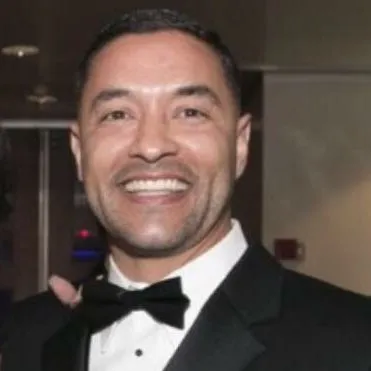
Jose F. Espinoza
Licensed Bail Agent #1841969 · Founder, Espinoza Bail Bonds
Jose F. Espinoza is a U.S. Army veteran, former Military Police officer, and licensed bail agent who founded Espinoza Bail Bonds in 2014. After 25 years of decorated military service, he now brings the same discipline, loyalty, and calm leadership to helping families navigate the bail process. Jose believes in second chances and treats every client with dignity, respect, and compassion.


 Speak to a Bail Agent:
(844) 325-8424
Speak to a Bail Agent:
(844) 325-8424
 Request a Callback: Call
Me
Now!
Request a Callback: Call
Me
Now!
 Other Options:
Contact Us
Other Options:
Contact Us